For wholesale buyers, choosing a Large Electric Bike involves more than checking motor power or battery size. It requires a practical review of frame strength, riding comfort, cargo capacity, serviceability, and long-term operating costs. A bike may look impressive in photographs but feel unstable under a heavy load. That difference matters.
Ed Benjamin, a longtime electric bicycle industry analyst, once said, “The e-bike is the biggest thing to happen to the bicycle industry in 100 years.” His view reflects the market’s rapid development. Today, large electric bikes serve delivery teams, outdoor retailers, commuters, rental operators, and family transport businesses. Buyers must compare real specifications, not only promotional claims. A 750W motor, for example, may perform differently across hills, rider weights, tire sizes, and controller settings. Battery range also changes in cold weather, strong wind, and frequent stop-and-go use.
This guide examines ten Large Electric Bike models suited to wholesale purchasing. It considers frame construction, motor response, battery design, braking systems, replacement parts, packaging, and supplier support. Some models offer excellent cargo value but lack refined suspension. Others provide stronger comfort but increase shipping weight and maintenance costs. No model is perfect. That is worth admitting.
The strongest choice depends on your customers, local riding conditions, storage needs, and expected order volume. Sample testing remains essential. A short warehouse trial can reveal rattling racks, awkward displays, or difficult battery removal before a large purchase becomes expensive.
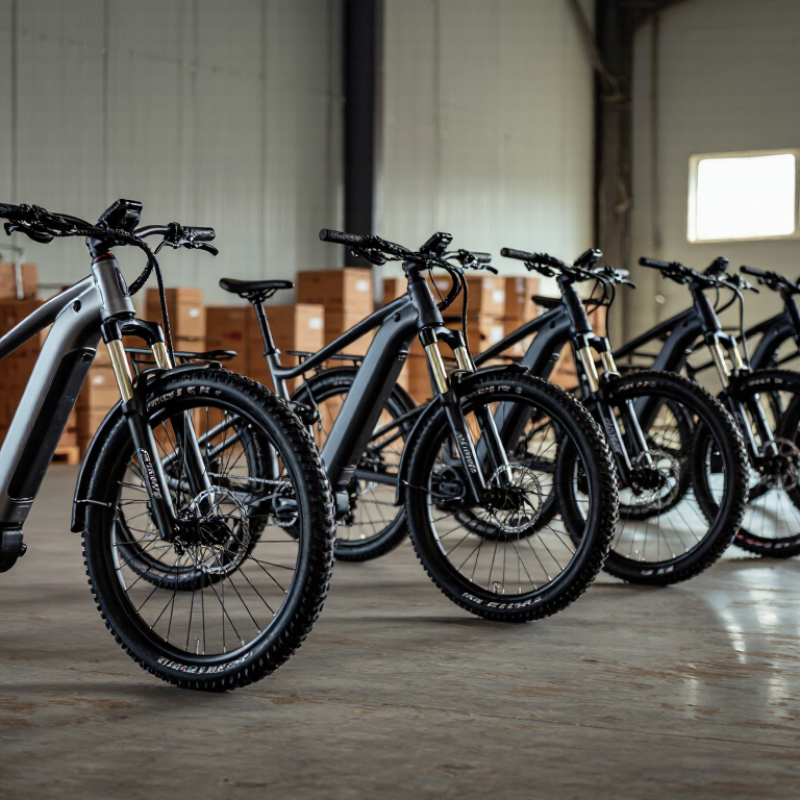
A large electric bike is defined by more than oversized wheels or a bold frame. For wholesale buyers, useful size means practical carrying capacity, stable handling, and comfortable rider space. A longer wheelbase can improve balance when the bike carries groceries, tools, or delivery boxes. However, it may also require wider storage aisles and stronger transport packaging.
Frame geometry deserves close inspection. Measure the handlebar width, overall length, step-through height, and folded dimensions when applicable. A bike with a 150-kilogram rated payload needs more than a strong-looking rear rack. Its frame joints, spokes, tires, brakes, and kickstand should support that load consistently. Larger tires may absorb rough pavement, but they can increase rolling resistance and replacement costs.
Battery capacity should match the bike’s intended workload. Heavy cargo, hills, cold weather, and frequent stops reduce real-world range. Ask suppliers for test data under comparable loads, not only ideal laboratory figures. Motor output, braking performance, charger quality, and water-resistance details also affect wholesale reliability. Local safety and electrical requirements must be checked before import or resale. A cheaper specification sheet can hide expensive after-sales problems. Larger is not automatically better. I have seen spacious designs become awkward in narrow warehouses, and that weakness is easy to miss during a showroom inspection.
| No. | Large E-Bike Configuration | Best Wholesale Use | Motor Output | Battery Capacity | Typical Assisted Range | Maximum Payload | Wheel and Tire Size | Cargo or Passenger Capacity | Large-Bike Defining Features |
|---|---|---|---|---|---|---|---|---|---|
| 1 | Longtail Cargo E-Bike | Family transport and urban delivery | 500–750 W peak | 48 V, 15–20 Ah | 40–80 km | 180–200 kg | 20 × 3.0 in | 2 children or rear cargo | Extended rear rack, reinforced frame, low center of gravity |
| 2 | Front-Load Box Cargo E-Bike | Commercial delivery and logistics | 750–1,000 W peak | 48 V, 20–30 Ah | 35–75 km | 200–250 kg | 20 in front / 26 in rear | Large front box or platform | Long wheelbase, high cargo volume, stable steering geometry |
| 3 | Heavy-Duty Utility E-Bike | Maintenance teams and worksite transport | 750–1,000 W peak | 48 V, 17.5–25 Ah | 40–85 km | 180–220 kg | 26 × 2.5–3.0 in | Large rear rack and side panniers | Steel or reinforced alloy rack, hydraulic brakes, strong kickstand |
| 4 | Dual-Battery Touring E-Bike | Long-distance rental and recreation | 500–750 W peak | 48 V, 30–40 Ah total | 80–160 km | 150–180 kg | 26 × 2.0–2.4 in | Rear rack and touring panniers | Two battery mounts, full-coverage fenders, integrated lighting |
| 5 | Full-Suspension Fat-Tire E-Bike | Outdoor rental and all-terrain use | 750–1,000 W peak | 48 V, 17.5–25 Ah | 45–90 km | 150–180 kg | 26 × 4.0 in | Rear rack for light cargo | Wide tires, front and rear suspension, high ground clearance |
| 6 | Step-Through Cargo E-Bike | Retail, campus, and local delivery fleets | 500–750 W peak | 48 V, 15–20 Ah | 40–80 km | 160–200 kg | 20 × 3.0–4.0 in | Rear rack, basket, or child seat | Low-step frame, adjustable cockpit, accessible mounting height |
| 7 | Moped-Style Utility E-Bike | Short-distance commuting and rental programs | 750–1,000 W peak | 48 V, 20–25 Ah | 50–100 km | 150–180 kg | 20 × 4.0 in | Optional rear passenger seat | Large frame, motorcycle-style saddle, wide tires, robust lighting |
| 8 | Three-Wheel Cargo E-Bike | Stable delivery and assisted transport | 500–750 W peak | 48 V, 15–25 Ah | 35–75 km | 200–300 kg | 20–24 in | Large rear or front cargo compartment | Three-wheel stability, broad cargo platform, parking brake |
| 9 | Compact Folding Cargo E-Bike | Multimodal transport and compact storage | 500–750 W peak | 48 V, 15–20 Ah | 35–70 km | 150–180 kg | 20 × 3.5–4.0 in | Rear rack and front basket | Folding frame, reinforced hinges, wide tires, adjustable components |
| 10 | High-Capacity Dual-Motor Cargo E-Bike | Steep terrain and heavy commercial loads | 1,000–1,500 W peak combined | 48 V, 25–40 Ah total | 50–110 km | 200–250 kg | 20 × 4.0 in or 26 × 4.0 in | Heavy rear cargo or trailer support | Two drive motors, high-torque gearing, reinforced drivetrain and brakes |
Useful size includes carrying capacity, rider space, and stable handling. Measure frame length, handlebar width, wheelbase, and step-through height. Bigger is not better.
Review the rated payload, then inspect the frame joints, spokes, tires, brakes, and kickstand. A strong rear rack alone proves little. Test it loaded.
A longer wheelbase can improve balance with groceries, tools, or delivery boxes. However, it may need wider storage aisles and stronger packaging.
Request battery capacity, charging time, and range tests with realistic cargo. Hills, cold weather, heavy loads, and frequent stops reduce actual range.
Not necessarily. A high-capacity battery may increase purchase and replacement costs. Match battery size to daily routes and customer budgets.
Families may need stable handling and safe footboards. Delivery users often prioritize payload capacity, service access, and loaded range. Urban users may prefer shorter frames.
Ride two or three samples on hills, rough pavement, and tight turns. Measure stopping distance with realistic cargo. Photos can mislead.
Compare brakes, spare-part access, charger quality, water resistance, warranty handling, and transport packaging. A cheaper specification can create costly service problems.
Confirm storage dimensions and loading width before ordering. Gather customer feedback after testing. My first choice may still be wrong.
This guide explains what makes a Large Electric Bike suitable for wholesale buyers, focusing on frame size, load capacity, motor output, battery range, wheel design, rider comfort, and safety features. It also outlines the essential specifications buyers should compare when evaluating different models, including charging time, braking systems, durability, display functions, storage options, and adaptability to various customer needs. A selection of ten Large Electric Bike designs is reviewed according to performance, practical use, comfort, and market appeal, helping wholesalers understand which configurations may fit commuting, delivery, recreation, or utility applications.
The guide also covers key wholesale considerations such as unit pricing, minimum order quantities, production consistency, packaging, warranty terms, replacement parts, lead times, and supplier communication. Finally, it provides a practical framework for selecting the best Large Electric Bike for a target market by considering customer preferences, local riding conditions, expected usage, maintenance requirements, budget levels, and long-term supplier support.

 Asian Dragon