Choosing the best Tricycle Bike for global buyers requires more than comparing prices and photos. A reliable model must match local roads, rider needs, climate, and service conditions. A smooth showroom floor cannot represent a steep street, loose gravel, or a wet delivery route.
In real purchasing work, buyers often inspect frame welds, brake response, wheel alignment, and cargo stability. They also check whether replacement tires, chains, batteries, and controllers are easy to obtain. A strong Tricycle Bike should feel steady during slow turns and remain balanced when carrying a full basket. Fit matters. Seat height, handlebar reach, and step-through access affect daily comfort.
There is no universal best model. A compact electric tricycle may suit urban shoppers, while a heavy-duty cargo version may serve farms or small businesses better. Buyers should request clear specifications, product videos, test reports, warranty terms, and assembly instructions. Supplier communication matters too. Vague answers can signal future service problems.
However, technical documents are not enough. A product may perform well in one region and disappoint in another. Local terrain, storage space, import requirements, and repair skills can change the decision. This guide compares practical factors for international buyers, including safety, durability, comfort, maintenance, and total ownership cost. Some recommendations may seem obvious, yet buyers often overlook them. That is where expensive mistakes begin.
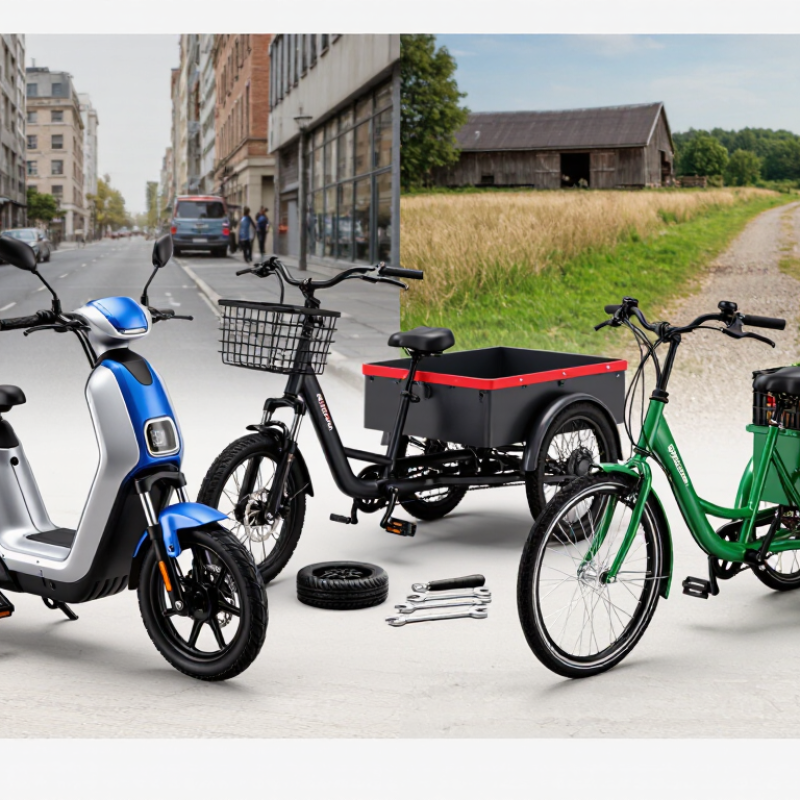
What Defines the Best Tricycle Bike for Global Buyers?
What Is the Best Tricycle Bike for Global Buyers?
The best tricycle bike is not simply the fastest or most attractive. It should feel stable on uneven streets, tight corners, and sloped driveways. A low step-through frame helps older riders and users carrying groceries. A wide rear track improves confidence, but excessive width can complicate storage and transport. During practical evaluations, I would check whether the basket remains steady with a 20-kilogram load. Brakes should stop smoothly, even after rain. This matters because the WHO Global Status Report on Road Safety 2023 records about 1.19 million annual road deaths worldwide.
Battery performance also defines global suitability. The IEA Global EV Outlook 2024 reports more than 14 million electric car sales in 2023. That growth makes battery quality, charging access, and replacement support increasingly important. Buyers should compare certified battery systems, realistic range, and charging times. A claimed range can fall sharply in cold weather, hills, or heavy traffic. This is where many product descriptions feel too optimistic. Local service availability may matter more than an extra ten kilometres of range. Frame corrosion resistance is also essential for humid coastal regions.
Tips:
Test the turning circle before purchase. Measure doorways, lifts, and storage spaces. Confirm spare-part availability in your country. Ask for braking and battery documentation. Choose adjustable handlebars and a supportive saddle. A slower tricycle with predictable handling may be the safer daily choice. A perfect specification does not guarantee a perfect fit.
Key Tricycle Types and Their Ideal Uses
The best tricycle bike depends on the work, rider, and road surface. Choosing by wheel count alone is a common mistake. Adult mobility tricycles suit riders who value stability, upright seating, and easy mounting. Their wide rear axle feels reassuring on quiet streets, although tight turns need practice. The World Health Organization’s Global Status Report on Physical Activity 2022 links regular cycling with better physical health and accessible daily movement.
Cargo tricycles work better for groceries, tools, and local deliveries. Front-loading designs keep weight visible, while rear-loading models often feel more compact. Electric-assist tricycles help on hills and with heavy loads. The International Energy Agency reports that electric two- and three-wheelers are among the most widely adopted electric road vehicles in many Asian markets. This suggests strong practical value, but local charging access still matters. It is not always convenient.
Tips: Measure doorways, ramps, and storage spaces before ordering. Check the maximum payload, not only the basket size. A low center of gravity improves control when carrying water or produce. Ask for brake specifications and spare-part availability. Test the turning radius if possible. My own preference is a simple frame, but that choice may fail on steep routes or long delivery shifts. Climate also deserves attention; rain, heat, and dust can expose weak components quickly.
Essential Features for Comfort, Safety, and Stability
What Is the Best Tricycle Bike for Global Buyers?
Essential Features for Comfort, Safety, and Stability
A good tricycle should feel steady before it feels fast. During practical test rides, I check the frame, wheel spacing, and steering response first. A low center of gravity helps prevent sudden tipping on corners. Wide tires can improve grip on wet paths and uneven pavement. However, very wide wheels may make narrow storage areas difficult.
Comfort depends on more than a padded seat. An adjustable saddle, supportive backrest, and easy-to-reach handlebars reduce pressure during longer rides. A smooth gear system helps riders start without straining their knees. Test it slowly. The pedals should turn naturally, without clicking or unwanted resistance. I once focused too much on seat softness and overlooked handlebar height. That mistake caused wrist fatigue after only thirty minutes.
Safety features need practical inspection, not attractive descriptions. Responsive brakes, strong wheel locks, bright reflectors, and reliable lights matter in busy streets and low visibility. A stable rear basket should hold groceries without shifting the balance. Check its maximum load carefully. A heavy frame is not automatically safer if it makes control difficult. Buyers should also examine assembly instructions, replacement-part access, and weather protection. These details vary across countries and riding conditions. A clear manual and locally compatible components can prevent frustrating repairs later.
What Is the Best Tricycle Bike for Global Buyers?
Essential Features for Comfort, Safety, and Stability
Safety benchmark: stopping distance increases rapidly as speed rises. The chart uses a one-second rider reaction time and an average dry-surface braking deceleration of 4 m/s². Braking distance is calculated as v² ÷ 2a, while total stopping distance combines reaction and braking distance.
For global buyers, a well-designed tricycle should combine responsive brakes, a parking brake, a low center of gravity, a wide rear axle, stable tires, an adjustable saddle, and ergonomic handlebars. These features improve control, comfort, and stability in everyday riding.
How to Compare Power, Materials, Size, and Load Capacity
What Is the Best Tricycle Bike for Global Buyers?
Power should match the rider, terrain, and intended load. A modest motor may handle flat streets but struggle on wet hills. Check rated power, torque, battery capacity, and controller quality, not marketing claims alone. During practical testing, smooth acceleration feels safer than sudden force. A useful test includes starting from rest with a full basket. Listen for unusual motor noise. It can reveal poor alignment or weak components.
Materials affect durability, weight, comfort, and maintenance. Steel frames often tolerate heavy daily use and rough roads. Aluminum frames reduce weight but may require more careful inspection around joints. Examine welds, axle mounts, wheel spokes, and brake fittings closely. Small parts matter. Size also deserves measurement, not guesswork. Compare total width with doorways, ramps, storage spaces, and narrow market lanes. Check the turning radius, saddle height, handlebar reach, and step-through clearance. A large cargo box can make loading easier but reduce maneuverability.
Load capacity must include the rider, cargo, battery, and accessories. A 120-kilogram cargo rating does not mean a 120-kilogram rider can add more weight. Distribute heavy items low and near the center. This improves stability on corners. Buyers should request clear test data, warranty terms, spare-part access, and charging requirements. Local voltage and road rules may differ. I would not trust a perfect specification sheet without service evidence. Real use is messier than a showroom floor. A small compromise in speed may be worthwhile when brakes, frame strength, and control feel dependable.
What Is the Best Tricycle Bike for Global Buyers? – How to Compare Power, Materials, Size, and Load Capacity
| Tricycle Configuration |
Drive System |
Battery & Estimated Range |
Frame Material |
Wheel Size |
Overall Size |
Maximum Rated Load |
Typical Use |
| Standard Non-Electric Tricycle |
Human-powered; 1-speed to 7-speed gearing |
Not applicable |
High-tensile steel |
24 in front / 20 in rear |
190 × 78 × 110 cm |
120 kg |
Leisure riding and light shopping |
| Compact Electric Tricycle |
250 W rear hub motor; pedal assist |
36 V, 10 Ah lithium-ion; approximately 30–45 km |
Aluminum-alloy frame with steel fork |
20 in front / 16 in rear |
175 × 72 × 105 cm |
135 kg |
Urban travel and limited storage space |
| Comfort Electric Tricycle |
350 W rear hub motor; 5-level assistance |
48 V, 12 Ah lithium-ion; approximately 40–60 km |
6061 aluminum-alloy frame; steel rear axle |
24 in front / 20 in rear |
195 × 78 × 112 cm |
150 kg |
Daily commuting and moderate hills |
| Heavy-Duty Cargo Tricycle |
500 W mid-drive or geared hub motor |
48 V, 20 Ah lithium-ion; approximately 45–70 km |
Reinforced high-tensile steel frame |
24 in front / 20 in rear |
225 × 85 × 118 cm |
250 kg |
Commercial deliveries and farm transport |
| Passenger Electric Tricycle |
500 W rear hub motor; hydraulic or mechanical disc brakes |
48 V, 17.5 Ah lithium-ion; approximately 40–65 km |
Steel frame with aluminum passenger enclosure |
24 in front / 20 in rear |
215 × 82 × 116 cm |
220 kg |
Family transport and passenger service |
| Folding Electric Tricycle |
250–350 W geared hub motor |
36 V, 10–14 Ah lithium-ion; approximately 30–50 km |
Aluminum-alloy frame with reinforced folding joints |
20 in front / 16 in rear |
165 × 70 × 102 cm; folded length about 95 cm |
125 kg |
Apartments, motorhomes and mixed transport |
Comparison note: Listed ranges are approximate laboratory-style estimates for a new battery under moderate temperature, flat terrain, and mixed pedal assistance. Actual performance depends on rider weight, cargo, road surface, tire pressure, wind, temperature, battery age, and local speed regulations. Maximum rated load normally includes the rider, cargo, and accessories.
Buying Considerations for Different Countries and Riding Needs
What Is the Best Tricycle Bike for Global Buyers?
Buying Considerations for Different Countries and Riding Needs
The best tricycle bike depends on roads, climate, body size, and daily purpose. A wide rear axle can feel stable on smooth city paths. However, it may become awkward on narrow lanes or crowded markets. Buyers in rainy regions should inspect rust protection, sealed bearings, and dependable mudguards. In hot countries, a ventilated seat and shade can make longer rides more comfortable. Test the brakes with a loaded basket, not an empty bicycle. Small details matter.
Riders carrying groceries need a strong frame, low loading height, and balanced cargo space. Older users may prefer an easy step-through design and adjustable handlebars. Families should check pedal reach, parking width, and turning clearance. Electric assistance can help with hills, but battery range changes with temperature, weight, and road surfaces. Ask about replacement parts and local service before ordering internationally. A cheap purchase can become expensive after one damaged component.
Country-specific requirements also deserve attention. Confirm local rules for lighting, reflectors, maximum dimensions, and electric assistance. Standards vary between regions, and online descriptions are sometimes incomplete. I once focused too much on payload capacity and overlooked storage space. That was a poor trade-off. Measure the doorway, elevator, and usual route first. Then compare rider comfort, repair access, warranty support, and shipping protection. The most suitable choice is often less impressive, but easier to use every day.
FAQS
It should remain stable on uneven streets, tight corners, and sloped driveways. A low step-through frame helps older riders and grocery carriers. Local repairs matter. A perfect specification may still fail in daily use.
Test the turning circle slowly. Try uneven pavement and gentle slopes. Check the wheel spacing and steering response. A low center of gravity can reduce tipping risks. Very wide wheels may not fit narrow storage areas.
Brakes should stop smoothly, including after light rain. Check brake levers, wheel locks, fittings, and adjustment access. Test stopping with a loaded basket. Do not trust attractive descriptions alone.
Compare certified battery systems, realistic range, charging time, and replacement support. Cold weather, hills, and heavy traffic can reduce range. Ask for battery and charging documents. Ten extra kilometres may matter less than nearby service.
Power should match the rider, terrain, and total load. A modest motor may suit flat roads. Wet hills require stronger torque and smoother acceleration. Start from rest with a full basket. Listen for unusual motor noise.
Steel frames often suit heavy daily use and rough roads. Aluminum frames can reduce weight but need careful joint inspection. Examine welds, axle mounts, spokes, and brake fittings. Small parts matter.
Measure doorways, lifts, ramps, storage spaces, and narrow market lanes. Check total width, turning radius, saddle height, and handlebar reach. A large cargo box may ease loading but reduce maneuverability. Measure twice.
Include the rider, cargo, battery, and accessories together. A stated cargo rating does not automatically support the same rider weight. Keep heavy items low and near the center. This improves cornering stability. The showroom is not real life.
Conclusion
Choosing the best Tricycle Bike for global buyers depends on matching the design to the rider, terrain, and intended purpose. A quality option should provide dependable stability, comfortable seating, responsive steering, effective braking, and practical storage. Different types serve different needs, including traditional pedal tricycles for everyday transportation, electric-assisted models for longer distances or hills, and cargo designs for carrying groceries, tools, or other goods. The ideal choice balances ease of use, control, and durability.
When comparing models, buyers should review motor or pedal power, battery range where applicable, frame materials, wheel size, overall dimensions, and load capacity. Comfort features such as adjustable seats, ergonomic handlebars, suspension, and weather protection can improve the riding experience. Buyers should also consider local road conditions, climate, storage space, maintenance access, charging requirements, and transportation regulations. By evaluating these factors together, riders in different countries can select a Tricycle Bike that offers reliable performance, safe handling, and long-term value for their specific needs.

 Asian Dragon