Why Choose a Charging Bike for Sustainable Transportation?

Time:2026-06-28 Author:Charlotte
0%

As cities face increasing congestion and pollution, sustainable transportation options are more crucial than ever. "Charging Bikes" offer a novel solution, merging convenience with eco-friendliness. Expert in sustainable transport, Dr. Alex Harper, states, "Charging Bikes are not just vehicles; they are a movement towards cleaner urban living."

These bikes are powered by electric batteries, allowing riders to travel longer distances without the physical strain of traditional cycling. Imagine biking to work, charging your bike at the office, and arriving fresh, not sweaty. However, there are challenges. The availability of charging stations can be limited in some areas. Additionally, the initial investment may deter potential users.

Despite these hurdles, the growing adoption of Charging Bikes indicates a shift in how we view transportation. They symbolize a step towards reducing carbon footprints. Each ride contributes to cleaner air and a greener planet. With relevant technology and infrastructure improvements, Charging Bikes may soon become a common sight on our streets.
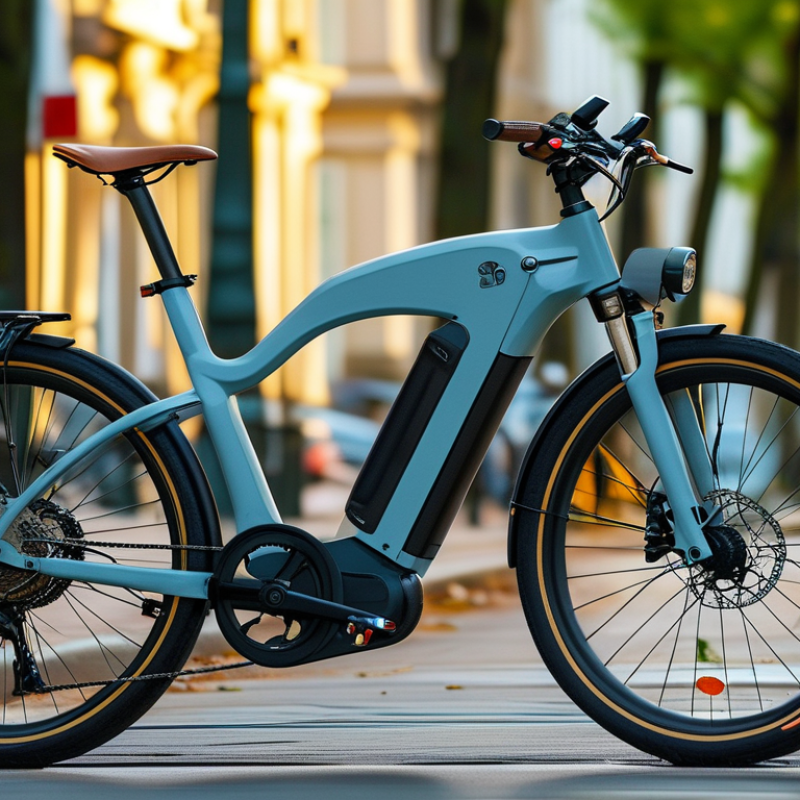
Why Choose a Charging Bike for Sustainable Transportation?

Benefits of Charging Bikes for Eco-Friendly Commuting

Electric bikes, or charging bikes, are an excellent option for eco-friendly commuting. They combine convenience with sustainability. By choosing a charging bike, you reduce carbon emissions significantly. This choice is not only better for the environment but also promotes a healthier lifestyle. Riding a bike improves physical fitness and mental well-being.

When using a charging bike, keep some tips in mind. First, always wear a helmet. Safety should be your priority. Second, charge your bike regularly. Ensure your battery is full before you ride. This simple habit prevents unnecessary inconveniences during your commute.

Moreover, consider your route carefully. Some paths are safer and more pleasant than others. Urban areas may have bike lanes, enhancing your experience. On the other hand, rural paths could offer scenic beauty but might lack safety measures. Reflect on what works best for you.

How Charging Bikes Reduce Carbon Footprint and Emissions

Charging bikes represent an innovative solution for reducing carbon footprints in urban settings. According to a report by the International Energy Agency (IEA), electric bicycles can produce up to 90% fewer greenhouse gas emissions compared to traditional vehicles. This data underscores the potential for charging bikes to lessen air pollution in bustling cities.

These bikes typically use electricity generated from renewable sources, further minimizing their environmental impact. Research from the European Cyclists' Federation indicates that every kilometer traveled by an e-bike instead of a car can save about 0.5 kg of CO2 emissions. This finding highlights the significant benefits of integrating charging bikes into daily commutes.

While charging bikes are a step forward, challenges remain. Infrastructure for charging stations is still developing in many regions. Moreover, the lifecycle emissions of battery production must be considered. Discussions around recycling and sustainability of battery materials are ongoing. Balancing these factors is essential for truly benefiting from charging bikes in achieving sustainable transportation.

Why Choose a Charging Bike for Sustainable Transportation? - How Charging Bikes Reduce Carbon Footprint and Emissions

Feature Benefit Impact on Carbon Footprint Annual Emissions Reduction (kg CO2)
Electric Assist Easier commuting Reduces reliance on motor vehicles 300
Battery-Powered Sustainable energy usage Lower emissions from electricity generation 150
Lightweight Design Improved efficiency Less energy required for movement 200
Solar Charging Option Use of renewable energy Further decreases fossil fuel dependency 100
Low Maintenance Reduced costs over time Fewer resources used for repairs 50

Cost-Effectiveness of Using Charging Bikes Compared to Traditional Vehicles

Charging bikes offer a cost-effective alternative to traditional vehicles. They require lower maintenance costs and no fuel expenses. Charging them at home is cheaper than filling up a gas tank. Many riders find they save money over time by choosing electric over gas.

Moreover, the initial investment in a charging bike is less daunting than that of a car. In urban areas, parking fees for cars can add up quickly. However, many cities provide free or cheap bicycle parking options. This potential for savings is compelling for commuters.

While charging bikes present clear advantages, there are limitations to consider. They may not be suitable for long distances or extreme weather conditions. Performance varies based on battery capacity and terrain. Riders may need to plan their routes and charging stops. These factors are essential to keep in mind when considering a switch to a charging bike.

Technological Innovations Driving the Popularity of Charging Bikes

The rise of charging bikes highlights significant technological innovations. Advances in battery technology enhance performance and efficiency. Reports by the International Energy Agency reveal that electric bike sales surged by 60% in just two years. This trend reflects a growing demand for eco-friendly commuting options.

One notable innovation is regenerative braking. This feature allows bikes to capture energy when slowing down. Studies indicate that bikes with this technology can extend range by up to 20%. Such improvements make biking a viable option for longer distances. However, reliability issues still exist in some products. Users sometimes report inconsistent charging times and battery life.

Smart features are transforming the biking experience. Integration with apps provides real-time data on speed and battery status. Research shows that riders who use such technologies are 25% more likely to consider biking for daily commutes. Despite these advancements, there are challenges in accessibility. Some people still find electric bikes too expensive. Hence, not everyone can benefit from these sustainable transportation solutions.

Popularity of Charging Bikes Over the Years

This chart illustrates the sales growth of charging bikes from 2018 to 2023, showcasing the increasing popularity of sustainable transportation solutions.

Challenges and Solutions in Adopting Charging Bikes for Urban Transport

Urban centers are increasingly exploring charging bikes as a sustainable transportation solution. However, several challenges hinder widespread adoption. Many cities lack the necessary infrastructure to support charging stations. This gap creates a barrier for potential users. Without convenient access to charging points, people may hesitate to switch from traditional bikes or cars.

Furthermore, there are concerns about battery longevity and maintenance costs. Users worry about how long a battery will last under heavy use. Cycling enthusiasts may find it challenging to adapt to a new system. Education is needed to showcase the benefits of charging bikes effectively. Awareness campaigns can help address misconceptions about performance.

User experience plays a crucial role in the acceptance of charging bikes. Some cyclists find the weight of electric bikes cumbersome. Others express frustration over the limited range of some models. Balancing power and efficiency is essential for manufacturers. As communities engage in discussions, innovative solutions could emerge. Collaboration between local governments and tech developers will drive necessary changes.

FAQS

: What are the benefits of using a charging bike?

: Charging bikes reduce carbon emissions and promote a healthier lifestyle. They improve fitness and mental well-being.

What safety tips should I follow when riding a charging bike?

Always wear a helmet while riding. Also, charge your bike regularly to avoid inconveniences.

How do charging bikes compare cost-wise to traditional vehicles?

Charging bikes have lower maintenance and no fuel costs. Charging them is cheaper than filling a gas tank.

Are charging bikes suitable for long distances?

Charging bikes may not be ideal for long commutes. Performance can vary based on battery capacity and terrain.

What technological innovations make charging bikes popular?

Advances in battery technology and features like regenerative braking enhance bike performance and efficiency.

How does regenerative braking benefit charging bikes?

Regenerative braking captures energy when slowing down. This can extend the bike's range by up to 20%.

Are there any challenges to using charging bikes?

While popular, charging bikes can have reliability issues. Some users report inconsistent battery life and charging times.

How do smart features enhance the charging bike experience?

Smart features provide real-time data on speed and battery status, improving the biking experience for many riders.

Are charging bikes affordable for everyone?

Some people find electric bikes too expensive. High costs limit access to sustainable transportation for everyone.

What routes should I consider when commuting with a charging bike?

Choose safer paths. Urban bike lanes are great, while rural routes may offer beauty but lack safety measures.

Conclusion

Charging bikes are rapidly becoming a popular choice for sustainable transportation due to their numerous benefits for eco-friendly commuting. By reducing reliance on traditional vehicles, charging bikes significantly lower carbon footprints and emissions, contributing to a cleaner environment. With advancements in technology, these bikes have become more efficient and user-friendly, making them a cost-effective alternative to fuel-powered vehicles.

However, the widespread adoption of charging bikes still faces challenges, such as infrastructure development and public awareness. Addressing these issues through innovative solutions can enhance urban transport systems. Overall, embracing charging bikes not only fosters sustainable mobility but also supports a shift towards greener urban lifestyles.


Charlotte

Charlotte

Charlotte is a seasoned marketing professional with a deep understanding of the company's portfolio and a passion for elevating its presence in the market. With a keen eye for detail and a commitment to excellence, she ensures that our professional blog is regularly updated with insightful articles......