How to Choose the Best Motorcycle Ebike in 2026

Time:2026-10-02 Author:Aria
0%

Choosing the best Motorcycle Ebike in 2026 requires more than comparing battery size and glossy photographs. This category blends bicycle geometry, motorcycle styling, and electric drivetrain technology. Definitions remain inconsistent. Some models use pedals and bicycle components, while others resemble lightweight electric motorcycles. That difference affects comfort, maintenance, insurance, and local road requirements.

The International Energy Agency reported that electric two- and three-wheelers reached nearly 10 million global sales in 2023. Most sales occurred in China, but the trend signals wider consumer acceptance. In the United States, PeopleForBikes and Circana reported that e-bike sales grew by 269% between 2019 and 2022. Those figures show momentum, not guaranteed quality. A large market still contains weak brakes, vague range claims, and uncomfortable seats. Small details matter.

Consider Horace Dediu, founder of Micromobility Industries. He defines micromobility as “the transportation of people and goods using vehicles weighing less than 500 kilograms.” His definition supports a practical question: does the Motorcycle Ebike fit your daily movement, or only your imagination? Look closely at motor wattage, battery certification, tire width, braking distance, frame weight, warranty support, and replacement parts. A 60-mile claim may assume a light rider, flat roads, and gentle assistance. Real hills can change it quickly. No spreadsheet can replace a ten-minute test ride. Even expert recommendations deserve a second look. The best choice is not always the fastest or most dramatic model. It should feel stable beside traffic, predictable on wet pavement, and manageable when its battery is empty.
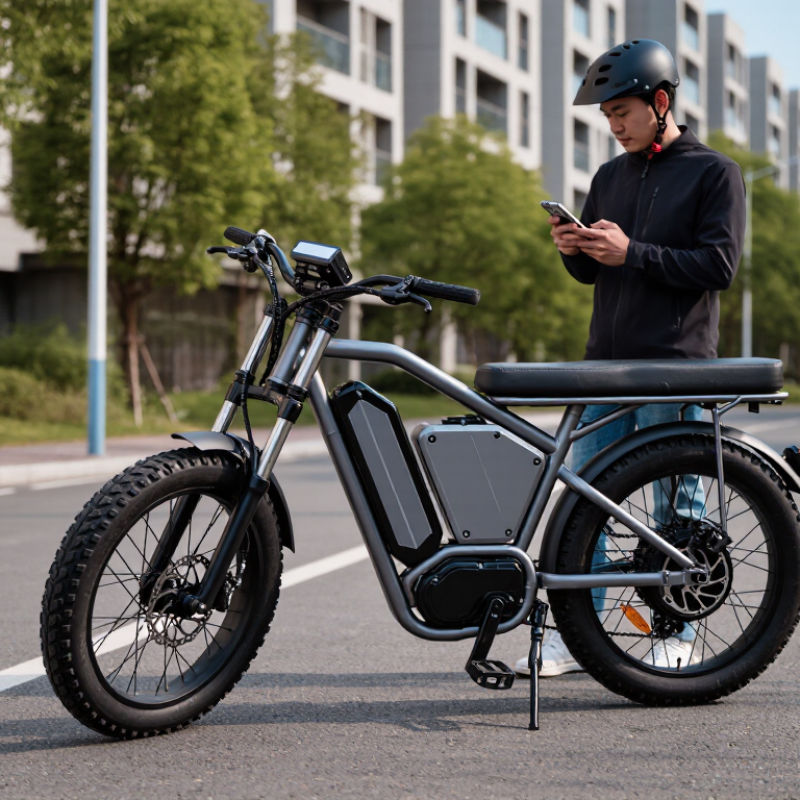
How to Choose the Best Motorcycle Ebike in 2026

Defining Your Riding Needs and Electric Motorcycle Goals

How to Choose the Best Motorcycle Ebike in 2026

Start with the ride, not the motor. Define where you will travel, how often, and with whom. A 20-mile weekday commute needs dependable range, weather protection, and comfortable ergonomics. Short urban trips may benefit more from easy parking and quick charging. Weekend riding may require stronger suspension, wider tires, and stable handling on uneven roads.

Write down your real riding goals. Do you need to carry groceries, climb steep streets, or maintain steady speed on open roads? Motor torque matters on hills, while battery capacity affects distance and charging frequency. However, advertised range can change with rider weight, temperature, wind, tire pressure, and terrain. Plan conservatively. Real conditions are rarely perfect.

Fit deserves serious attention. Your feet should reach the ground confidently, and the controls should remain easy to use with gloves. Test the brakes, throttle response, seat height, lighting, and turning balance before buying. Check the charging time and whether a safe indoor outlet is available. A heavy vehicle may feel secure, but it can become difficult on stairs or during a dead-battery push.

Budget for more than the purchase price. Include protective equipment, maintenance, insurance where required, and eventual battery replacement. Review the owner’s manual and local transport rules before riding on public roads. Your first estimate may be wrong. Keep a simple ride log for several weeks, noting energy use, comfort, and difficult routes. That record can reveal which features genuinely support your goals.

Comparing Motor, Battery, Range, and Charging Performance

How to Choose the Best Motorcycle Ebike in 2026

Motor performance begins with more than peak wattage. A responsive motor should deliver steady torque when starting uphill or carrying extra weight. During a test ride, notice how smoothly power arrives at low speed. Sudden surges can feel exciting, but they reduce control on wet streets. Mid-drive systems often balance weight well, while hub motors may offer simpler maintenance. The better choice depends on your routes, not advertising numbers.

Battery capacity is measured in watt-hours, but larger is not always better. A heavy battery can improve range while making parking and slow turns harder. For realistic estimates, consider rider weight, tire pressure, hills, temperature, and riding speed. A battery rated for 100 kilometers may travel much less in cold weather or strong wind. I would record energy use during several ordinary rides instead of trusting one impressive figure. My own judgment can still be wrong.

Charging speed matters when the bike replaces daily transport. Check how many hours the battery needs from empty to full. A removable battery is useful in apartments, but carrying it upstairs can become tiring. Use the approved charger, inspect cables, and charge on a stable, dry surface. Fast charging sounds convenient, yet repeated heat exposure may affect long-term battery health. Look for clear warranty terms and service documentation. Small details matter.

Evaluating Frame Design, Safety Features, and Riding Comfort

How to Choose the Best Motorcycle Ebike in 2026

A strong frame should feel stable without becoming excessively heavy. Look for a balanced structure, reinforced joints, and smooth welds around the steering area. A low center of gravity can improve control during slow turns. Step-through designs offer easier mounting, but they may flex more under heavy loads. I would inspect the frame closely rather than trust attractive specifications. Small gaps, uneven paint, or loose cables deserve attention.

Safety features should work together, not appear as decorative extras. Hydraulic or mechanical disc brakes need predictable stopping power in dry and wet conditions. Test the brake levers for firm resistance and comfortable reach. Bright front and rear lights improve visibility near intersections. Reflective surfaces help, but they cannot replace careful riding. Check whether the battery has secure mounting and suitable protection from heat, impact, and water. Local equipment rules may differ, so verify them before riding.

Comfort depends on more than a padded seat. Adjustable handlebars, appropriate tire width, and suspension can reduce pressure on your wrists and back. During a test ride, notice vibration through the pedals after ten minutes. That detail matters. A motorcycle-style ebike may feel exciting at first, yet its weight can become tiring on hills or during parking. I still think many buyers underestimate fit. Measure your reach, wear your usual riding shoes, and test several riding positions before deciding.

How to Choose the Best Motorcycle Ebike in 2026 - Evaluating Frame Design, Safety Features, and Riding Comfort

Category Evaluation Dimension Recommended 2026 Benchmark Why It Matters Suggested Weight How to Check
Frame Design Frame material and construction Hydroformed or welded aluminum alloy frame with reinforced motor, battery, head-tube, and rear-dropout areas; corrosion-resistant fasteners are preferred. These areas carry high loads from the motor, battery, braking, and road impacts. 12% Inspect welds, alignment, cable routing, and the manufacturer’s maximum gross weight rating.
Geometry and weight distribution Low center of gravity, moderate wheelbase, stable steering, and a battery mounted low in the frame rather than high on a rear rack. A balanced layout improves stability during acceleration, cornering, braking, and low-speed maneuvering. 8% Perform a slow-speed test, check whether the bicycle feels front- or rear-heavy, and confirm adequate stand-over clearance.
Load capacity and mounting points A clearly stated total system weight rating that includes rider, bicycle, luggage, and accessories; securely integrated mounts for racks and fenders. Overloading can reduce braking performance, increase frame stress, and affect handling. 7% Add the weights of the rider, bike, battery, cargo, and accessories, then compare the total with the stated limit.
Weather protection and service access Sealed electrical connectors, protected wiring, removable battery access, and replaceable brake pads, tires, chain, or belt. Simple maintenance and protected electronics improve reliability and reduce ownership costs. 5% Look for service documentation, accessible components, connector seals, and a battery that can be removed safely for charging.
Safety Features Braking system Hydraulic disc brakes with two independent braking circuits and appropriately sized rotors; larger rotors are useful for heavier loads and hills. Disc brakes provide consistent stopping performance in wet conditions and under higher thermal loads. 15% Check lever feel, rotor condition, pad thickness, hose routing, and stopping control during a supervised test ride.
Battery and charging safety Battery pack with a battery-management system, certified charger, cell-level protection, overcharge protection, and documented replacement support. Lithium-ion batteries require controlled charging, thermal protection, and compatible components to reduce fire risk. 15% Verify certification documentation, inspect the pack for damage or swelling, and use only the supplied or approved charger.
Electrical and product certification Look for applicable third-party electrical safety certification, such as UL 2849 in the United States, and compliance with the rules of the intended market. Certification indicates that the complete electrical system has undergone defined safety testing; it is not a substitute for safe use. 10% Check the product label, certificate number, technical file, and local legal classification before purchase.
Lighting and visibility Front and rear lights powered by the main system, side reflectors, a rear reflector, a bell or horn, and reflective elements on tires or clothing. Visibility helps other road users detect the rider, especially at night, in rain, or at intersections. 6% Test all lights and controls, check their mounting stability, and confirm local lighting requirements.
Tires, wheels, and suspension Puncture-resistant tires with a suitable load rating, securely tensioned wheels, full-length fenders where needed, and suspension matched to the intended terrain. Tire grip and wheel integrity directly affect steering, braking, and stability. 8% Check tire sidewall ratings, tread condition, spoke tension, axle security, and suspension setup.
Riding Comfort Fit and adjustability Adjustable saddle height, handlebar reach or angle, brake-lever position, and multiple frame sizes where available. A correct fit reduces pressure on the hands, back, knees, and hips while improving control. 7% Ride for at least 15 minutes and check knee extension, wrist angle, shoulder tension, and reach to the controls.
Saddle, grips, and contact points Pressure-relieving saddle, ergonomic grips, pedals with reliable traction, and controls that can be operated without removing the hands. Comfort at contact points helps maintain control during longer rides. 5% Evaluate vibration, numbness, saddle pressure, pedal grip, and control accessibility on different surfaces.
Motor assistance and control Predictable torque delivery, smooth start-up, walk-assist control where permitted, and clearly defined assistance levels. Smooth power delivery makes starts, turns, climbs, and stop-and-go traffic easier to manage. 5% Test starts on level ground and an incline; check for delayed engagement, surging, or abrupt cut-off.
Noise, vibration, and ride quality Low drivetrain noise, minimal frame vibration, and suspension or tires suited to the regular road surface. Reduced vibration improves fatigue levels and can help preserve control on rough roads. 4% Ride over smooth pavement, rough pavement, and a controlled low-speed obstacle section.
Ownership Value Battery capacity and realistic range Compare energy capacity in watt-hours using the formula: voltage × amp-hours; select a battery with approximately 20% reserve beyond the normal route. Actual range varies with rider weight, speed, temperature, hills, tire pressure, and assistance level. 6% Use route elevation and weather conditions when comparing estimates; do not rely only on the maximum advertised range.
Parts availability and warranty Documented warranty terms, available batteries and chargers, standard wear parts, software support, and an identifiable service process. A reliable parts and service pathway can matter more than a small difference in motor power. 5% Ask for written warranty coverage, battery replacement cost, expected lead times, and local repair options.
Legal classification and intended use Confirm maximum assisted speed, motor rating, throttle rules, helmet requirements, registration, insurance, and road-access restrictions in the intended location. E-bike laws differ substantially by jurisdiction; a technically suitable vehicle may not be legal on every road or trail. 7% Check current local transport authority requirements before purchase and before modifying the motor or controller.
Selection rule: Prioritize braking, battery safety, legal compliance, frame integrity, and correct fit before comparing acceleration, display features, or maximum advertised range.

Checking Legal Requirements, Reliability, and Maintenance Support

How to Choose the Best Motorcycle Ebike in 2026

Checking Legal Requirements, Reliability, and Maintenance Support

Before buying a motorcycle ebike, check the rules in your riding area. Local laws may define motor power, maximum speed, equipment, licensing, insurance, and approved roads differently. Confirm whether the vehicle needs registration or a specific helmet. Ask the seller for written specifications, not only advertising claims. A short call with your transport authority can prevent an expensive mistake. Rules change.

Reliability depends on details you can inspect. Test the brakes on a quiet, legal surface, and check whether the levers feel firm. Examine frame welds, tire condition, lights, cable routing, and battery mounting. Ask about water resistance, charging temperatures, and battery replacement costs. A larger battery may offer more range, but it also adds weight and expense. That trade-off is easy to underestimate. Read independent owner reports, then compare repeated complaints rather than isolated praise. A careful test ride matters more than a polished photograph.

Tips: Before paying, request the warranty terms, service schedule, spare-parts availability, and average repair time. Confirm that qualified technicians can diagnose electrical faults locally. Ask how software updates are handled and who supports battery issues after the warranty ends. Keep receipts and maintenance records. Clean connectors gently, inspect brake pads often, and store the battery away from extreme heat. I would not assume “low maintenance” means no maintenance; roads, rain, and heavy loads still accelerate wear.

Balancing Total Cost, Warranty Coverage, and Long-Term Value

How to Choose the Best Motorcycle Ebike in 2026

The purchase price is only the opening cost. Add assembly, protective equipment, charging electricity, maintenance, and possible battery replacement. A cheaper motorcycle ebike can become expensive after three years. I once focused too heavily on the sticker price. That decision ignored brake wear and a costly charger replacement.

Warranty wording deserves careful reading. Check the battery’s coverage period and its minimum guaranteed capacity. Some warranties cover manufacturing defects but exclude normal capacity loss. Confirm whether labor, diagnostic fees, shipping, and replacement parts are included. Ask how claims are handled and whether service is available near you. Keep receipts, inspection records, and charging information. These details can prevent arguments later.

Tips: Test the ebike on a hill, rough pavement, and a tight turn. Listen for brake noise. Check whether the battery can be removed without special tools. Compare the cost of common tires, brake pads, and replacement chargers. A strong frame and widely available components may create better long-term value than extra display features. However, “long-term value” is not always obvious. A large battery may offer range, but it can also increase weight and replacement expense. Read the maintenance schedule, then ask one uncomfortable question: what happens after the warranty ends?

FAQS

What should I check during a motorcycle ebike test ride?

Notice how smoothly the motor delivers torque at low speed.

Is a higher motor wattage always better?

No. Peak wattage does not show the whole riding experience.

How can I estimate realistic battery range?

Consider rider weight, tire pressure, hills, temperature, and speed.

Is a larger battery worth the extra weight?

A larger battery may provide more range.

What should I know about charging performance?

Check the hours needed to charge from empty to full.

Which legal details should I confirm before buying?

Check local rules for motor power, speed, equipment, and approved roads.

How can I inspect reliability before payment?

Test the brakes on a quiet, permitted surface.

What maintenance and support should I request?

Request warranty terms, service schedules, spare-parts availability, and repair times.

Conclusion

Choosing the best Motorcycle Ebike in 2026 starts with understanding how and where you plan to ride. Consider whether you need it for daily commuting, weekend trips, city travel, or longer journeys, then compare motor power, battery capacity, estimated range, charging time, and overall efficiency. A suitable model should match your riding distance and terrain without creating unnecessary weight or expense. It is also important to examine frame construction, braking performance, lighting, visibility, suspension, seating position, and other safety features that contribute to confident and comfortable riding.

Before making a purchase, confirm that the Motorcycle Ebike meets the regulations for your location, including equipment, registration, licensing, and road-use requirements where applicable. Review reliability, service availability, replacement-part access, and maintenance needs. Finally, look beyond the initial price by comparing warranty coverage, battery replacement costs, energy use, and expected durability. The best choice is the one that provides dependable performance, practical comfort, strong support, and lasting value for your specific goals.


Aria

Aria

Aria is a dedicated marketing professional with a deep passion for innovative strategies and a keen understanding of our company's product offerings. With a wealth of experience in the industry, Aria excels at crafting engaging content that highlights the unique features and benefits of our......