Choosing a Tricycle Scooter involves more than picking a color or the lowest price. The right model should suit the rider’s age, height, confidence, and usual riding surface. A scooter that feels stable on smooth pavement may behave differently on cracked sidewalks or gentle slopes. Small details matter.
Start by checking the manufacturer’s age guidance, maximum rider weight, deck dimensions, and handlebar adjustment range. The rider should be able to stand comfortably, reach the controls, and place both feet securely. Look closely at the braking system and wheel design, too. Larger wheels may handle uneven ground better, while a responsive brake can help the rider slow down with control. Always read the product instructions and use appropriate protective gear.
Next, consider where and how the scooter will be used. A lightweight, foldable model may be practical for storage or short trips, but portability should not outweigh stability. Check whether the frame feels sturdy and whether the steering suits the rider’s coordination. If possible, let the rider try the scooter on a level, open surface before making a decision. Not always easy. A spec sheet cannot show how a handlebar feels in small hands, and online reviews may reflect different needs. There is no single best choice for every rider. Compare practical features, verify safety information, and leave room to reconsider if the first option feels awkward.
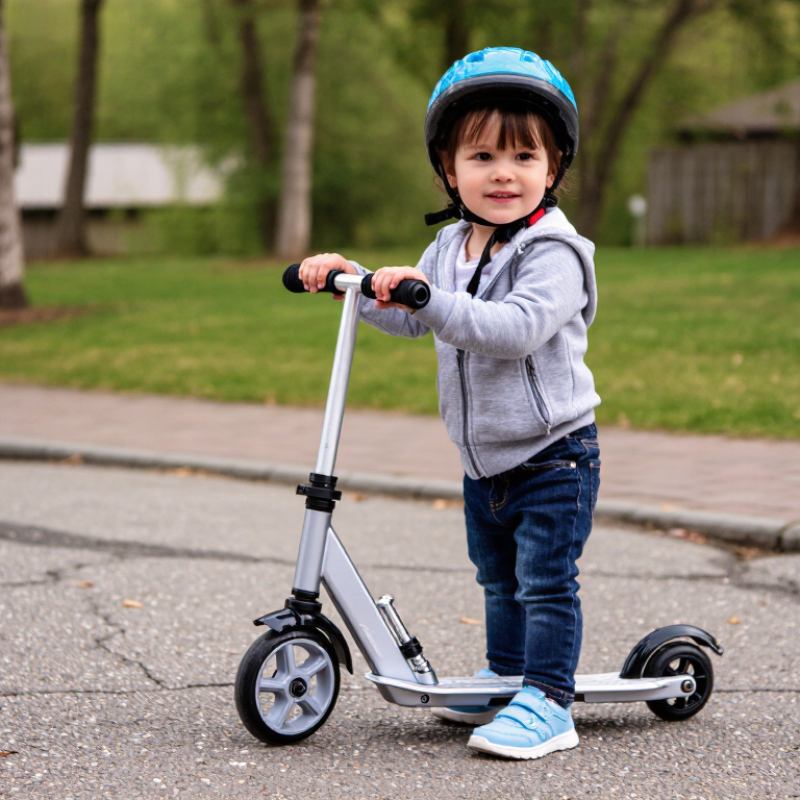
Choosing a tricycle scooter starts with the rider, not the color or folding mechanism. Age provides a useful starting point, but it does not tell the whole story. A confident four-year-old may control steering better than an older beginner. Watch how the rider balances, pushes, stops, and reacts to small changes. Short test. Feet should reach the deck comfortably. Hands should grip the handlebar without raised shoulders. For younger children, a wide, stable base can reduce sudden wobbles. Adult supervision remains important during early practice.
Skill level should guide the scooter’s complexity. Beginners benefit from predictable steering, moderate speed, and responsive braking. Experienced riders may prefer sharper turning and a lighter frame. However, advanced features can distract a nervous child. Ask the rider to perform three simple actions: start slowly, turn around a cone, and stop before a line. These actions reveal more than a product description. I have seen riders blame poor balance when the handlebar was simply too high. Fit matters. Recheck it after a few weeks, because children grow quickly.
Intended use also changes the right choice. For short neighborhood rides, prioritize stability, visibility, and easy carrying. For smooth park paths, wheel quality and turning response deserve closer attention. Rough surfaces demand caution; small wheels can catch on cracks and loose gravel. Measure the storage space before buying. A scooter that stays indoors is more likely to be maintained. Think about weather, distance, and who will supervise. My own selection mistake was focusing on speed and overlooking stopping space. That lesson still influences every fitting decision.
How to Choose the Best Tricycle Scooter?
A tricycle scooter should feel stable before it feels fast. Compare the wheel layout carefully. Two front wheels usually provide stronger resistance against sideways tipping. One front wheel can feel lighter during turns. A wider front track may improve balance, but it can reduce turning space. Steering feel matters. Test it slowly.
The handlebar system also changes control. Direct steering feels familiar and responds quickly. Tilt steering can make cornering smoother, though beginners may overcorrect. Look for a low deck, a long wheelbase, and grippy tires. These features help keep the center of gravity lower. Check the brake position while wearing ordinary shoes. The CPSC estimated 51,700 emergency-department-treated injuries linked to e-scooters in 2022. Its report does not isolate tricycle scooters, so buyers should avoid treating that figure as a product-specific risk. ASTM F2264 provides safety requirements for non-powered scooters, including steering and braking considerations. Use it as a reference, not a substitute for a hands-on check. The three-wheel promise is not absolute. A narrow rear axle, loose steering, or a high deck can still feel unstable. I would question any model that feels impressive only on a smooth showroom floor. Test it over small pavement joints, gentle turns, and a controlled stop. Look for predictable movement, not dramatic speed.
This comparison uses a normalized 1–5 design index based on wheel placement, steering geometry, and typical riding behavior. Higher values indicate greater expected stability, easier steering control, or better maneuverability. Actual performance can vary with rider weight, wheel size, deck height, and road conditions.
How to Choose the Best Tricycle Scooter?
When I inspect a tricycle scooter, I start with the frame and its joining points. Steel frames usually feel stable and tolerate rough daily use, but they add noticeable weight. Aluminum is lighter and resists rust, although poorly finished joints may weaken under repeated impacts. Run your fingers along the welds. They should look even, without sharp edges or visible gaps. A sturdy frame should not twist when you press one handlebar and hold the rear wheel.
Brakes deserve a hands-on check. Squeeze each lever slowly and notice whether the scooter stops smoothly, not suddenly. The lever should fit comfortably under small fingers and remain easy to reach while turning. Test the brake on a gentle slope, then repeat it on slightly damp ground. Cable brakes need regular adjustment, while enclosed systems may need less attention. I once underestimated lever reach during a fitting check. That mistake still bothers me. A brake that works well on paper may feel awkward in real use.
Look for a wide deck, secure foot placement, and a steering limiter that prevents extreme turns. Rounded edges and covered fasteners reduce painful surprises. Check that the wheels sit firmly, without side-to-side movement. A visible safety certification can help, but it should not replace physical inspection. Ask how replacement brake parts are obtained and read the maintenance instructions carefully. Tiny details matter. Safety is never a single feature.
Fit matters. Measure the rider in shoes, then compare that height with the scooter’s handlebar range and weight limit. With both feet flat on the deck, the rider should reach the grips without shrugging or locking their elbows. A handlebar near waist height is a useful starting point, not a universal rule. Adjustable stems can accommodate growth, but check that the locking mechanism feels secure and does not slip under pressure. Also inspect the deck: shoes should sit comfortably without toes or heels hanging over its edges.
Wheel type changes how the scooter feels on real pavement. Larger wheels generally roll more smoothly over small cracks and rough paths; smaller wheels can feel more responsive on smooth surfaces but transmit more vibration. CPSC’s 2023 toy-related injury report estimated 209,500 emergency-department-treated injuries involving toys; it did not isolate tricycle scooters. That broad figure is a reminder to prioritize control, not a scooter-specific risk estimate. Test the scooter on the surfaces the rider will actually use. A tidy specification sheet can still mislead. I would recheck fit after a few months, especially if the rider’s knees begin rising sharply during turns.
Choosing the best tricycle scooter involves more than checking its color or advertised speed. Assembly can reveal its real quality. A clear manual, labeled parts, and pre-fitted brakes reduce mistakes during setup. Tighten every bolt evenly, then test the steering on a flat surface. Do not guess. A loose handlebar can affect balance and confidence.
Maintenance needs also shape daily value. Inspect the wheels, brake cables, and folding joints every few weeks. Wipe away sand after outdoor rides, especially around the bearings. Inflatable tires may need regular pressure checks, while solid wheels usually demand less attention. Still, they can feel harsher on cracked pavement. My experience is that simple access matters more than clever design. If a parent needs special tools for a basic adjustment, routine care may be ignored.
Overall value depends on ownership costs, not only the purchase price. Consider replacement wheels, brake parts, tools, and the time needed for repairs. A sturdy frame may justify a higher price if it stays stable after months of use. However, heavier construction can make carrying it upstairs frustrating. That trade-off is easy to overlook. Read the adjustment instructions before buying, and check whether spare parts are realistically available. A scooter that is easy to assemble, inspect, and repair often delivers better value than a cheaper model with hidden maintenance demands.
| Comparison Factor | Basic Kick Tricycle Scooter | Foldable Tricycle Scooter | Electric Tricycle Scooter |
|---|---|---|---|
| Typical rider | Children or adults seeking simple, foot-powered riding; check the model’s stated age and weight limits. | Riders who need to store or carry a scooter more easily; folding mechanisms vary by model. | Riders seeking motor-assisted travel; suitability depends on local rules, age requirements, and the model’s specifications. |
| Assembly | Usually involves attaching the handlebar and checking the wheels, fasteners, and steering before use. | May require the same initial setup as a basic model, plus careful inspection of the folding latch. | May require more setup, including handlebar or seat assembly and checks of the battery, wiring, and controls. |
| Assembly difficulty | Low to moderate, depending on how much of the scooter arrives assembled. | Low to moderate; confirm that the folding joint locks securely before each ride. | Moderate; follow the manual closely and do not ride if electrical connections or controls appear damaged. |
| Routine maintenance | Inspect wheels, steering, brakes if fitted, and fasteners; clean dirt from moving parts. | Perform basic checks and regularly inspect the hinge, latch, and locking points for wear or looseness. | Perform mechanical checks and follow the manual’s guidance for battery charging, storage, and electrical inspection. |
| Likely upkeep needs | Generally simple: keep components clean and replace worn wheels or other serviceable parts as needed. | Similar to a basic model, with added attention to the folding hardware. | Potentially higher: battery capacity can decline over time, and electrical or motor repairs may require specialist service. |
| Portability and storage | Depends on the frame and whether the handlebar can be removed; check folded or stored dimensions. | Designed to fold, but actual carrying weight and folded size vary by model. | Often heavier than non-electric types because of the motor and battery; compare weight and storage dimensions. |
| Running costs | No charging costs; ongoing expenses mainly come from replacement parts and wear. | No charging costs; folding hardware may add a component to inspect or replace. | Includes electricity for charging and possible battery replacement; actual costs depend on use and battery life. |
| Overall value | Often a practical choice when low complexity and straightforward maintenance matter most. | Can offer added convenience for commuting or limited storage, if the folding feature is used regularly. | May suit riders who benefit from motor assistance, but a higher purchase price and battery upkeep should be considered. |
| What to check before buying | Rider weight limit, wheel material, steering stability, brake equipment, and availability of replacement parts. | Folding-lock security, frame stability, folded dimensions, carrying weight, and replacement-part availability. | Battery specifications, charging instructions, braking system, local regulations, warranty coverage, and service support. |
Specifications and maintenance requirements differ by model. Always follow the manufacturer’s instructions, check the scooter before riding, and use appropriate protective equipment.
Not always. Two front wheels can resist sideways tipping, but a narrow rear axle or high deck may still feel unstable.
A wider front track can improve balance but needs more turning space. One front wheel may feel lighter during turns.
Try gentle turns at low speed. Direct steering responds quickly, while tilt steering may feel smoother but can invite overcorrection. Test it slowly.
The rider should reach the grips without shrugging or locking their elbows. Their shoes should fit fully on the deck.
Compare the rider’s height in shoes with the handlebar range and weight limit. Check that the adjustable stem locks firmly. Fit can change.
Larger wheels generally roll more smoothly over small cracks. Smaller wheels can feel more responsive on smooth paths but transmit more vibration.
Try it on familiar pavement, including small joints, gentle turns, and a controlled stop. Look for predictable movement, not speed.
No. Check the brake position with ordinary shoes, and inspect steering for looseness. I would not trust a showroom-floor test alone.
Choosing the right Tricycle Scooter starts with the rider. Consider their age, balance, experience, and where they plan to ride, since a scooter for casual neighborhood trips may differ from one intended for frequent outdoor use. Compare designs for stability and steering: a wider stance and predictable handling can help newer riders feel more secure, while the scooter should still be easy to turn and control.
Next, check the frame material, braking system, and other safety features, then make sure the scooter’s size and adjustable parts suit the rider now and allow room for growth. Wheel type can affect comfort and performance on different surfaces, so match it to the places the scooter will be used. Finally, consider how straightforward assembly and routine maintenance will be, along with the scooter’s overall value. A thoughtful comparison of these factors can help you choose a comfortable, dependable option that fits the rider’s needs.

Asian Dragon