In recent years, the demand for electric tricycles has surged in the business sector. Experts are recognizing their unique benefits. According to David Thompson, a leading consultant in green transportation, "Electric tricycles offer businesses a sustainable solution for last-mile logistics." This statement underscores the vital role electric tricycles can play in today's eco-conscious market.
These vehicles combine efficiency with reduced carbon emissions. Businesses can transport goods more effectively in urban environments. Many cities are congested, making traditional delivery methods challenging. Electric tricycles have the maneuverability to navigate through tight spaces. They are also easier to park compared to larger vehicles, saving time for business operations.
Despite the advantages, challenges exist. Initial costs can be significant for small businesses. Some may hesitate to adopt this technology. Yet, as Thompson notes, investing in electric tricycles can lead to long-term savings. Operational costs are generally lower than conventional delivery methods. Organizations can also improve their brand image by embracing green alternatives. Electric tricycles not only enhance efficiency but also reflect a commitment to sustainability.
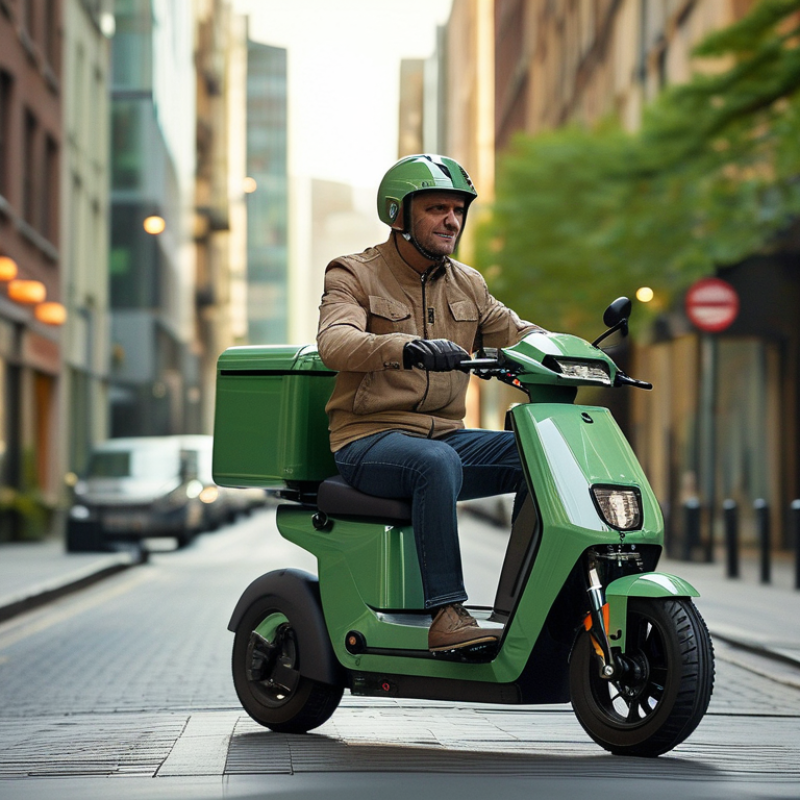
Benefits of Electric Tricycles in Reducing Operational Costs for Businesses
The rise of electric tricycles is a game-changer for many businesses.
These eco-friendly vehicles not only enhance mobility but also help in reducing operational costs significantly.
According to recent industry reports, companies that switch from traditional vehicles to electric tricycles can save up to 40% on fuel costs.
This reduction is particularly beneficial for businesses with last-mile delivery services, where efficiency is crucial.
Electric tricycles have lower maintenance costs compared to conventional vehicles.
The average annual maintenance cost for electric vehicles is approximately $300 less
than that of gasoline-powered alternatives. These tricycles also require less frequent servicing due to fewer moving parts.
This translates into reduced downtime and improved logistics.
Additionally, with the growing focus on sustainability, businesses can enhance their brand image and attract eco-conscious customers.
However, businesses may face challenges when integrating electric tricycles.
Initial costs can be high, and there may be a learning curve for employees.
Yet, the long-term savings can outweigh these initial hurdles.
Examining data on usage patterns can help businesses tailor their operations to maximize benefits.
Electric tricycles aren’t just a trend; they represent a sustainable shift
in how companies can operate efficiently and cost-effectively.
Enhancing Delivery Efficiency with Electric Tricycles' Versatile Design
Electric tricycles provide significant advantages for businesses focused on delivery efficiency. Their versatile design allows for easy maneuverability in urban environments. According to a recent study by the International Council on Clean Transportation, electric vehicles can reduce delivery costs by up to 50%. This cost-effectiveness stems from lower energy expenses and reduced maintenance requirements.
Additionally, these tricycles support diverse cargo types. They can transport goods ranging from food deliveries to larger packages, accommodating various business needs. The lightweight design minimizes energy consumption, allowing for more frequent deliveries. The potential for operating within low-emission zones makes them an appealing choice for businesses aiming for sustainability.
However, businesses must consider the challenges as well. Range limitations persist, potentially affecting routes. Not every location is accessible by electric tricycles. Addressing these constraints involves strategic planning and invested resources. While the benefits are clear, adapting to this technology requires ongoing assessment of operational efficiency.
Environmental Impact: Tricycles and Their Role in Sustainable Logistics
The environmental impact of electric tricycles is significant in sustainable logistics. According to a 2021 report by the International Energy Agency, electric vehicles can reduce greenhouse gas emissions by up to 70% compared to traditional vehicles. Electric tricycles, with their ability to navigate narrow urban streets, offer a practical solution for last-mile delivery. They contribute to lower air pollution and noise levels in densely populated areas.
Data from the European Cyclists’ Federation indicates that electric cycles can reduce carbon footprints by approximately 30%. This shift can encourage businesses to adopt greener logistics practices. However, challenges remain. Charging infrastructure is often insufficient in urban centers. Additionally, the initial investment cost for electric tricycles may deter some businesses. Research shows that 40% of companies cite this as a barrier to entry.
Despite these obstacles, the potential for long-term savings is notable. Electric tricycles have lower operational costs than gasoline-powered vehicles. Maintenance expenses are also generally lower. As awareness grows, electric tricycles could transform how businesses approach transportation and deliveries. Embracing this eco-friendly option may require reflection on current practices and willingness to adapt to a sustainable future.
Safety and Accessibility: The Advantages of Electric Tricycles in Urban Areas
Electric tricycles are becoming popular in urban areas. They provide numerous safety and accessibility benefits. Their design makes them stable, which is crucial for city riding. Riders feel secure as they navigate through traffic. In addition, their low speed is suitable for crowded streets. This allows for a safer experience for both riders and pedestrians.
Accessibility is another key advantage. Electric tricycles cater to various individuals, including the elderly and those with mobility challenges. They offer a comfortable ride without requiring extensive physical effort. Many models come with added features, like ramps or wider seating. This inclusivity fosters a sense of community and promotes environmentally friendly transportation.
However, challenges exist. Some users worry about battery life and charging options. Urban areas may lack sufficient charging stations, causing inconvenience. Riders might also face unpredictable weather conditions, impacting their experience. Addressing these issues can enhance the utility of electric tricycles for businesses. By analyzing user feedback, manufacturers can continue to improve safety and accessibility features.
Top 10 Benefits of Using Electric Tricycles for Business
| Benefit |
Description |
Impact on Business |
Accessibility |
| Improved Safety |
Lower accident rates due to stability and visibility. |
Enhances brand image as a safe choice. |
Accessible to various users including the elderly. |
| Cost Efficiency |
Lower fuel costs compared to gasoline vehicles. |
Increased profit margins through reduced operating costs. |
Economic alternatives for low-budget operations. |
| Environmental Benefits |
Zero emissions contribute to cleaner air quality. |
Attracts eco-conscious customers. |
Promotes accessibility in eco-friendly urban planning. |
| Enhanced Mobility |
Ability to navigate congested urban areas easily. |
Faster delivery times leading to increased customer satisfaction. |
Easier access to hard-to-reach places. |
| Increased Storage Capacity |
Larger cargo space compared to bicycles. |
Able to carry more goods per trip. |
Suitable for delivery services requiring more capacity. |
| User-Friendly Design |
Easy to operate with minimal rider skill required. |
Attracts more workers to use the vehicles. |
Accessible for individuals with disabilities. |
| Regulatory Benefits |
Often subject to fewer regulations than cars. |
Easier to register and operate in urban settings. |
Encourages urban compliance with transportation laws. |
| Community Engagement |
Promotes local engagement through visible operations. |
Builds a positive community relationship. |
Increases visibility among diverse demographics. |
| Low Maintenance Costs |
Less wear and tear compared to traditional vehicles. |
Saves money on repairs and upkeep. |
More sustainable for long-term use in the community. |
| Technological Integration |
Ability to incorporate smart technologies (GPS, apps). |
Enhances operational efficiency. |
Improves overall accessibility to services. |
Market Trends: Growing Adoption of Electric Tricycles in Various Industries
The adoption of electric tricycles is on the rise across various sectors, driven primarily by their efficiency and sustainability. In 2022, sales of electric tricycles in the commercial sector reached approximately 200,000 units in North America alone, showing a notable increase of 30% from the previous year. This trend indicates a growing recognition of e-trikes as a viable transportation solution.
Industries such as food delivery, logistics, and even tourism are leveraging electric tricycles for their operations. A study by the Business Research Institute found that over 65% of delivery companies reported reduced fuel costs after switching to electric options. The immediate return on investment is enticing; companies can save significantly on maintenance and operational expenses. However, challenges remain as the initial purchase price can deter some businesses.
Additionally, the need for suitable charging infrastructure often complicates widespread adoption. In urban areas, the limitation of charging stations can hinder the transition. As with any emerging technology, uncertainties about performance under different conditions can also lead to hesitancy. Nevertheless, the shift toward electric tricycles appears increasingly necessary, driven by environmental concerns and the need for innovative transport solutions.
Top 10 Benefits of Using Electric Tricycles for Business
FAQS
: Electric tricycles can reduce greenhouse gas emissions by up to 70% compared to traditional vehicles.
They navigate narrow streets easily and decrease air pollution and noise in urban areas.
Electric cycles can reduce carbon footprints by about 30% and encourage greener logistics.
Insufficient charging infrastructure and high initial investment costs can deter businesses.
They have lower operational and maintenance costs compared to gasoline-powered vehicles.
Food delivery, logistics, and tourism are using electric tricycles for their operations.
Sales reached approximately 200,000 units, a 30% increase from the previous year.
Limited charging stations and uncertainty about performance in different conditions hinder widespread use.
Many companies report significant savings on fuel costs after switching to electric options.
Companies need to reflect on current practices and be willing to adapt for a sustainable future.
Conclusion
Electric tricycles are becoming increasingly popular in business due to their numerous benefits. One of the key advantages is the reduction in operational costs. Their efficient energy consumption allows businesses to save on fuel expenses, while their low maintenance needs further contribute to cost savings. Additionally, electric tricycles boast a versatile design that enhances delivery efficiency, making them ideal for urban environments with narrow streets and heavy traffic.
Moreover, electric tricycles play a significant role in promoting sustainable logistics by minimizing environmental impact. Their electric power reduces emissions, aligning with the growing focus on eco-friendly practices. Furthermore, these vehicles improve safety and accessibility in cities, providing an effective transportation solution for both goods and services. As market trends indicate a rising adoption of electric tricycles across various industries, they represent a promising and responsible choice for future business operations.

 Asian Dragon