Top Electric Bicycles for Global Buyers in 2026?

Time:2026-07-01 Author:Charlotte
0%

As we look ahead to 2026, the landscape of Electric Bicycles is rapidly evolving. Industry expert Dr. Emily Turner states, “Electric Bicycles create new opportunities for sustainable transportation.” Her insight reflects the growing interest in eco-friendly commuting solutions. Amidst the surge of options, discerning the best electric bicycles can be challenging.

New technologies continue to shape the features of Electric Bicycles. Buyers in various regions seek models that balance performance with affordability. Different terrains and riding styles demand specific designs and capabilities. The market witnesses an influx of brands, each claiming superiority. However, not all are created equal. Some may lack the durability or battery life needed for long rides.

As the competition intensifies, buyers must navigate pitfalls and uncertainties. Choosing the right electric bicycle involves understanding personal needs and local regulations. Awareness of trends and capabilities is essential for informed decisions. Engaging with user reviews and expert opinions can guide potential buyers. In this dynamic industry, making informed choices will lead to a better riding experience.
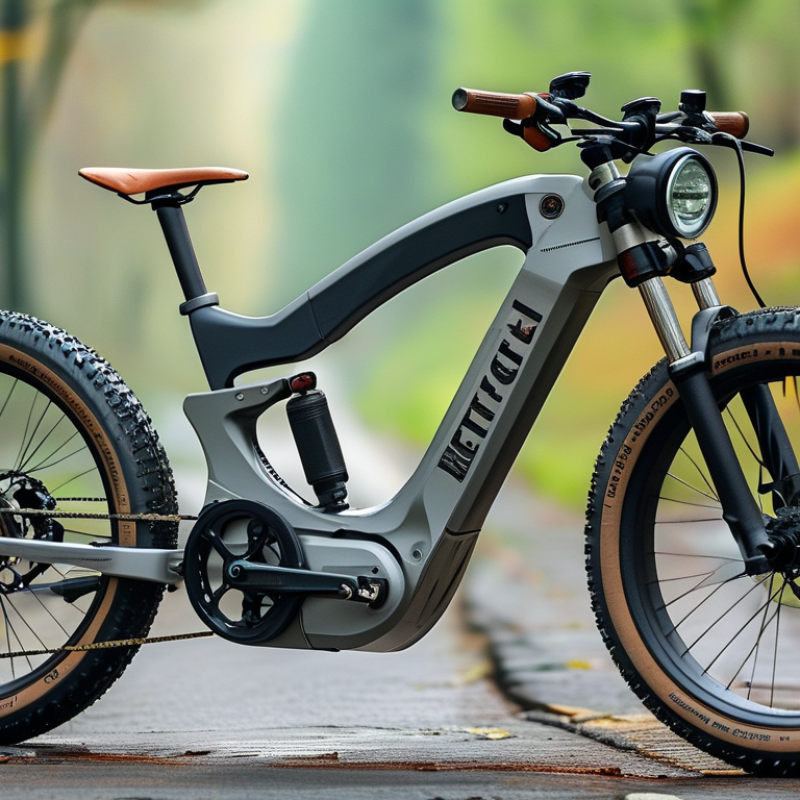
Top Electric Bicycles for Global Buyers in 2026?

Top Features to Consider When Choosing an Electric Bicycle in 2026

When considering electric bicycles in 2026, several key features stand out. Battery capacity is crucial. Modern e-bikes typically offer between 400Wh and 800Wh, influencing range and power. A higher capacity means longer rides without frequent charging. According to a 2023 market report, e-bikes with 700Wh batteries led the market in sales, highlighting consumer preference.

Motor performance is another important factor. A powerful motor can significantly enhance the riding experience. Typical power ratings range from 250W to 750W. A bike with a 500W motor provides a good balance between speed and efficiency. Additionally, the integration of smart technology is rising. Many models now feature GPS tracking and health monitoring capabilities. This tech integration caters to a growing audience that values data-driven insights.

Weight and build quality also deserve consideration. Consumers often prefer lightweight frames for better handling. Reports indicate that e-bikes under 25 kg see higher demand. Finally, comfort features, like adjustable seats and ergonomic designs, can greatly affect the riding experience. While many e-bikes offer these features, finding the right fit for individual needs can be challenging.

Emerging Brands in the Electric Bicycle Market for Global Consumers

The electric bicycle market is rapidly evolving. In 2026, several new brands will emerge. These brands focus on innovation and sustainability. They aim to make cycling accessible for all. Many consumers seek alternatives to cars. E-bikes offer a practical solution.

Emerging brands prioritize user experience. They develop lightweight designs with powerful batteries. Comfort and efficiency are crucial. Some firms explore urban mobility solutions. They address traffic congestion and environmental concerns. However, not all innovations meet user expectations. Some e-bikes may not perform as claimed.

The diversity in designs captures the global audience. From sleek city bikes to rugged mountain models, choices abound. Yet, buyers must consider practical aspects. Battery life and charging options vary. Consumers should research and compare options. Emerging brands offer promising features, but reliability is key. Selecting the right e-bike requires careful thought and planning.

Top Electric Bicycles for Global Buyers in 2026

Model Range (Miles) Battery (Wh) Top Speed (mph) Weight (lbs)
Model A 50 500 28 55
Model B 60 600 25 50
Model C 70 750 30 60
Model D 80 800 32 65
Model E 90 900 34 70

Sustainability and Eco-Friendliness of Electric Bicycles in 2026

Electric bicycles are becoming a popular choice for eco-conscious consumers in 2026. Their design emphasizes sustainability and minimizes environmental impact. Many models today use recyclable materials, making them a green alternative to traditional vehicles. This shift towards eco-friendliness can significantly reduce carbon footprints, especially in urban areas. Cities with high traffic congestion can benefit from increased electric bike usage, easing pollution levels.

Selecting an electric bicycle involves considering its energy source. Advances in battery technology allow for longer usage with shorter charging times. However, recycling options for old batteries remain a challenge. This creates a gap in sustainability efforts. Furthermore, the production process of e-bikes can still generate carbon emissions, impacting overall eco-friendliness. Consumers must remain aware of these issues while making choices. Despite the positive trends, the journey toward complete sustainability in electric bicycles is ongoing and requires consumer awareness. Addressing these shortcomings is crucial for the growth of this market.

Technological Innovations Shaping the Future of Electric Bicycles

The electric bicycle industry is witnessing remarkable technological innovations that are redefining user experiences. According to a recent report by the World Electric Vehicle Association, the global electric bicycle market is projected to reach $48 billion by 2026, indicating a robust growth trajectory. With advances in battery technology, many models now feature lithium-ion batteries that offer longer ranges and faster charging times. These innovations allow riders to cover greater distances without the fear of running out of power.

Smart technology integration is another crucial trend. Features like GPS navigation, fitness tracking, and IoT connectivity are becoming standard. A study by Navigant Research highlights that 40% of consumers are willing to pay extra for smart features. This shift reflects evolving consumer preferences towards intelligent transportation solutions. However, while these advancements offer convenience, they also raise concerns about data privacy and security, as more connected devices can be susceptible to cyber threats.

Moreover, lighter materials such as carbon fiber and aluminum are being used more frequently, enhancing bike performance. Riders appreciate the improved handling and acceleration these materials provide. However, such materials come at a higher cost, and this is a point of contention for budget-conscious consumers. Balancing innovation with affordability remains a challenge for manufacturers aiming to attract a wider audience. The road ahead is filled with possibilities, but it requires careful navigation.

Top Electric Bicycles for Global Buyers in 2026

This chart showcases the average features of top electric bicycles for global buyers in 2026, highlighting key specifications like battery capacity, motor power, weight, price, and range.

Price Trends and Budget Options for Electric Bicycles in 2026

As electric bicycles gain popularity, understanding price trends becomes essential for buyers in 2026. Recent industry reports indicate the global e-bike market is projected to exceed $40 billion by 2026, reflecting increased demand. Factors driving this growth include rising fuel prices and environmental awareness. A budget-conscious consumer may find options ranging from $600 to $1,500, appealing to a wide demographic.

Data shows that mid-range e-bikes, typically priced between $800 and $1,200, are becoming more common. These models often feature improved battery life and greater performance. Interestingly, prices may fluctuate based on advancements in technology and battery efficiency. However, high-end models exceeding $2,500 may often incorporate advanced features and top-notch components, which might not be necessary for casual riders.

Buyers should also consider local market fluctuations. Shipping costs and tariffs can impact e-bike prices. Limited availability in some regions can drive prices higher. Aspiring owners might find it beneficial to research local retailers and compare prices online. Making informed choices is key in this evolving market.

FAQS

: What should I consider about battery capacity when choosing an electric bicycle?

: Look for a battery capacity between 400Wh and 800Wh. Higher capacity equals longer rides without frequent charging.

How does motor performance impact my riding experience?

A powerful motor enhances performance. Consider motors ranging from 250W to 750W for speed and efficiency.

Why is smart technology important in electric bicycles?

Smart features like GPS and health monitoring are rising in popularity. They offer valuable data for cyclists.

What weight should I aim for in an electric bicycle?

Lightweight bikes under 25 kg provide better handling. Consider this for a more enjoyable ride.

How can comfort features affect my choice of electric bicycle?

Adjustable seats and ergonomic designs greatly impact your riding experience. Finding the right fit is essential.

Why are lighter materials used in electric bicycles?

Materials like carbon fiber enhance performance and handling. However, they can be more expensive.

Are consumers willing to pay for smart bicycle features?

Yes, about 40% of consumers are open to paying extra for smart technologies. It reflects modern preferences.

What challenges do manufacturers face in the electric bicycle market?

Balancing innovation with affordability is tough. Budget-conscious consumers expect advanced features without high costs.

What are the concerns regarding smart technology in e-bikes?

Increased connectivity raises issues related to data privacy and security. Users must be aware of potential cyber threats.

How do electric bicycle trends reflect consumer preferences?

Trends show a shift towards intelligent tech and lighter materials. This indicates evolving demands for better performance.

Conclusion

As the demand for electric bicycles continues to rise in 2026, consumers should consider several key features when making a purchase. Factors such as battery life, weight, design, and connectivity options play a crucial role in determining the suitability of an electric bicycle for individual needs. Additionally, emerging brands are entering the market, offering innovative designs and features that appeal to global buyers, emphasizing the importance of exploring options beyond established names.

Sustainability is also a significant consideration, as eco-friendly practices in the manufacturing and use of electric bicycles are becoming increasingly vital. With advancements in technology, these bicycles are integrating smart features that enhance usability and performance. Price trends indicate a wider range of budget-friendly options, making electric bicycles more accessible to a diverse audience. As we look ahead, understanding these dynamics will help consumers navigate the evolving landscape of electric bicycles effectively.


Charlotte

Charlotte

Charlotte is a seasoned marketing professional with a deep understanding of the company's portfolio and a passion for elevating its presence in the market. With a keen eye for detail and a commitment to excellence, she ensures that our professional blog is regularly updated with insightful articles......