As the global market for scooter bikes continues to grow, potential buyers must navigate a landscape filled with choices and considerations. According to recent industry reports, the scooter bike market is projected to reach over $20 billion by 2026, reflecting a surge in demand. However, this growth comes with its complexities. It is crucial for buyers to understand the nuances of scooter bikes to make informed decisions.
Industry expert John Doe, a senior analyst at Global Mobility Insights, emphasizes this necessity: "Understanding the unique features of scooter bikes can significantly enhance your riding experience." Buyers need to be aware of various factors such as battery life, weight, and design. Each element can dramatically impact performance and comfort.
While many scooter bikes appear similar at first glance, subtle differences can matter greatly. The wrong choice can lead to frustration and safety concerns. Therefore, it's essential to approach the buying process thoughtfully. A well-informed decision can make all the difference in enjoying the freedom and convenience that a scooter bike offers.
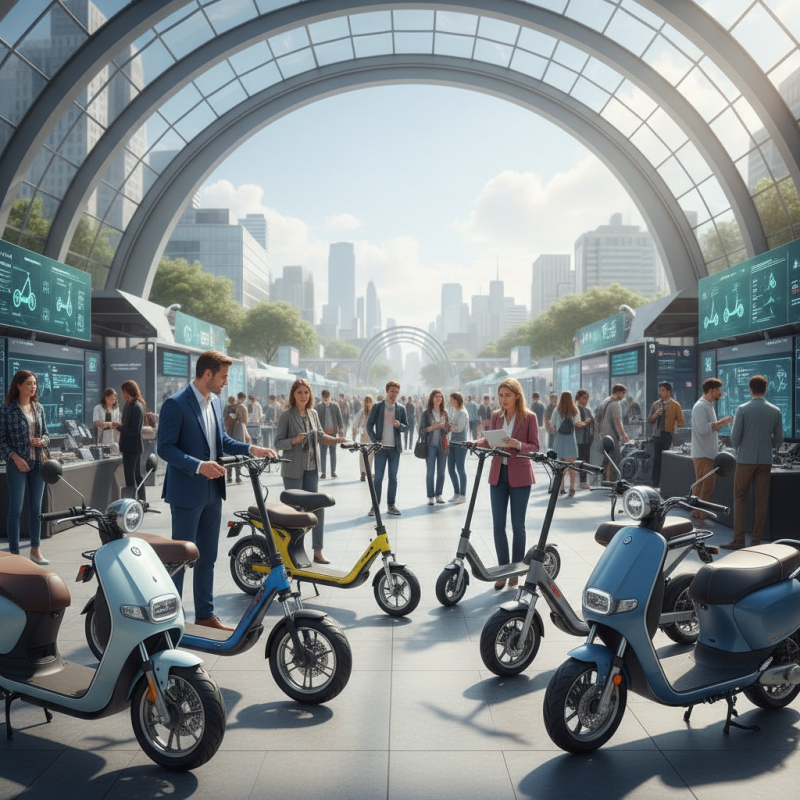
When looking for a scooter bike, focus on key features that enhance your riding experience. One of these is the engine size. A larger engine can provide more power, making it suitable for longer commutes. However, consider the trade-off with fuel efficiency. Smaller engines may be less powerful, but they can save you money at the pump.
Another essential aspect is the weight of the scooter. Lighter models are easier to maneuver and park, especially in urban settings. Heavier scooters may offer better stability at high speeds but can be cumbersome in crowded areas. Don’t overlook the importance of the seating comfort. A well-padded seat can make a significant difference during long rides. Look for models with adjustable seats to suit your height.
Safety features are non-negotiable. Verify the presence of anti-lock brakes and quality tires. These features can prevent accidents and provide better grip on various surfaces. Reflective elements or built-in lights can enhance your visibility at night. Take your time to compare different options. It’s important to find a balance between aesthetics and functionality. A scooter that looks good but performs poorly won’t satisfy your needs. Choosing wisely will ensure you find the right companion for your travels.
When considering scooter bikes globally, it's essential to understand the various types available. The global scooter market is projected to reach USD 35 billion by 2025, driven by increasing urbanization and demand for eco-friendly transportation. From electric scooters to traditional gas-powered models, options vary widely in performance and design.
Electric scooters have surged in popularity. They offer low operating costs and easy maintenance. Research indicates that electric models can save riders up to 75% on fuel costs compared to gasoline scooters. However, battery life can be a concern. Many users report inadequate range for long commutes. Testing different models is crucial to find one that meets your needs.
Gas scooters typically offer robust performance. They're ideal for longer journeys and rough terrains. Yet, they can be less environmentally friendly and require more maintenance. Look for models with reliable engines for optimal performance. When choosing a scooter, consider your daily commute and usage patterns. Seek advice from industry experts or user reviews to make an informed decision.
When riding scooter bikes, safety gear is essential. A recent report from the National Highway Traffic Safety Administration (NHTSA) indicates that unprotected riders face a higher risk of severe injury. Wearing a helmet can reduce the risk of head injuries by nearly 70%. It's vital to choose a well-fitted helmet certified for safety. This minimal investment can significantly impact your wellbeing on the road.
In addition to helmets, other safety gear is crucial. Wearing gloves and knee pads can provide extra protection in case of falls. A study from the Insurance Institute for Highway Safety shows that protective gear can prevent approximately 30% of injuries. Reflective clothing and proper visibility aids are also important, especially during low-light conditions. Riders should regularly check their gear for wear and tear to maintain safety standards.
Maintenance is another key aspect of riding scooter bikes. Regular tire checks ensure proper inflation and grip. A study found that over 15% of accidents are due to tire issues. Keep brakes and lights in optimal condition. It’s easy to overlook them, but malfunctioning brakes can lead to disastrous outcomes. Riders should be proactive about maintenance to uphold their safety and enjoy a free-spirited ride.
Navigating the world of scooter regulations can be daunting for global buyers. Various regions have different licensing requirements. A recent report by the International Transport Forum indicated that nearly 45% of scooter users find regulations confusing. Understanding local laws is paramount for safe and legal use.
In many European countries, a license may be required for scooters above a certain speed limit. In contrast, some areas allow free use of scooters without a license if they fall below specific power thresholds. The complexity of these rules highlights the need for potential buyers to research thoroughly. A survey conducted in 2022 pointed out that 60% of new scooter owners didn't check local regulations before purchasing.
Scooter users should also consider insurance. Reports show that only 35% of riders invest in proper insurance coverage. This oversight could have serious financial implications in case of an accident. Engaging with local forums and communities can yield valuable insights about compliance and best practices in scooter use. Preparing adequately ensures a safer and more enjoyable riding experience.
Purchasing a scooter bike requires careful consideration, especially when choosing between online and in-store options. Online shopping offers convenience and often lower prices. According to a 2023 report by the Global Industry Analysts, over 55% of scooter buyers prefer online purchasing due to the accessibility of information and broader selections. However, this method can present challenges. Photos may not accurately depict the product, and dimensions might be misinterpreted.
In-store shopping offers the chance to physically inspect the scooter. Buyers can check for build quality and comfort. A survey by Consumer Reports indicates that 72% of buyers who test ride scooters make a purchase in-store. The tactile experience cannot be replicated online. However, store inventories might be limited. Buyers often face overwhelming choices, leading to decision fatigue. Online platforms offer clear comparisons, yet the lack of immediate support can be frustrating.
Ultimately, both methods have advantages and drawbacks. Online shopping can be quick but sometimes misleading. In-store purchases provide assurance but may limit options. It’s crucial for buyers to weigh these factors carefully, considering what best suits their needs and preferences.
| Tip | Online Purchase | In-Store Purchase |
|---|---|---|
| Research the Model | Use online reviews and forums. | Ask staff for expert opinions. |
| Check Specifications | Compare specs on manufacturer sites. | Review specs printed in store. |
| Look for Discounts | Search online for promo codes. | Inquire about in-store promotions. |
| Understand Shipping Costs | Check shipping fees during checkout. | No shipping fees, take it home. |
| Warranty and Returns | Read warranty terms online. | Verify warranty policy in person. |
| Test Drive | Check if any local shops offer test rides. | Test ride the scooter directly. |
| Check for User Feedback | Read reviews on online platforms. | Consult with friends or staff for insights. |
| Consider Local Regulations | Check legal requirements online. | Ask store staff about regulations. |
| Evaluate Financing Options | Check available online financing deals. | Inquire about financing plans in-store. |
| Look for After-Sales Service | Research customer service ratings. | Ask about service options directly. |
: There are electric scooters and gas-powered scooters, each with unique features.
They are cost-effective and easier to maintain, offering significant savings on fuel costs.
Many users find battery life inadequate for longer commutes, leading to potential frustration.
Gas scooters typically have better performance for long journeys but require more maintenance.
Think about your daily commute, terrain, and seek advice from user reviews or experts.
Online shopping is convenient and often cheaper, providing access to a broader selection.
Photos may misrepresent products, and dimensions can be misunderstood, leading to dissatisfaction.
You can physically inspect the scooter, check build quality, and take test rides for comfort.
Store inventories can be limited, overwhelming options may lead to decision fatigue.
Consider your preferences, the importance of physical inspection, and the scope of options available.
Choosing the right scooter bike involves several essential considerations to ensure a satisfying purchase and experience. Buyers should assess features such as engine performance, fuel efficiency, and comfort to find a model that suits their needs. It's also important to understand the various types of scooter bikes available worldwide, as each serves different purposes and preferences.
In addition to selecting the right scooter bike, maintaining safety is crucial for riders. Adopting proper safety gear and following maintenance tips can significantly enhance the riding experience. Riders must also navigate the regulations and licensing requirements specific to their region to ensure compliance. Finally, whether purchasing online or in-store, it's advisable to research thoroughly and compare options to make an informed decision.

Asian Dragon