Choosing an electric scooter for international use requires more than comparing prices and advertised speed. The Top 10 Tailg Electric Scooter models should be judged through practical details that affect daily travel. These include battery capacity, realistic range, charging time, braking response, tire size, lighting, storage, and rider comfort. A scooter that performs well on smooth streets may feel less stable on broken pavement or steep roads. Small details matter. A strong frame, clear display, and accessible service network can reduce ownership problems over time.
This guide examines selected Tailg models from a global buyer’s perspective. It considers commuting distance, climate, road conditions, passenger needs, and maintenance expectations. Claimed range is treated carefully because rider weight, temperature, hills, and riding speed can change results. The Tailg Electric Scooter name may suggest one consistent experience, yet model specifications and regional configurations can differ. Buyers should verify the exact battery, motor rating, warranty, charger, and safety equipment before ordering. Local requirements also matter, including helmet rules, registration, lighting standards, and permitted road use.
The comparison is useful, but not perfect. Product availability can change quickly. Dealer support may be stronger in one country than another. Some specifications may appear attractive on paper but feel ordinary during a crowded commute. That is worth remembering. Real ownership involves charging habits, weather, storage space, and repair access. By weighing these practical factors with published specifications, global buyers can make a clearer and more responsible shortlist.
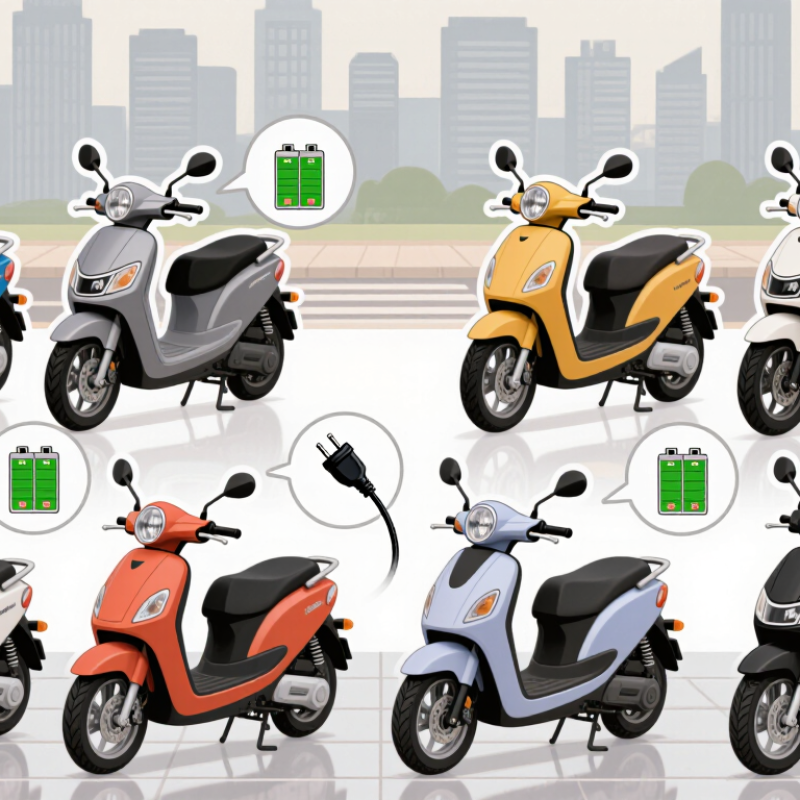
Understanding this electric scooter range requires more than counting ten models. The manufacturer began with practical urban mobility, focusing on compact frames, accessible controls, and low running costs. That background helps explain its appeal in markets where short commutes meet crowded streets. From a rider’s view, details matter. A stable deck, bright lighting, predictable braking, and replaceable components can influence daily confidence. These are not glamorous features. Yet they often determine whether a scooter survives wet mornings, rough pavement, and repeated charging.
Across the top ten models, positioning appears built around choice rather than one universal design. Some prioritize portability for apartment users, while others offer larger tires and stronger suspension for uneven roads. Battery capacity, charging time, rider weight limits, and service access should be compared together. A long range figure means little when hills, cold weather, or heavy loads reduce real performance. Global buyers also need local compliance, warranty clarity, spare-part availability, and dependable dealer training. Those checks reveal a more professional market strategy. Sales reach alone is not authority.
The company’s international position rests on balancing affordability with consistent engineering and responsible support. Regional distribution can improve access, but after-sales quality may differ sharply between countries. That weakness deserves attention. Independent testing, transparent specifications, and documented safety procedures make purchasing decisions more reliable. Still, no model fits every rider. A cautious buyer should test steering response, braking feel, folding action, and charger compatibility before paying. Even experienced reviewers can overvalue specifications and overlook everyday inconvenience. That is where the range remains open to improvement.
| Rank | Model Configuration | Typical Buyer Segment | Motor Output | Claimed Range | Charging Time | Max. Load | Wheel Size | Portability Profile | Global Market Fit |
|---|---|---|---|---|---|---|---|---|---|
| 1 | Compact City Commuter | Short urban trips | 250–350 W | 25–35 km | 4–6 hours | 100–120 kg | 8–8.5 in | Lightweight; quick-fold frame | High-density cities |
| 2 | Long-Range Urban | Daily commuters | 350–500 W | 35–50 km | 5–8 hours | 110–130 kg | 10 in | Moderate weight; reinforced stem | Mixed urban routes |
| 3 | Dual-Suspension Commuter | Uneven-road riders | 500–800 W | 40–60 km | 6–9 hours | 120–140 kg | 10 in | Heavier; front and rear suspension | Rough city surfaces |
| 4 | High-Torque Hill Model | Hilly-city commuters | 500–800 W | 30–45 km | 6–9 hours | 120–140 kg | 10 in | Sturdy deck; lower portability | Hilly and elevated areas |
| 5 | Removable-Battery City Model | Apartment and office users | 350–500 W | 30–45 km | 4–7 hours | 100–125 kg | 8.5–10 in | Battery-assisted carrying | Buildings without charging bays |
| 6 | All-Weather Commuter | Year-round riders | 350–600 W | 35–50 km | 5–8 hours | 110–130 kg | 10 in | Fenders, sealed controls, moderate weight | Variable-weather markets |
| 7 | Cargo-Ready Utility Model | Local deliveries and errands | 500–800 W | 30–50 km | 6–9 hours | 130–160 kg | 10–12 in | Extended deck; limited folding | Last-mile logistics |
| 8 | Fleet-Sharing Configuration | Rental and shared mobility | 350–600 W | 35–55 km | 5–8 hours | 100–130 kg | 10 in | High-durability frame; service access | Shared-mobility fleets |
| 9 | Performance Street Model | Experienced recreational riders | 800–1,000 W | 35–55 km | 7–10 hours | 120–150 kg | 10–11 in | Performance-focused; comparatively heavy | Open-road recreation |
| 10 | Entry-Level Value Model | First-time buyers | 250–350 W | 20–30 km | 4–6 hours | 100–120 kg | 8–8.5 in | Simple folding mechanism; low ownership cost | Price-sensitive markets |
Compare battery capacity, real-world range, charging time, rider limits, braking, comfort, and service access. A longer range claim may shrink on hills, in cold weather, or with heavy loads.
It matters more than a perfect showroom number. Record distance during a normal commute, including traffic, slopes, wind, and repeated stops. Advertised figures can mislead.
A stable deck, wider footboard, low step, and clear controls support confident riding. Larger pneumatic tires can soften cracked pavement. Small wheels may turn faster but feel harsher.
Look for reliable disc or drum brakes, bright front and rear lights, and predictable braking response. Test stopping distance carefully. Wet roads change the feeling.
Suspension can reduce vibration on uneven streets, but poor tuning may feel loose. A simpler design might feel more controlled. It depends on the road.
Check folded size, carrying weight, folding-joint stability, and indoor storage space. A lightweight scooter is easier near stairs and narrow hallways. Portability has trade-offs.
Battery life depends on temperature, charging habits, load, and usage patterns. Avoid judging durability from capacity alone. My comparison would still be imperfect.
Confirm warranty terms, replacement-tire prices, charger compatibility, spare parts, and nearby repair support. Regional support can vary sharply. Sales reach is not proof of dependable service.
No. Test steering response, hill performance, tire grip, braking feel, and daily comfort. A fast scooter may feel less forgiving. The quickest option is not always best.
This guide explores the growing global appeal of the Tailg Electric Scooter and explains how buyers can compare models with confidence. It introduces the product range, market positioning, and the main factors that influence purchasing decisions, including design, motor performance, riding comfort, build quality, portability, and everyday practicality. The top 10 models are evaluated according to different user needs, from short urban commutes and compact storage to longer daily journeys and more demanding road conditions.
Readers will also find a clear comparison of battery capacity, estimated range, charging convenience, braking systems, lighting, suspension, and available smart functions. Because riding habits, local conditions, budget, and regulations vary between countries, the guide offers practical advice for selecting the most suitable Tailg Electric Scooter. By balancing performance, safety, maintenance needs, and overall value, global buyers can make a more informed choice for reliable and convenient personal transportation.

 Asian Dragon