What Are the Top Types of Bikes and Scooters?

Time:2026-10-30 Author:Ethan
0%

Choosing between a bicycle and a scooter depends on where you ride, how far you travel, and what you carry. This guide explores popular options, from road, mountain, hybrid, and electric bikes to kick scooters, electric scooters, and mobility-focused models. Each design solves a different problem. A mountain bike’s wide tires can handle rough trails, while a road bike’s lighter frame suits smooth pavement. A compact scooter may be easier to store near a desk or apartment door. Small details matter.

The phrase “Bike Scooter Bike” may look unusual, but it points to a useful comparison: bikes and scooters are not interchangeable for every rider. We’ll look at how wheel size, riding position, portability, maintenance, and typical terrain affect everyday use. We’ll also distinguish pedal-assist bikes from models that rely on a motor, since their feel and practical range can differ. No single type is best for everyone. Honestly, choosing by appearance alone is an easy mistake. A short test ride, where available, can reveal whether the handlebars, brakes, and balance feel comfortable. Check the manufacturer’s specifications and care guidance, too; claimed range and performance vary with conditions. The right choice should fit your route and your routine, not just a trend.
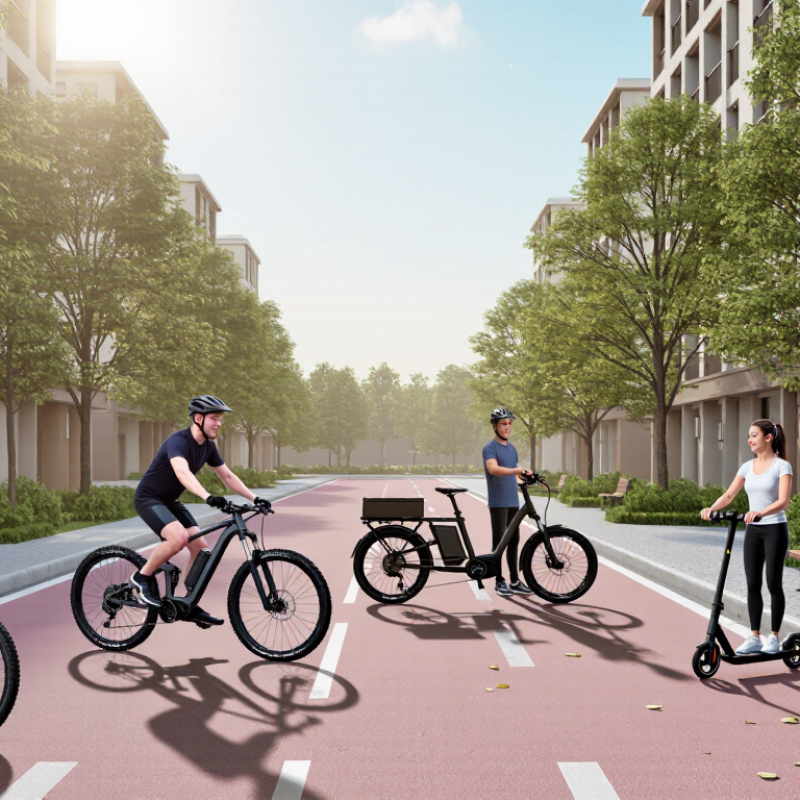
What Are the Top Types of Bikes and Scooters?

How Bikes and Scooters Are Classified

Bikes and scooters are classified by their propulsion, frame design, and intended use. Road bikes have narrow tires for smooth pavement, while mountain bikes use wider, grippier tires for rough trails. Hybrid and commuter bikes balance comfort with everyday practicality. Cargo bikes add a longer frame or sturdy rack for carrying bags and goods. Folding bikes prioritize compact storage. The labels are useful, but real designs often overlap.

Power creates another distinction. Conventional bikes rely on pedaling; electric-assist bikes add a motor, with class definitions varying by region. Scooters are commonly divided into kick scooters and electric scooters, then described by features such as wheel size, deck shape, and motor assistance.

The OECD International Transport Forum’s Safe Micromobility report examines these varied vehicle types and their different operating characteristics. Shared-use data shows why clear categories matter: NACTO recorded 133 million shared micromobility trips in the United States in 2023, across bikes and scooters. That figure describes trips, not individual riders. A hybrid bike may suit a paved commute, yet feel awkward on a rocky path; classification helps, but it cannot replace matching the vehicle to the actual route.

The Main Types of Bicycles

Bicycles differ by geometry, tires, and carrying capacity. Road bikes use drop handlebars and narrow tires, making them efficient on smooth pavement. Mountain bikes have wider, knobbier tires and stronger suspension for rough trails. Gravel bikes sit between those designs, with stable handling and tires suited to mixed surfaces. Hybrid and fitness bikes usually offer an upright position for paths and everyday rides. Labels can mislead.

Cargo bikes add extended frames or sturdy racks for children, groceries, or work equipment. E-bikes are a separate category of assistance, and they can share road, mountain, or cargo designs.

PeopleForBikes’ 2024 participation reporting estimated that 112 million Americans rode a bicycle at least once in 2023. That broad figure signals varied needs, not one ideal bicycle. Circana’s U.S. retail tracking also reported that e-bike sales remained above pre-pandemic levels in 2023, despite a year-over-year decline.

A commute with steep hills may favor electric assistance; a short trip on smooth paths may not. Fit matters, too: a frame that feels comfortable in a shop can still strain the wrists after an hour. Test the actual route, if possible.

The Main Types of Scooters

Scooters come in several forms, and each suits a different kind of trip. A kick scooter runs on human power, with a deck, handlebar, and small wheels. It is light to carry and works well for short trips on smooth paths. Rough pavement can make its small wheels feel twitchy. Simple, but not effortless.

Electric stand-up scooters add a motor and rechargeable battery. Riders should check the brakes, lights, tire condition, and stated range before setting off. Cold weather, hills, and rider weight can reduce practical range, so the advertised figure may not match a daily commute. A seated motor scooter is larger and designed for longer journeys; its controls and road requirements vary by location.

Mobility scooters are built to support people who have difficulty walking. They often have a wider seat, a stable base, and simple controls, with models suited to indoor or outdoor use. Turning space and doorway width matter as much as battery life. A glossy feature list can distract from the basics. Choose by route, storage, comfort, and control—not appearance alone.

How Bike and Scooter Types Differ

What Are the Top Types of Bikes and Scooters?

How Bike and Scooter Types Differ

Bikes and scooters differ in more than their number of wheels. A road bike has narrow tires and a forward-leaning position, which suit smooth pavement. Hybrid bikes use a more upright posture and wider tires for mixed routes. Mountain bikes have grippy tires and sturdy frames for rough trails. Cargo bikes trade some agility for space to carry bags or groceries. The right type depends on where you ride and what you need to carry.

Scooters usually have a standing deck, smaller wheels, and handlebars. Kick scooters rely on repeated pushes, while electric scooters use a motor and battery. Their compact shape can make them easier to store, but small wheels may feel less steady on cracks or loose gravel. Bikes generally offer more seated comfort on longer trips and a wider range of terrain options. Still, a familiar route can change the choice. A short, crowded trip may favor a scooter; a hilly commute may call for a bike with suitable gears. That detail is easy to overlook.

Tips: Test the fit and handling in a safe, open area. Check tire condition, brakes, and how easily the vehicle folds or stores. A model that feels awkward after five minutes probably will not feel better after an hour.

How to Choose a Type for Your Needs

Choosing a bike or scooter starts with your route, not its appearance. For smooth streets and longer rides, a road bike can feel efficient, while a hybrid offers a more upright position for mixed pavement. Mountain bikes suit rough trails, but their wide tires may feel slow on a daily commute. A kick scooter is light and simple for short, flat trips. An electric scooter or bike can help with hills and longer distances, but needs charging and secure storage. Think about carrying groceries, stairs, rain, and where you will park. Small details matter.

Tips: Test the fit before buying. Check that you can reach the brakes comfortably and put a foot down steadily. Ask about battery range under real riding conditions, not just ideal ones.

A short test ride can reveal more than a list of features. Try turning, braking, and starting on a gentle slope if possible. Notice vibration through the handlebars and whether the seat or deck feels tiring. I still think people often underestimate storage; a vehicle that will not fit near the door may become a hassle. Set aside money for a helmet, lights, and basic maintenance. Local equipment rules can vary, so check them before riding.

What Are the Top Types of Bikes and Scooters?

Typical vehicle weight by type (approximate kilograms)

Weights vary by model and equipment. Road bikes and kick scooters are generally easier to carry, while electric bikes and electric scooters are heavier. Choose based on your route, storage, portability, and whether you need electric assistance.

FAQS

How do road, hybrid, and mountain bikes differ?

Road bikes have narrow tires and a forward-leaning position for smooth pavement. Hybrids sit more upright, while mountain bikes grip rough trails. Tire choice matters.

When is a scooter more practical than a bike?

A kick scooter can suit short, flat, crowded trips. Its compact frame may fit beside a doorway. Cracks can feel rough.

Which option works best for longer rides?

Bikes usually offer more seated comfort and handle more types of terrain. Suitable gears can help on hills. Seats still need a proper fit.

What should I consider when choosing an electric model?

Check charging needs, secure storage, and realistic battery range. Ask how hills affect range. Ideal figures can mislead.

How can I choose based on my route?

Match the vehicle to the surface, distance, and hills. Wide mountain-bike tires may feel slow on a paved commute. I might overlook that too.

What should I test before choosing?

Try starting, turning, and braking in an open area. Test a gentle slope if possible. Five minutes can reveal awkward handling.

What fit details matter?

Check that the brakes are easy to reach and you can put one foot down steadily. Notice handlebar vibration. Small discomfort grows.

What practical details and extra costs should I plan for?

Budget for a helmet, lights, and basic maintenance. Check storage, groceries, stairs, and rain. Parking matters more than expected. Local equipment rules can vary, so check them before riding.

Conclusion

Bikes and scooters come in several types, each designed for different riding conditions and goals. Bicycles may be built for road speed, off-road trails, everyday commuting, or relaxed recreational rides. Scooters also vary, with options suited to short urban trips, casual use, or more demanding terrain. These categories are distinguished by features such as wheel size, frame design, riding posture, portability, and the surfaces they handle best.

Choosing between a bike and a scooter—and among their different types—depends on your routine, comfort, distance, storage needs, and where you plan to ride. A bicycle may be a practical choice for longer journeys or varied terrain, while a scooter can be convenient for compact storage and shorter trips. The phrase Bike Scooter Bike highlights the range of personal transportation choices: consider how and where you will ride, then select the type that best fits your needs.


Ethan

Ethan

Ethan is a seasoned marketing professional with a deep expertise in our company's innovative product line. With a passion for sharing knowledge and insights, he takes the lead in regularly updating our corporate blog, where he explores industry trends, product features, and effective marketing......