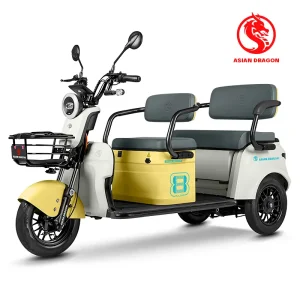
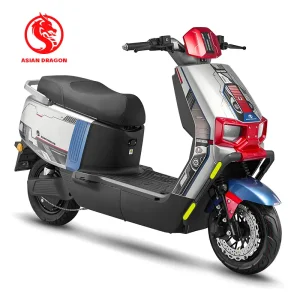
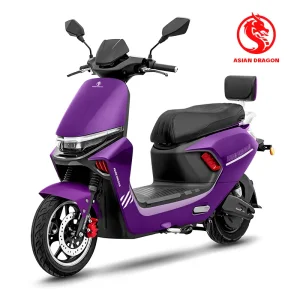
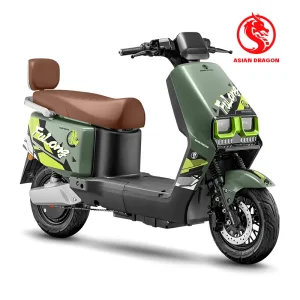
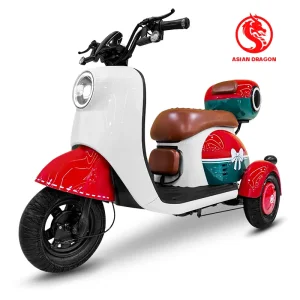
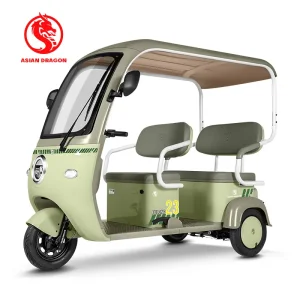
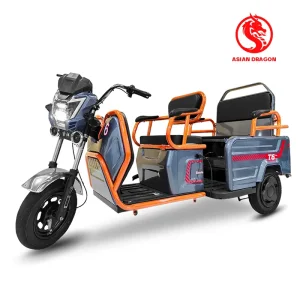
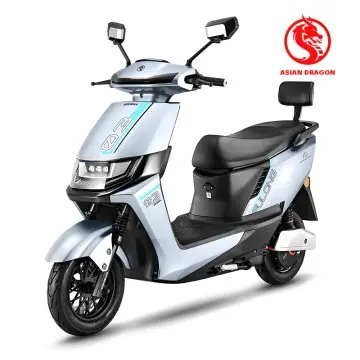
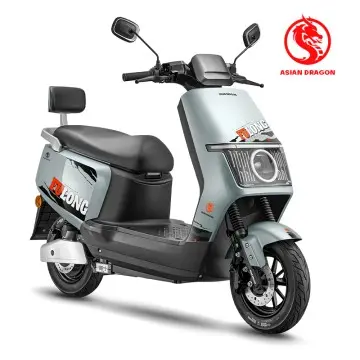
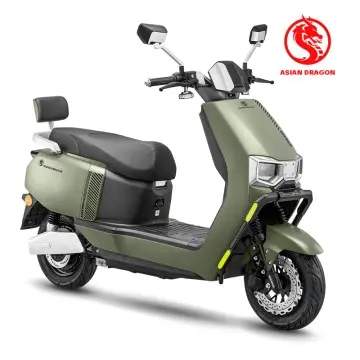
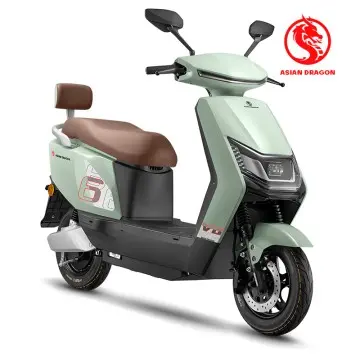
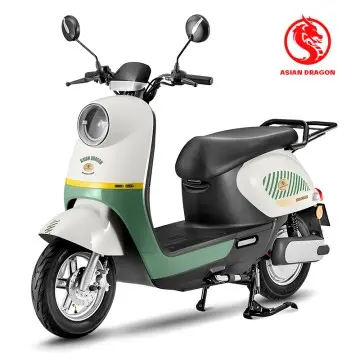
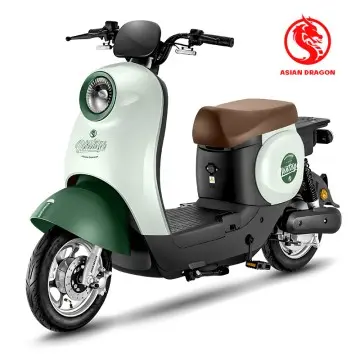
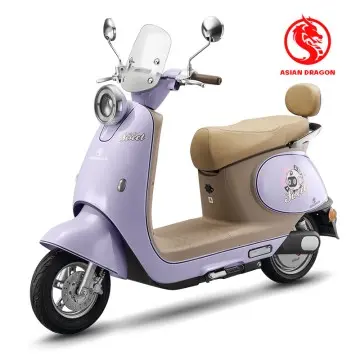
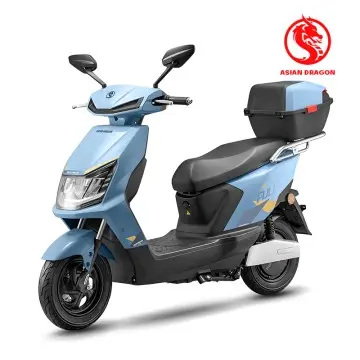
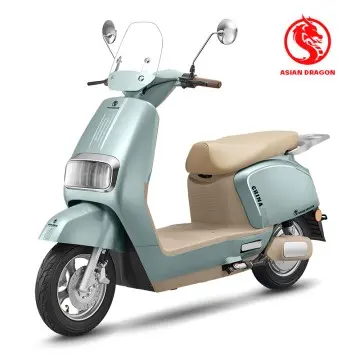
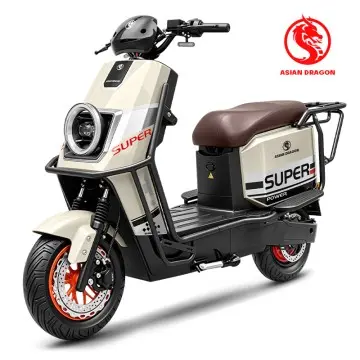
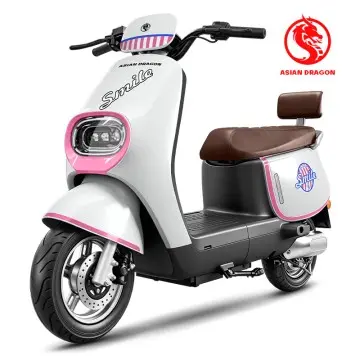
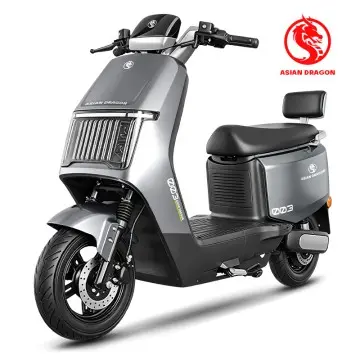
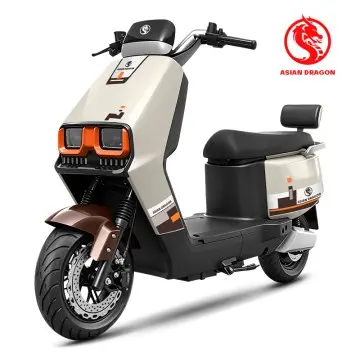
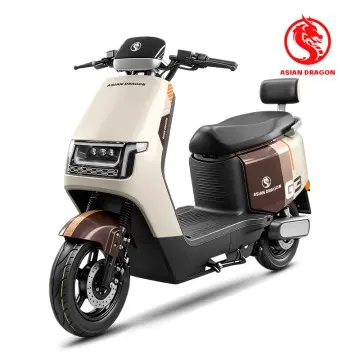
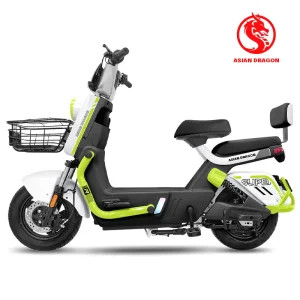
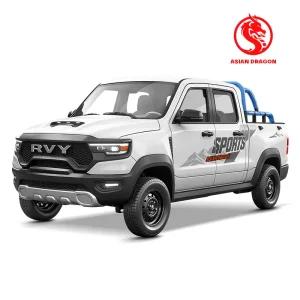
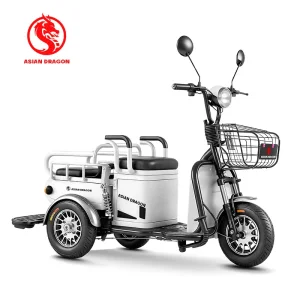
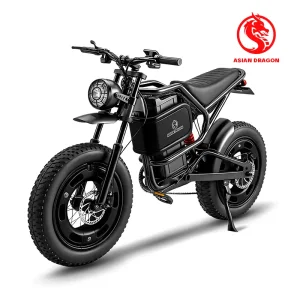
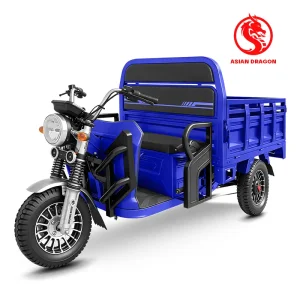
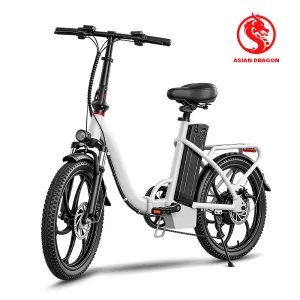
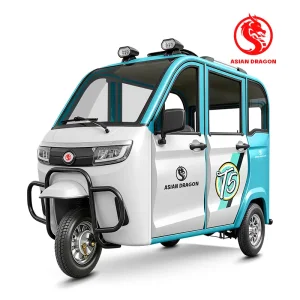
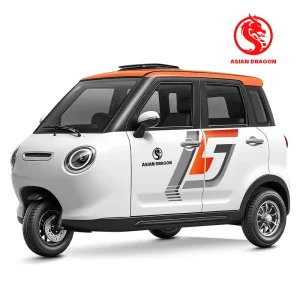
High-performance electric vehicles engineered for family commuting, cargo distribution, and off-road mobility.
The global shift toward sustainable, carbon-neutral logistics and urban transport has placed light electric vehicles (LEVs) at the forefront of modern micro-mobility solutions. For global distributors, enterprise partners, and fleet managers, choosing a manufacturing origin is a decision that dictates long-term cost structures, product reliability, and speed-to-market. Leading manufacturers like Linyi Fulong New Energy Co., Ltd. represent the pinnacle of this industry, combining vast vertical supply integration with advanced robotic welding and precise chassis fabrication.
Information Gain Metric: Standard suppliers offer basic assembly of pre-packaged components. In contrast, premium Chinese factories leverage localized metal processing clusters, in-house CNC motor winders, automated electrostatic painting chambers, and specialized cell-sorting laboratories to control the complete quality cycle of each E-Bike and E-Tricycle.
By establishing manufacturing facilities directly inside Chinese industrial corridors, companies utilize unparalleled regional supply configurations. These configurations ensure access to:
| Frame Material Type | Tensile Strength (MPa) | Corrosion Resistance | Ideal Application Scenario | Relative Sourcing Cost |
|---|---|---|---|---|
| High-Tensile Carbon Steel | 400 - 550 | Moderate (Powder Coated) | Heavy Duty Cargo Trikes & Enclosed Cabs | Cost-Effective / Baseline |
| Aluminum Alloy (6061-T6) | 290 - 310 | High (Anodized / Painted) | Urban E-Bikes & Lightweight Commuters | Standard Premium |
| Magnesium-Aluminum Composite | 220 - 280 | Exceptional | Premium Smart E-Scooters & Folding E-Bikes | High-End Specialist |
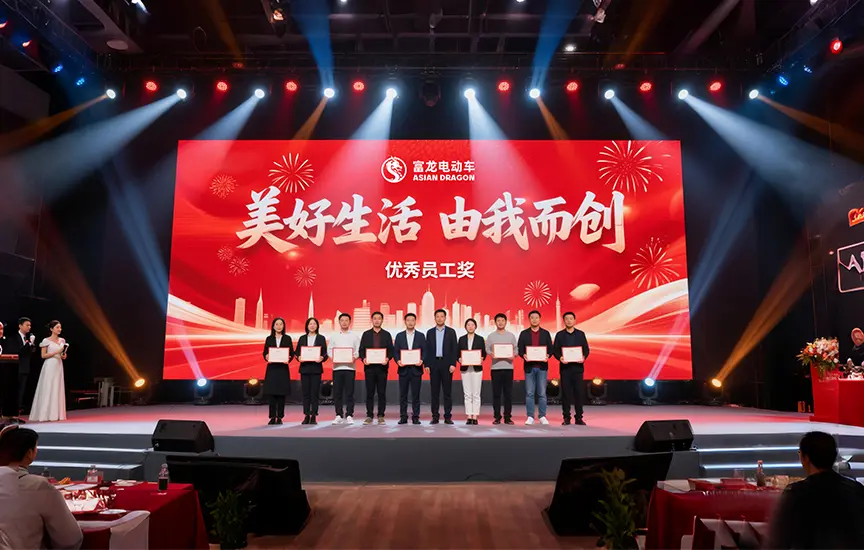
The company has developed into a comprehensive enterprise integrating R&D, production, and sales of electric two-wheelers and three-wheelers, with a complete industrial chain. Currently, Linyi Fulong New Energy Co., Ltd. has an annual production capacity exceeding 500 thousand units, with products sold to more than 90 countries and regions, enjoying widespread recognition.
In the increasingly fierce market competition, the company always takes "customer first, quality first" as its core operating principle, which is not only a solemn commitment to customers, but also the fundamental cornerstone of the company's sustainable development, running through every link of business development. With customer demand as the core orientation, we set up a professional market research team to deeply understand the actual needs of different customer groups. Building a solid foundation for development with excellent quality, the company selects high-quality raw material suppliers and establishes strict raw material acceptance standards. At the same time, advanced production equipment and technology are introduced to realize the automation and fine control of the production process. Ensure that every production link meets the quality standards.
Decarbonization policies, rising fuel prices, and the density of metropolitan clusters have fueled massive growth in light electric vehicles. As global cities limit access for combustion freight vehicles, cargo E-Trikes and commercial E-Bikes are filling the gap in last-mile logistics networks. This transition is governed by several core micro-mobility technological advancements:
Modern B2B purchasers require products equipped with CAN-bus communication architectures, enabling remote diagnostics, real-time GPS location telemetry, and cellular OTA (Over-the-Air) firmware updates. Through customized IoT modules powered directly from the primary traction battery, operators track vehicle locations, optimize battery pack utilization rates, and configure speed profiles to comply with varying regional legislation.
While standard lithium cobalt oxide cell chemistry offered high specific energy densities, commercial operators prioritised safety and cycle life. Lithum Iron Phosphate (LFP) chemistry has emerged as the premier choice for utility cargo electric vehicles due to its thermal stability and cycle life parameters exceeding 2,500 charging intervals before capacity degradation. High-precision manufacturing systems integrate physical venting valves and thermal insulation barriers within individual battery modules to mitigate thermal runaway events.
E-E-A-T Sourcing Knowledge: When auditing factory suppliers, B2B buyers must request certificates confirming UN38.3 compliance (for safe transport of lithium goods), along with localized certifications including EN15194 (EU Pedelec requirements), UL 2849 (Standard for electrical systems for e-bikes), and EEC/COC approvals for enclosed electric vehicles.
Engineered options built to serve diverse application scenarios and localized distribution guidelines.
Fashionable and high-speed configurations engineered for heavy-duty traffic and suburban commuting.
View MoreFashion-forward, fast commuting solutions with lightweight folding frames and responsive hub motor dynamics.
View MoreLightweight and convenient commuter systems featuring pedal assistance technology and structural durability.
View MoreRobust and safe passenger enclosures or logistics utility platforms ideal for micro-mobility solutions.
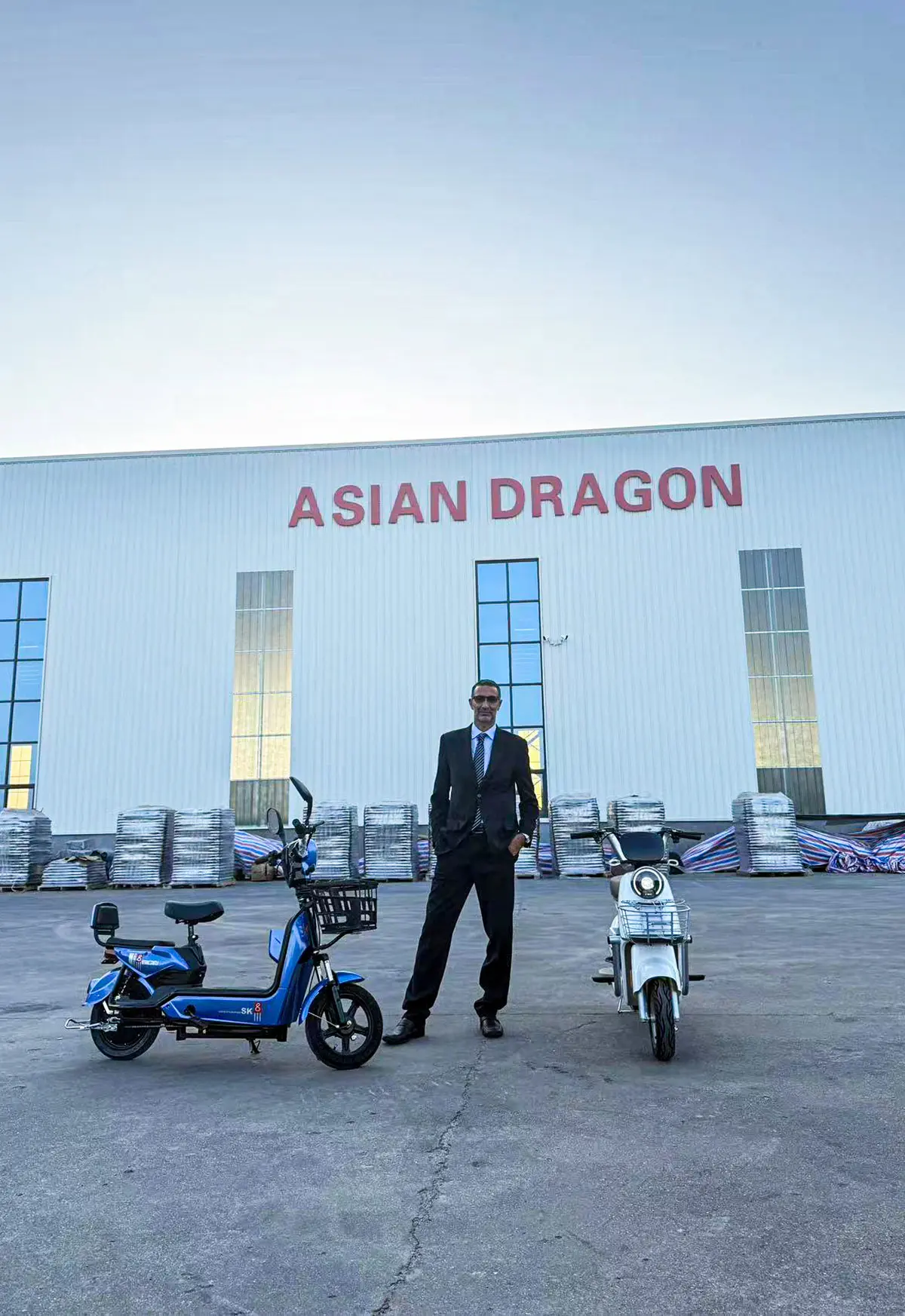
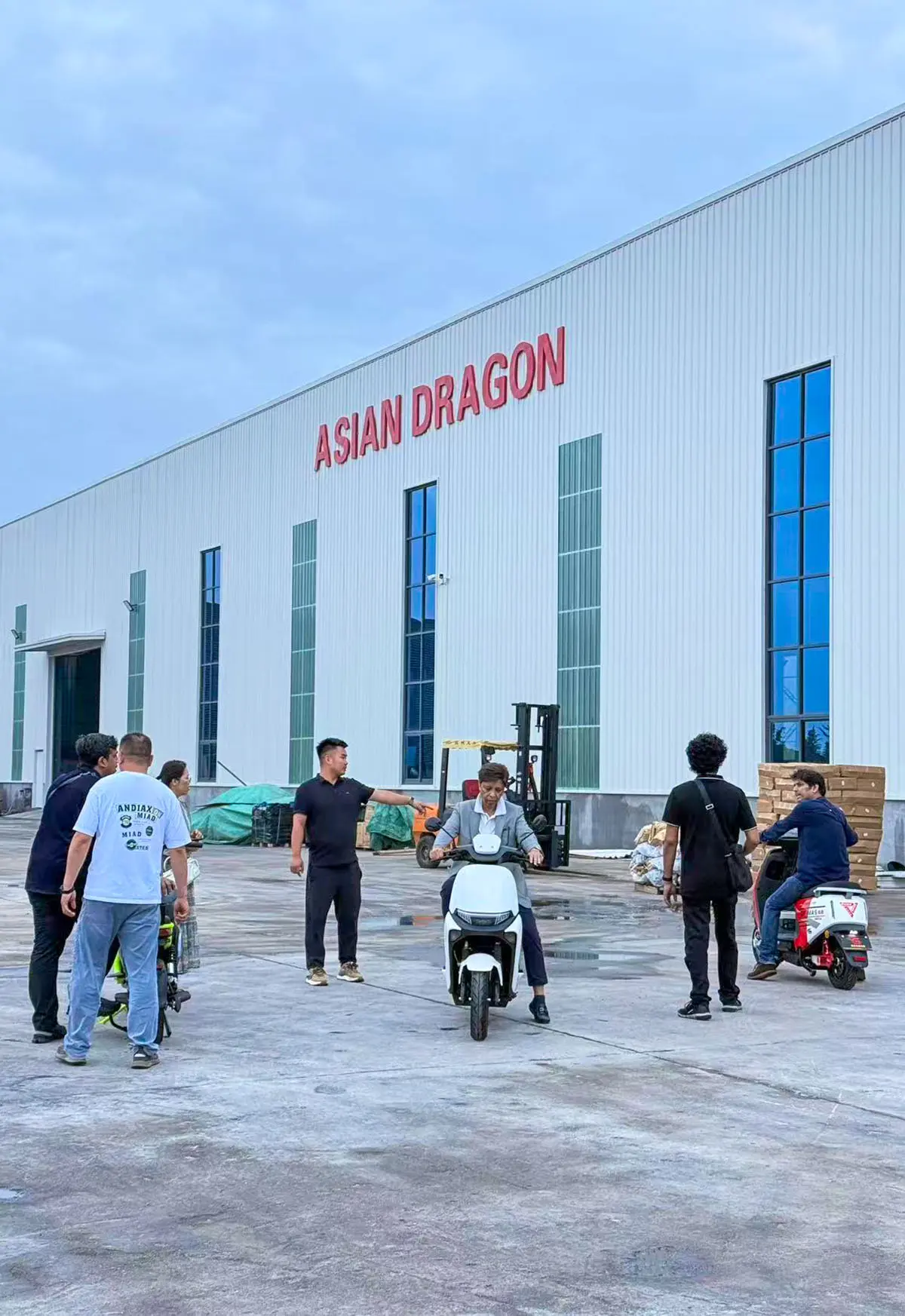
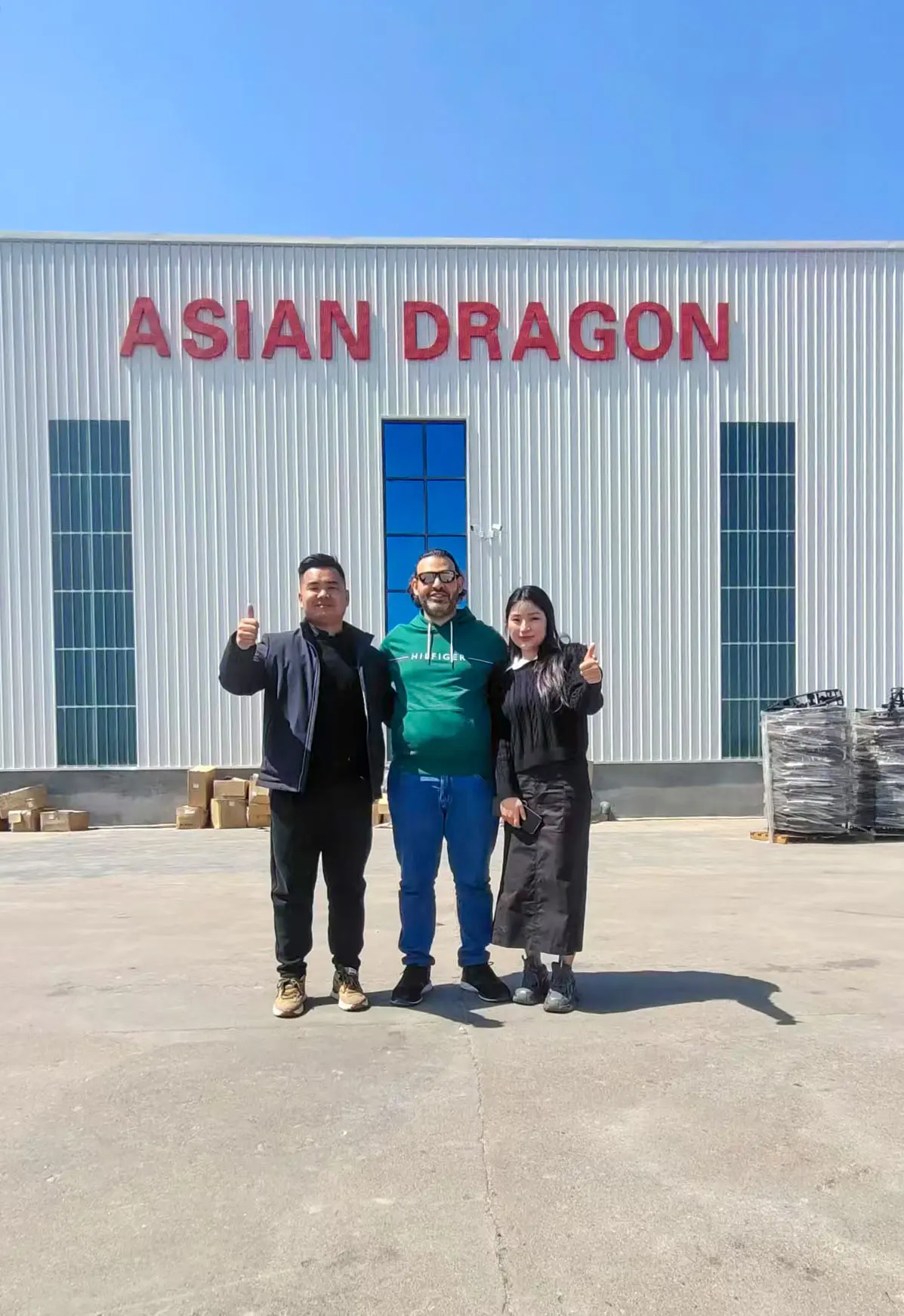
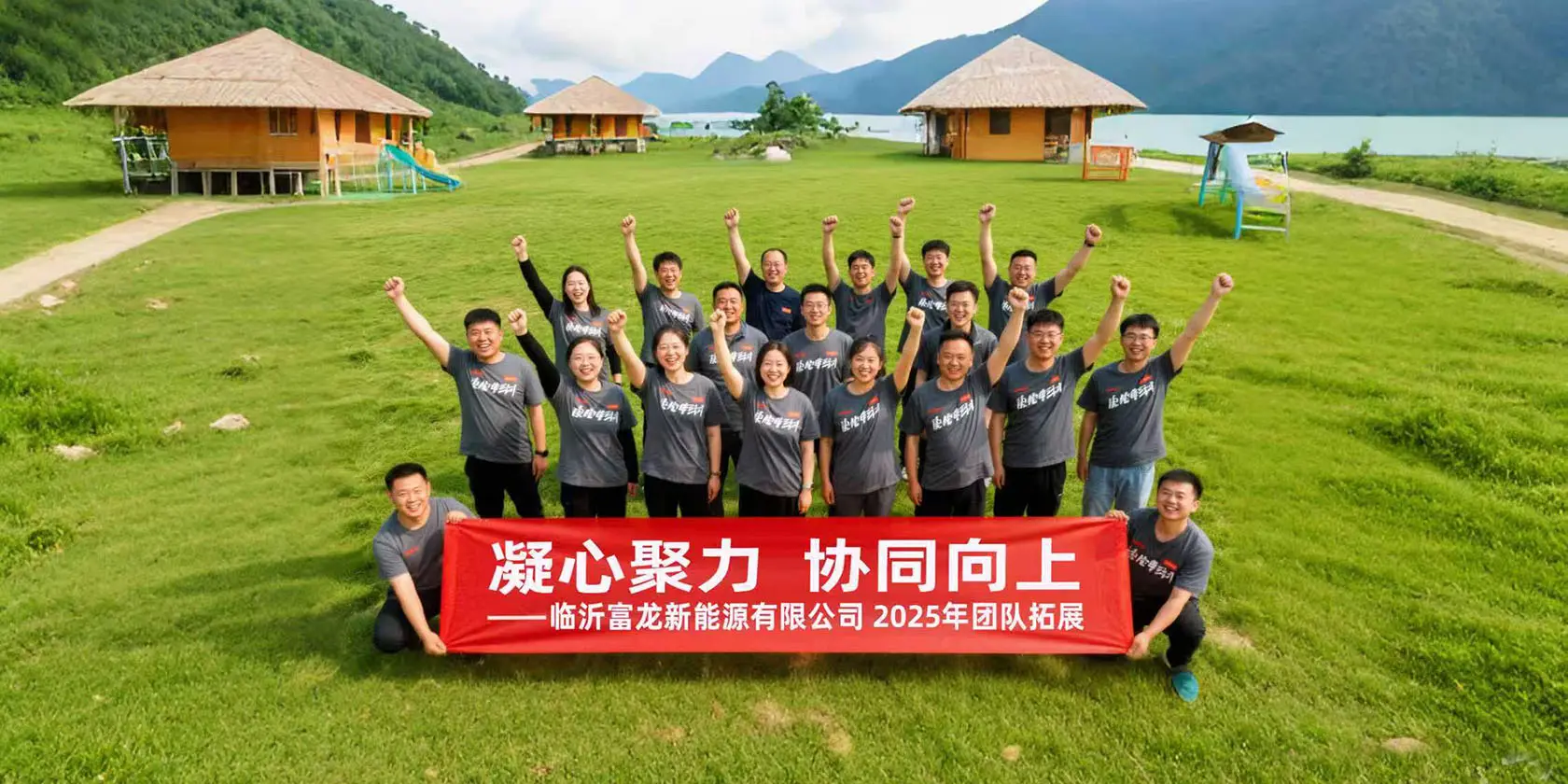
View MoreWe build trust through structural manufacturing visibility. Here is a glance at our manufacturing ecosystem.
In the future, the company will continue to take "customer first" as the guide, listen to your needs and constantly optimize products and services; Taking "quality first" as the bottom line, we will provide you with reliable product guarantee and help your business development.
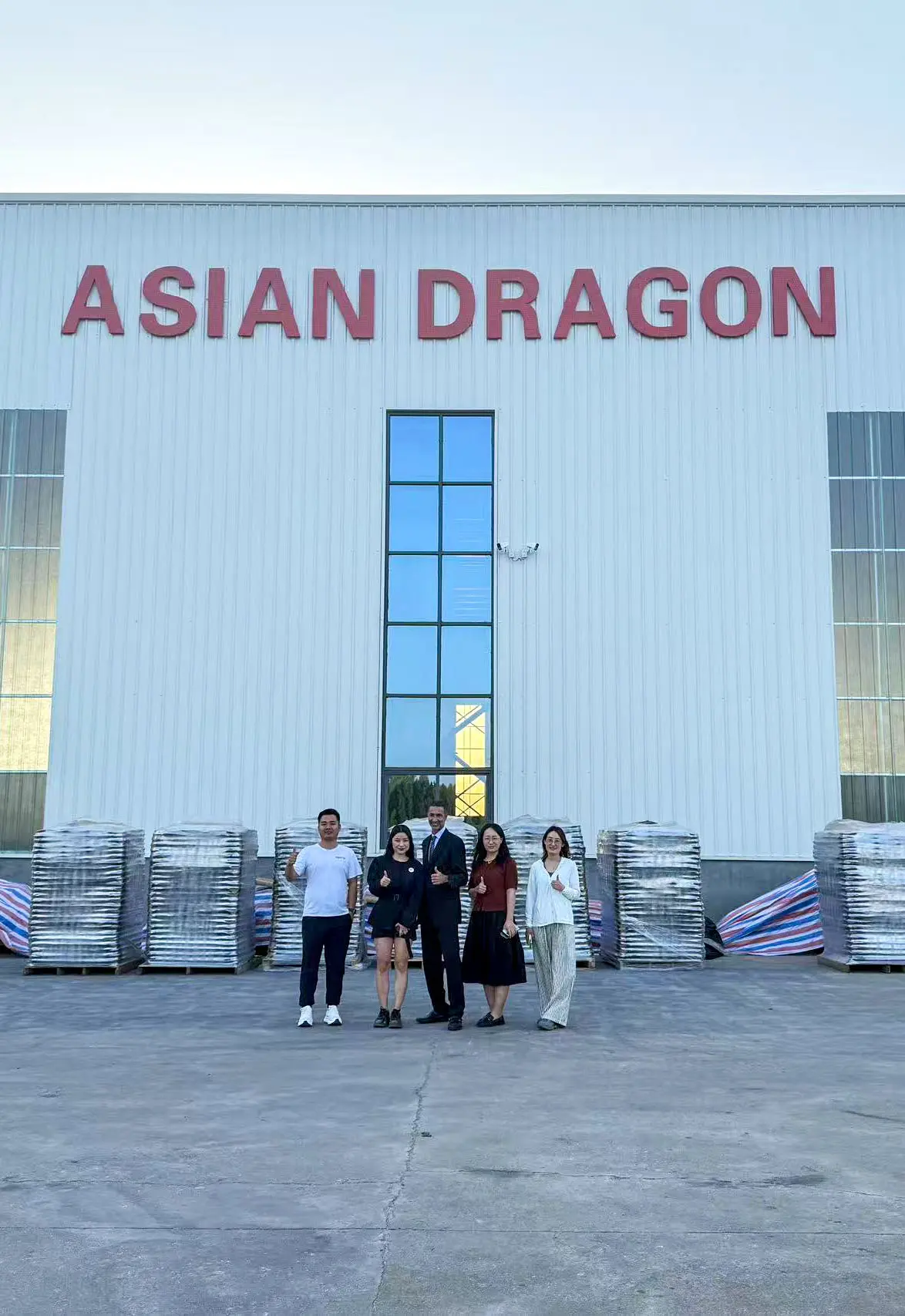
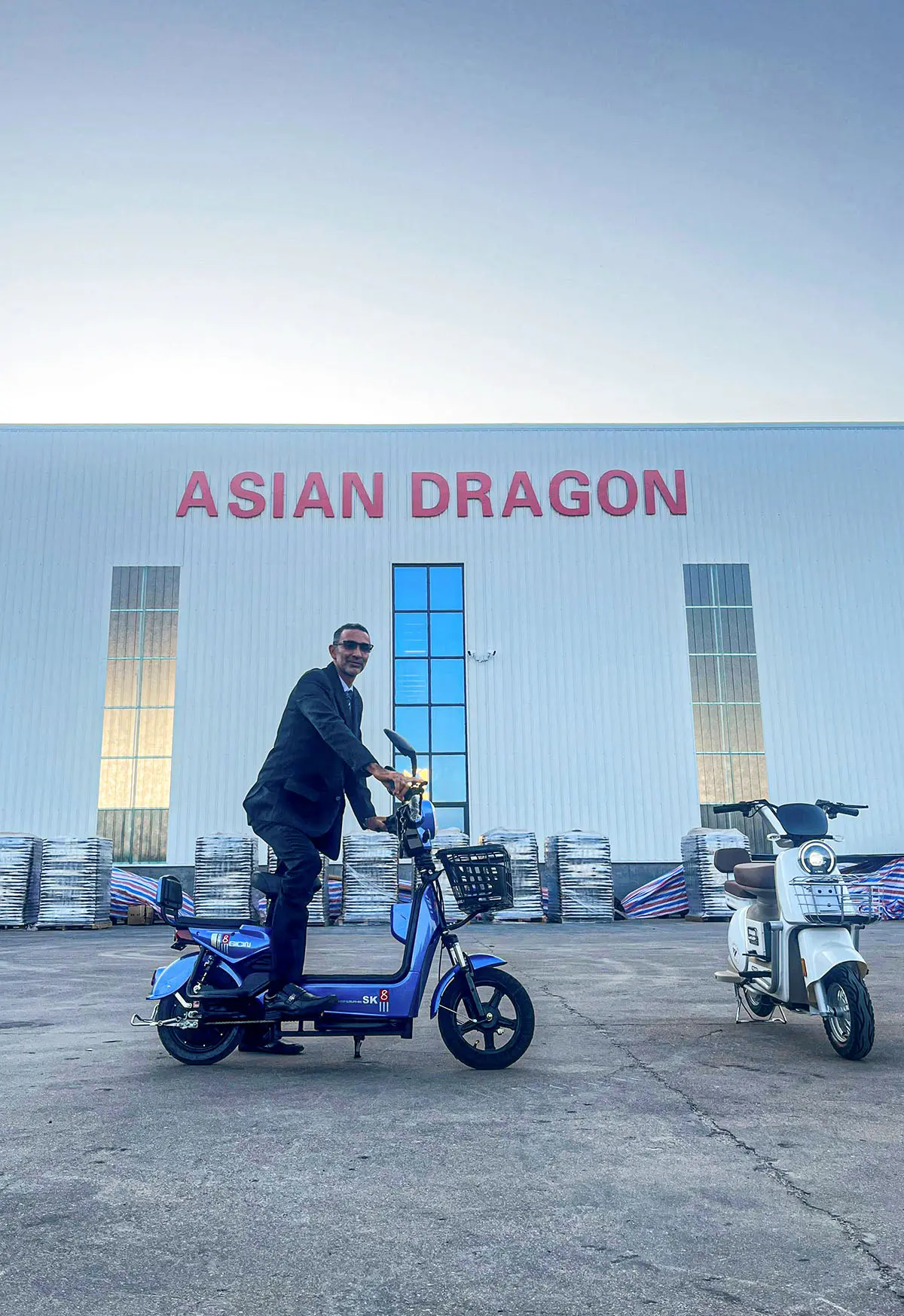
We invite every business partner, distributor, and sourcing agency to inspect our factory facility. Gaining a deeper understanding of our structural welding processes, quality control stations, and product assembly lines will clear any concerns regarding long-term reliability and secure a stable manufacturing partnership.
In the electric mobility landscape, a one-size-fits-all product is suboptimal. Operating profiles vary drastically depending on user demographics, topography, environmental temperature ranges, and load requirements. Experienced manufacturers utilize dynamic configurations, matching battery capacities and motor performance metrics to specific consumer profiles:
Requires high-torque off-road drivetrains, heavy-duty suspension designs, and peak power thresholds. Chassis designs incorporate reinforced swing-arms and high-density, waterproof LFP battery packs that withstand rigorous terrain vibrations.
Prioritizes lightweight folding frames, simplified controls, and integrated safety lighting. The focus here is cost-efficiency, reliability, and easy handling inside busy campus environments.
Focuses on aesthetic design languages, internal cabling, matte/gloss paint styling, and integrated smart LED screen displays. Smart locking, app diagnostics, and custom colorways are key differentiators.
Requires balance between range efficiency and structural longevity. Requires comfortable, ergonomic saddle geometries, rear cargo integration, weather-resistant structural components, and high-capacity cells for extended ranges.
The manufacturing process at Linyi Fulong New Energy Co., Ltd. adapts to these user needs. Precision matching is implemented across the manufacturing chain, selecting and optimizing specific component groups:
Every customized configuration is subjected to structural fatigue tests on chassis dynos and simulated weather validation chambers. Environmental protection testing includes water submersion analysis of motor housings and electronic controllers, verifying that all integrated components operate reliably in torrential rain and extreme temperatures.
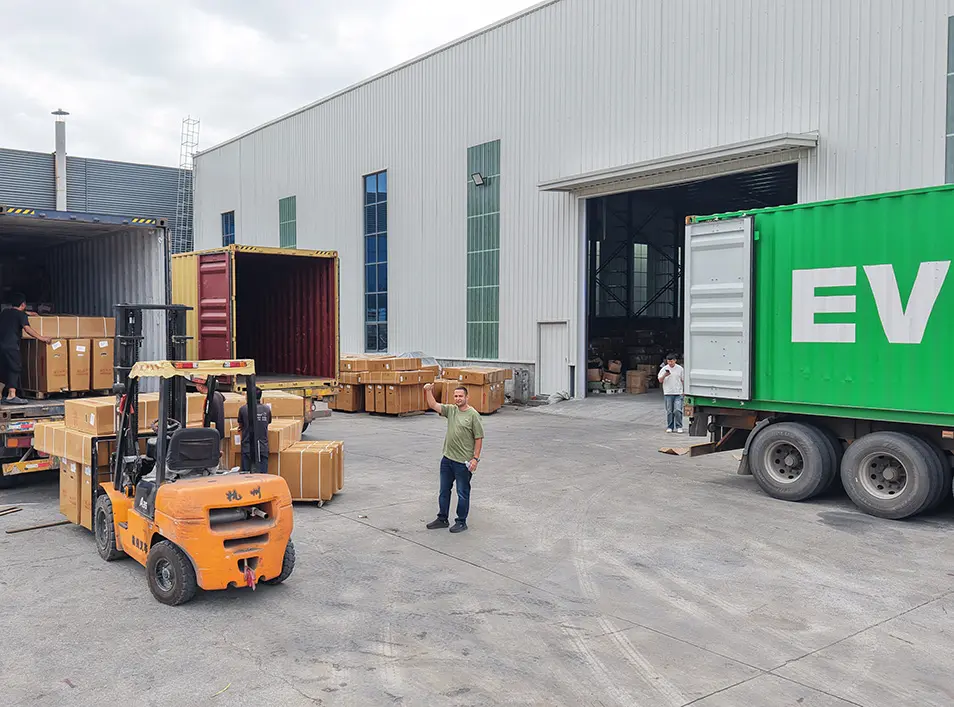
Shipping costs and customs tariffs represent significant costs for international enterprise buyers. To minimize these overheads, experienced exporters support varied delivery assembly methodologies:
In SKD configurations, the electric bike is assembled up to 85% at the origin factory. Components like front wheels, handlebars, and battery packs are packed detached within a single protective carton. This balances lower overseas assembly costs with reduced package volumes.
For markets with high import tariffs on fully assembled products, or to maximize container volume efficiency, CKD is the ideal method. Structural frames, motors, wiring harnesses, controllers, and body panels are shipped unmounted. Importing distributors can set up localized assembly lines, creating jobs and qualifying for lower import tariffs.
Explore our production models, optimized for global export, fleet leasing, and retail networks.
Technical parameters, customs procedures, and custom production processes answered by engineers.
Reliable, factory-direct electric vehicles designed to meet global standards and custom branding demands.
 Asian Dragon