Explore our export-grade electric mobility lineup, precision-engineered at our advanced production facilities for maximum durability, speed, and energy efficiency.
The Technological Paradigms Driving the Evolution of E-Bike Battery Manufacturing
The global transition toward carbon-neutral urban transit networks has placed micro-mobility at the core of urban development strategies. At the heart of this revolution lies the demand for advanced, resilient, and high-energy-density electrical propulsion modules. As a leading China electric bike battery manufacturer and supplier, our role spans far beyond assembling lithium-ion cells. We deliver macro-level power solutions that address thermal management, structural durability, energy efficiency, and safety.
Modern urban transportation requires platforms that handle intense usage cycles and varied ambient climates. We solve these challenges by focusing on advanced cell chemistry, including Lithium Iron Phosphate (LiFePO4) for exceptional cycle life and thermal stability, alongside Nickel Manganese Cobalt (NMC) for space-constrained applications needing maximum energy density. Our battery designs incorporate intelligent battery management systems (BMS) with CAN-bus/RS485 communication protocols. This integration enables real-time parameter tracking, precise State of Charge (SoC) calculations, and diagnostic capabilities, optimizing fleet operations and lowering the total cost of ownership.
Strategic Industry Insignt: Switching from standard lead-acid configurations to integrated smart lithium battery packs reduces vehicle weight by up to 60%. This shift increases vehicle range, improves acceleration, and reduces suspension wear across electric two-wheelers and three-wheelers.
By addressing the entire power chain—from chemical raw material selection to structural protection—we support international OEM and ODM clients with ready-to-integrate battery packs and drivetrain pairings. This ensures electric motorcycles, cargo trikes, and senior mobility scooters function safely under challenging operational loads.
Navigating Supply Chains, Manufacturing Capacity, and Global B2B Trade Dynamics
The global market for electric two-wheelers, three-wheelers, and custom electric vehicles is expanding rapidly, driven by e-commerce delivery networks, shared micro-mobility programs, and consumer shifts toward personal electric transport. This expansion requires reliable battery suppliers capable of scaling production without compromising quality.
China's industrial ecosystem remains the global hub for battery manufacturing. It provides access to raw materials, advanced electrode processing machinery, and efficient logistics. At Linyi Fulong New Energy Co., Ltd., we utilize this ecosystem to provide high-quality manufacturing from our 20,000 m² production facility. Our annual production capacity exceeds 500,000 finished vehicles and components, allowing us to supply clients in over 90 countries and regions.
Direct sourcing of Tier-1 cells, automated welding lines, and rigorous internal QA protocols reduce production costs and prevent supply disruptions.
Optimized for high-volume distributors and OEM brands needing standardized quality across large-scale procurement batches.
Tailored physical form factors, electrical output configurations, and communication protocols designed for specific regional market demands.
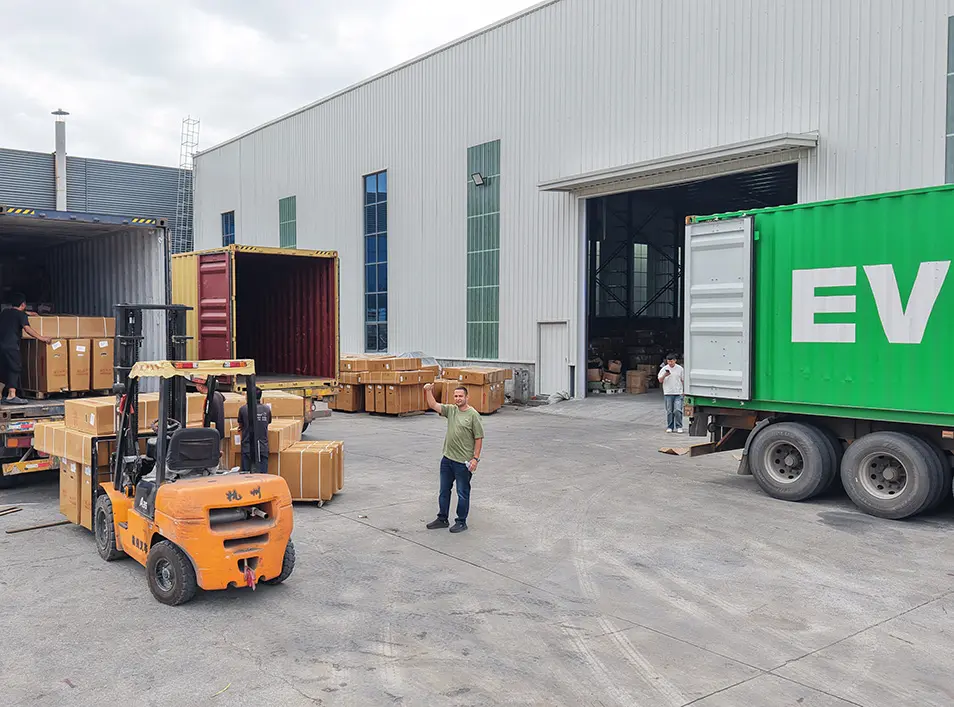
Established in 2017, Linyi Fulong New Energy Co., Ltd. has developed into a comprehensive enterprise integrating R&D, production, and sales of electric two-wheelers and three-wheelers, with a complete industrial chain.
In competitive global markets, we operate under the principle of "customer first, quality first". We use a dedicated market research team to understand the technical requirements of different regions, ensuring our products comply with global standards. We select high-quality raw materials, maintain strict incoming component inspection, and use automated production processes to ensure reliability across all manufacturing steps.
Innovation in Chemistry, Smart BMS Architectures, and Integration Paradigms
The electric mobility industry is moving beyond standard battery assemblies toward integrated power solutions. Our technical development focuses on three primary areas:
We are researching solid-state electrolytes to improve safety and energy density. In parallel, we continue to optimize our LiFePO4 packs, achieving over 3,000 charge cycles at 80% Depth of Discharge (DoD) for commercial and utility vehicles.
Our next-generation BMS modules feature Bluetooth, GPS, and CAN-bus telemetry. This allows fleet operators to monitor battery temperature, cell balance, and health parameters remotely, enabling predictive maintenance.
By eliminating intermediate module housings, our Cell-to-Pack design increases volumetric efficiency by 15%. This creates space for larger capacity within standard battery compartments, extending vehicle range.
To support these advancements, our manufacturing processes utilize automated sorting, precise laser welding, and cleanroom assembly environments. These measures reduce internal resistance variation across cell groups, preventing premature pack degradation and ensuring stable power delivery.
Ensuring Regulatory Compliance, Safe Transport, and Global B2B Integration
Exporting lithium-based batteries requires strict compliance with international safety and transportation standards. Because lithium batteries are classified as Class 9 Dangerous Goods, we maintain comprehensive testing regimes to secure the certifications necessary for global distribution.
Our products are certified to meet international standards, including UN38.3 (transportation safety), MSDS (material safety data sheets), CE, and EN 15194 (European EPAC standards). For North American markets, we design products in accordance with UL 2271 (batteries for light electric vehicles) and UL 2849 (e-bike electrical systems safety) guidelines.
Regulatory Compliance Notice: Ensuring your supplier holds valid UN38.3 and MSDS documentation is critical. Compliance prevents customs delays and ensures access to maritime and air freight networks for lithium battery transport.
We also support our partners with customized logistics solutions. We coordinate with accredited freight forwarders specializing in dangerous goods handling to ensure products are delivered safely to international ports, distribution centers, or retail hubs.
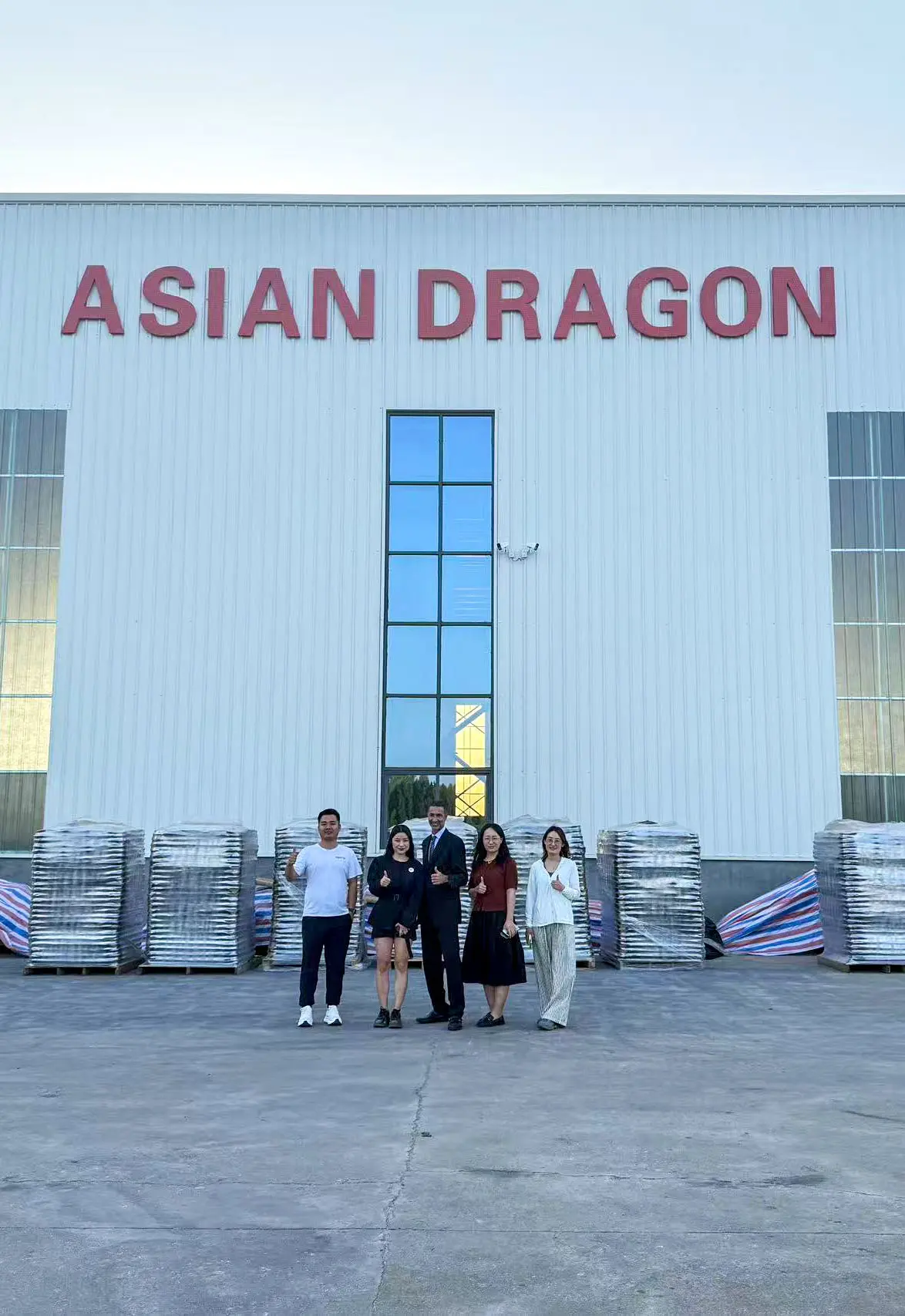
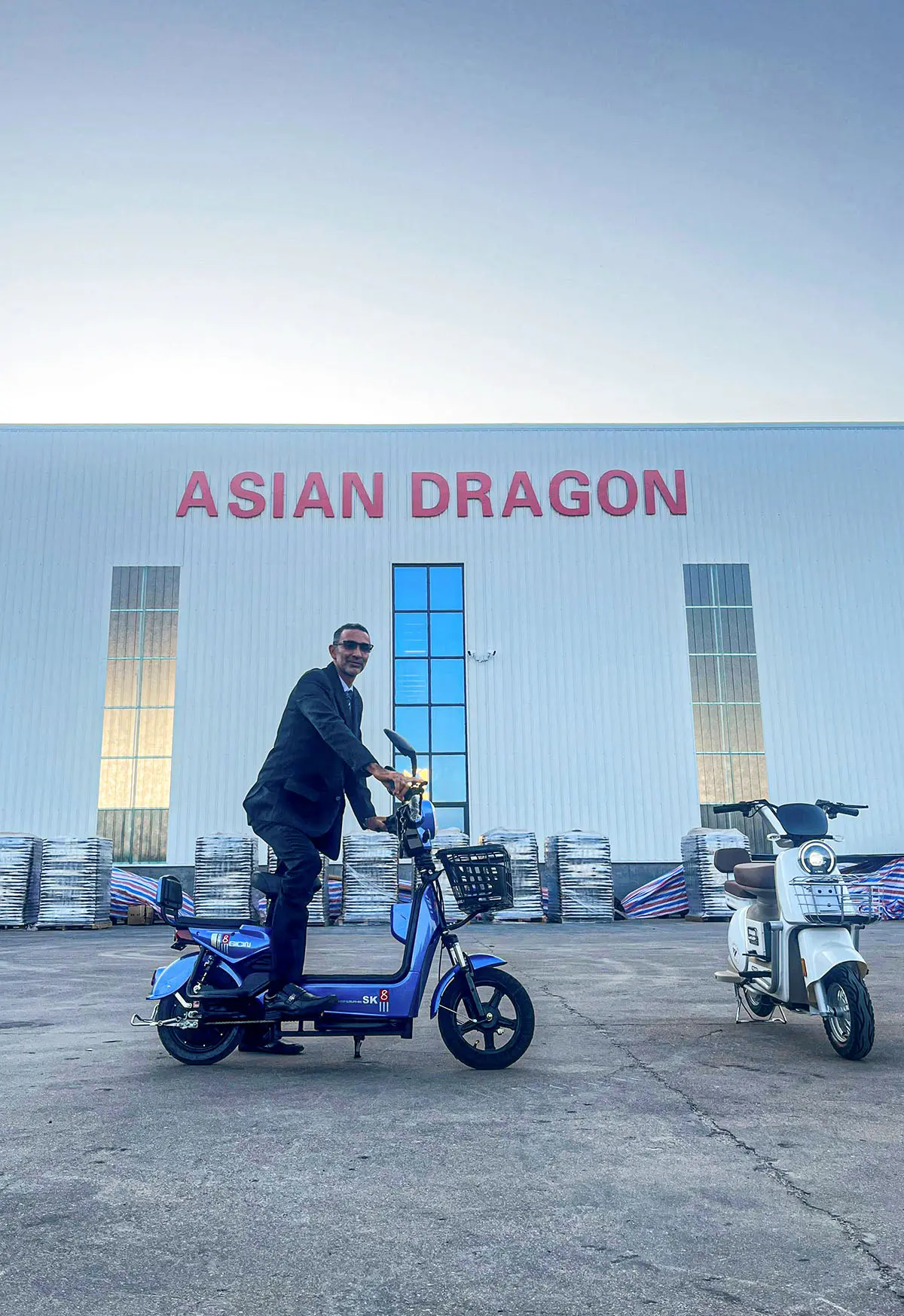
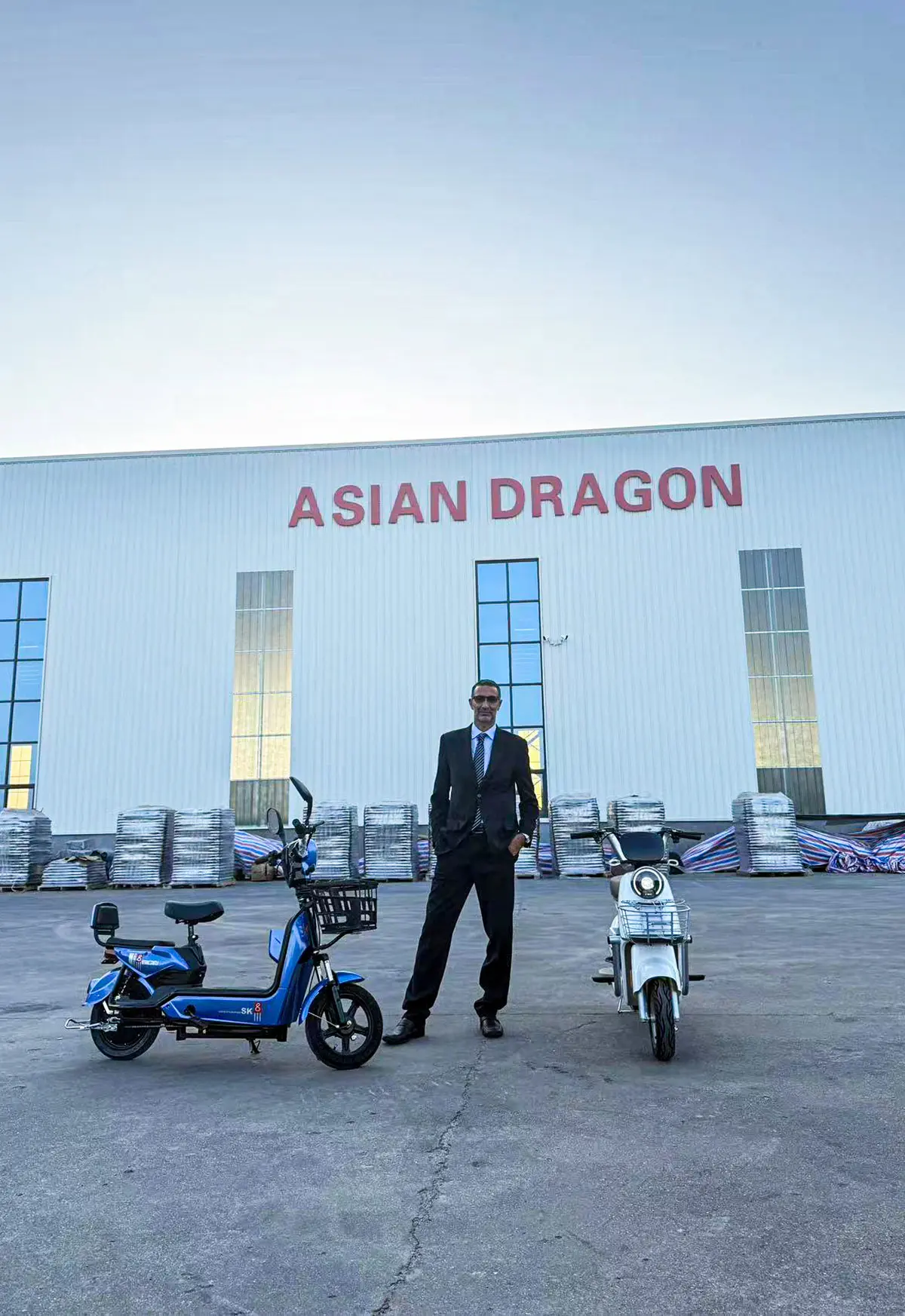
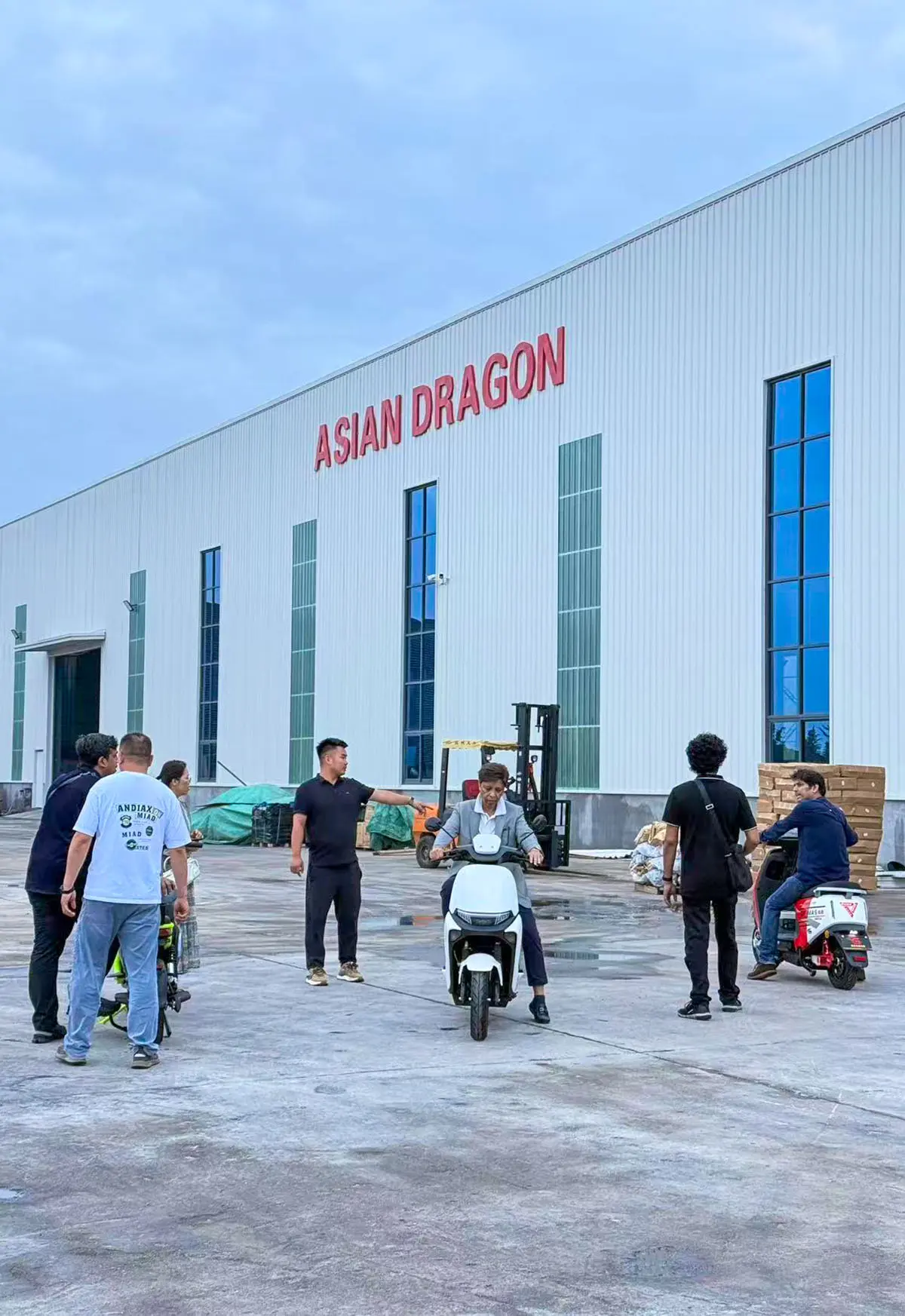
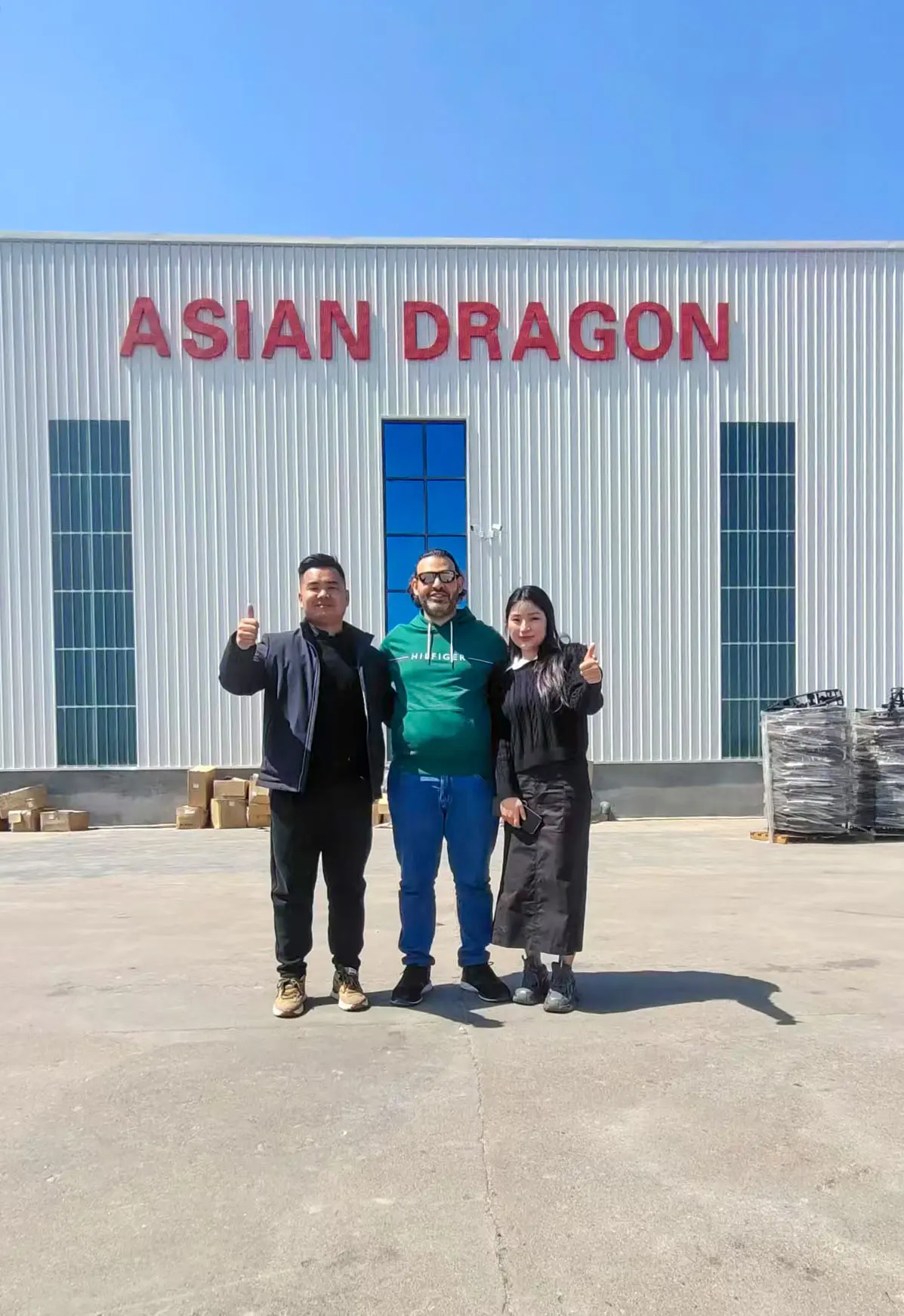
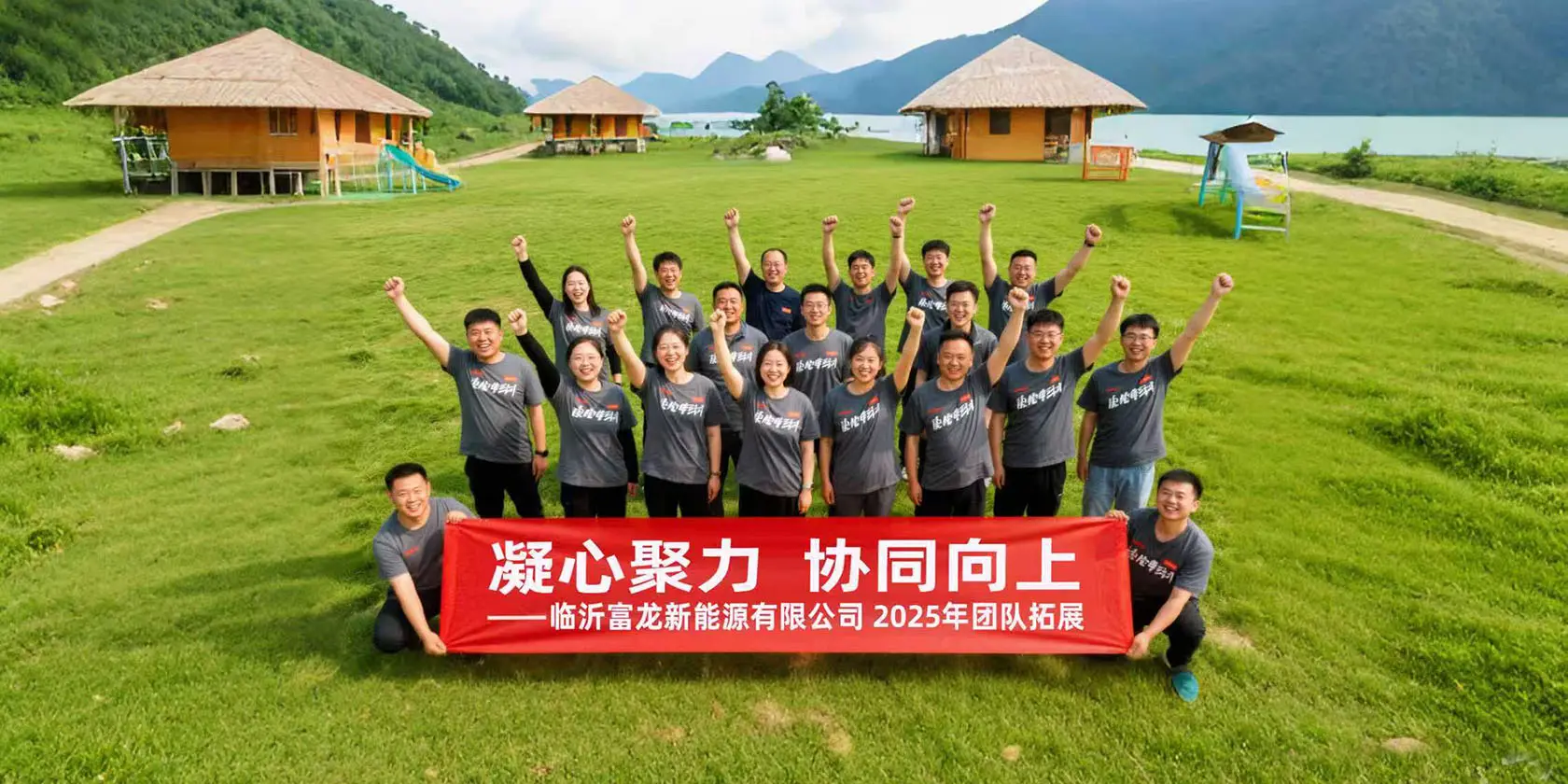
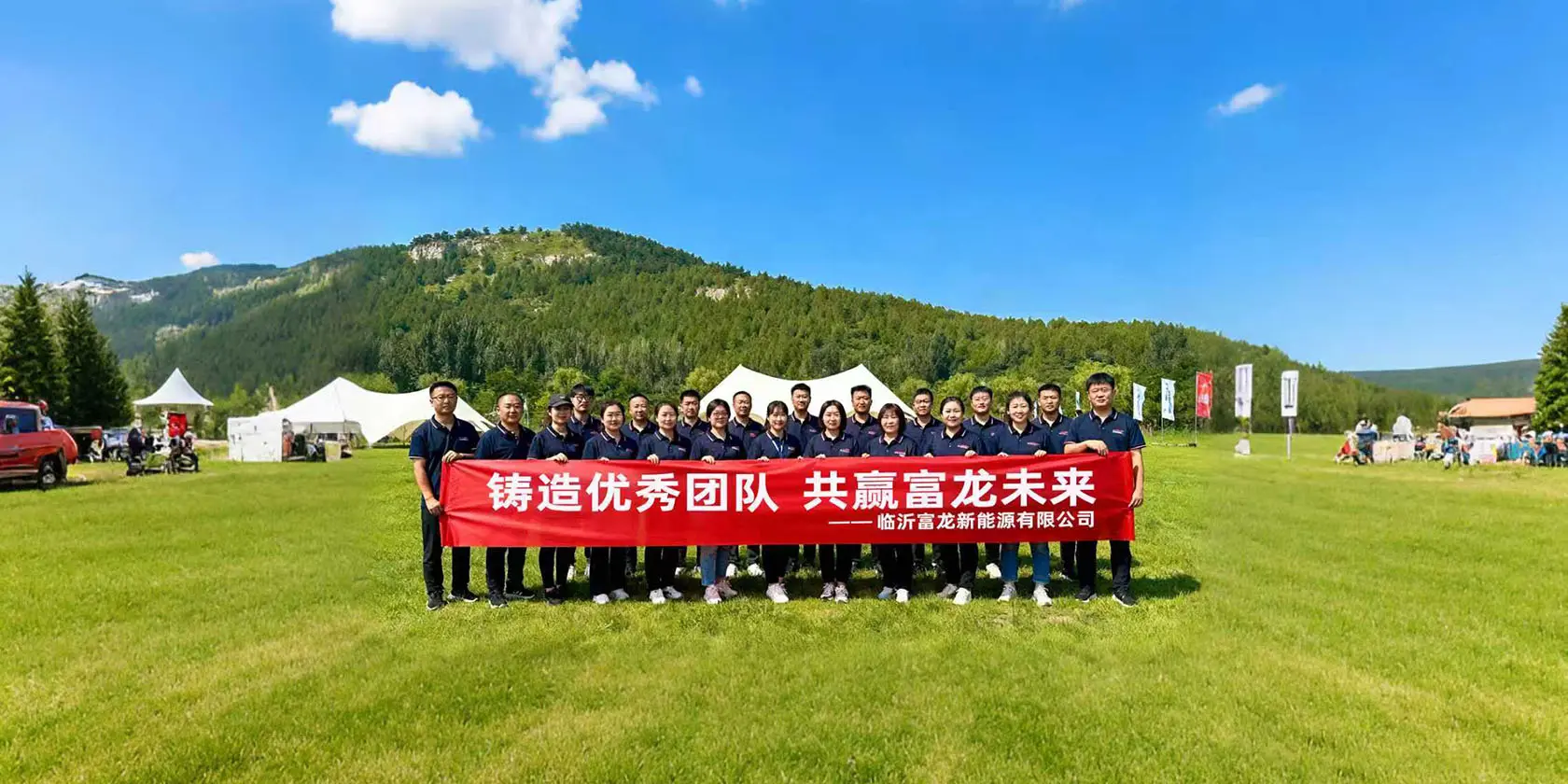
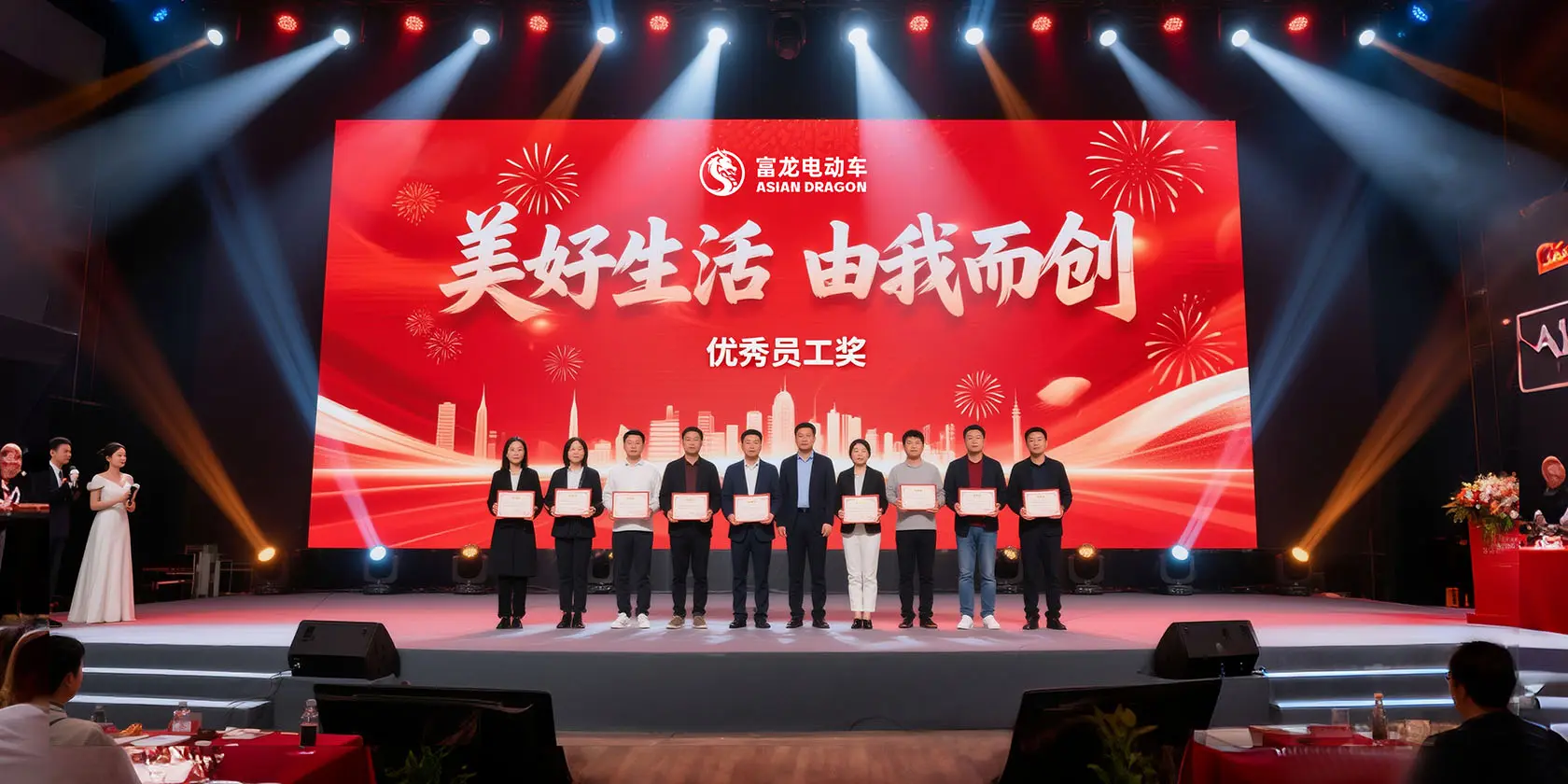
A visual insight into our design ethos, cleanroom manufacturing facilities, and product quality checks.
Optimizing Power Configurations for Diverse User Demographics and Vehicles
Different micro-mobility use cases demand tailored power configurations. Standardized, one-size-fits-all battery options often lead to underperformance or unnecessary costs. We offer precision battery matching to optimize performance for specific vehicle types and user requirements:
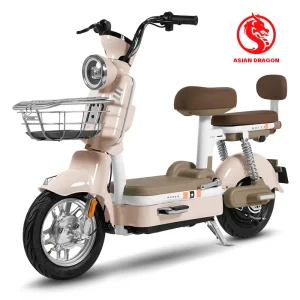
Designed for daily routes. Focuses on lightweight, highly integrated designs (such as down-tube or rear-rack configurations) that support convenient home charging. Typical configurations range from 36V 10Ah to 48V 14Ah, providing a range of 40km to 60km per charge.
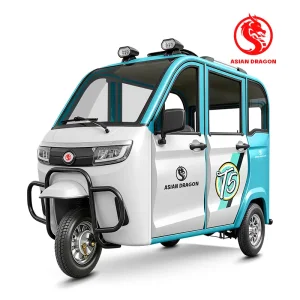
Tailored for commercial last-mile delivery and passenger tricycles. These systems require high continuous discharge rates and robust vibration protection. Standard configurations use 48V or 60V setups with capacities from 20Ah to 40Ah to manage heavy payloads and steep inclines.
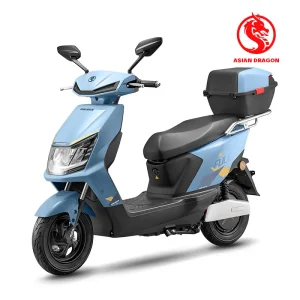
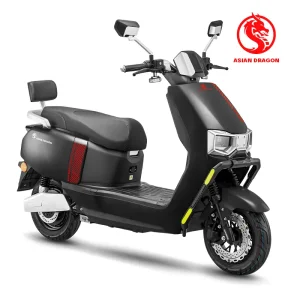
For high-speed two-wheel electric motorbikes requiring high peak power output. Utilizing low-resistance NMC cell designs with 72V 30Ah+ ratings, these units supply high currents to support rapid acceleration and speeds above 80 km/h.
B2B Optimization Strategy: Our engineering team works closely with OEM customers to match vehicle weight, motor parameters, and target drive cycles with the appropriate cell selection and BMS layout, ensuring optimal vehicle performance.
Customized designs based on user demographics make it easy to find the perfect match. Commuters are paired with long-lasting batteries, families find spacious seating options, and short-distance riders can access lightweight formats. We align our manufacturing to meet these diverse needs.
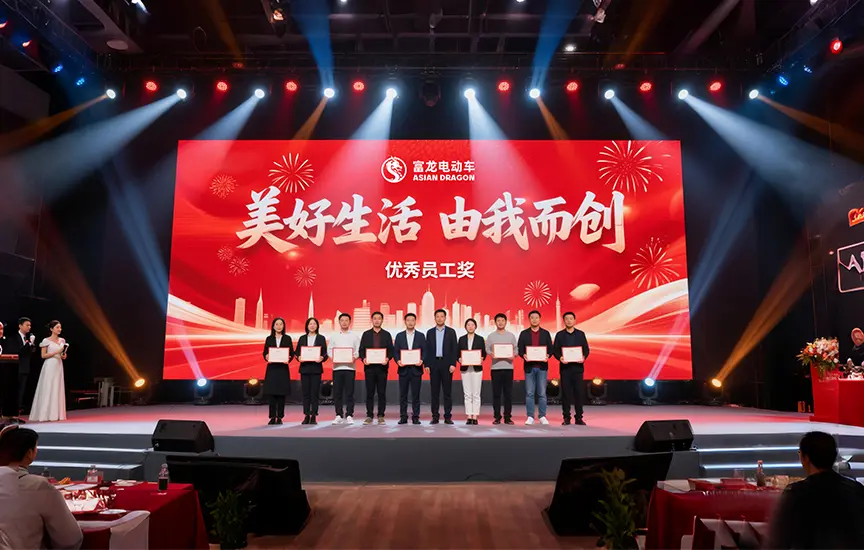
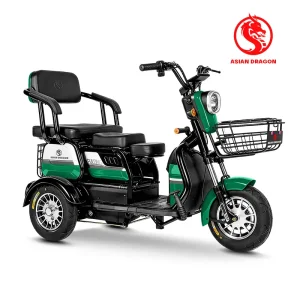
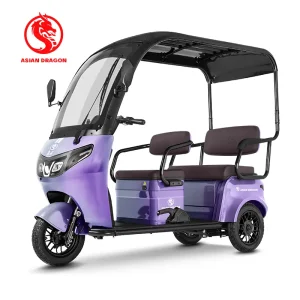
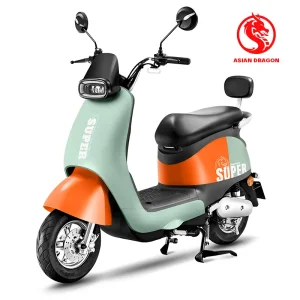
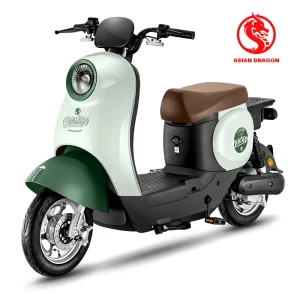
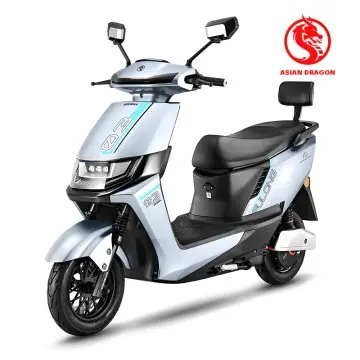
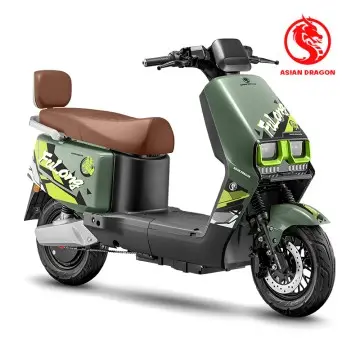
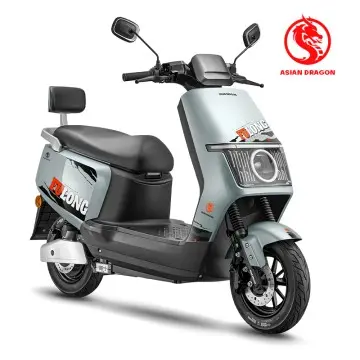
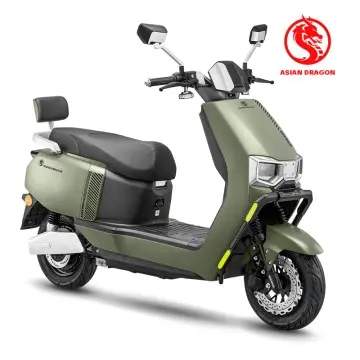
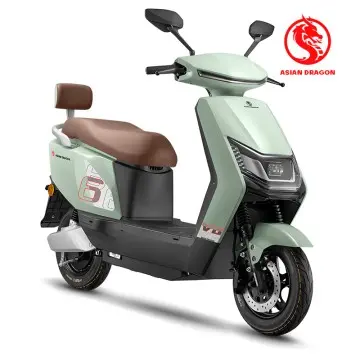
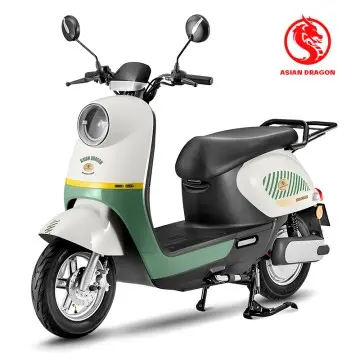
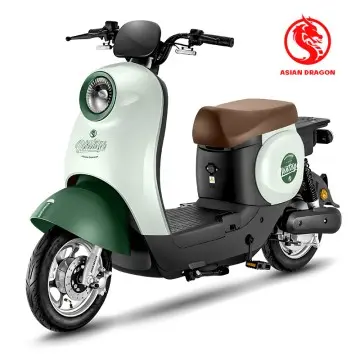
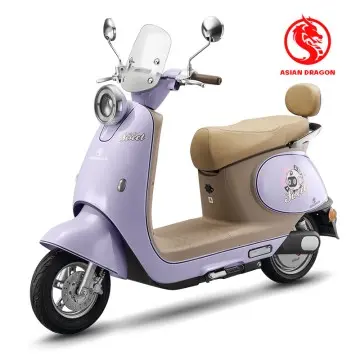
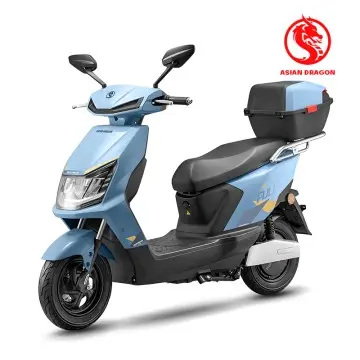
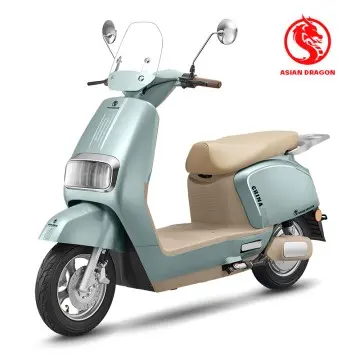
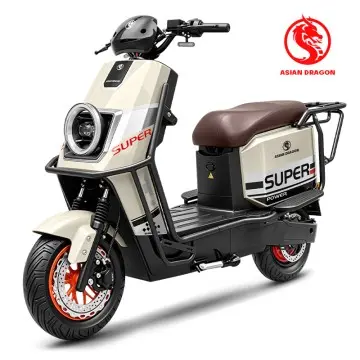
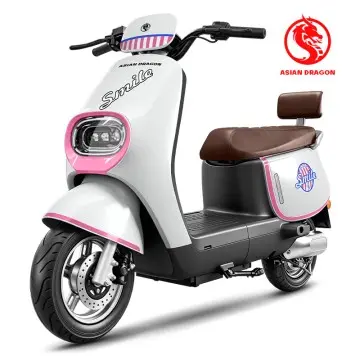
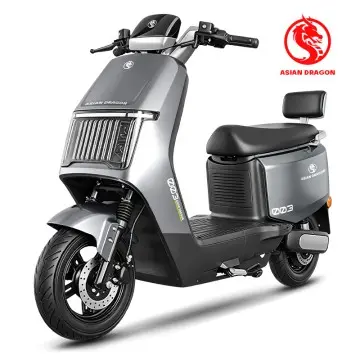
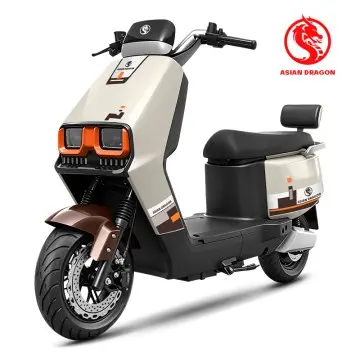
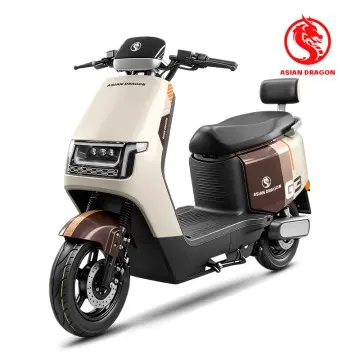
Discover our range of production models, engineered to meet international safety certifications and designed for high daily reliability.
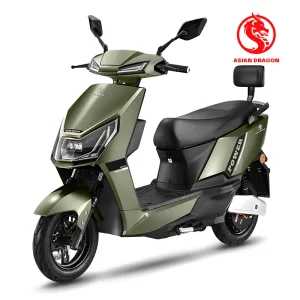
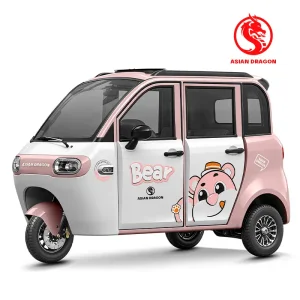
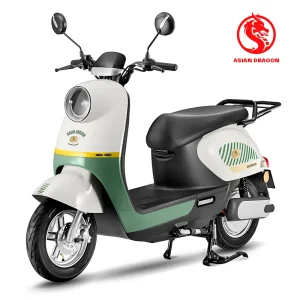
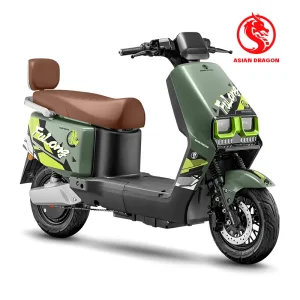
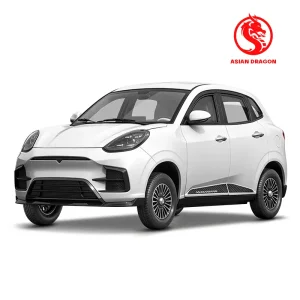
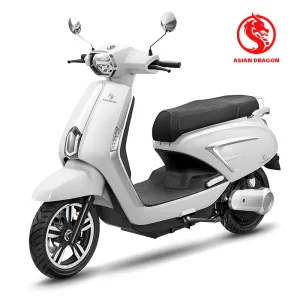
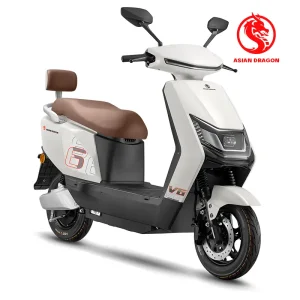
Explore some of our key partner integrations, showcasing how our battery packs and frame engineering create cohesive, high-performance vehicle designs.

Expert Answers on Sourcing, Customization, Safety, and Logistics for Electric Bike Batteries
The choice depends on your application: Lithium Iron Phosphate (LiFePO4) is preferred for utility vehicles, delivery bikes, and electric tricycles due to its safety, thermal stability, and long lifespan (exceeding 2,500–3,000 cycles). For high-performance electric motorcycles requiring maximum energy density and weight savings, Nickel Manganese Cobalt (NMC) cells are typically used, providing higher power discharge rates in a more compact format.
To import safely and comply with customs regulations, you need a UN38.3 test report along with a Material Safety Data Sheet (MSDS) for shipping. For product-level compliance, European markets typically require CE marking and compliance with EN 15194. For North American markets, compliance with UL 2271 (batteries for light electric vehicles) and UL 2849 (electric system safety) is highly recommended.
We follow strict quality control protocols, beginning with cell capacity and internal resistance matching. Our packs are assembled on automated lines using precise laser spot welding, and they feature integrated Smart BMS boards. Finished packs undergo burn-in, vibration testing, and water-resistance trials to ensure reliable performance under demanding conditions.
Yes. We offer OEM and ODM customization. We can engineer custom battery packs with voltages ranging from 36V to 72V, matching specific dimensions, connector types, casing materials (aluminum or flame-retardant ABS), and communications protocols (such as CAN, RS485, or Bluetooth) to align with your vehicle design.
For standard configurations, the production lead time is typically 20 to 30 days once order details are confirmed. Custom OEM designs requiring new molds or specialized certification testing may require additional time, which our engineering team will outline during the project planning stage.
 Asian Dragon