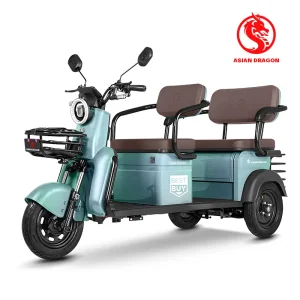
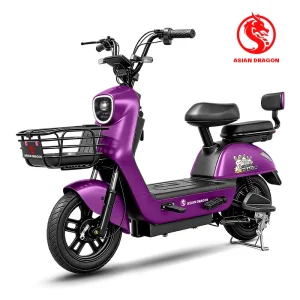
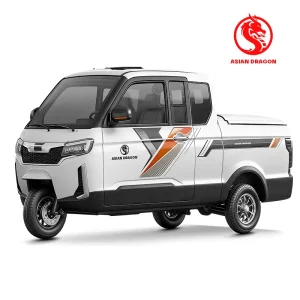
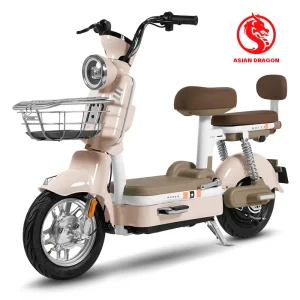
Explore our top-performing factory models engineered for global export markets. Hover over cards to explore design specifics and factory direct routes.
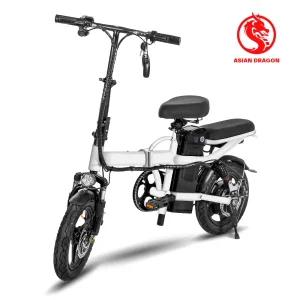
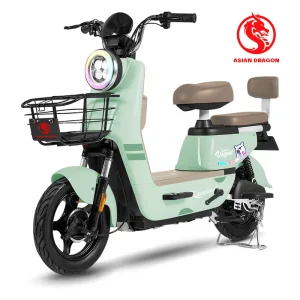
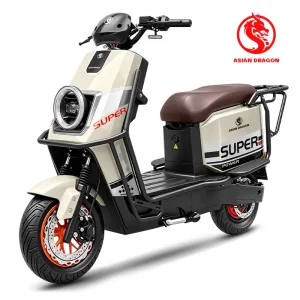
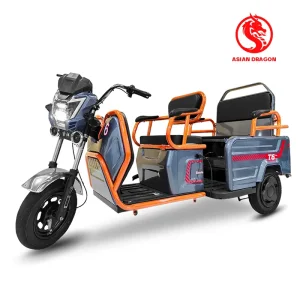
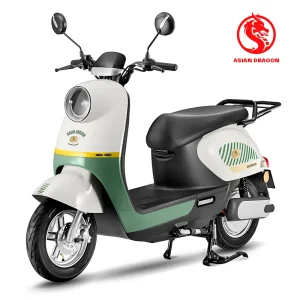
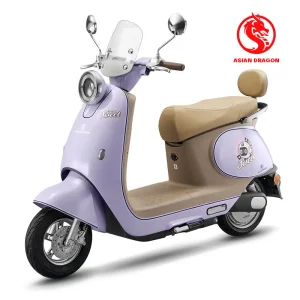
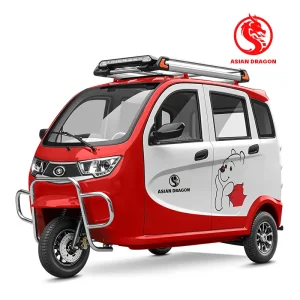
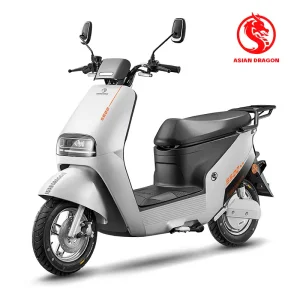
In the global micromobility lexicon, the search phrase "Electric Bike Ki Kimat" (translating directly to "Electric Bike Price" in South Asian markets) serves as a primary query for importers, regional distributors, and fleet managers searching for raw factory price structures. When global commercial entities evaluate "Kimat," they are not simply looking at a consumer retail price tag; they are dissecting the complete Bill of Materials (BOM), manufacturing margins, regulatory compliance overheads, and logistics fees that comprise the true landed cost of electric two-wheelers and three-wheelers.
China's manufacturing sector acts as the global benchmark for e-bike production efficiency. Understanding how cost structures are determined at the factory level is critical for procurement officers. A standard electric bike price calculation is driven by three foundational layers:
| Component/Cost Driver | Estimated Percentage of BOM | Key Quality Variables |
|---|---|---|
| Battery System (Lead-Acid vs. LiFePO4) | 35% - 45% | Cell brand, cycle life capacity, BMS safety protocols, thermal dissipation. |
| Brushless DC Motor (Hub vs. Mid-drive) | 15% - 20% | Wattage (350W-1500W), copper winding purity, magnets grades, torque output. |
| Chassis, Frame & Suspensions | 15% - 25% | Steel alloy versus lightweight aluminum, hydraulic dampening quality. |
| Control Systems & Digital Cockpit | 10% - 15% | Sine-wave controllers, LED headlamps, smart IoT integrations. |
By sourcing directly from experienced industrial hubs like Linyi Fulong New Energy Co., Ltd., global B2B buyers can minimize intermediary markups, thereby optimizing their local market competitive pricing structure while maintaining control over vehicle durability.
The transition toward low-carbon transportation has accelerated demand for electric light vehicles across every continent. In regions such as Europe, Latin America, and South Asia, the demand curve is highly cost-sensitive. B2B buyers must navigate complex regional dynamics: while European importers focus heavily on pedelec compliance and EN15194 certifications, distributors in South Asia, the Middle East, and Africa place a premium on heavy-duty shocks, multi-passenger capacity, and maximum battery resilience under extreme temperatures.
The Chinese manufacturing ecosystem, specifically represented by facilities like Linyi Fulong New Energy Co., Ltd., offers an integrated supply chain that cannot be easily replicated elsewhere. The geographical grouping of component suppliers—ranging from specialized tire manufacturers to precision CNC machining centers—dramatically minimizes the domestic lead time for raw components. This geographical efficiency is a primary reason why China-based factories can offer stable prices even during global supply chain volatility.
"Procurement is no longer just about searching for the absolute lowest unit cost. True efficiency lies in obtaining high-quality components—such as copper-wound brushless motors and integrated controllers—at scale. This reduces warranty returns and field failures, ensuring that the initial acquisition cost aligns with long-term brand equity."
Established in 2017, Linyi Fulong New Energy Co., Ltd. has developed into a comprehensive enterprise integrating the research and development, production, and sales of electric two-wheelers and three-wheelers, supported by a fully integrated industrial chain. Currently, our annual manufacturing capacity exceeds 500,000 units, and our vehicles are actively deployed in more than 90 countries and regions.
In a highly competitive market environment, the company operates under the principle of "customer first, quality first." This approach guides every stage of our business development, from initial product concept to mass production and shipping logistics.
We utilize automated chassis welding rigs and dedicated motor assembly stations to maintain structural integrity across our entire product catalog.
We provide tailormade frame adjustments, controller fine-tuning, and custom cosmetic designs to align with our B2B partners' local market branding.
Our quality control team inspects every incoming battery pack, controller, and motor assembly to ensure compliance with international road safety standards.
The performance and longevity of an electric vehicle depend directly on the engineering of its core components. Here is an overview of the key systems utilized in our production lines:
We employ heavy-duty hubs and mid-drive BLDC motors designed with high-grade permanent magnets and high-purity copper windings. These motors minimize thermal energy loss while maintaining power output, which is especially critical in hilly terrains and demanding environments. Our custom-programmed controllers are optimized to prevent voltage spikes, ensuring consistent performance.
Our manufacturing lines support both advanced Lead-Acid and high-density Lithium-ion chemistries. Every pack is integrated with a Battery Management System (BMS) that monitors state-of-charge, balances individual cell voltages, and provides overcurrent protection. This helps ensure safe operation and extends overall service life.
To handle varied road conditions, our frames are constructed using high-tensile carbon steel or aviation-grade aluminum alloys, robotically welded for precise consistency. Combined with double-acting hydraulic damping systems, our vehicles deliver excellent stability and passenger comfort under load.
E-mobility is not a one-size-fits-all sector. Different urban environments and commercial models require customized platforms. We align our manufacturing outputs with these distinct needs:
With the expansion of global e-commerce, third-party logistics firms require reliable and low-maintenance cargo platforms. Our heavy-duty electric trikes and high-capacity delivery scooters provide the cargo space and structural durability needed for high-frequency daily delivery runs.
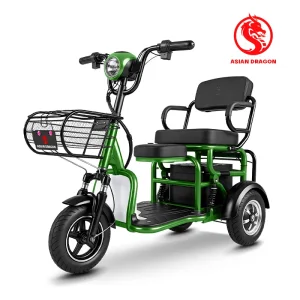
For corporate campuses and municipal ridesharing programs, we supply lightweight, foldable electric bikes equipped with integrated tracking arrays. These vehicles are designed for low maintenance, helping fleet operators lower operational overhead.
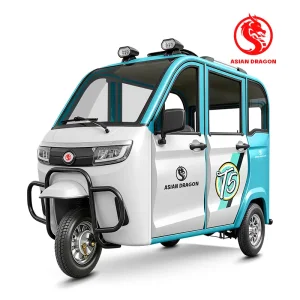
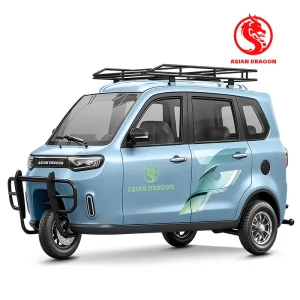
In rural areas and smaller towns, electric passenger trikes serve as a primary mode of local transport. Models such as our enclosed passenger trikes and two-seater models offer protection from weather conditions and provide reliable family transport.
Sourcing commercial vehicles globally requires careful management of quality consistency, production timelines, and logistics. Linyi Fulong New Energy Co., Ltd. uses a structured workflow to support our global partners:
| Phase | Process Details | Quality Gates |
|---|---|---|
| 1. Technical Specs | Define performance parameters, motor wattage, battery type, and regulatory compliance. | CAD sign-off and material specification sheet approval. |
| 2. Prototype Build | Construct a functional sample vehicle to test geometry, electrical configuration, and handling. | Stress testing of the frame and thermal profiling of the battery. |
| 3. Mass Assembly | Run continuous production with automated chassis welding and components integration. | In-line testing of motor efficiency and controller performance. |
| 4. Export Logistics | Pack products securely in seaworthy containers with optimized layouts to lower shipping costs. | Container packing inspections and battery safety certifications (UN38.3). |
We provide custom solutions for regional markets, including custom-tuned controller configurations for local speed limits, and frame adjustments for specific terrain requirements.
The light electric vehicle industry is evolving quickly, driven by new battery chemistries and digital connectivity. Key trends shaping the future of global sourcing include:
Frequently asked questions regarding bulk pricing, customization options, and international shipping protocols.
Explore our full line of passenger trikes, cargo solutions, and customized urban commuting vehicles.
 Asian Dragon