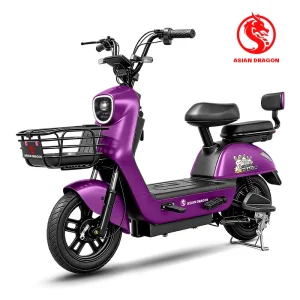
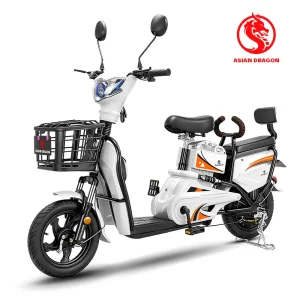
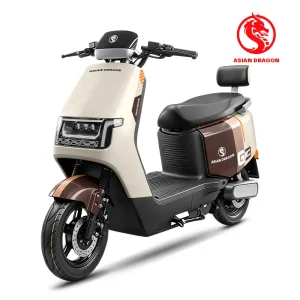
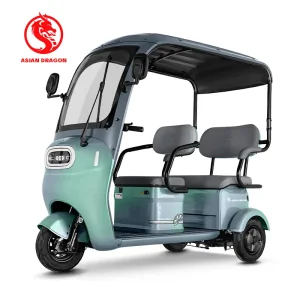
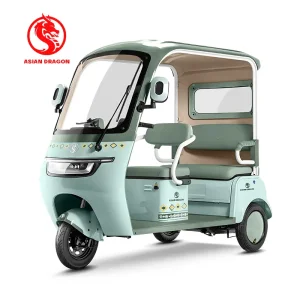
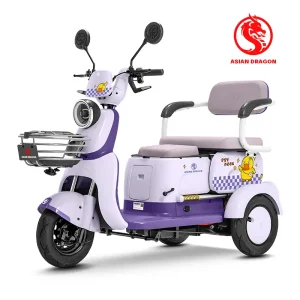
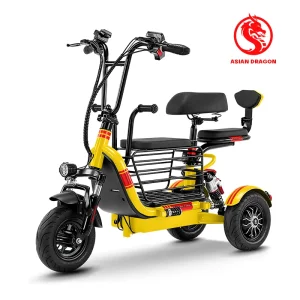
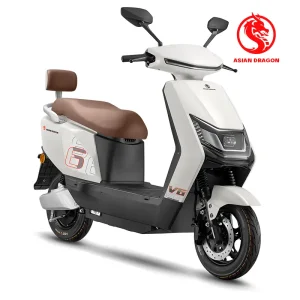
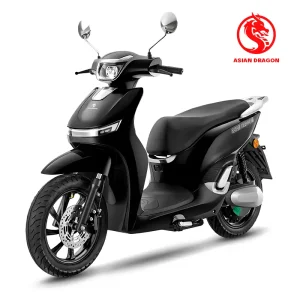
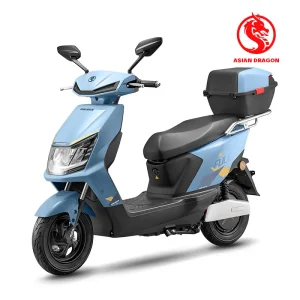
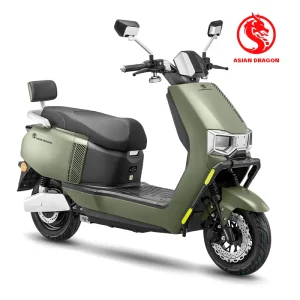
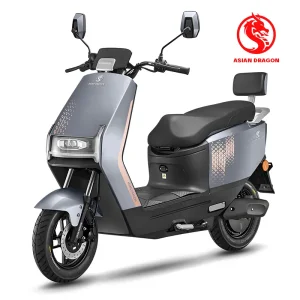
The global urban mobility paradigm is shifting rapidly from conventional fossil-fueled fleets to zero-emission configurations. As cities implement stringent low-emission zones, light electric vehicles (LEVs)—specifically electric trikes (three-wheelers)—have emerged as a pivotal architecture for both urban commuting and last-mile cargo logistics.
In mature markets such as Western Europe and North America, the demand for electric trikes has grown beyond basic personal transportation. Commercial logistics companies, food delivery networks, and family commuters are seeking stable, high-capacity, and weatherproof alternatives to traditional two-wheelers. By utilizing a three-wheel structure, these vehicles eliminate balancing issues, support greater payload distributions, and allow for protective cabin configurations, such as fully enclosed or canopy-based trikes.
This evolution has been catalyzed by improvements in battery management systems (BMS), permanent magnet brushless DC (BLDC) motors, and high-tensile frame metallurgy. The modern electric trike is no longer a slow-moving utility cart; it is an engineered transport vehicle capable of driving at typical urban speeds with a single-charge range of up to 100 kilometers.
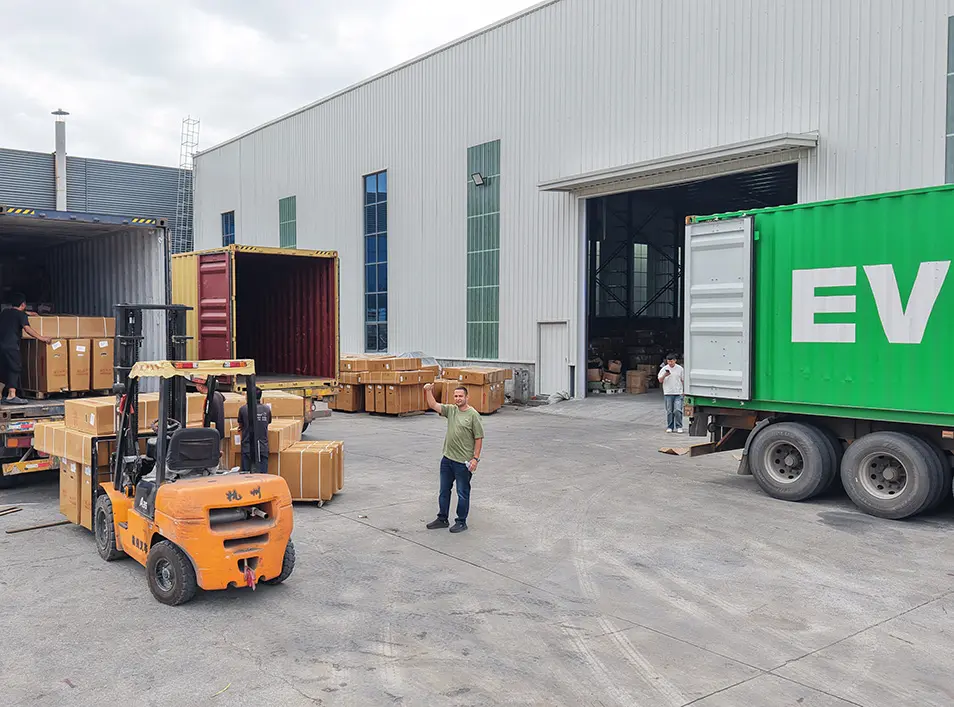
A leading-edge Chinese facility delivering world-class electric mobility options, combining automated supply chains with precise OEM/ODM execution.
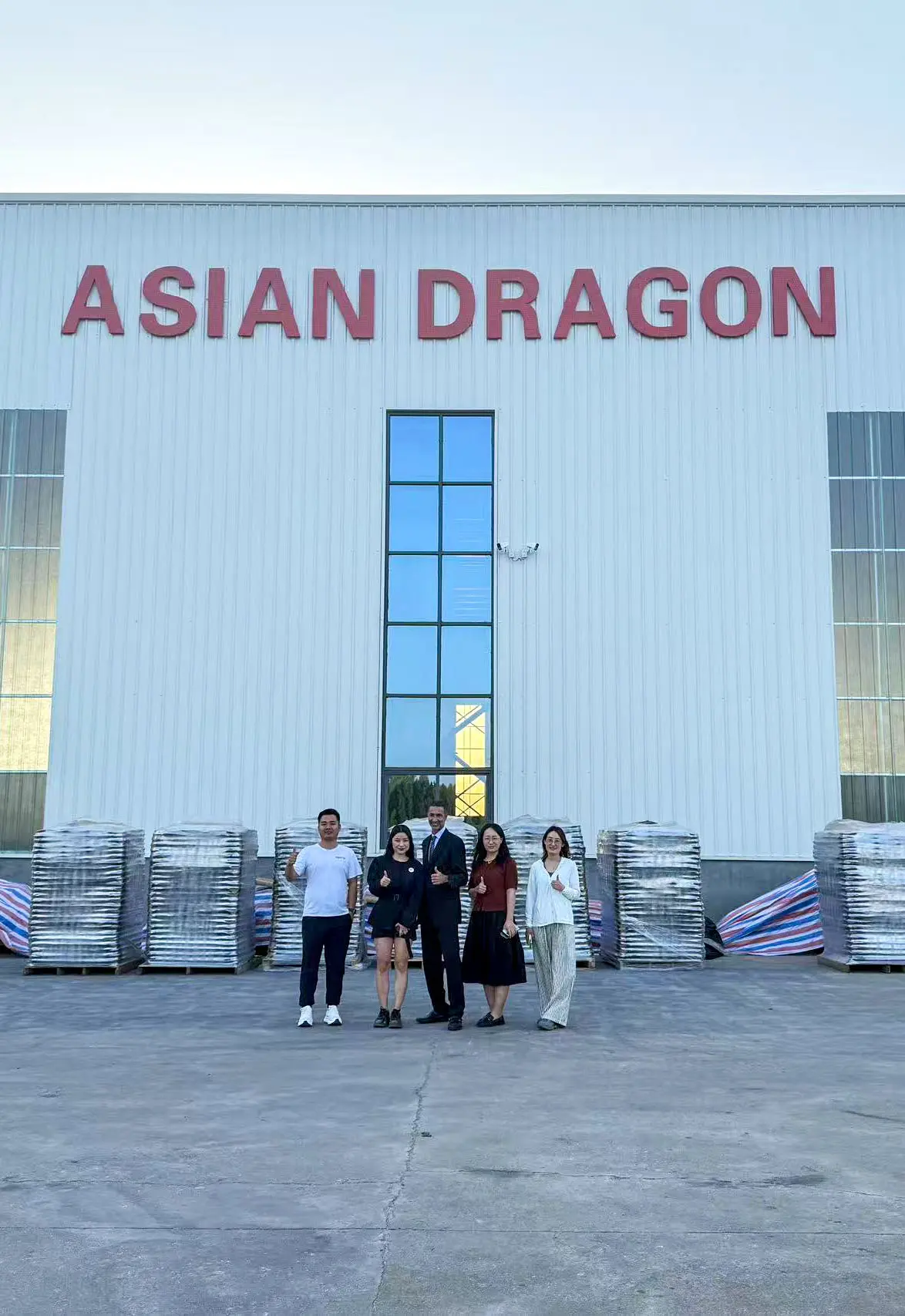
Established in 2017, Linyi Fulong New Energy Co., Ltd. has developed into a comprehensive enterprise integrating the research and development, manufacturing, and direct sales of electric two-wheelers and three-wheelers, backed by a complete industrial supply chain. Over our decade-long path in the sector, we have engineered dynamic scaling capabilities, achieving an annual production capacity exceeding 500 thousand (500,000) units.
We adhere to a philosophy where "customer first, quality first" functions as our operational foundation. We select premium raw materials and utilize rigorous incoming quality checks. Simultaneously, our factory integrates advanced production line robotics to achieve high-precision control across all automated processes. Every unit undergoes strict quality checks before final packing and dispatch.
Our facility spans over 20,000 square meters of specialized production workspace, ensuring we can handle bulk orders for global partners in over 90 countries and regions.
Navigating cross-border regulatory frameworks is critical. We ensure that our vehicles meet target country regulations, including EEC/COC certification for the European Union, DOT/EPA requirements for North America, and ADR guidelines for Oceania. Our logistics team handles tariff optimization and export customs documentation.
We offer extensive custom integration options. Our engineering teams configure mechanical components, battery layouts (Lithium Iron Phosphate vs. Lead-Acid), motor controllers, and exterior paneling to match your brand requirements. This is supported by our "Precision Matching" customization framework.
Our quality control protocols include weld integrity testing, high-current battery cycle analysis, water immersion tests for electric hubs, and dynamic dyno checks. This system ensures consistent performance in demanding commercial roles, such as municipal logistics and industrial material transport.
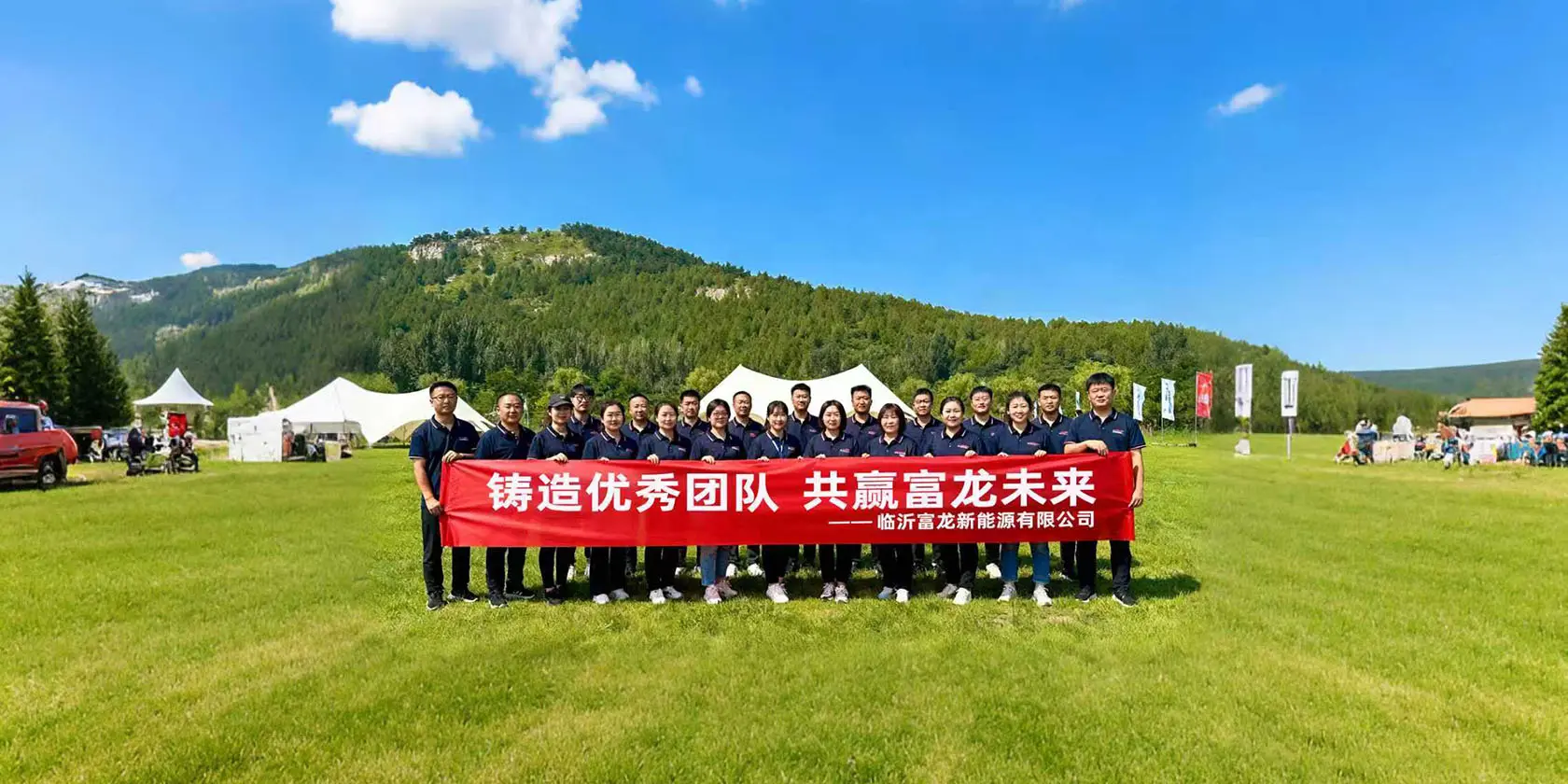
Our vehicle design process is guided by the specific needs of different end-user demographics:
Compare mechanical architectures, motor output profiles, and battery setups across our primary model categories.
| Model Category | Motor Configuration | Battery Chemistry | Range Capability | Target Load Capacity | Key Application Scenario |
|---|---|---|---|---|---|
| Heavy-Duty E-Trike | 800W - 1200W BLDC Hub Motor | LiFePO4 or SLA (60V/72V) | 70 km - 90 km | 400 kg | Commercial Logistics / Cargo |
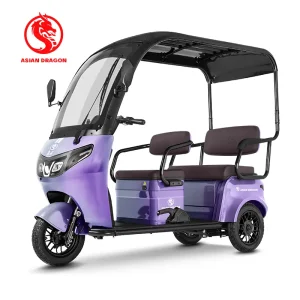
| Enclosed Commuter Trike | 800W Integrated Mid-Motor | Lead-Acid or Li-ion (48V/60V) | 60 km - 80 km | 250 kg | All-Weather Family Transport |
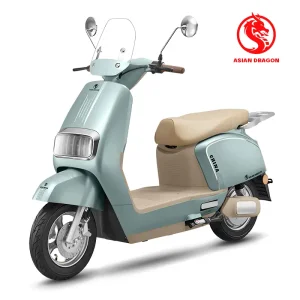
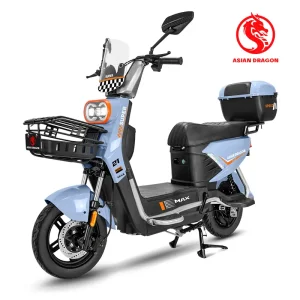
| Urban E-Scooter | 500W - 800W Brushless Hub | Lithium-ion (48V) | 50 km - 70 km | 150 kg | Student & Daily Commute |
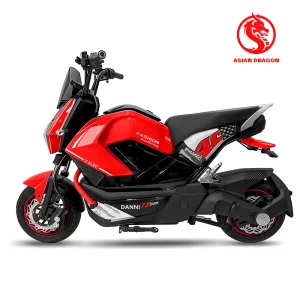
| Off-Road E-Motorcycle | 1000W - 1500W High Torque | Lithium-ion (72V) | Up to 120 km | 180 kg | Adventure & Rough Terrain |
Important considerations for volume sourcing, logistics, engineering, and factory customization.
 Asian Dragon