 Asian Dragon
1. Executive Summary & The Macro Shift in Micro-Mobility
The global micro-mobility ecosystem is undergoing a dramatic structural transition. Faced with rising fuel tariffs, stringent municipal emission frameworks, and an acute need to solve the "last-mile" logistical bottleneck, corporations worldwide are seeking scalable electric transportation frameworks. Central to this paradigm shift is the custom engineering and procurement of light electric vehicles (LEVs)—specifically commercial-grade E-Bikes, high-capacity E-Tricycles, and performance-tuned E-Motorcycles.
As wholesale buyers, enterprise importers, and logistics networks assess potential manufacturing partners, design architecture has emerged as the definitive performance differentiator. Simply sourcing stock items no longer suffices. True commercial viability is driven by specialized mechanical geometry, intelligent thermal mitigation in battery management systems (BMS), high-yield electric powertrain calibration, and adherence to varying international safety certifications. This whitepaper establishes a foundational framework for evaluating global manufacturing plants and designing customizable E-Bikes built for long-lifecycle industrial operations.
"The convergence of IoT-enabled fleet telematics and high-density cell chemistry represents the next technological frontier for electric fleet customization. High information gain in this procurement domain requires shifting focus from raw manufacturing capacity to system design adaptability."
2. Decoding Global B2B Procurement Needs
Enterprise procurement vectors for commercial micro-mobility solutions differ profoundly from consumer-retail markets. While retail consumers prioritize aesthetics and generic comfort features, global fleet operators—including on-demand delivery apps, municipal bike-share platforms, and cargo transit entities—demand designs tailored to the following metrics:
Lifecycle Durability & TCO
Evaluating the Total Cost of Ownership (TCO) means assessing structural resilience. Fleet operations dictate structural components constructed from reinforced alloys (e.g., Al-6061 or Al-6069) with robotic double-pass TIG welds to prevent stress cracks under constant payload load cycles.
Modular Battery Form-Factors
Sourcing programs must align with standardized battery topologies. Quick-swap lithium-ion modules featuring CAN-bus communication links enable fleets to run 24/7 with hot-swappable docking stations, minimizing static charging downtime.
Fleet Management Telematics
Commercial E-bikes must be smart. Built-in IoT modules with standard GNSS positioning, 4G LTE-M connectivity, and direct integration with fleet operations software allow real-time diagnostic reporting, geofencing, and remote immobilisation capabilities.
By mapping these distinct criteria, sourcing agents can bypass low-tier assembly lines and interface directly with design-capable factories that support original ODM specifications, ensuring that capital expenditure scales into operational longevity.
3. Corporate Capabilities: Linyi Fulong New Energy Co., Ltd.
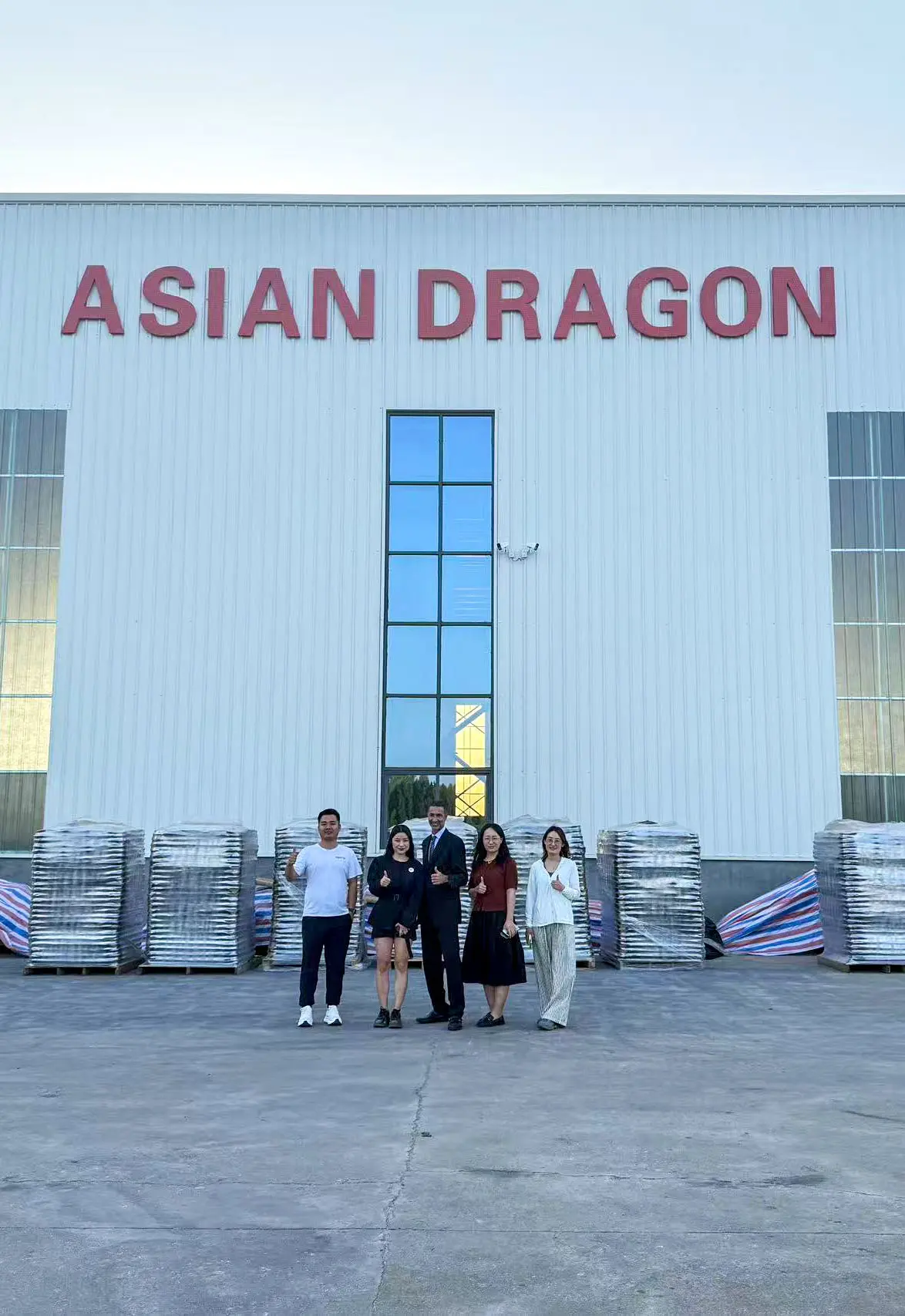
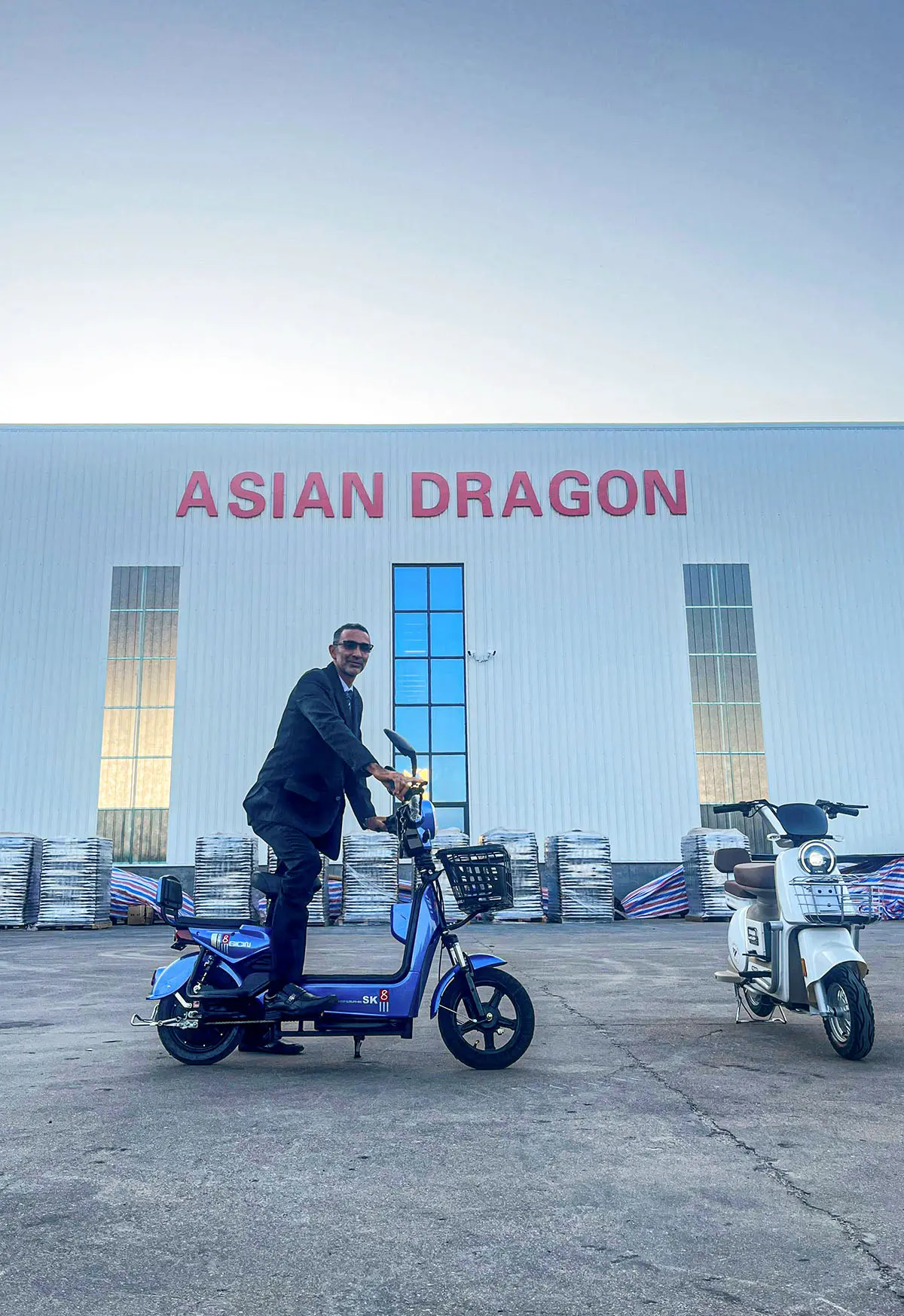
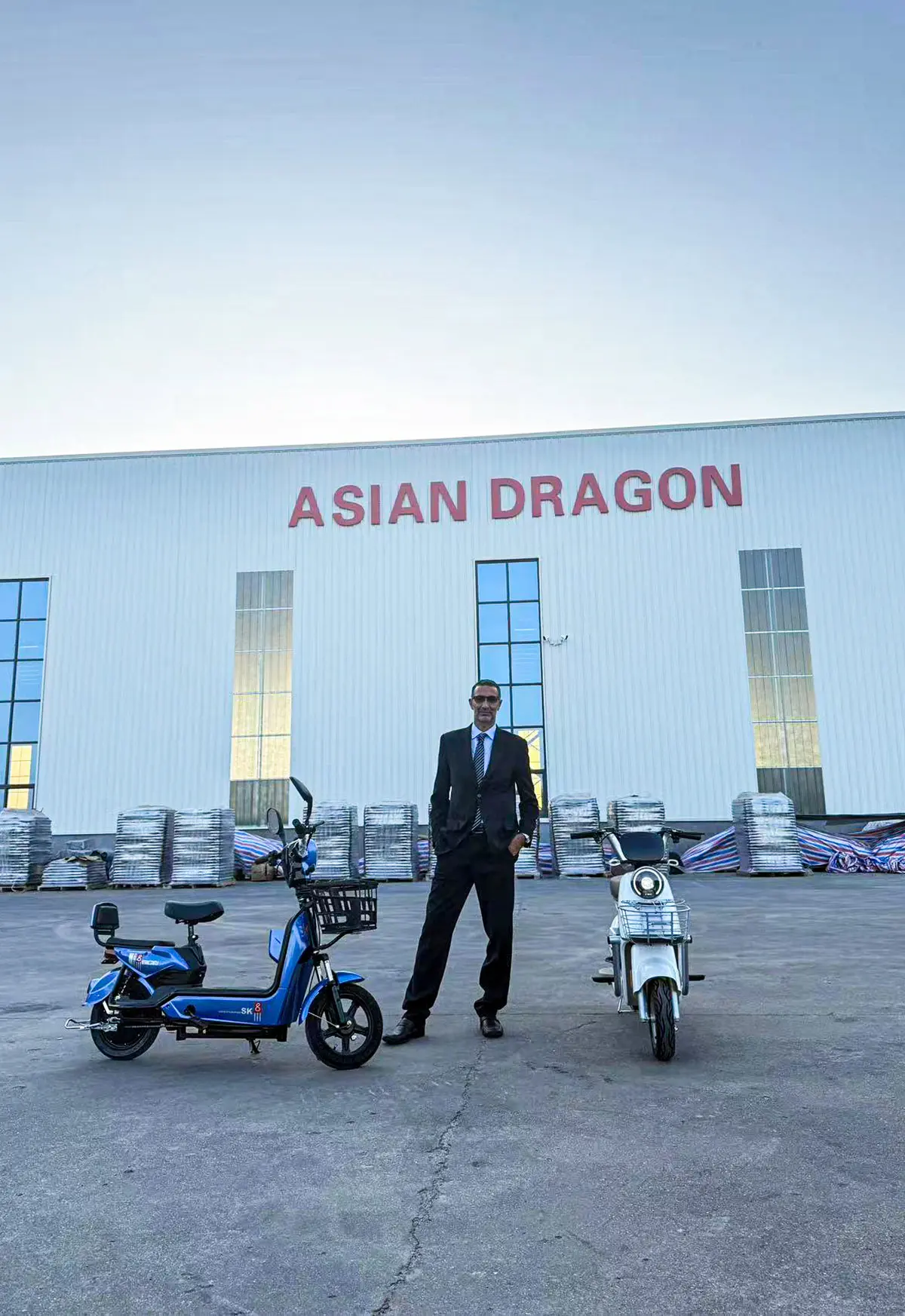
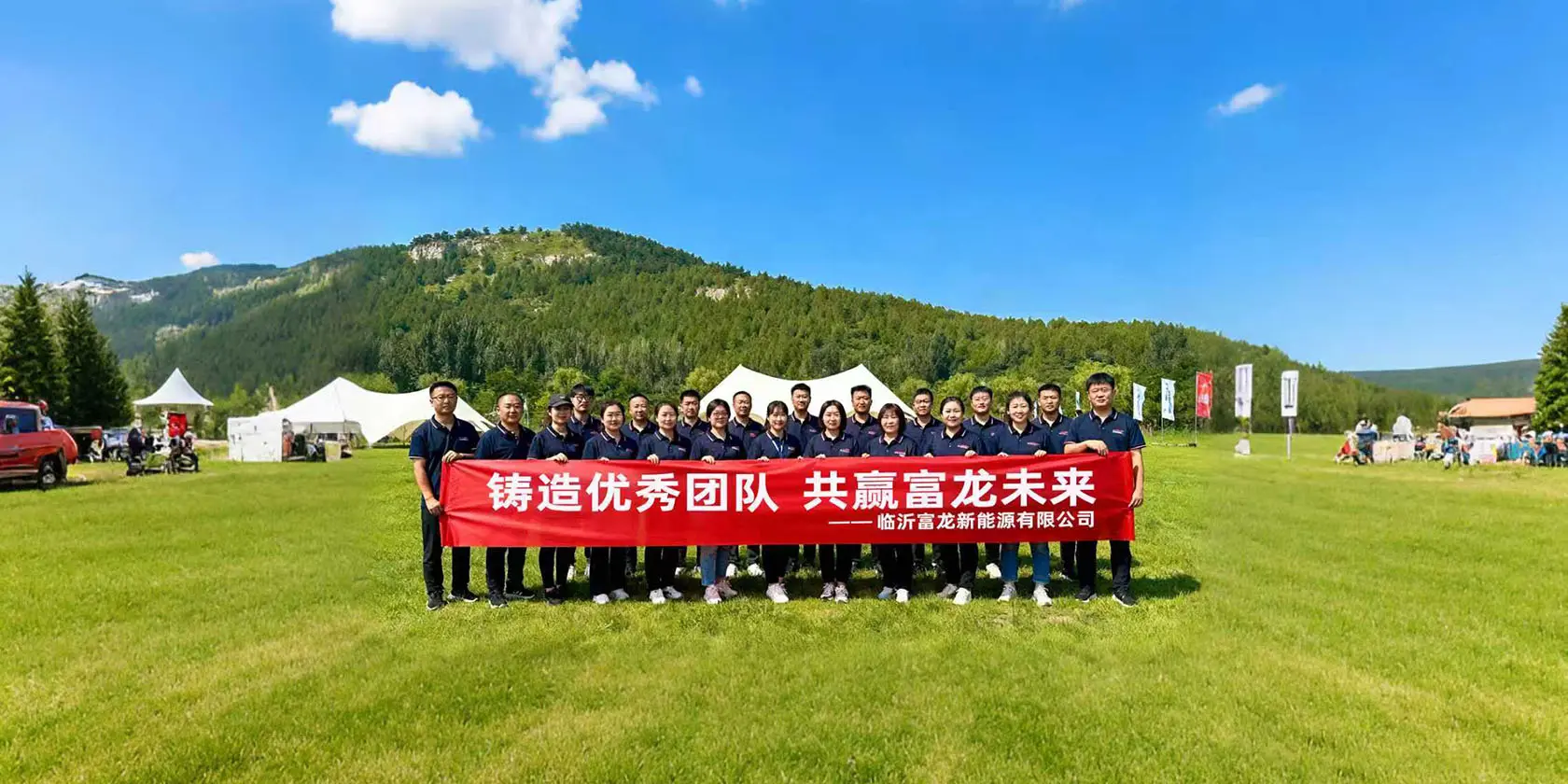
Linyi Fulong New Energy Co., Ltd. has established itself as a premier developer and manufacturer in this domain. Integrating R&D, advanced manufacturing, and direct global distribution channels, the enterprise has optimized its operations to handle large-scale, high-precision wholesale demands.
Strategic Manufacturing Scale
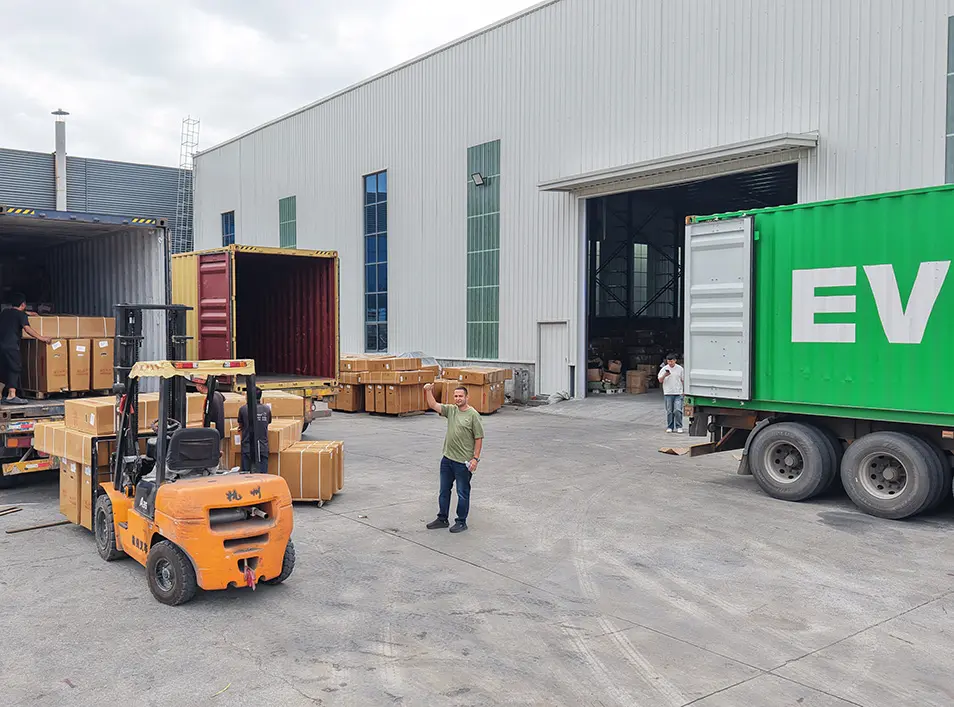
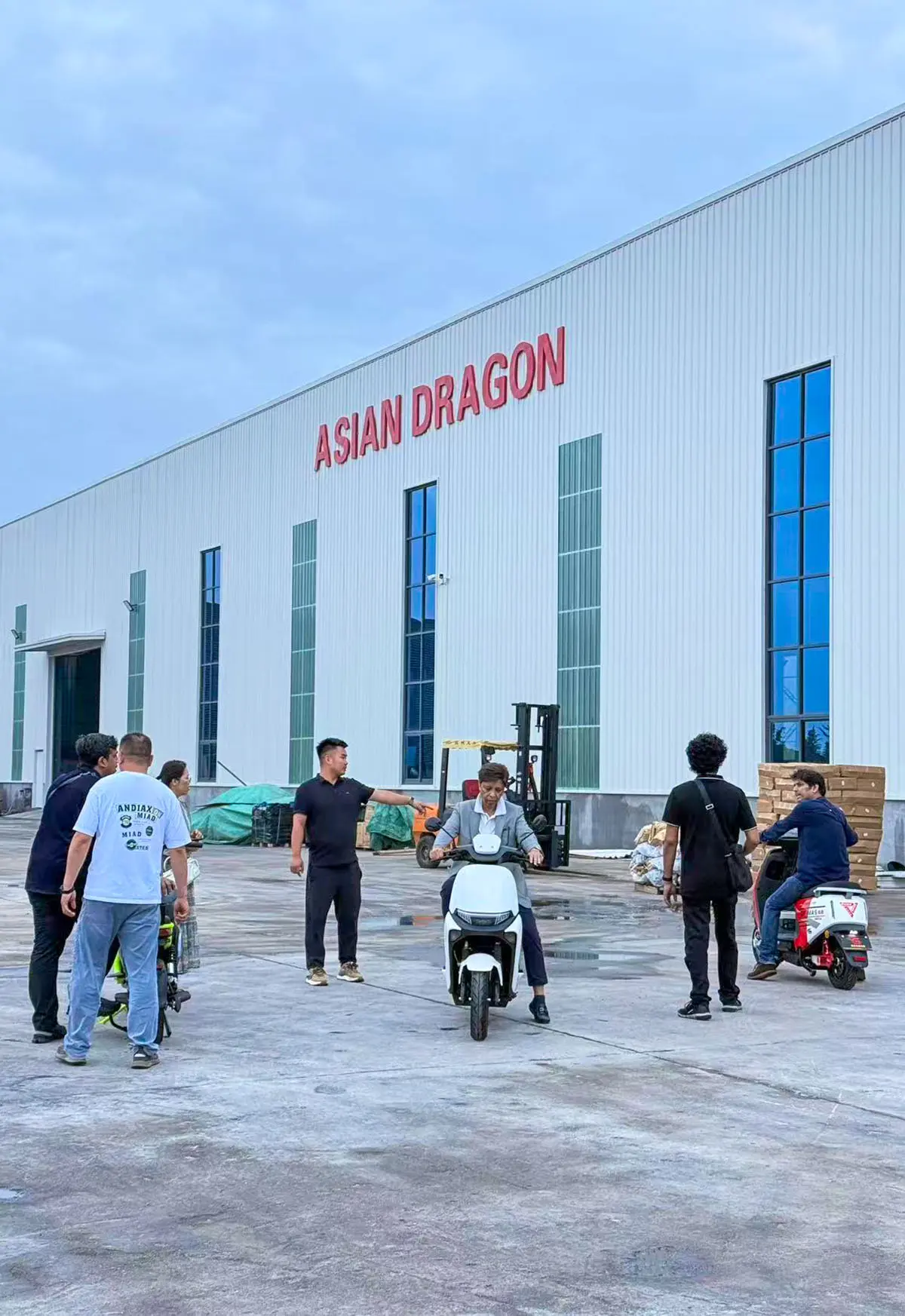
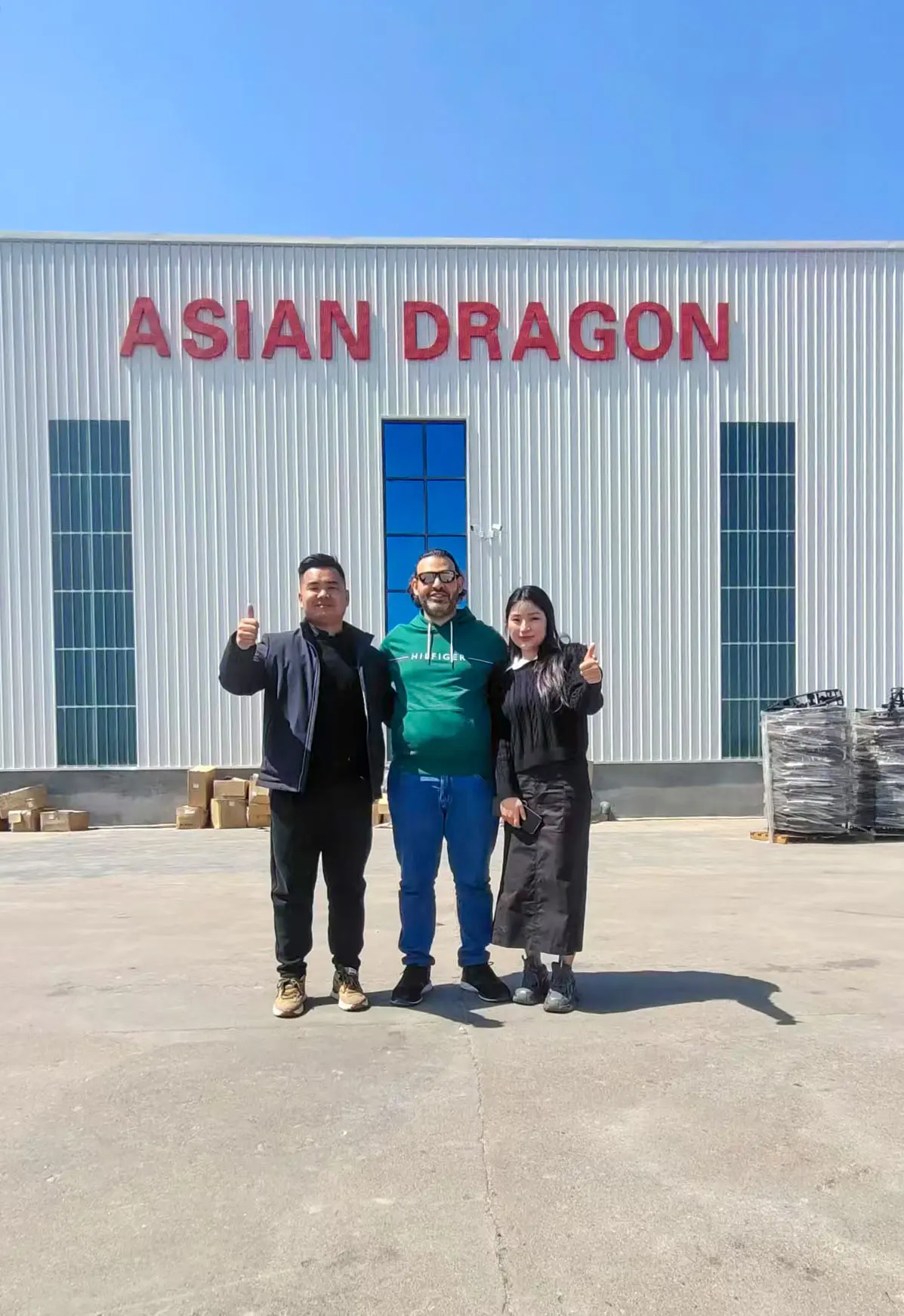
Fulong New Energy operates with an annual production output capacity exceeding 500,000 electric mobility units. The company's fully integrated industrial chain spans mechanical chassis stamping, automatic spray-coating lines, motor winding processes, and specialized dyno-testing benches. By controlling every production link, the factory assures strict compliance with raw material verification and component assembly standards.
Our global footprint spans across North America, the European Union, Southeast Asia, and Latin America. We invite strategic commercial buyers, importers, and fleet managers to arrange factory audits to examine our strict QA procedures first-hand.
4. Macro Industry Solutions: Structural & Application Segments
Different application profiles demand specific structural configurations. High-performance urban commuting presents different design constraints than heavy cargo distribution or group mobility. We classify our primary engineering solutions as follows:
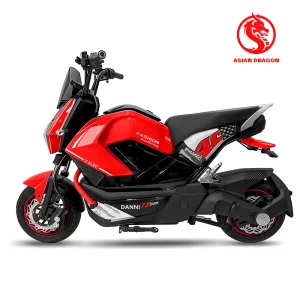
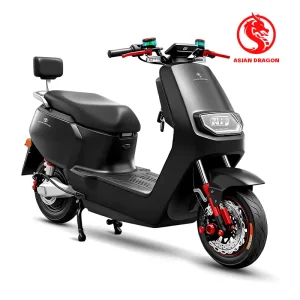
E-Motorcycles
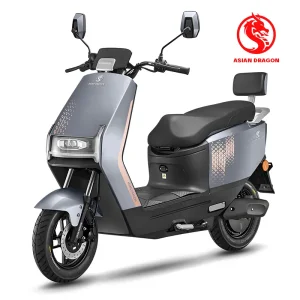
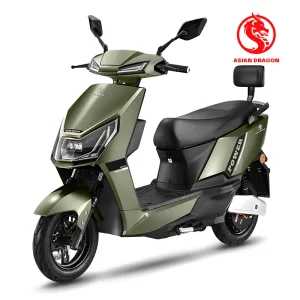
Optimized for high-speed urban commuting and professional express courier delivery, featuring high-torque hub or mid-drive motors and robust, crash-tested outer frames.
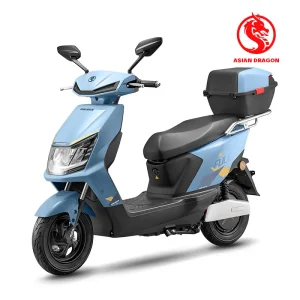
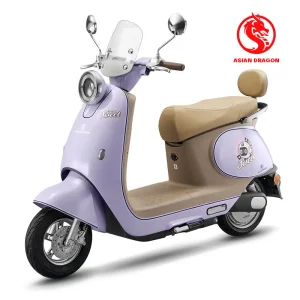
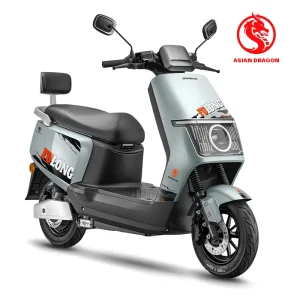
E-Scooters
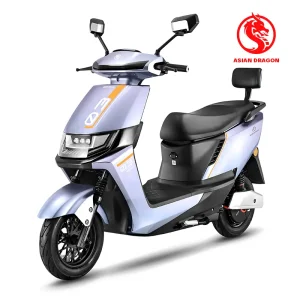
Agile, light-footprint designs tailored for dense metropolitan cores. Engineered with simple controls, rapid battery swap, and low step-through geometries.
E-Bikes
Classical pedelec integrations combining human pedaling with smart torque-sensor assist systems. Ideal for commuter utility and short-range parcel dropoffs.
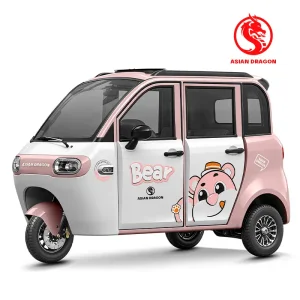
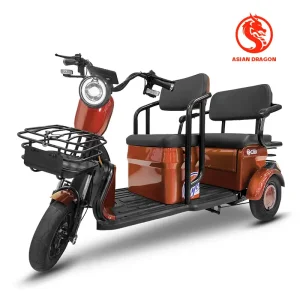
E-Tricycles
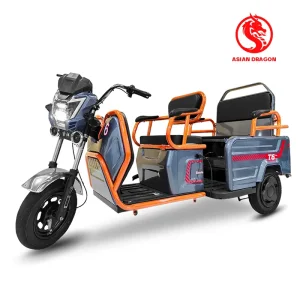
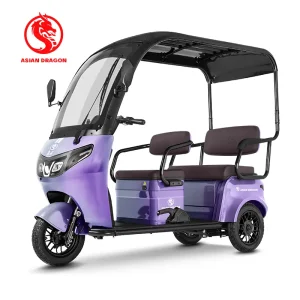
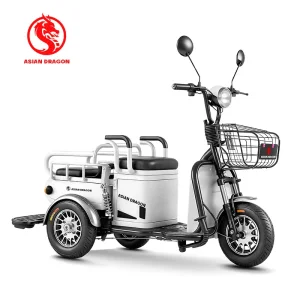
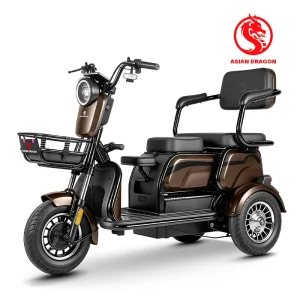
High-capacity stable trikes designed for passenger shuttle and heavy cargo transport. Built with a low center of gravity and integrated differential gearboxes.
5. Technology Roadmap & Future Outlook (2025–2030)
As we project market demands towards 2030, E-Bike and E-Motorcycle design will transcend basic mechanics. Future-proofing custom product lines requires heavy R&D investment in software and electrical architectures:
- Sodium-Ion & LFP Transition: Moving away from cobalt-heavy chemistries, factories are actively designing frames to accommodate larger, safer Sodium-Ion and LFP (Lithium Iron Phosphate) cell matrices, which offer lower raw material costs and enhanced thermal stability.
- FOC Vector Controllers: Next-generationField-Oriented Control (FOC) motor controllers match the rider's cadence and terrain incline instantaneously, offering efficiency improvements of up to 15% and generating less heat during long duty cycles.
- AI Predictive Analytics & Telematics: On-board hardware will soon include machine-learning models running on edge processors. These systems will anticipate mechanical component wear (such as braking system degradation and battery cell degradation) before a physical breakdown occurs.

6. Localization Support, Customization, & Compliance Assurance
A critical point of failure in global wholesale vehicle sourcing is regulatory mismatch. A design built for Asian metropolitan centers might fail European EN15194 pedelec type approval or American UL 2849 safety certifications. Our design process factors in these geographical compliance mandates at the CAD/CAE level:
We work directly with certified laboratories (TUV, SGS, UL) to conduct EMC (Electromagnetic Compatibility) and mechanical stress testing. For the North American market, we offer configurations meeting Class 1, 2, and 3 E-bike designations. For the European market, we customize hub motor configurations to output a continuous nominal power rating of 250W with an assist speed cap of 25km/h to comply with pedelec legislation.
Additionally, we facilitate customized logistics shipping frameworks. To mitigate high import tariffs, we offer Complete Knock-Down (CKD) or Semi Knock-Down (SKD) shipping options, accompanied by detailed assembly manuals and engineering blueprints so local technicians can finalize production smoothly.
Precision Matching Strategy
"We configure customized setups tailored to your demographic requirements. Commuter fleets receive long-range battery packs; delivery services get reinforced rear racks and structural kickstands; and short-distance transit schemes receive lightweight, low-maintenance setups."
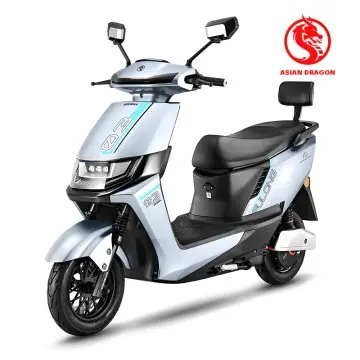
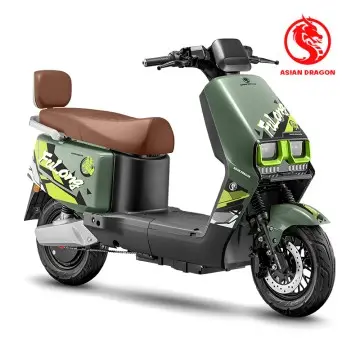
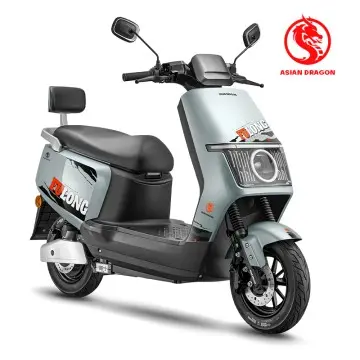
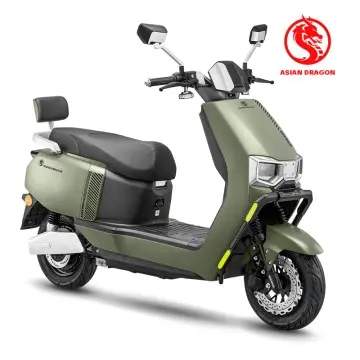
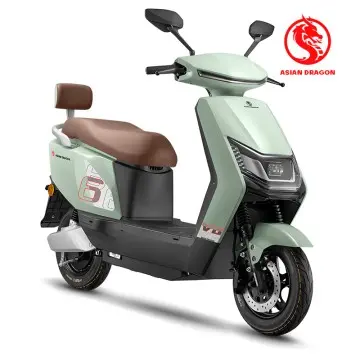
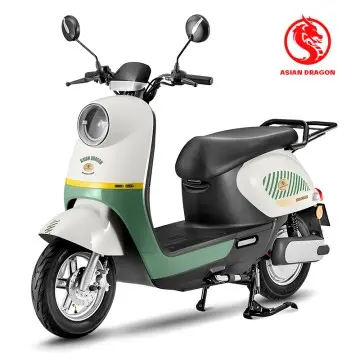
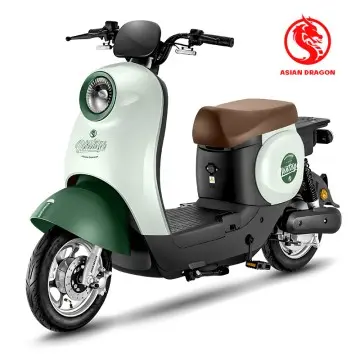
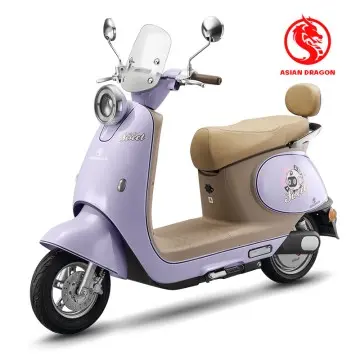
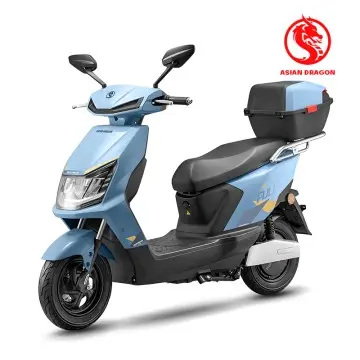
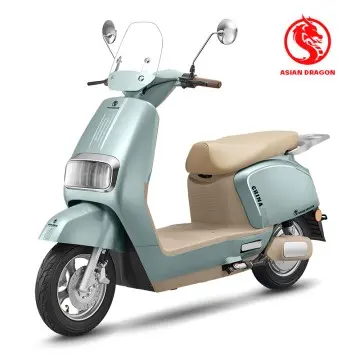
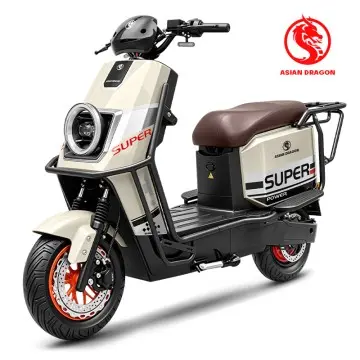
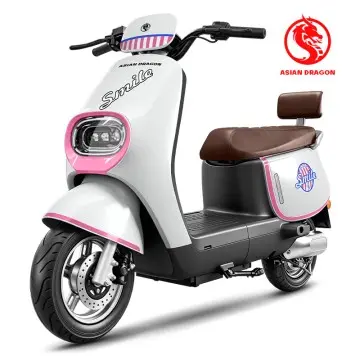
7. Advanced ODM Design Matrix (Custom Solutions Portfolio)
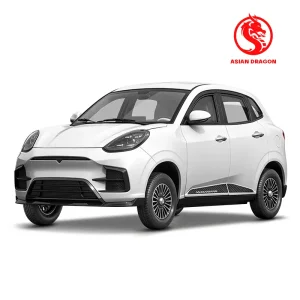
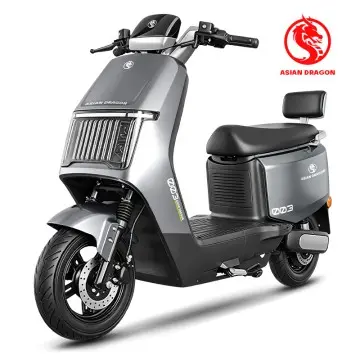
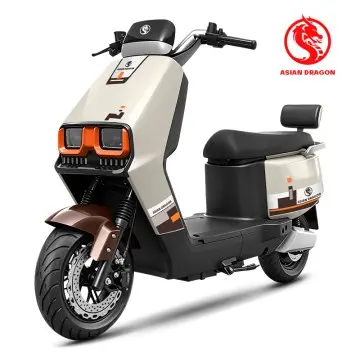
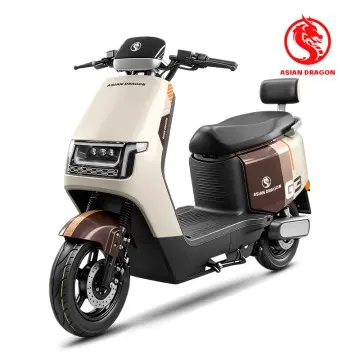
Below is our structural model design matrix, serving as the blueprint for current global exports. These chassis configurations can be modified by our engineers to fit specific motor, controller, battery, and aesthetic brand setups.

8. In-Depth Q&A / FAQ Section for Enterprise Importers
What is the minimum order quantity (MOQ) for custom ODM E-Bike designs?
For custom structural frame configurations or bespoke electronics integration, our standard MOQ starts at 50 units. For minor modifications (such as branding, custom paint finishes, or specific tire selections), the MOQ is lower. Please contact our sales team to discuss trial order setups.
How do you guarantee battery safety and longevity under heavy commercial use?
We integrate tier-one battery cells (LG, Samsung, or Lishen) paired with a smart Battery Management System (BMS) that monitors individual cell temperatures, over-charge, over-discharge, and short-circuit conditions. The battery cases are rated IP67/IP68 for dust and water resistance, protecting the battery in harsh outdoor weather conditions.
Can you provide completely flat-packed CKD shipments to reduce import tariffs?
Yes, we regularly ship in SKD (Semi-Knocked Down) and CKD (Completely Knocked Down) configurations. We provide comprehensive documentation, electronic schematics, and wiring diagrams to facilitate assembly at destination ports, helping our clients minimize customs duty rates.
How are warranty and post-sales spare parts handled internationally?
We supply a standard 1-2% wear-and-tear spare parts kit (including tires, brake pads, lights, and switches) with every batch order. Critical electrical components, such as the motor, controller, and battery pack, are backed by a factory warranty ranging from 12 to 24 months, with fast air-shipping of replacement parts if required.