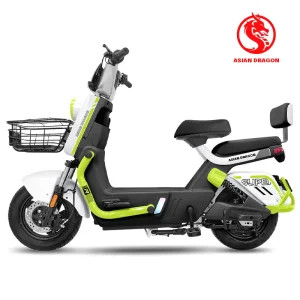
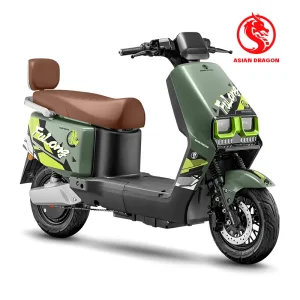
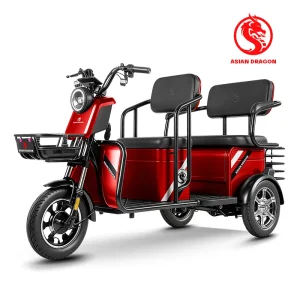
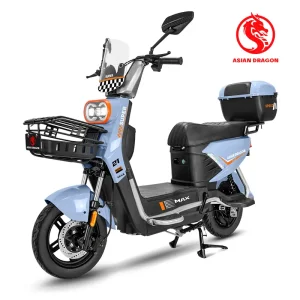
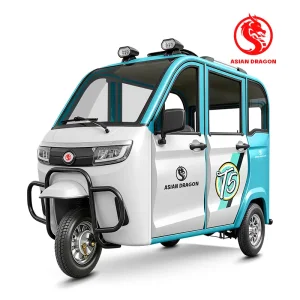
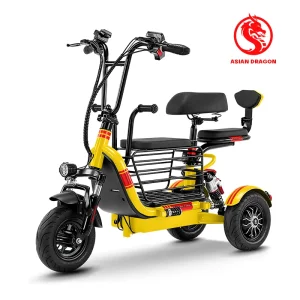
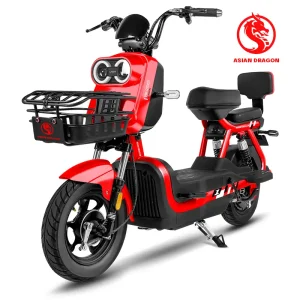
Explore our high-performance electric motorcycles, commuter e-scooters, and robust multi-purpose e-tricycles engineered for global markets.
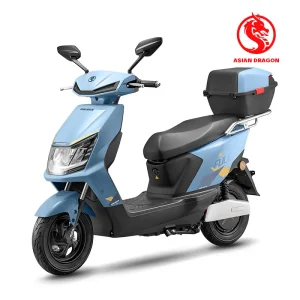
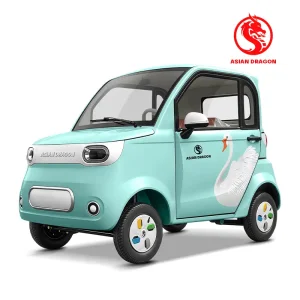
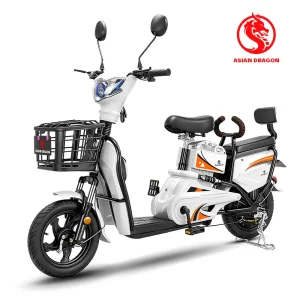
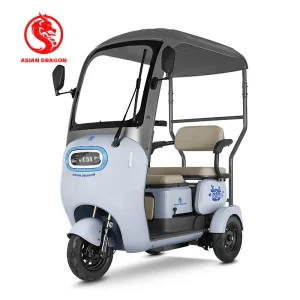
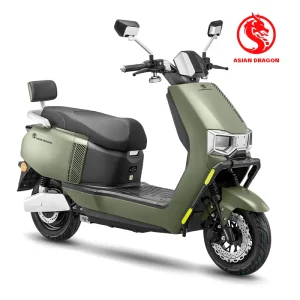
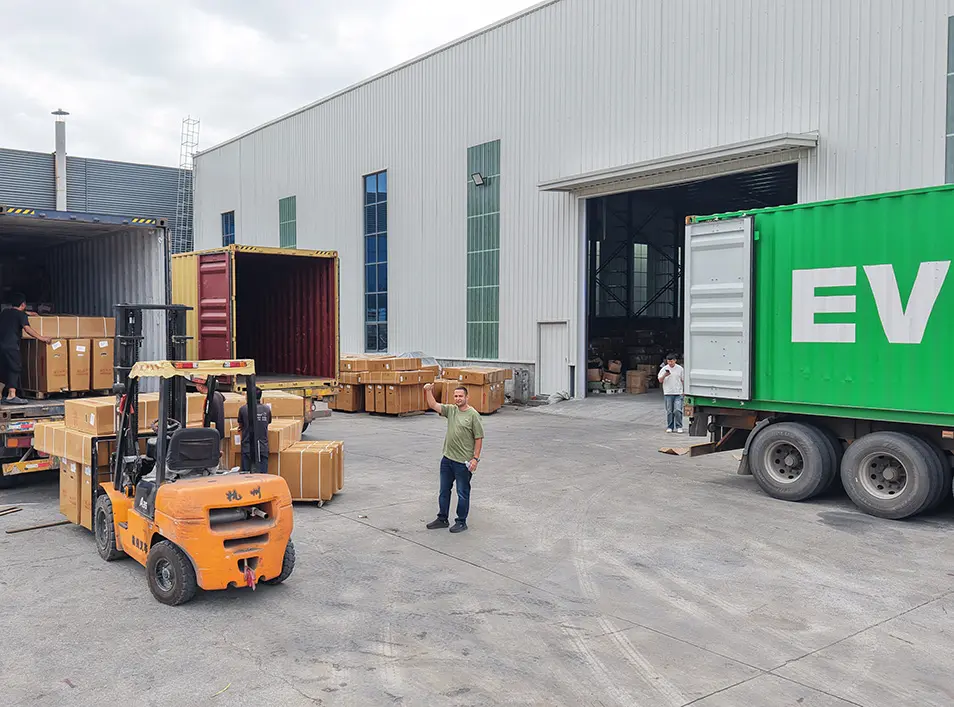
We have developed into a comprehensive enterprise integrating the R&D, production, and sales of electric two-wheelers and three-wheelers, backed by a fully integrated industrial supply chain. With an annual production capacity exceeding 500 thousand units, our products serve commuters and logistics networks in more than 90 countries and regions worldwide.
In an increasingly competitive market environment, our operation is guided by the dual principles of "customer first, quality first". This is not simply a motto, but the operational foundation running through our procurement, automation-assisted assembly, and rigorous outbound quality checks.
How Linyi Fulong New Energy leverages advanced assembly lines and rigorous compliance systems to deliver market-leading commercial electric vehicles.
By utilizing advanced semi-automated chassis welding structures, automated electrostatic spray-painting stations, and real-time dynamometer checking systems, our factory maintains tight tolerances on every electric vehicle produced. Material selection involves partnerships with tier-1 battery suppliers and motor manufacturers. Each batch of lithium-ion and lead-acid batteries undergoes thermal testing and cycle life validation before being integrated into our vehicle designs.
Our automated assembly process reduces mechanical variability, ensuring that bulk orders for regional distributors match the performance metrics of pre-production prototypes. This system allows us to manufacture up to 500,000 units annually while maintaining individual quality metrics.
Before dispatch, every electric motorcycle, scooter, and trike goes through a multi-stage testing protocol. This includes hydraulic shock absorption testing on simulated uneven terrain, braking response tests under full load conditions, and insulation tests for wiring harnesses under high humidity levels.
By simulating continuous exposure to water, mud, and dust, we ensure our vehicles maintain their structural and electrical integrity in diverse international environments. We also perform battery safety evaluations, certifying that charge-discharge metrics comply with international safety regulations to prevent thermal runaways.
Located in the industrial hub of Linyi, we benefit from a mature, highly concentrated regional supply chain. We procure raw metals, motor components, controller chips, and custom injection-molded casings locally, reducing shipping delays and transit costs.
This proximity allows us to adjust to market fluctuations, prototype custom requests, and keep costs competitive. For wholesale buyers, this vertical integration translates to stable pricing structures, shorter lead times, and reliable component replenishment for aftermarket support.
A closer look at our physical facility, assembly lines, and raw material logistics hubs supporting global delivery networks.
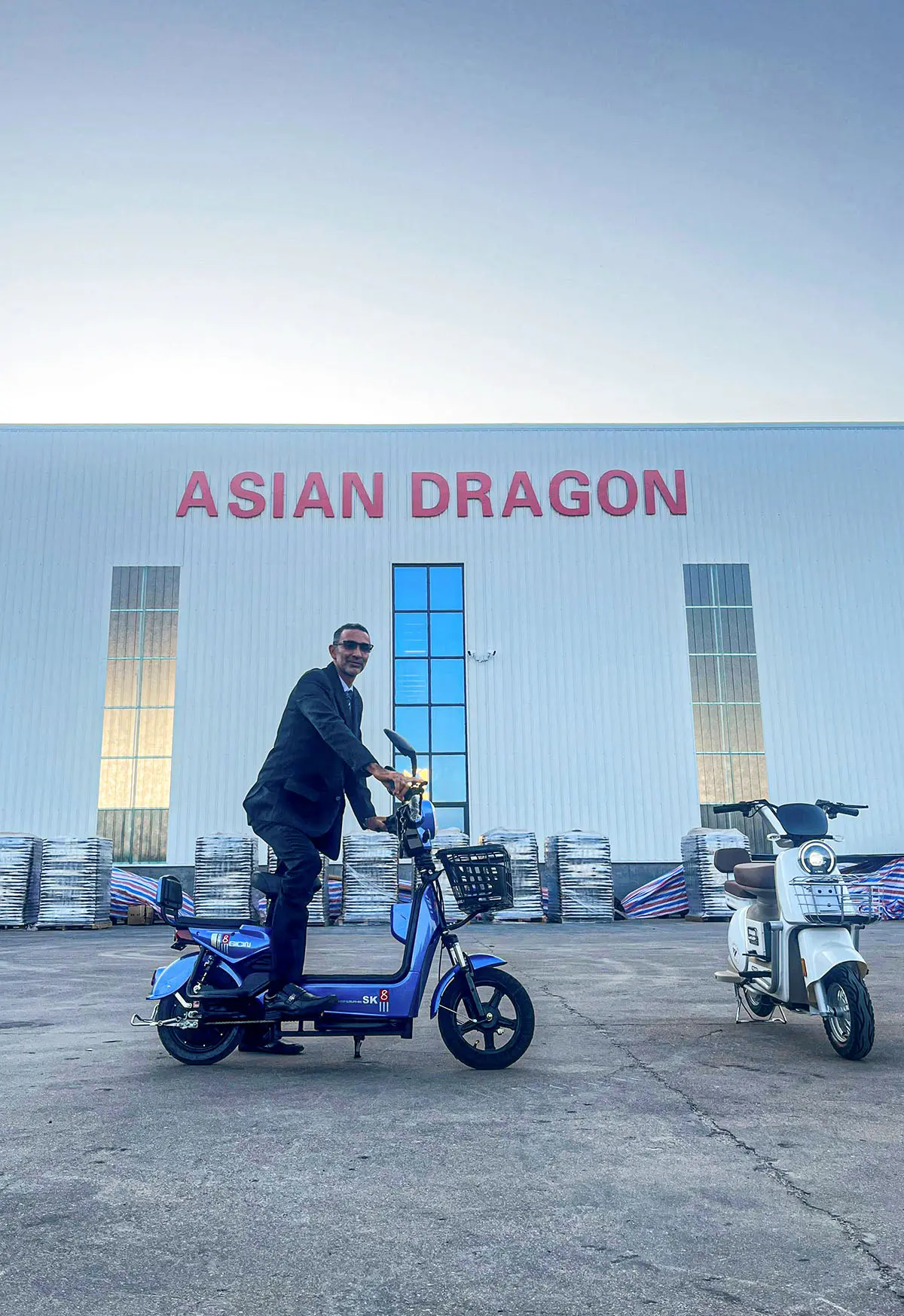
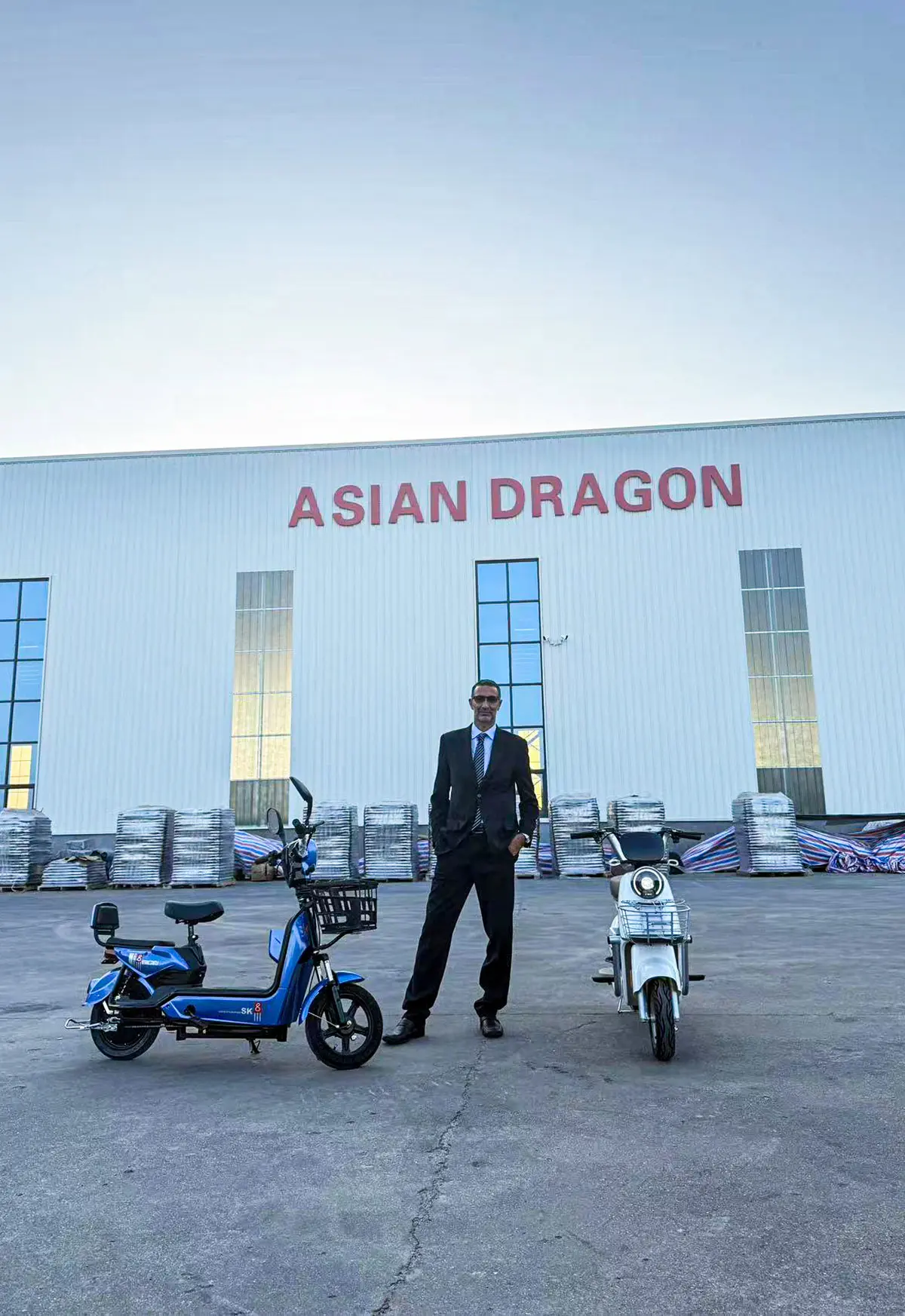
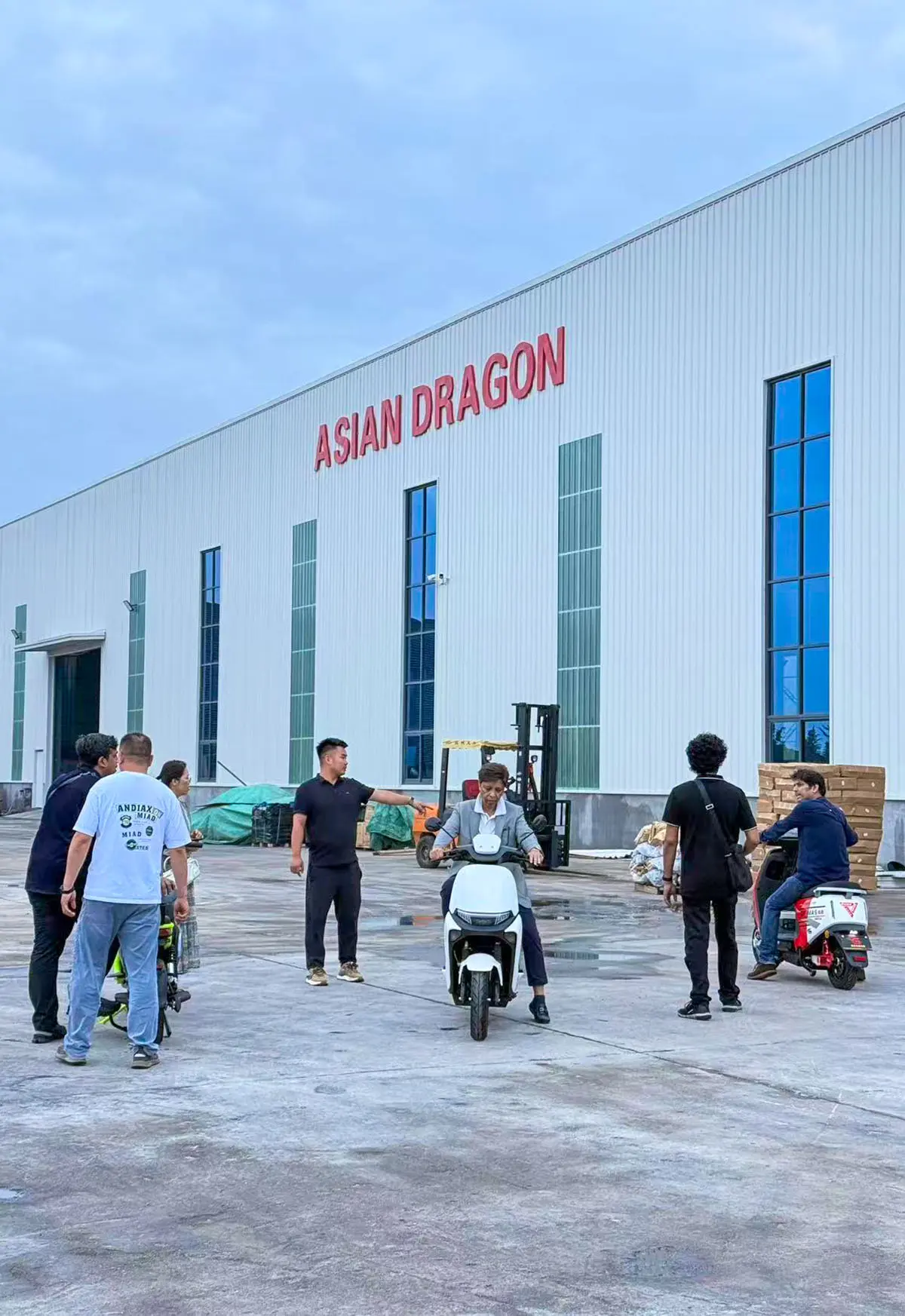
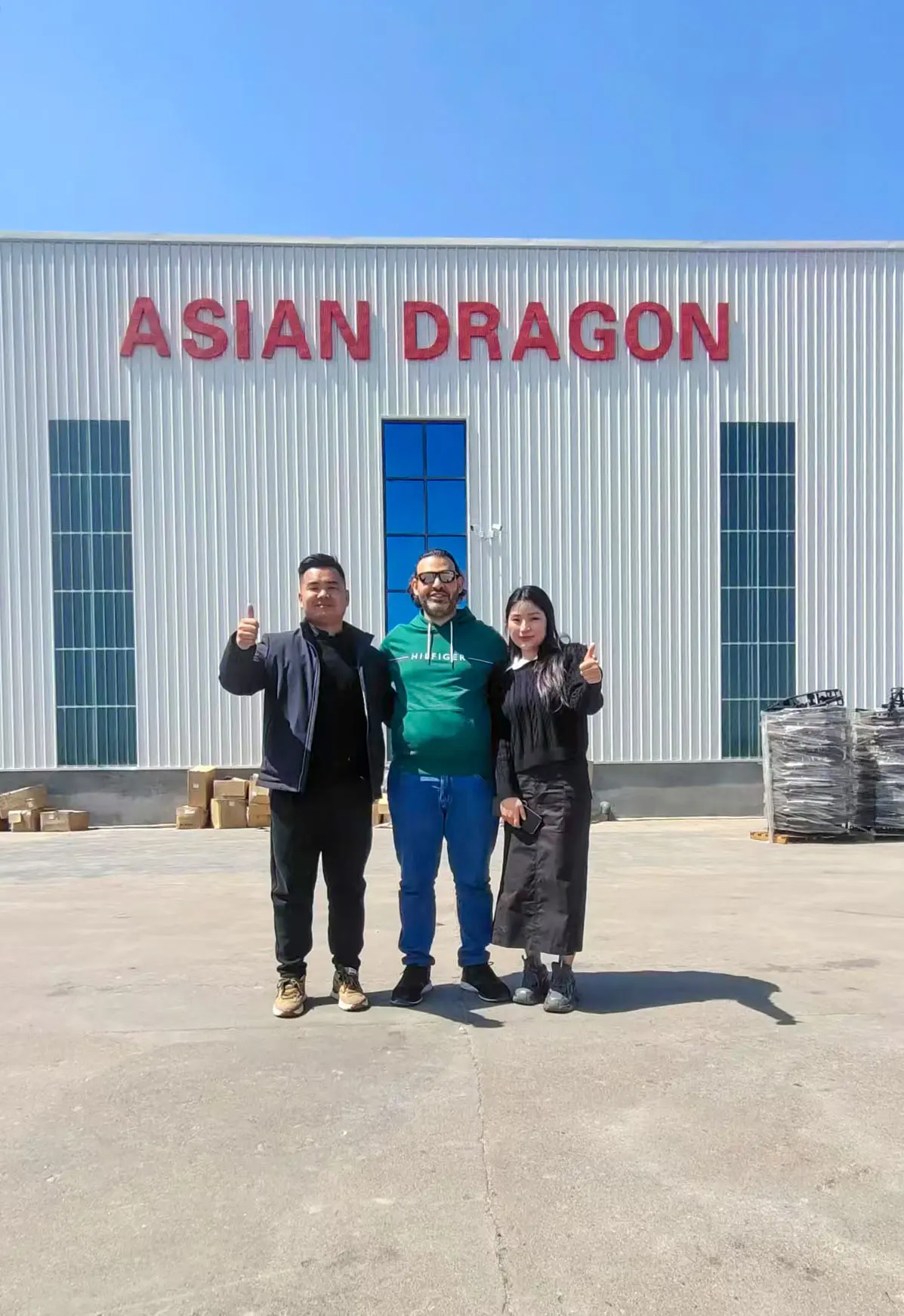
Tailored mechanical specifications, electrical configurations, and body aesthetics designed to match regional customer demographics.
Equipped with high-torque brushless motors, advanced hydraulic shock absorption systems, and high-capacity battery options for performance and extended range.
Affordable, low-maintenance designs with speeds compliant with local regulations, light frames, and integrated tracking systems for commuter safety.
Sleek body contours, modern color options, integrated LED lighting arrays, and smart Bluetooth integrations for urban riders.
Optimized for stop-and-go traffic, utilizing regenerative braking, comfortable seat designs, and front/rear cargo baskets for daily utility.
Navigating international import regulations is a key consideration for global B2B procurement partners. Linyi Fulong New Energy Co., Ltd. provides full support for local homologation processes. Our vehicles are built to align with key global standards, including EEC/COC certification for European road registration, DOT markings for the United States, and EN15194 compliance for electric pedal-assist bicycles.
To simplify the supply chain process for our global partners, we support multiple shipping arrangements, including CKD (Completely Knocked Down) and SKD (Semi-Knocked Down) packaging. This allows importers to minimize local customs tariffs, lower ocean freight costs, and assemble vehicles efficiently in destination markets.
Additionally, we supply comprehensive digital assembly guides, technical training videos, and structured wiring diagrams. This ensures your local technical support staff can perform diagnostics, maintenance, and replacement tasks without delay, reinforcing customer satisfaction.
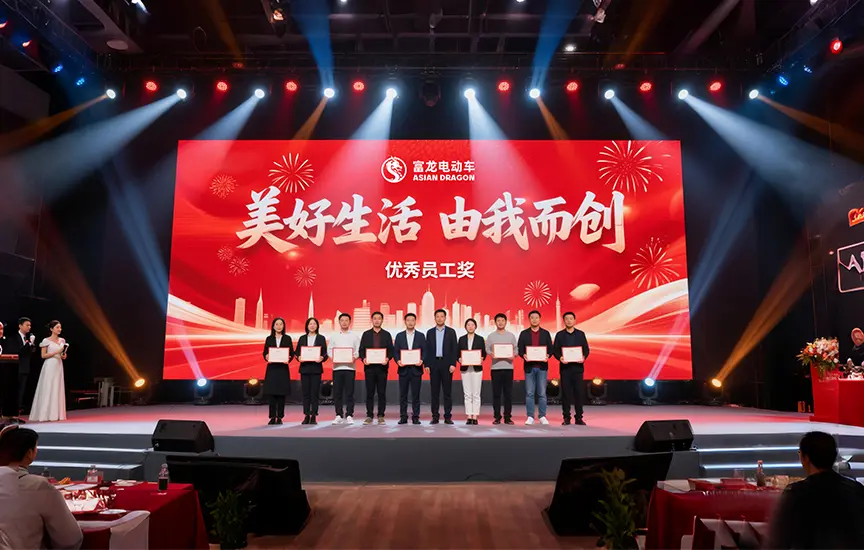
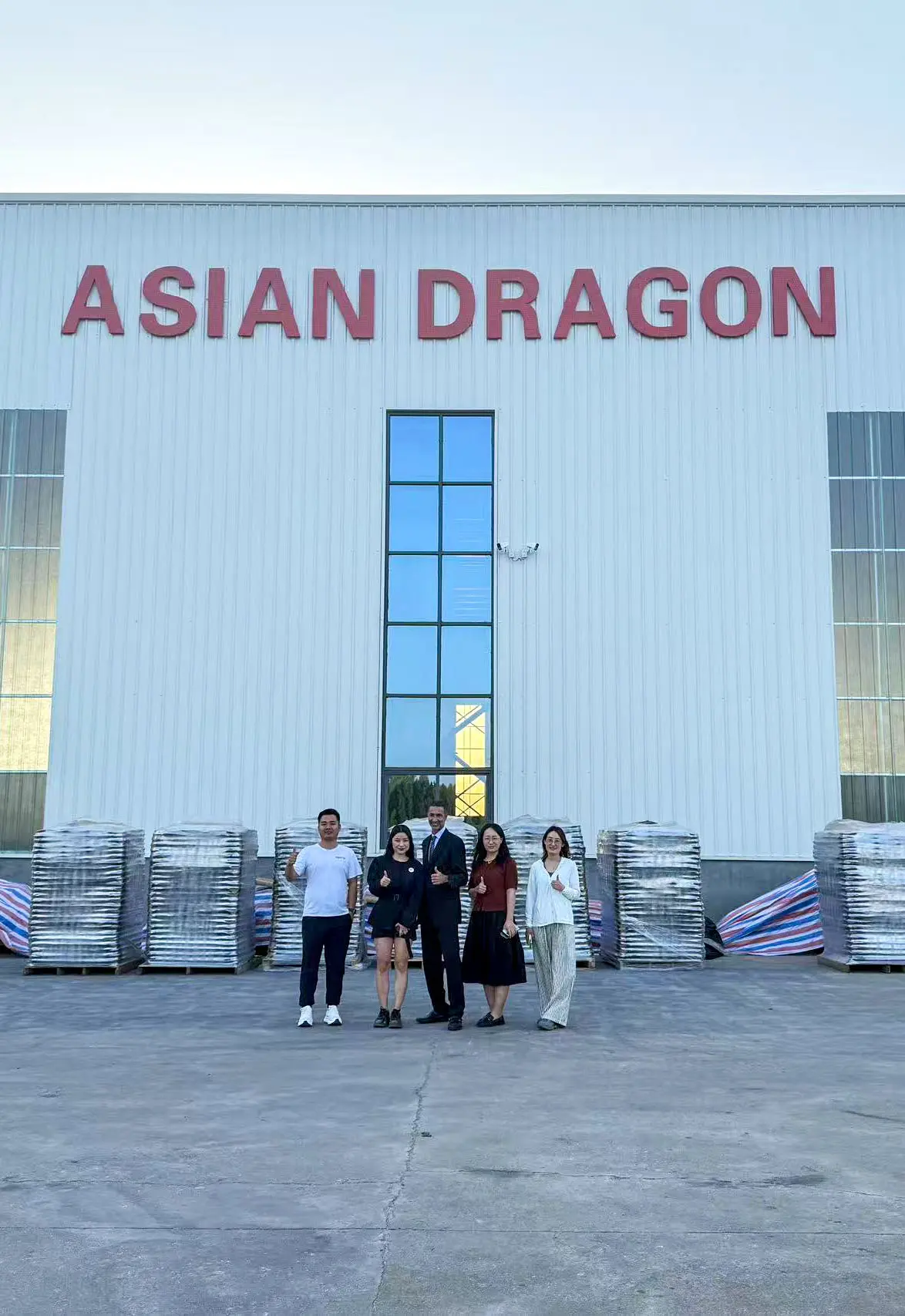
We welcome international distributors, logistics companies, and retail brands to visit our physical facilities and inspect our operations first-hand.
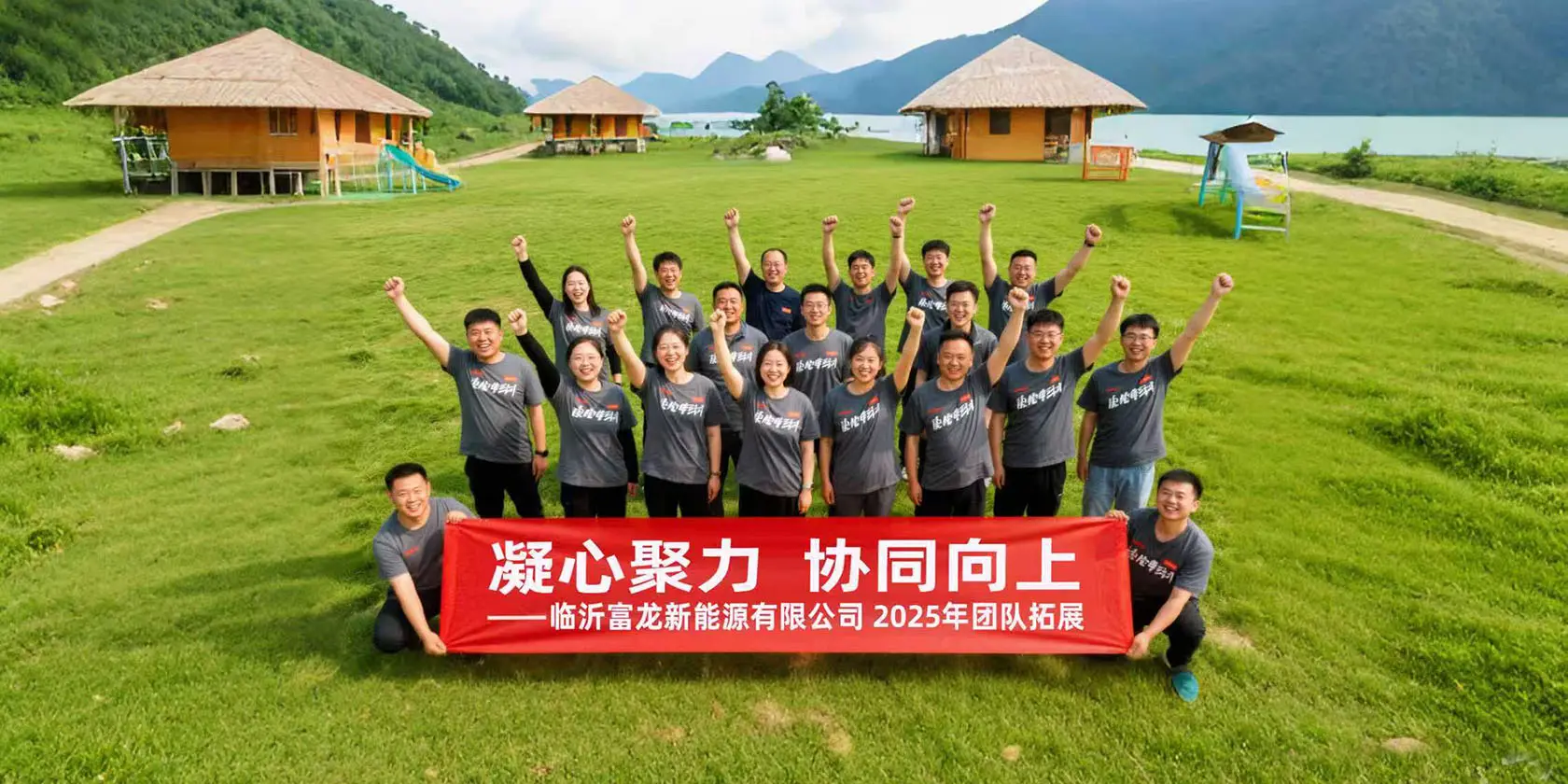
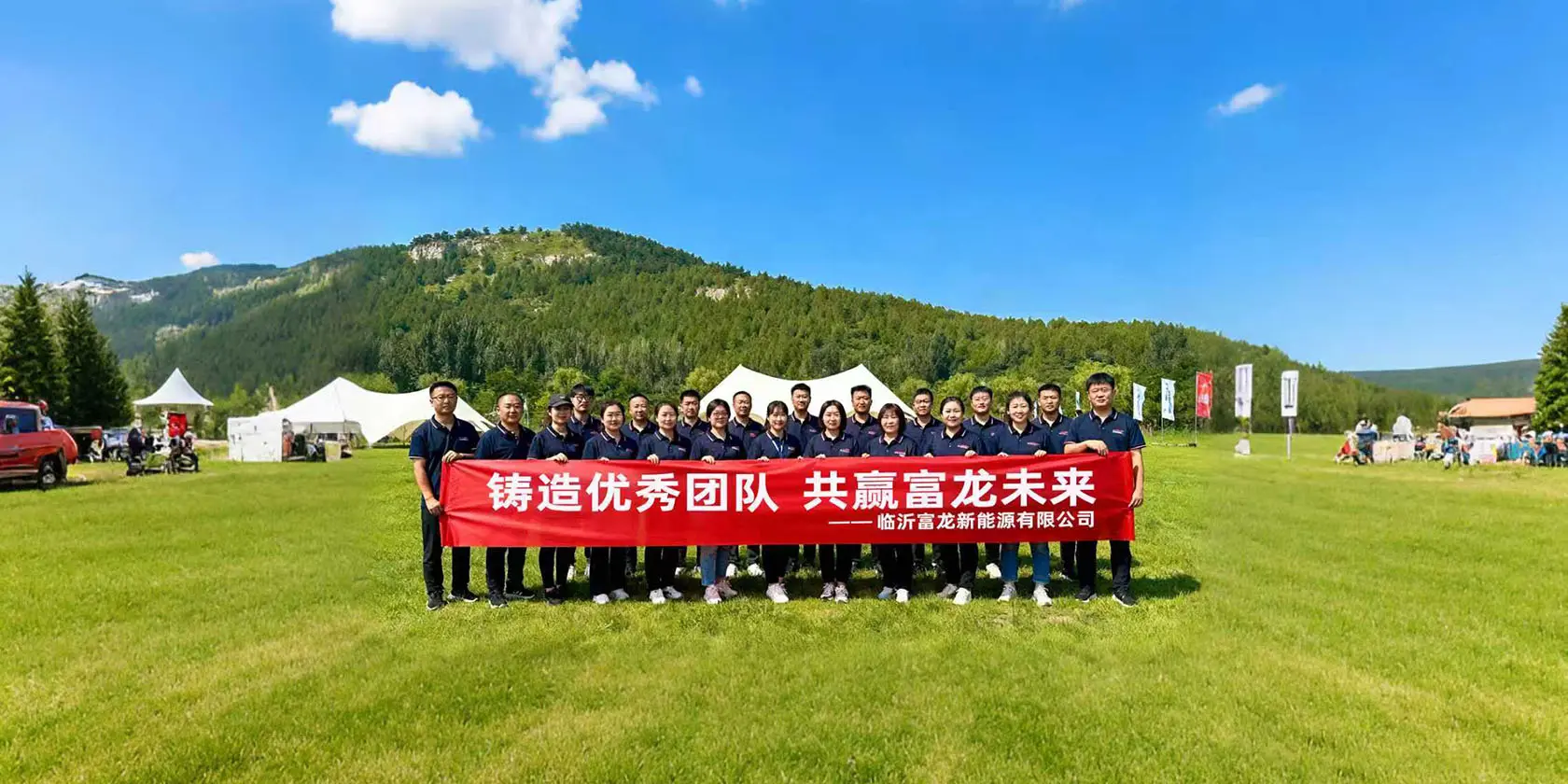
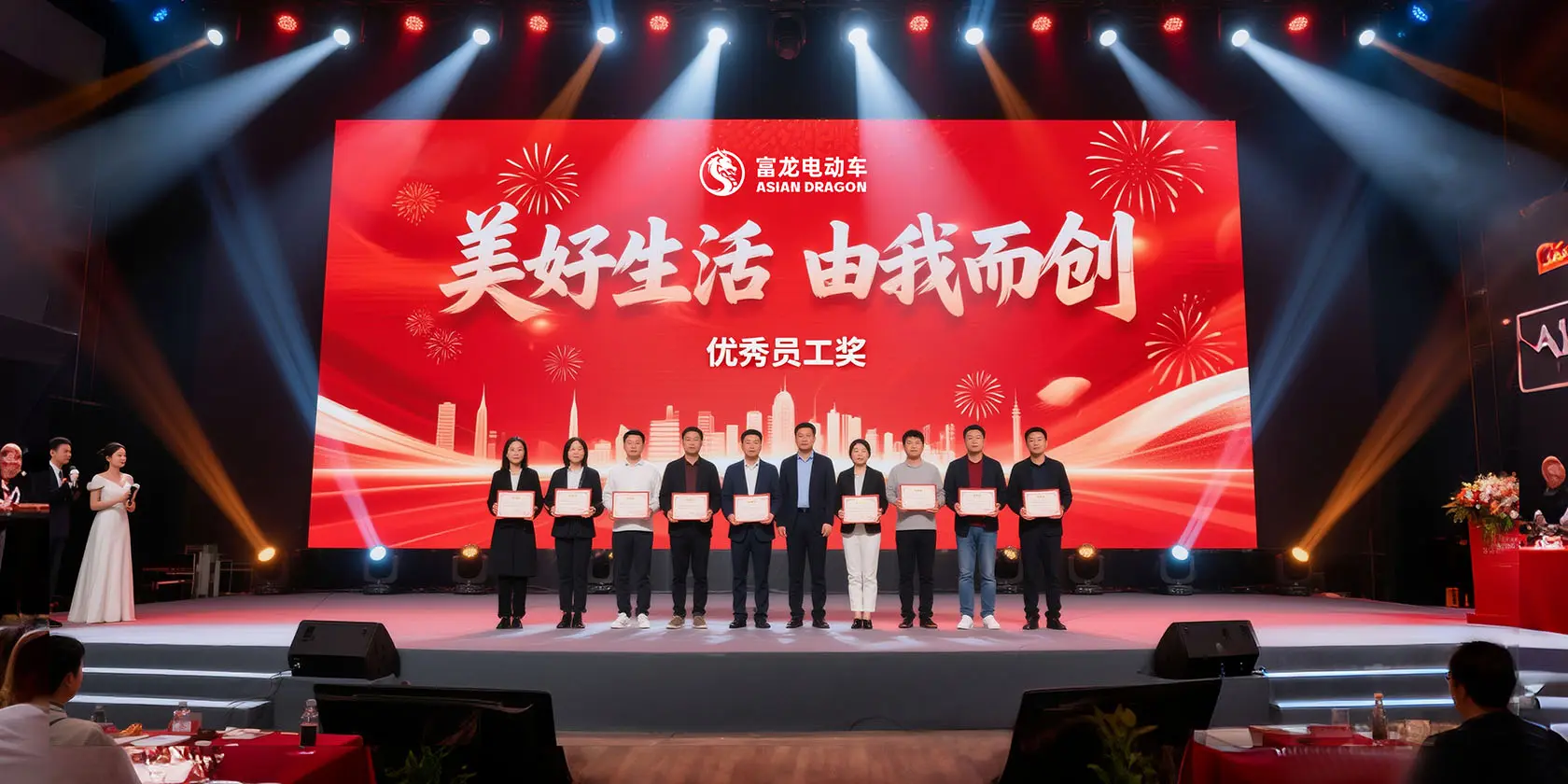
Our fleet solutions are optimized for diverse urban and rural operational environments, meeting both consumer and commercial needs.
High-speed, long-range transport designed to replace traditional combustion scooters on major urban roads.
Commuting FleetLightweight options optimized for last-mile transit and ride-sharing networks in high-density urban areas.
Micro-MobilityPractical commuter bicycles combining pedal assist with electric motors for everyday use.
Daily TransportCargo-carrying, passenger-focused multi-wheel vehicles designed for suburban utility and short-distance deliveries.
Logistics & CargoAn expert analysis of regulatory trends, battery technology developments, and manufacturing shifts driving electric vehicle adoption.
The global regulatory landscape for electric two-wheelers is shifting toward structured classification systems. In the European Union, the EN15194 standard establishes guidelines for EPACs (Electrically Power Assisted Cycles), limiting continuous motor power to 250W and cutting off assistance at 25km/h. Meanwhile, faster electric motorcycles are subject to L-category regulations, requiring functional type approval (L1e through L7e) and COC documentation.
In North America, three-tiered classification systems organize e-bikes based on speed thresholds and throttle operation. For B2B importers, selecting a manufacturing partner who understands these differences is crucial for smooth customs clearance and legal operation. Linyi Fulong New Energy addresses these requirements by building customizable drivetrains, speed-limiting firmware, and pedal-assist components tailored to regional legal codes.
The core of any electric vehicle lies in its battery chemistry and monitoring systems. We work with both Lithium Iron Phosphate (LiFePO4) and Lithium Nickel Manganese Cobalt Oxide (NMC) chemistries to meet different range and budget requirements.
Our smart Battery Management Systems (BMS) monitor cell temperature, voltage balance, and overcurrent risk. This active balancing extends battery life and safeguards against thermal runaway. For markets with high temperatures, our battery compartments are built with passive cooling channels and thermal insulation, ensuring stable performance in demanding environments.
Last-mile delivery and localized cargo transit are primary drivers for three-wheel electric vehicle (e-trike) adoption. E-trikes offer a cost-effective, zero-emission alternative to light commercial vans.
Our heavy-duty passenger e-trikes and cargo variants, such as the Asian Dragon series, feature reinforced carbon-steel frames, heavy-duty rear axles, and low-gear transmission modes for climbing inclines. These designs help logistics providers and local transport operators reduce operational overhead, lower fleet maintenance costs, and meet green logistics targets.
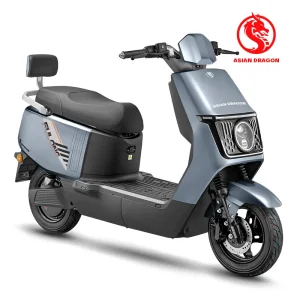
Browse our extensive selection of configurations, featuring specialized 48V drivetrains, robotic aesthetics, and commuter-friendly chassis designs.
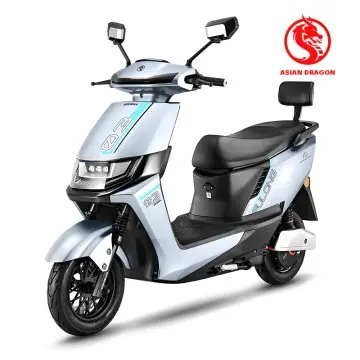
Robot Model 48V Electric Motorcycle
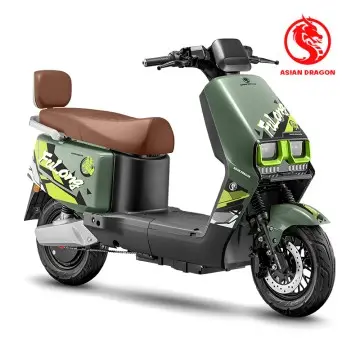
Little Chitu Model 48V Electric Motorcycle
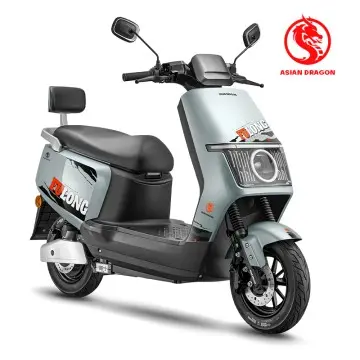
Diniu II Export 48V Electric Motorcycle

Diniu Model Export 48V Electric Motorcycle
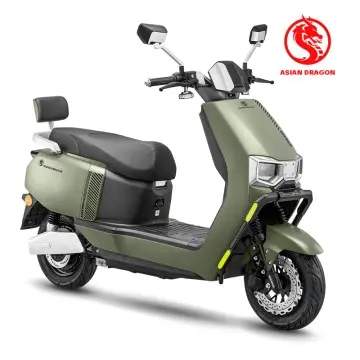
Jinpai Niu Model Export 48V Electric Motorcycle
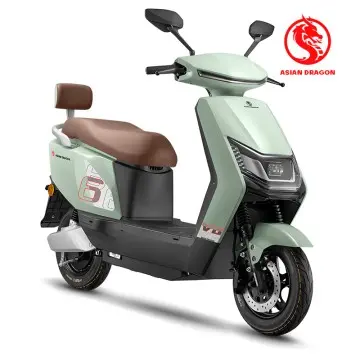
Second-gen Robot Model 48V
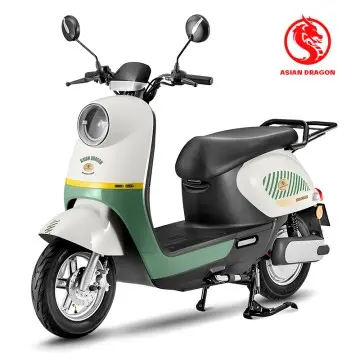
Xindonggui III Export Version 48V
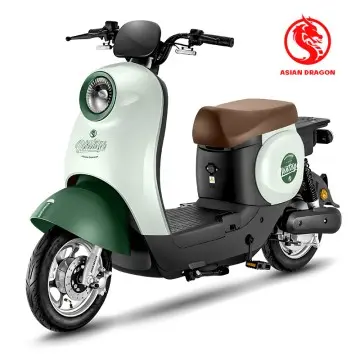
Xindonggui II Export Version 48V
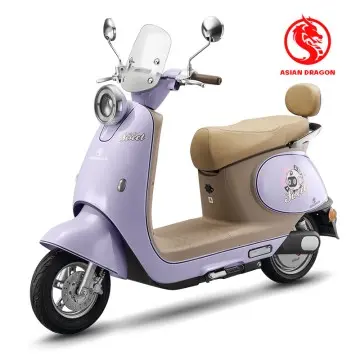
Xindonggui Model Export Version 48V
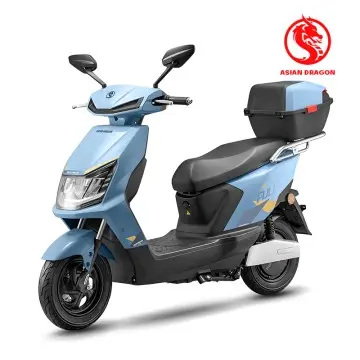
Shangling Model 48V Electric Motorcycle
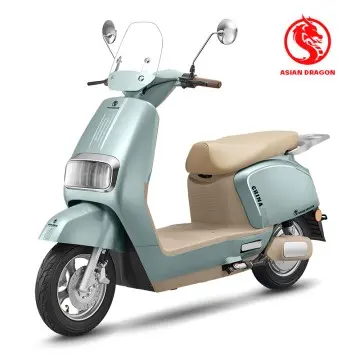
U11 Model 48V Electric Motorcycle
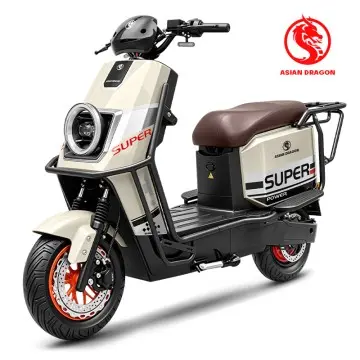
G11-9 Model Export-oriented 48V
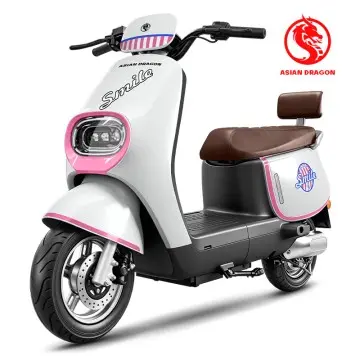
G7 Model Export-oriented 48V
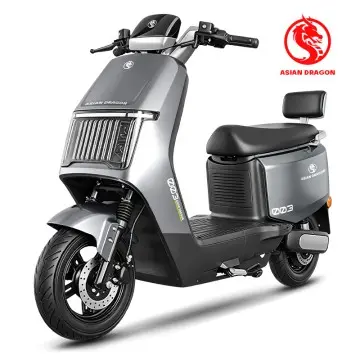
G6 Smart Edition 48V
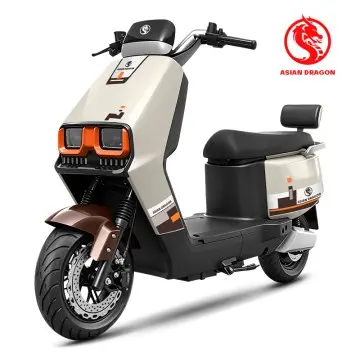
Model G5 Export 48V
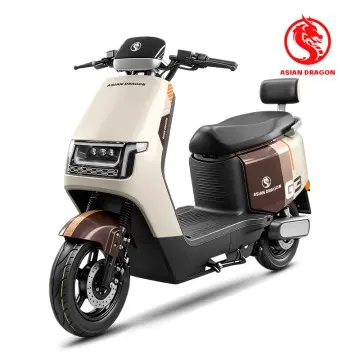
G3 48V Electric Motorcycle
Detailed explanations address common inquiries from distributors, logistics networks, and bulk purchasing managers.
For standard configurations, our production lead time is 20 to 30 days after receipt of the deposit. Custom OEM or ODM orders that require tooling adjustments, custom electronics, or localized certification configurations may take 45 to 60 days. Our 20,000 m² production facility manages workflow pipelines to keep delivery schedules consistent.
We source all battery cells from verified manufacturers, and each batch goes through capacity testing and thermal evaluations. Our integrated Battery Management Systems (BMS) protect cells against overcharging, over-discharging, and overheating. Additionally, our battery compartments feature structural protection to prevent damage from impact or water intrusion.
Yes, we regularly ship via CKD (Completely Knocked Down) and SKD (Semi-Knocked Down) configurations. Shipping CKD/SKD optimizes container space, reduces freight costs, and can lower import duties depending on your local regulations. We provide step-by-step assembly instructions and technical support to assist your local assembly teams.
Our export configurations can be customized to comply with regional regulations, including EEC/COC certification for Europe, DOT certifications for North America, and specific safety certificates for South American and Middle Eastern markets. Please discuss your local requirements with our sales team during the quoting phase.
We provide a 1-year warranty on core components, including the frame, motor, controller, and lithium-ion battery packs. We also include a percentage of free wear-and-tear parts (such as brake pads, tires, bulbs, and cables) with bulk container shipments to support your local service centers.
Explore our heavy-duty transport vehicles, electric passenger cabs, and specialized shock-absorption commuter bikes built for daily route operations.
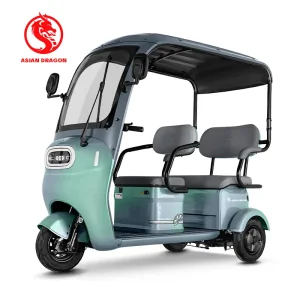
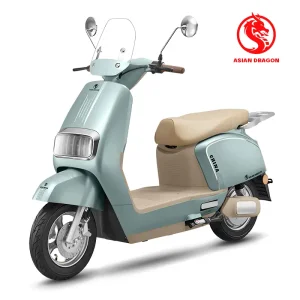
 Asian Dragon