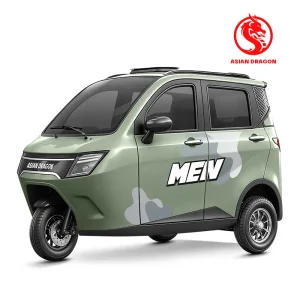
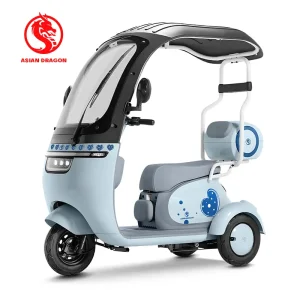
High-Velocity E-Bike Engineering, Global Regulatory Standards & Industrial Sourcing Solutions
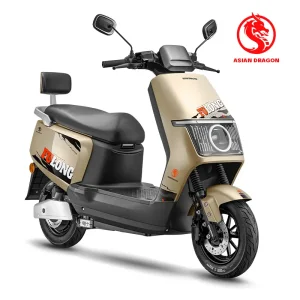
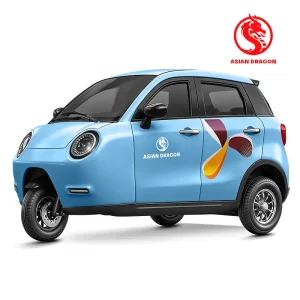
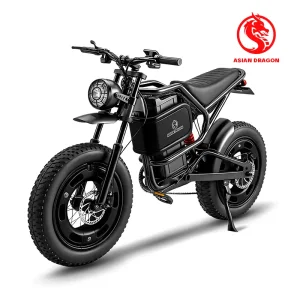
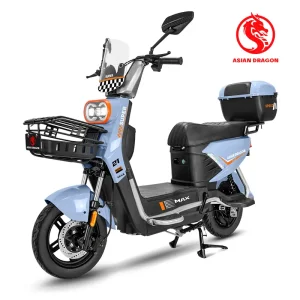
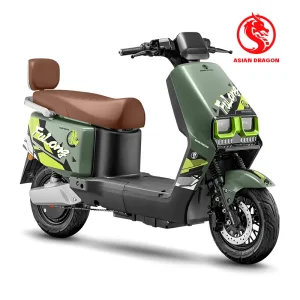
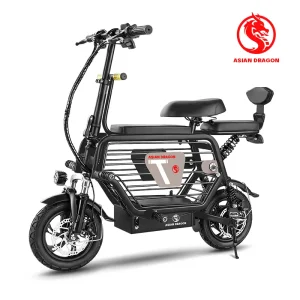
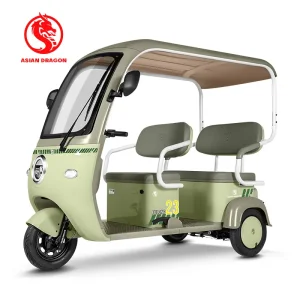
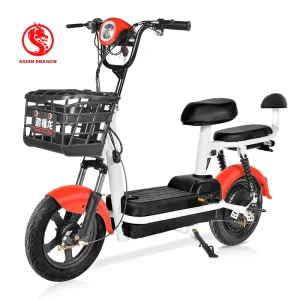
Explore our leading selection of precision-engineered multi-wheel electric vehicles, designed for optimal stability and high-performance urban and rural transport.
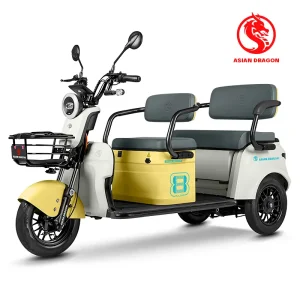
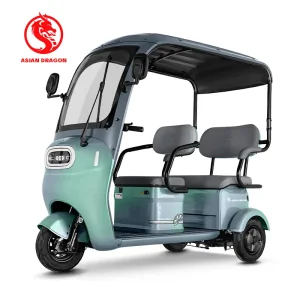
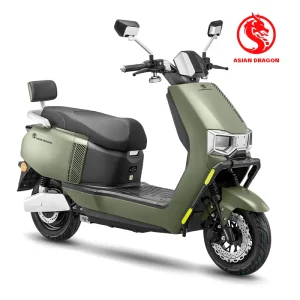
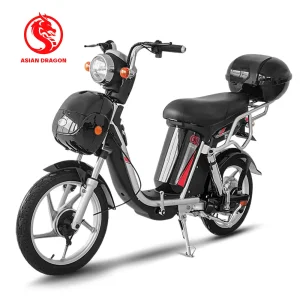
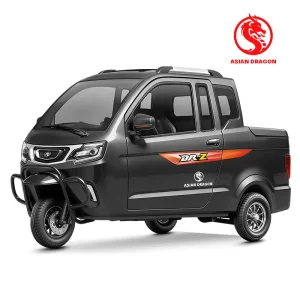
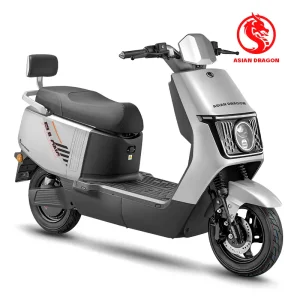
A deep dive analysis into speed engineering, powertrain optimization, safety parameters, and B2B global sourcing frameworks for modern electric vehicles.
The maximum speed of an electric bike is not merely a function of motor size; it is a complex, systemic integration of electrical engineering, chemical thermodynamics, and mechanical dynamics. To achieve high terminal velocities while maintaining safety and reliability, manufacturers must balance motor wattage, system voltage, battery discharge rates, and thermal dissipation.
Electric bikes typically utilize Brushless DC (BLDC) motors, either in-wheel hub configurations or mid-drive assemblies. For maximum speed, direct-drive hub motors offer excellent high-RPM performance due to the lack of internal gearing, eliminating mechanical friction losses at speed. Mid-drive systems, conversely, leverage the bike's transmission system, allowing the motor to operate within its peak efficiency band across varying speeds, though they introduce more wear on the chain and cassette.
Voltage dictates the maximum speed (RPM) a motor can theoretically reach before encountering back-electromotive force (Back-EMF). Common architectures operate at 48V, 60V, or 72V. A higher voltage platform allows the vehicle to achieve higher speeds without drawing excessive current, minimizing resistive heating (I²R losses) in the wiring and controller. Furthermore, high-speed applications demand high-discharge battery cells with ratings of 3C to 5C, ensuring stable power delivery under sustained high-load conditions.
Advanced motor controllers utilize Field-Oriented Control (FOC) algorithms to dynamically align the stator current vector with the rotor's magnetic field. By implementing flux-weakening algorithms, the controller can extend the maximum speed of the motor beyond its natural RPM limit at a given battery voltage, albeit at the expense of efficiency.
B2B importers must navigate a complex web of regional speed and power regulations. Non-compliance leads to customs seizures, liability exposure, and market exclusion. The maximum design speed of imported electric two-wheelers and three-wheelers determines their classification as bicycles, mopeds, or full electric motorcycles.
EPAC regulations cap maximum speed at 25 km/h with 250W continuous power. Speeds up to 45 km/h require L1e-B Speed Pedelec certification, involving type-approval, license plates, and mirrors.
Class 1 & 2 are restricted to 20 mph (32 km/h). Class 3 allows speeds up to 28 mph (45 km/h) but requires pedal assist only (no throttle above 20 mph in most states).
Regulations vary from 25 km/h in Australia and Japan to 50 km/h in parts of Latin America and the Middle East, requiring adaptable firmware configurations for wholesale imports.
For B2B buyers, sourcing electric vehicles requires rigorous due diligence on the manufacturer's engineering capabilities and supply chain reliability. Procurement teams must look beyond superficial spec sheets and focus on long-term total cost of ownership (TCO), warranty structures, and regulatory certification.
High-speed electric vehicles endure greater mechanical stress, requiring robust structural engineering. Importers must prioritize frames built with premium alloys or high-grade steel, motorcycle-grade braking systems (dual-piston hydraulic disc brakes), and reinforced suspension elements to absorb road impacts at high speeds. Sourcing from factories that offer comprehensive OEM/ODM customization is crucial for adjusting speed limiters, battery management system (BMS) configurations, and localized packaging to comply with specific target market entry conditions.
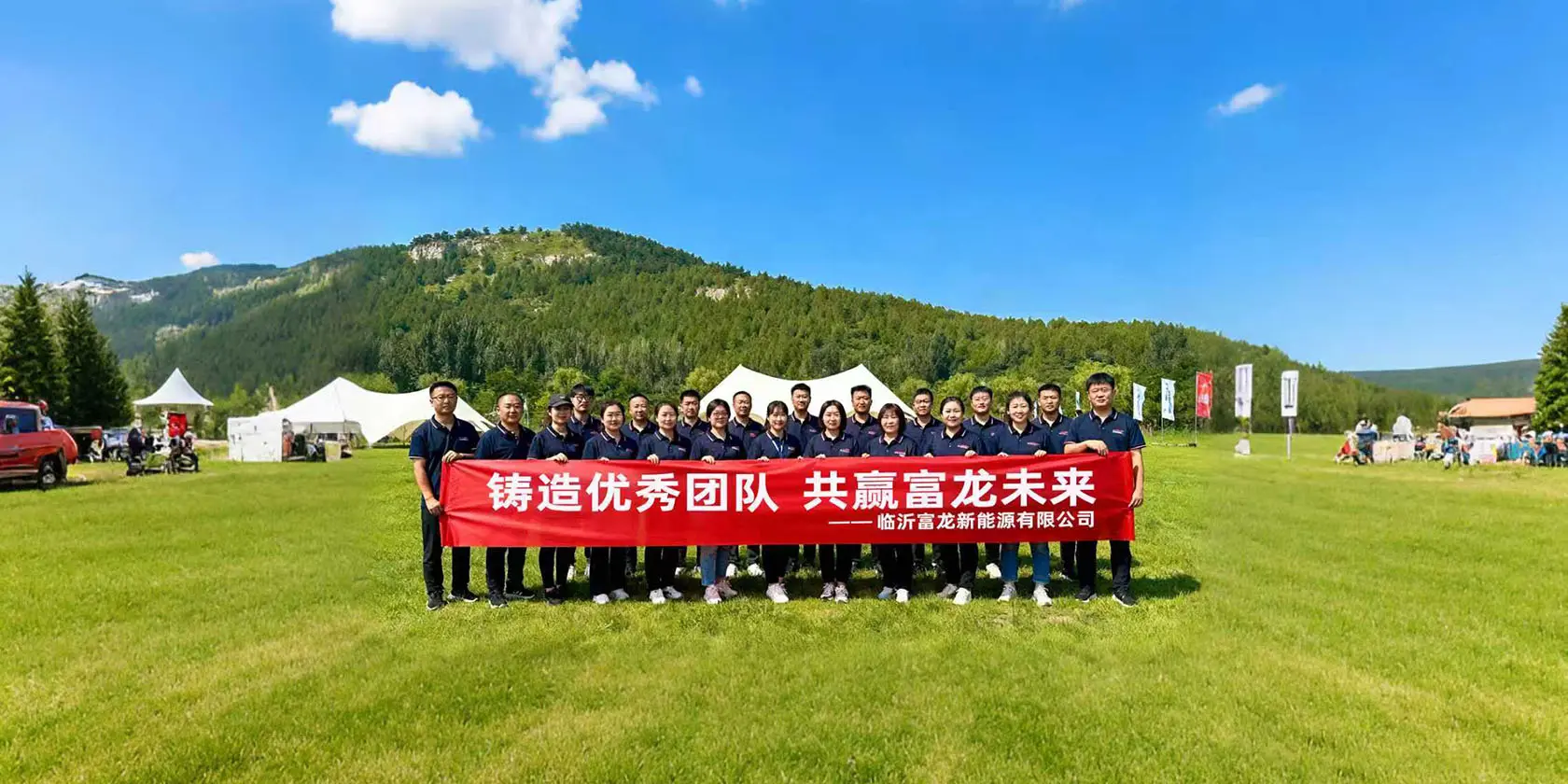
China remains the undisputed epicenter of global e-bike and e-tricycle manufacturing. Through advanced automation, integrated supply chains, and vertical integration, Chinese factories deliver unmatched cost-to-performance ratios and supply chain resilience. Linyi Fulong New Energy Co., Ltd. represents the cutting edge of this industrial ecosystem, incorporating Factory 4.0 principles to ensure consistent quality and massive scale.
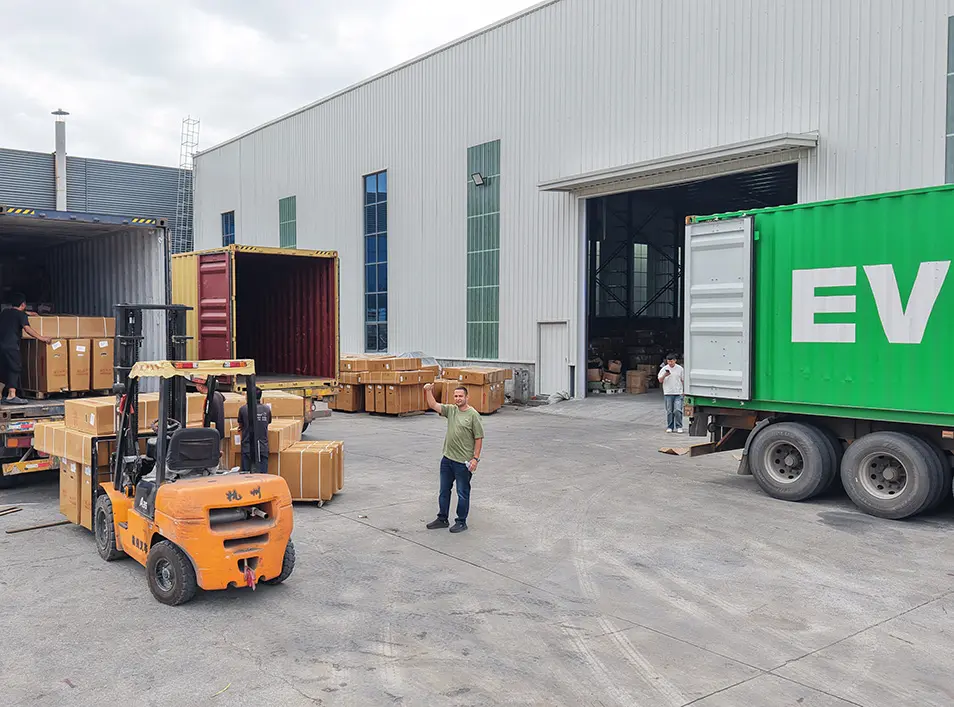
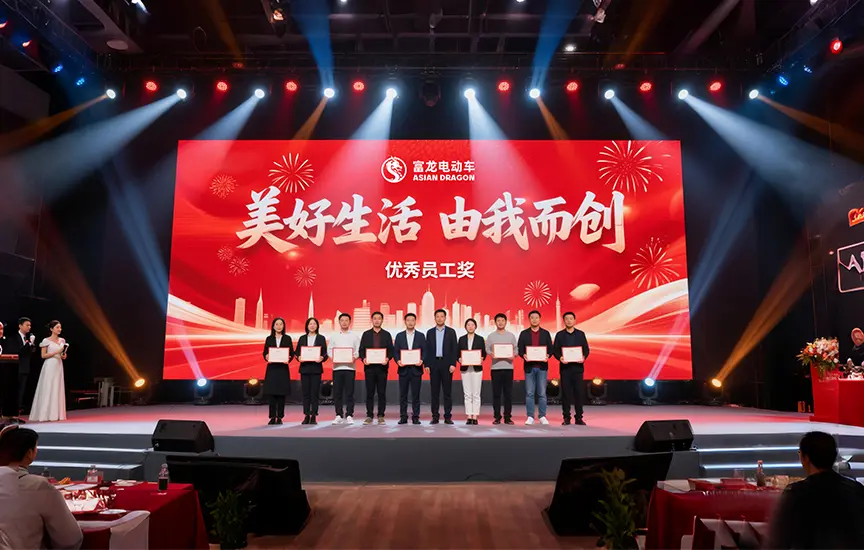
With an annual production capacity exceeding 500 thousand units, we serve clients in over 90 countries. Our integrated industrial chain ensures absolute control over product quality and components matching.
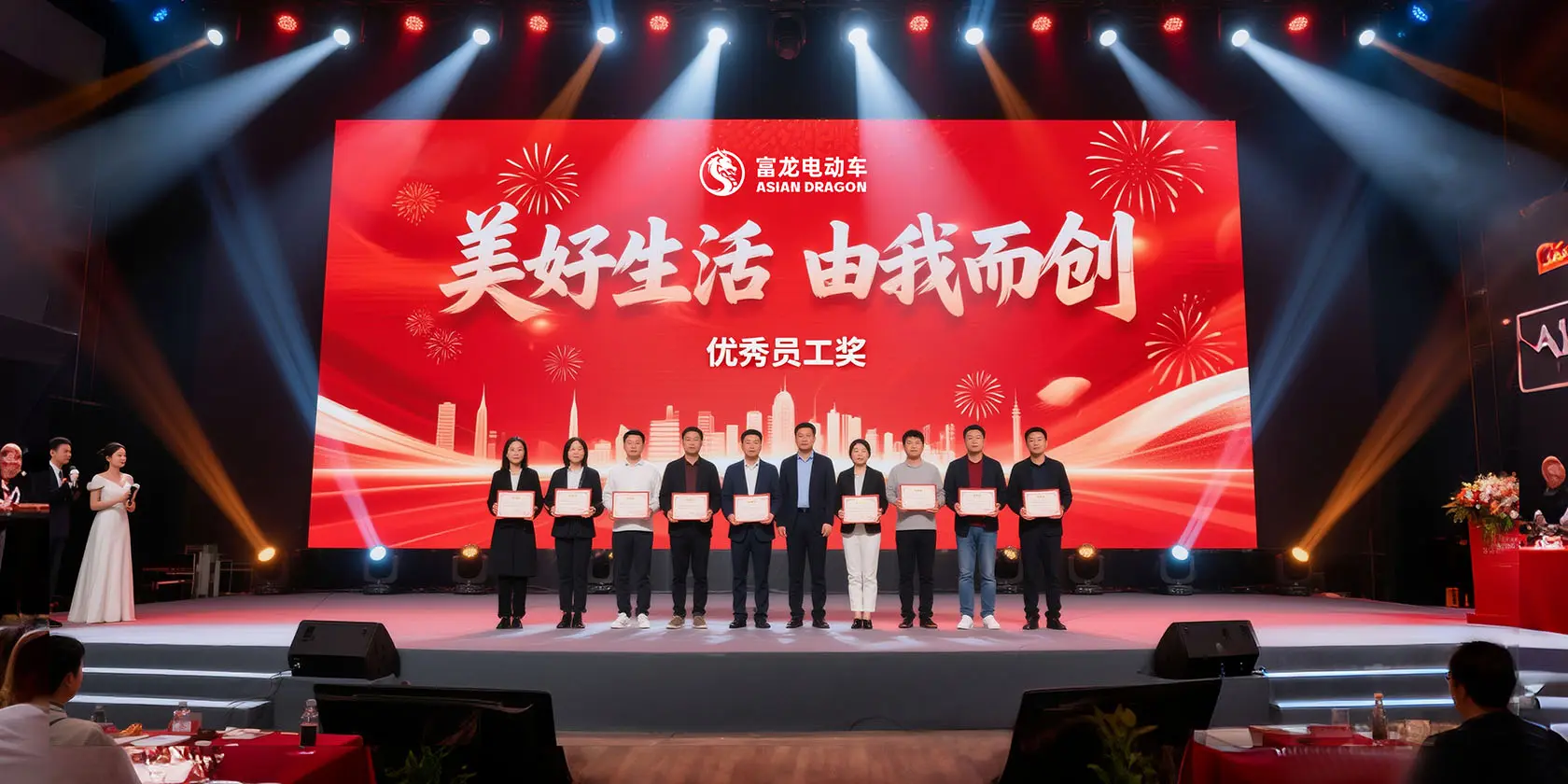
Linyi Fulong New Energy Co., Ltd. has developed into a comprehensive enterprise integrating R&D, production, and sales of electric two-wheelers and three-wheelers, with a complete industrial chain. Currently, Linyi Fulong New Energy Co., Ltd. has an annual production capacity exceeding 500 thousand units, with products sold to more than 90 countries and regions, enjoying widespread recognition. In the increasingly fierce market competition, the company always takes "customer first, quality first" as its core operating principle, which is not only a solemn commitment to customers, but also the fundamental cornerstone of the company's sustainable development, running through every link of business development. With customer demand as the core orientation, we set up a professional market research team to deeply understand the actual needs of different customer groups. Building a solid foundation for development with excellent quality, the company selects high-quality raw material suppliers and establishes strict raw material acceptance standards. At the same time, advanced production equipment and technology are introduced to realize the automation and fine control of the production process. Ensure that every production link meets the quality standards.
To guarantee maximum speed safety, reliable battery cycles, and structural integrity, Linyi Fulong runs all manufactured fleets through a rigorous testing protocol. Every electric motorcycle and tricycle is subjected to dynamic load testing on professional dynamometers, assessing motor thermal behavior and controller stability under continuous top-speed stress. Vibration tables simulate rough terrain to evaluate frame weld durability, while advanced BMS testing units verify cell balancing and short-circuit protection. This absolute commitment to quality ensures our vehicles perform reliably in all weather conditions, from tropical humidity to freezing northern climates.
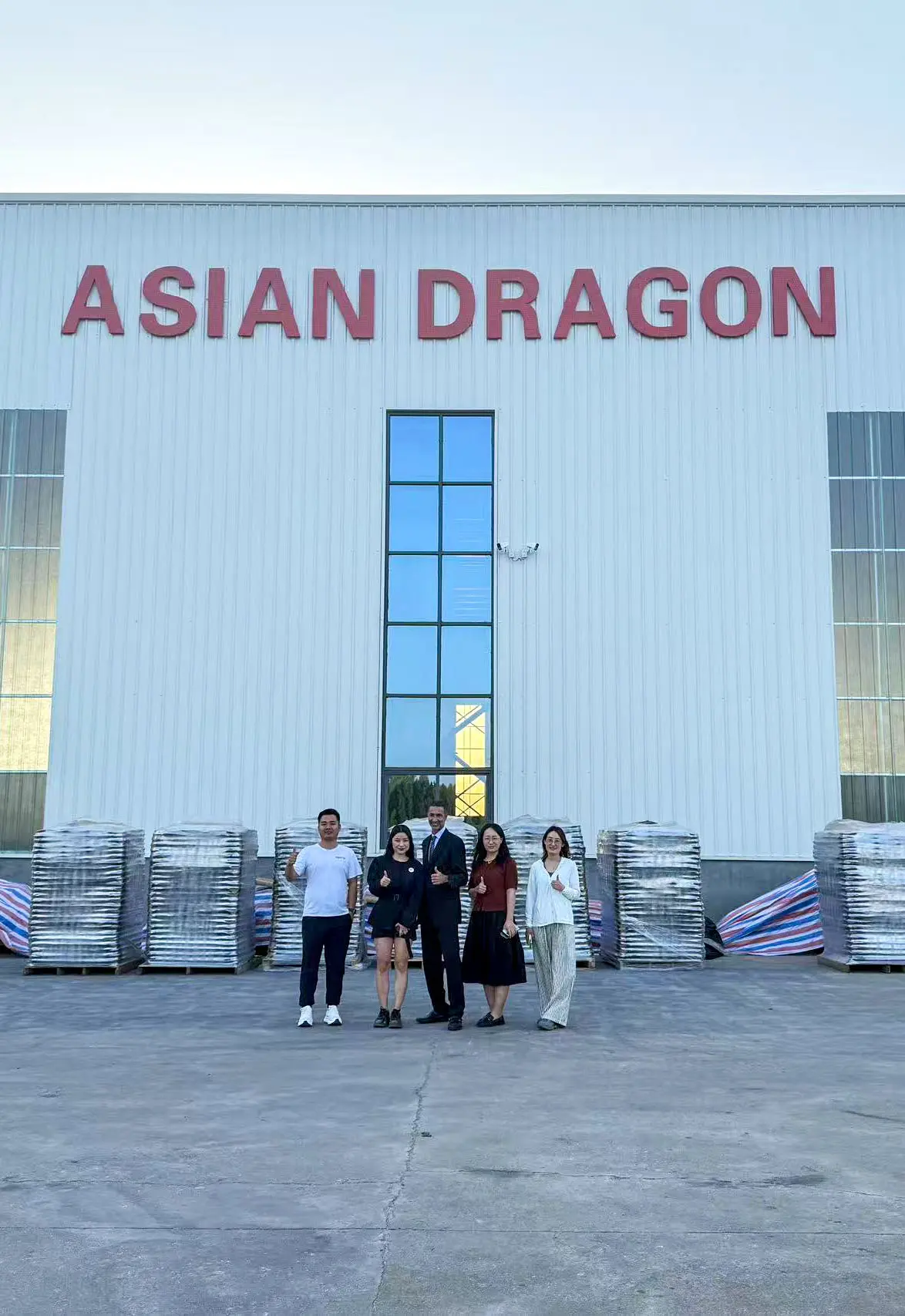
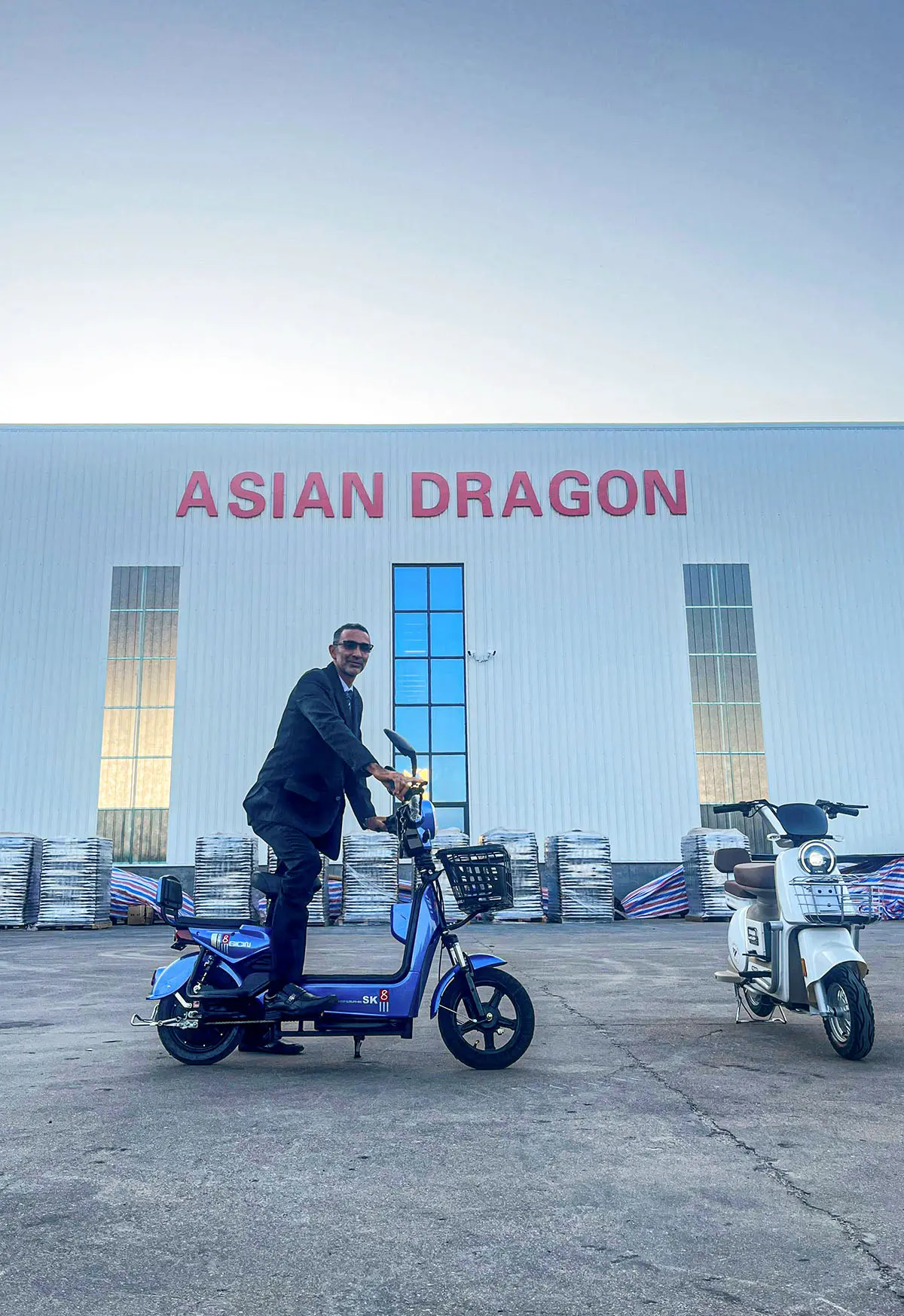
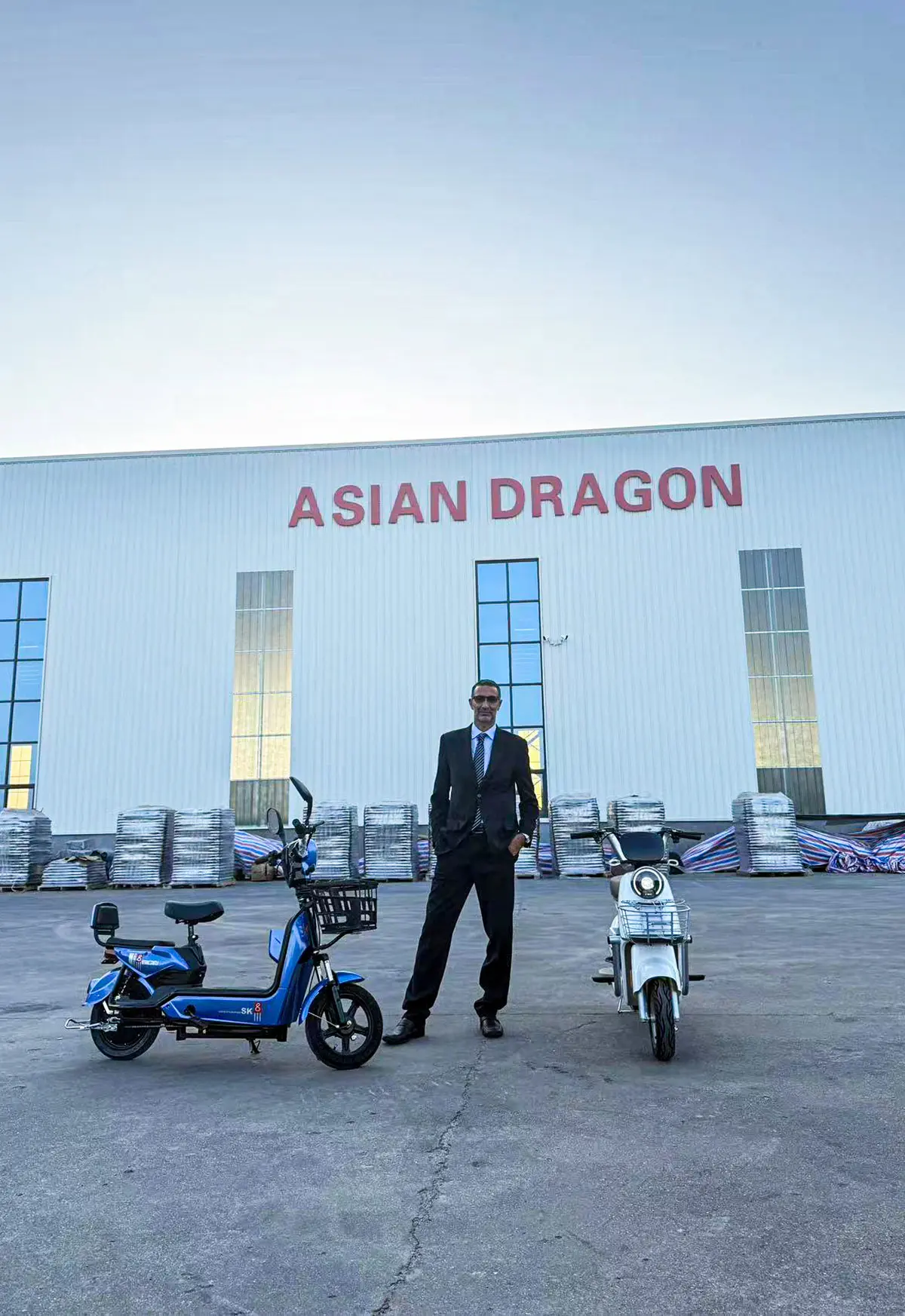
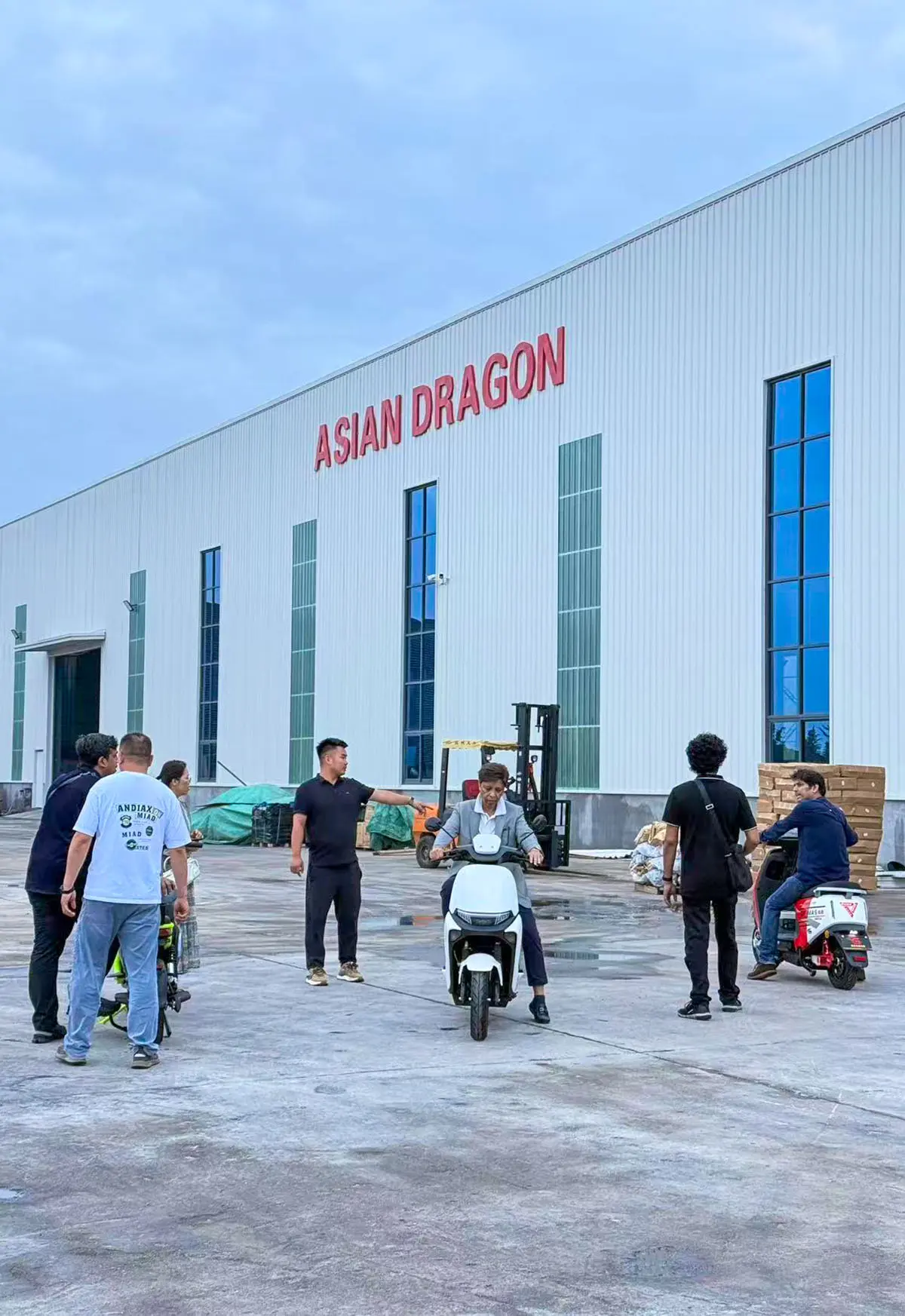
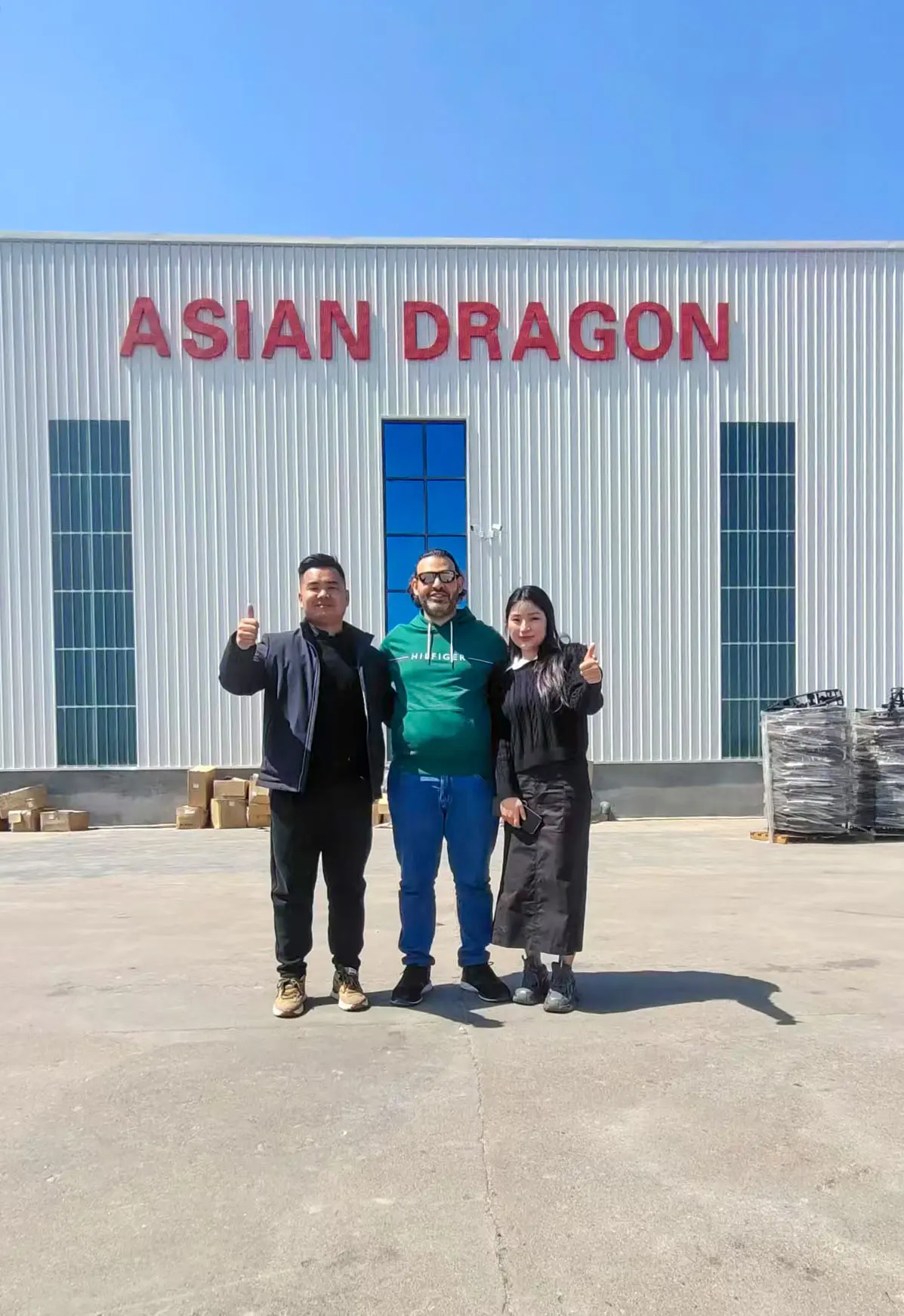
In the future, the company will continue to take "customer first" as the guide, listen to your needs and constantly optimize products and services; Taking "quality first" as the bottom line, we will provide you with reliable product guarantee and help your business development. We welcome every partner to inspect the factory, get a deeper understanding of the company's strength and concept, eliminate cooperation concerns and establish a more stable trust relationship.
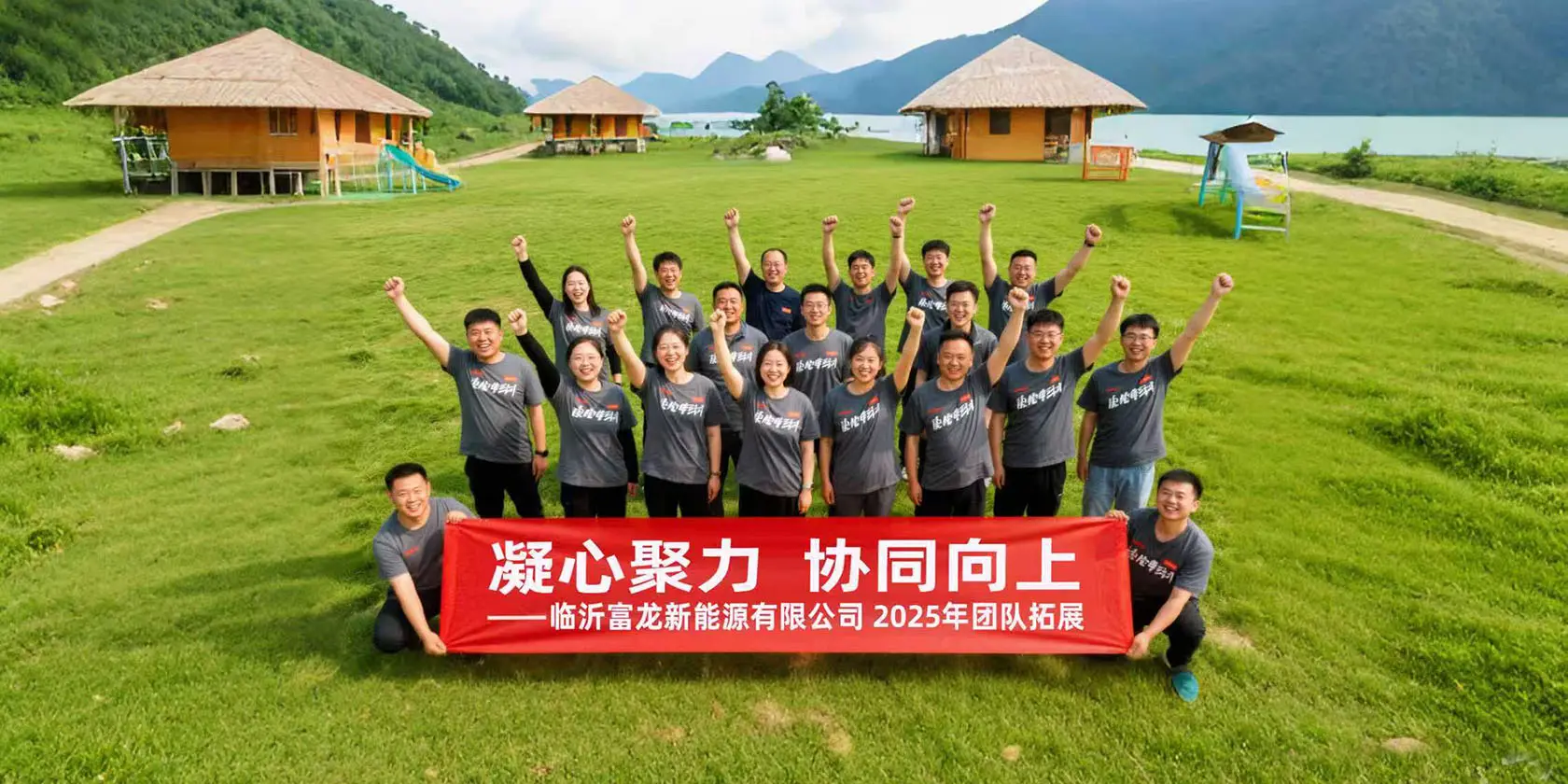
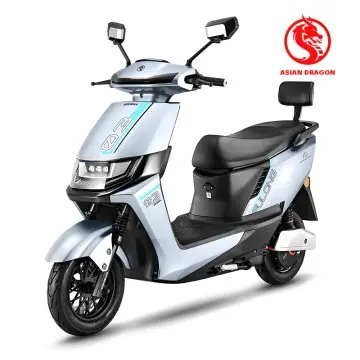
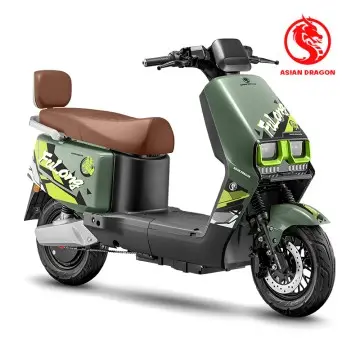
We engineer specific platforms to meet the rigorous demands of global commuters, families, commercial operators, and enthusiasts.
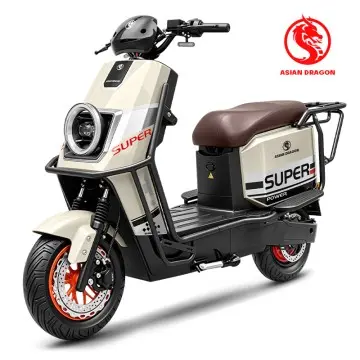
Fashionable, high-torque and efficient transportation designed for heavy urban commuting demands.
Fashion-forward, lightweight, and fast commuting options optimized for urban environments.
Lightweight, agile, and highly convenient everyday transportation tools with long-range capacity.
Optimized for group travel, family daily use, and load-bearing logistics applications.
Customized designs based on user demographics, making it easy to find the perfect fit for you. Commuters get matched with long-lasting batteries, families with children find roomier seats, and short-distance riders have lightweight options available.
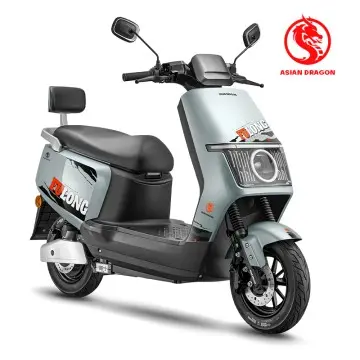

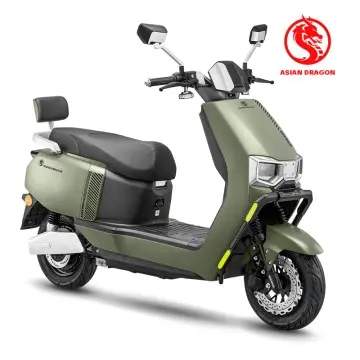
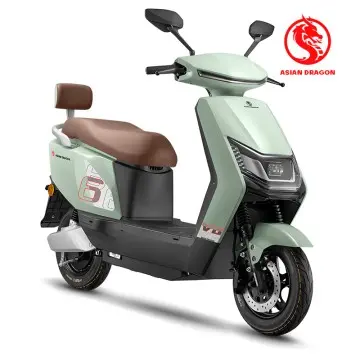
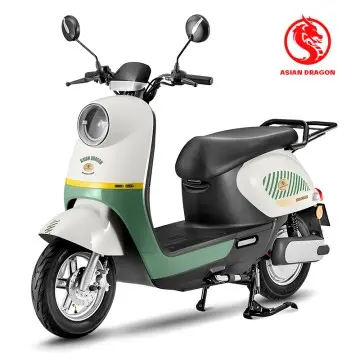
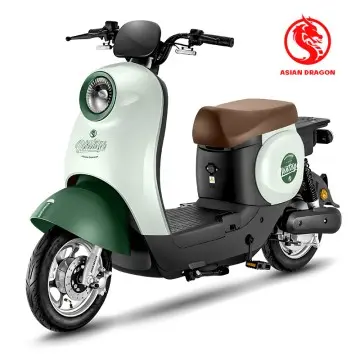
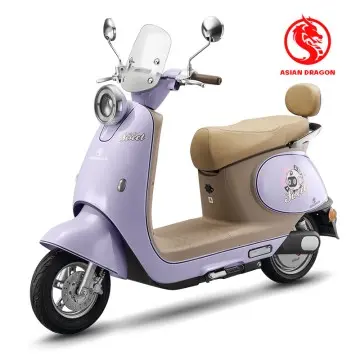
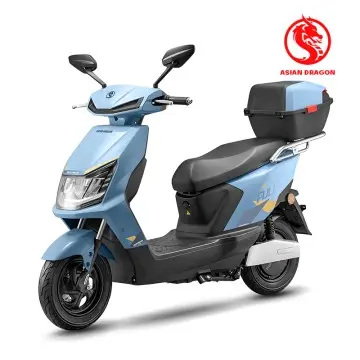
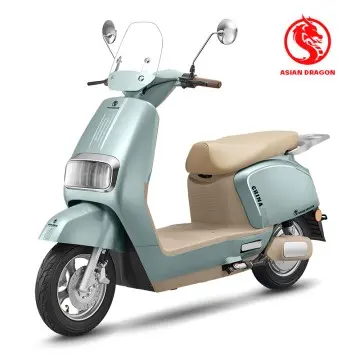
Expert technical and regulatory answers addressing common questions raised by international distributors, fleet managers, and importers.
Discover our heavy-duty off-road, daily commuter, and canopy trike series engineered for performance and long-lasting durability.
 Asian Dragon