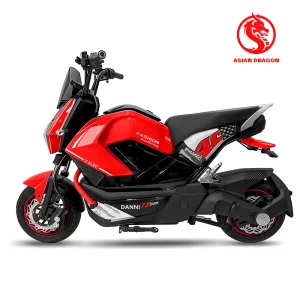
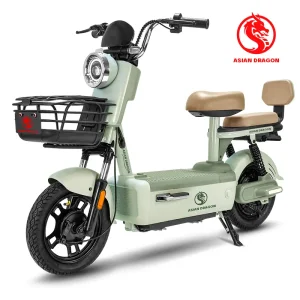
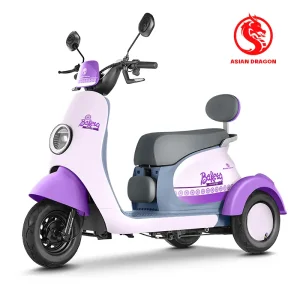
The global light electric vehicle (LEV) sector has experienced a profound shift in power transmission dynamics. Historically, electric scooters relied on rudimentary square-wave (trapezoidal) controller systems that simply pulsed current to motor coils. While inexpensive, these architectures produced considerable audible noise, poor thermal performance, and jagged power transitions that accelerated wear on mechanical components. Today, Field-Oriented Control (FOC) sinusoidal wave systems are the gold standard for high-performance, energy-efficient electric transport.
Modern FOC controllers map the magnetic field of the motor rotor in real-time, executing Clarke and Park vector transformations at rates up to 20 kHz. This mathematical modeling allows the motor control unit (MCU) to decouple torque-producing current and flux-producing current. As a result, global fleets achieve an increase in system efficiency, leading directly to higher range, near-silent motor operation, and silky-smooth acceleration curves. For wholesale buyers, distributing or importing LEVs powered by robust FOC systems is no longer a luxury—it is a baseline requirement to remain competitive in global supply channels.
An electric scooter's motor controller is essentially the brain of the vehicle, managing the critical translation from raw chemical energy stored in the battery pack to kinetic force at the hub motor. Understanding its physical and electronic layout is crucial for procurement teams looking to minimize return-merchandise authorizations (RMAs):
Typically structured around high-speed 32-bit ARM Cortex processors, executing real-time FOC algorithms, thermal regulation limits, and error diagnostics within milliseconds.
High-efficiency silicon MOSFETs with low RDS(ON) resistance minimize static losses. They regulate currents from 20A to over 150A depending on the vehicle class (48V to 72V configurations).
Aluminum extrusion casings filled with high-thermal-conductivity potting compound seal out moisture while directing excess thermal build-up away from internal capacitors and driver boards.
Furthermore, robust controllers incorporate multi-channel phase current sensors to monitor real-time loads. If a rider encounters a steep grade, the MCU automatically calculates the ideal duty cycle to maximize torque without pushing the MOSFET junction temperatures beyond safe operating zones. This preventative thermal throttling is the difference between a fleet that lasts five years and one that fails in its first summer.
The global supply chain for electric scooter motor controllers is experiencing massive growth, fueled by both micro-mobility sharing networks in Western countries and the widespread adoption of daily personal commuters across Asia and Latin America. In regions like Europe and North America, strict safety certifications (such as CE, EN15194, and UL 2272) require controllers to feature redundant fail-safes. These include over-voltage protection, under-voltage cut-offs, and short-circuit protection.
In developing markets, where environmental challenges like extreme heat, flooding, and unpaved roads are common, the priority shifts to high durability and ingress protection. Suppliers must provide controllers rated at least IP67. These units are completely sealed against dust and water immersion, preventing catastrophic road salt or water intrusion during rainy seasons. By bridging these demands through modular software and rugged hardware layouts, manufacturers can support commuter fleets, commercial delivery services, and personal mobility channels simultaneously.
As the industry marches toward fully smart, connected transit ecosystems, controller technology is evolving rapidly. We have identified several macro trends that B2B importers must monitor to future-proof their supply chains:
A controller's programming must reflect its target environment. A scooter operating in flat, dry desert climates requires different settings than one tackling wet, steep hills. Here is how we customize our controller firmware for global applications:
Programmed for soft-start curves to prevent sudden lunges. This maximizes battery life during constant stop-and-go riding on city streets.
Configured with aggressive torque maps and robust thermal protection, allowing high currents to handle continuous steep climbs.
Configured to manage heavy payloads dynamically. The controller adjusts current limits based on weight feedback, protecting the motor from overload damage.
Looking toward the 2025–2030 horizon, controllers will transition from reactive execution units to proactive, predictive energy managers. Integrating basic AI models directly onto the MCU chip allows the controller to study individual riding habits and optimize current curves automatically. For instance, if a rider consistently accelerates gently, the controller recalibrates its base current limits, extending battery longevity by up to 15% over the vehicle's lifespan.
Additionally, over-the-air (OTA) firmware updates will become standard. Distributors can deploy updated control algorithms, patch security vulnerabilities, and tweak speed limits across entire fleets without recalling vehicles. This reduces maintenance costs and ensures that imported electric vehicles remain up-to-date with changing local regulations.
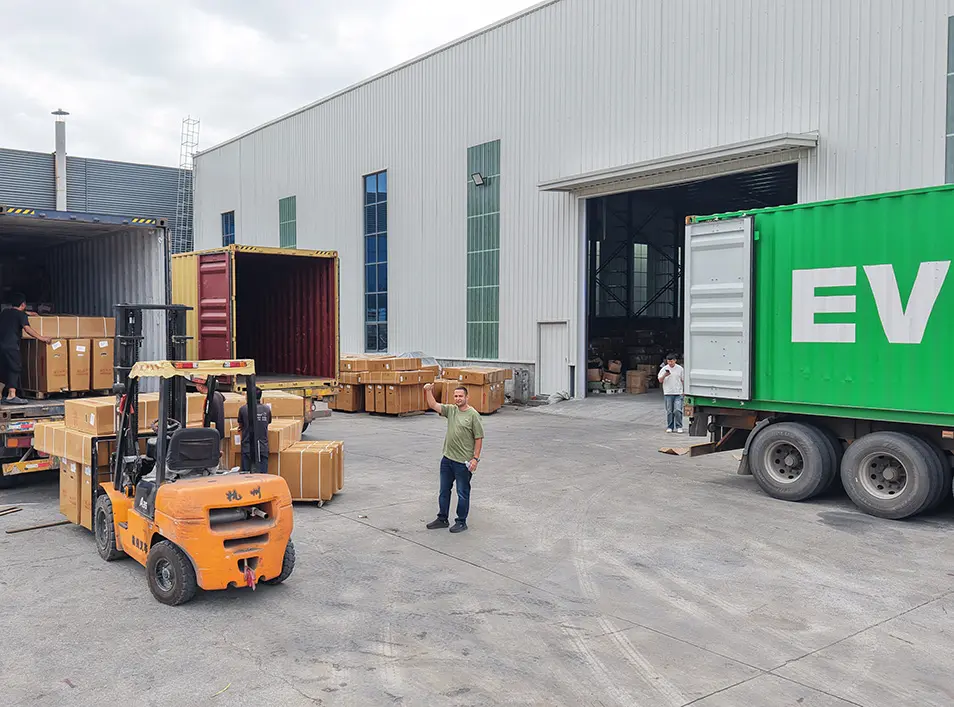
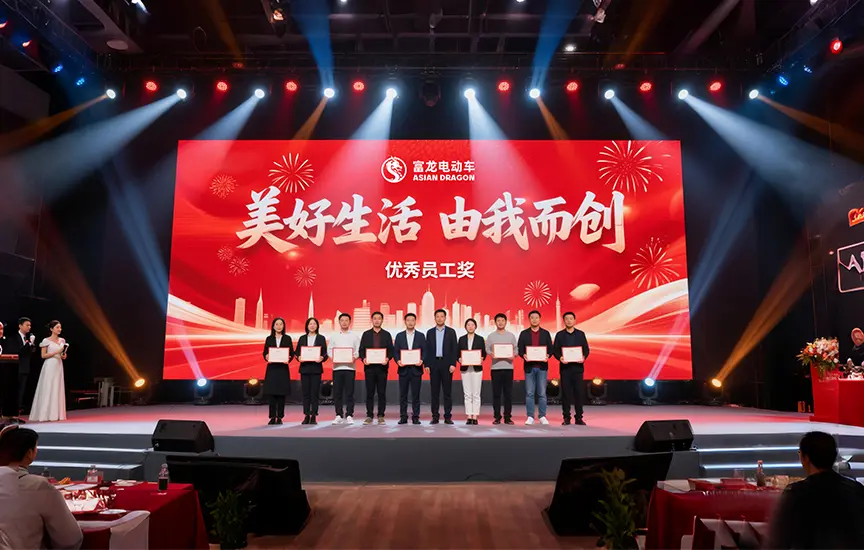
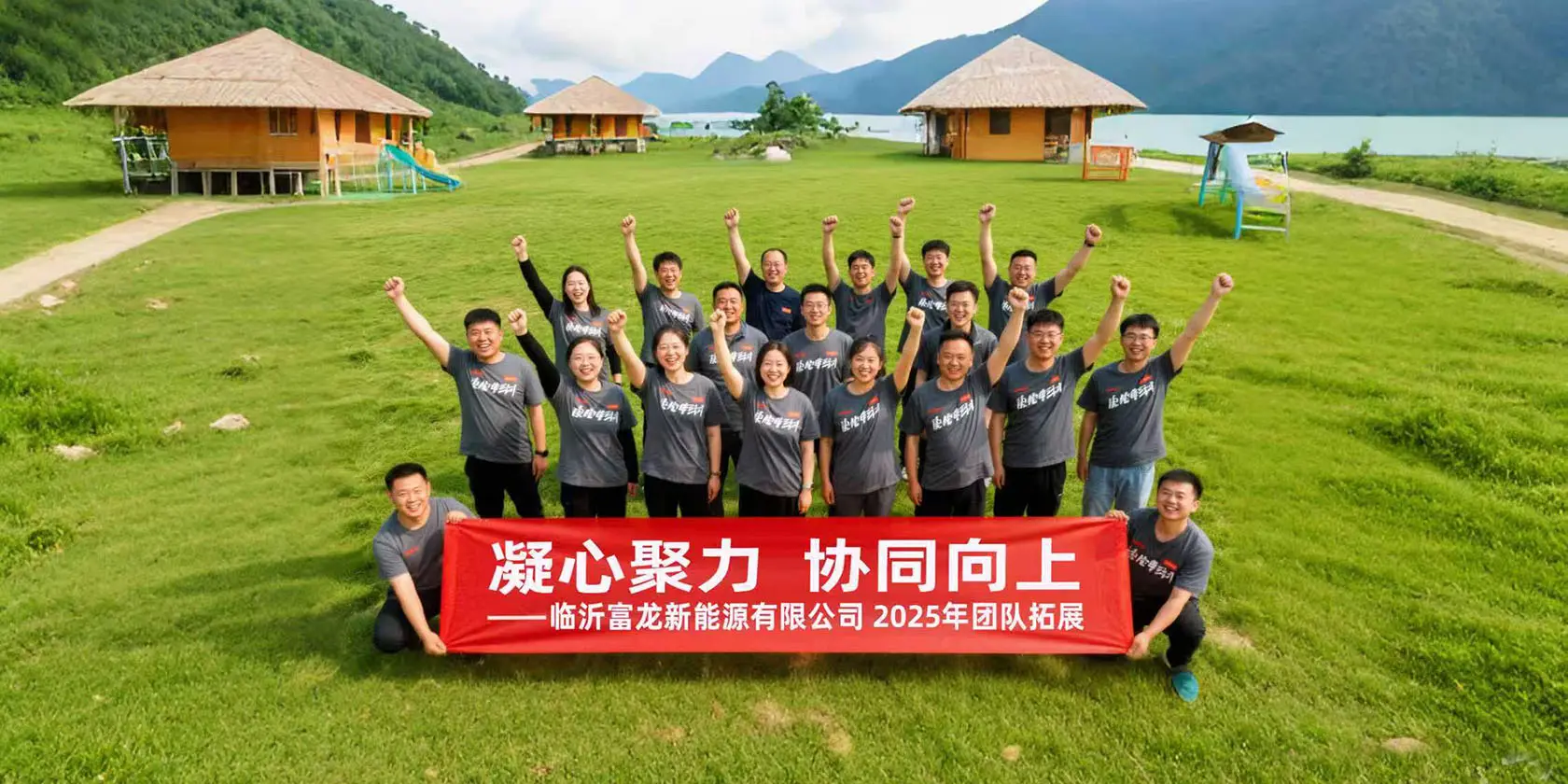
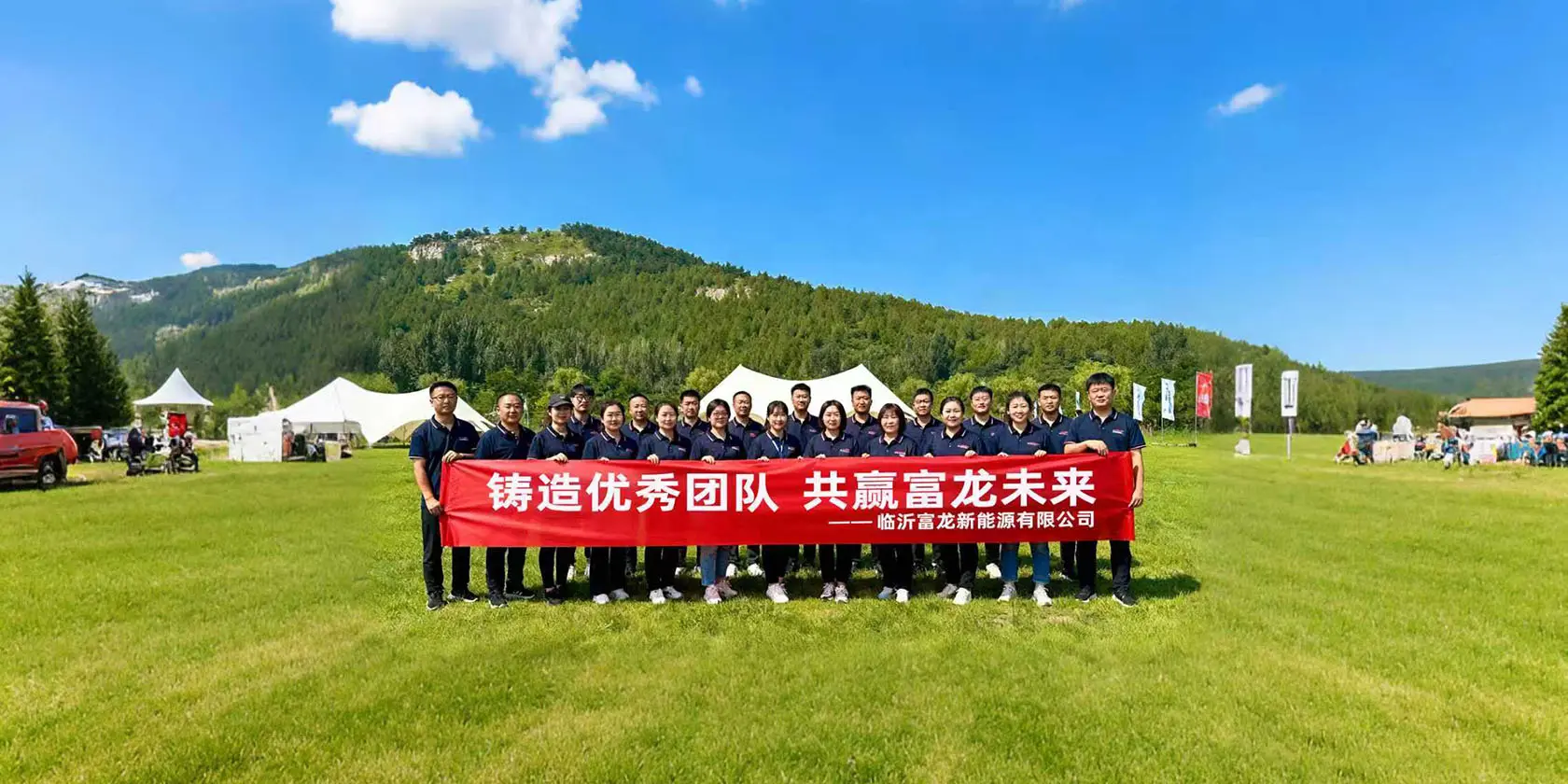
At Linyi Fulong New Energy Co., Ltd., customer satisfaction and product quality are the core operating principles of our sustainable development. By using carefully selected raw materials, maintaining rigorous incoming quality control (IQC), and utilizing modern automated production assembly lines, we ensure every electric vehicle leaving our facility meets strict global standards.
Our comprehensive production facility covers 20,000 square meters, allowing us to support both large-scale wholesale and custom OEM/ODM requests. Whether you require tailored battery configurations, specialized motor controllers, or unique frame designs, our R&D team works closely with you to deliver the ideal setup for your target market.
Modern e-mobility challenges extend beyond the vehicle itself. Today's commercial operators require end-to-end solutions that connect vehicles, battery swap networks, and cloud-based fleet software. Linyi Fulong New Energy Co., Ltd. provides comprehensive industry packages designed to resolve these complexities:
Our controllers communicate directly with intelligent battery management systems (BMS). This protects the vehicle during hot swaps and ensures seamless handshake protocols with automated swapping kiosks.
We provide open API access for fleet operators. This allows real-time tracking of motor loads, controller thermal status, and battery remaining capacity, feeding directly into custom user apps.
Integrated vehicle immobilizers enable remote shutdown via the motor controller. This system locks the hub motor, preventing unauthorized movement in high-risk areas.
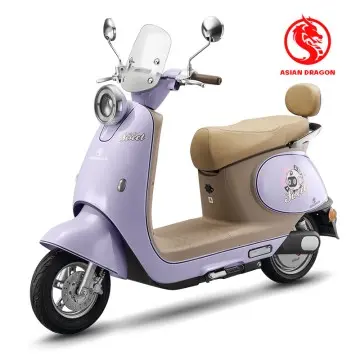
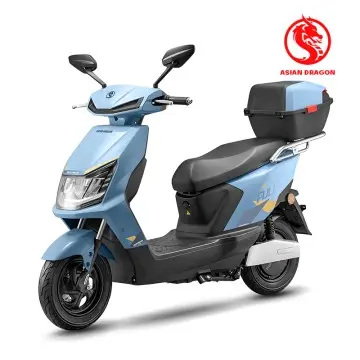
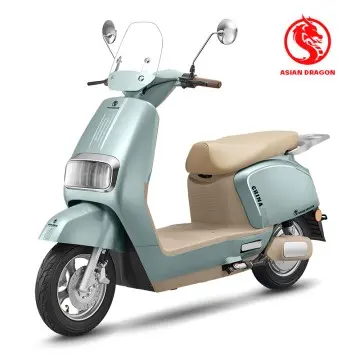
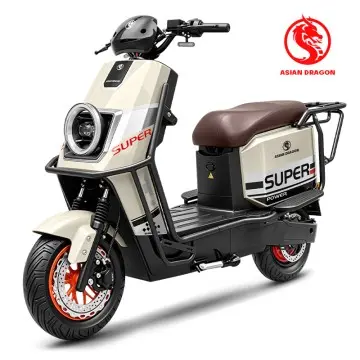
We specialize in precision matching designs based on targeted user demographics, helping you find the perfect fit for your local market. From commuters seeking long battery range to students looking for lightweight options, we calibrate our vehicles to meet diverse everyday needs:
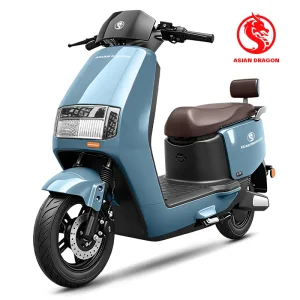
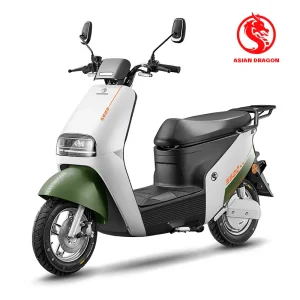
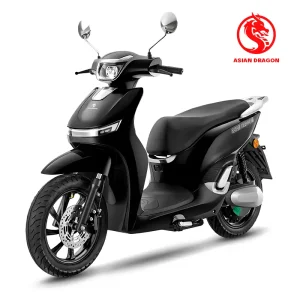
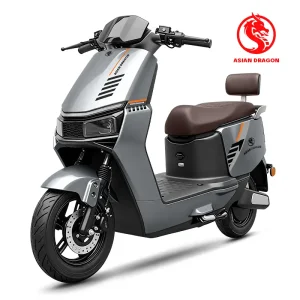
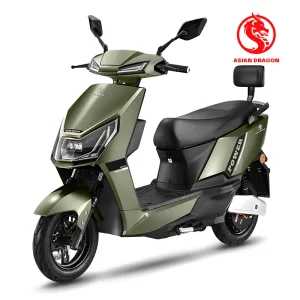
Fashionable, efficient, and powerful transportation designed for high-speed highway and urban commuting.
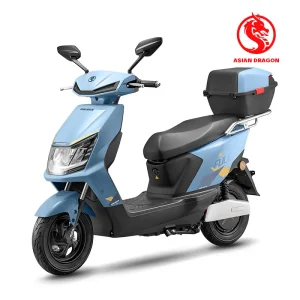
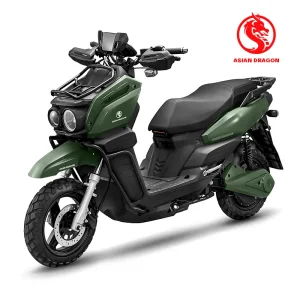
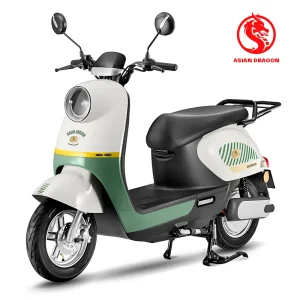
Fashion-forward, fast, and agile commuter options built to bypass heavy city gridlock.
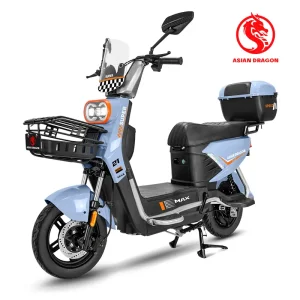
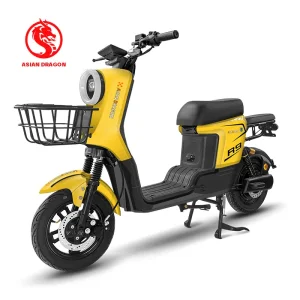
Lightweight, convenient, and assisted personal transportation tools for easy, short-distance trips.
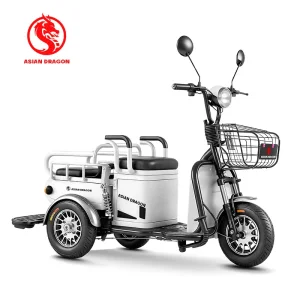
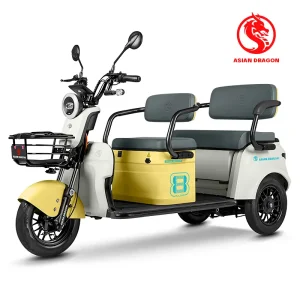
Reliable, high-torque passenger and heavy cargo vehicles designed for group travel and local logistics.
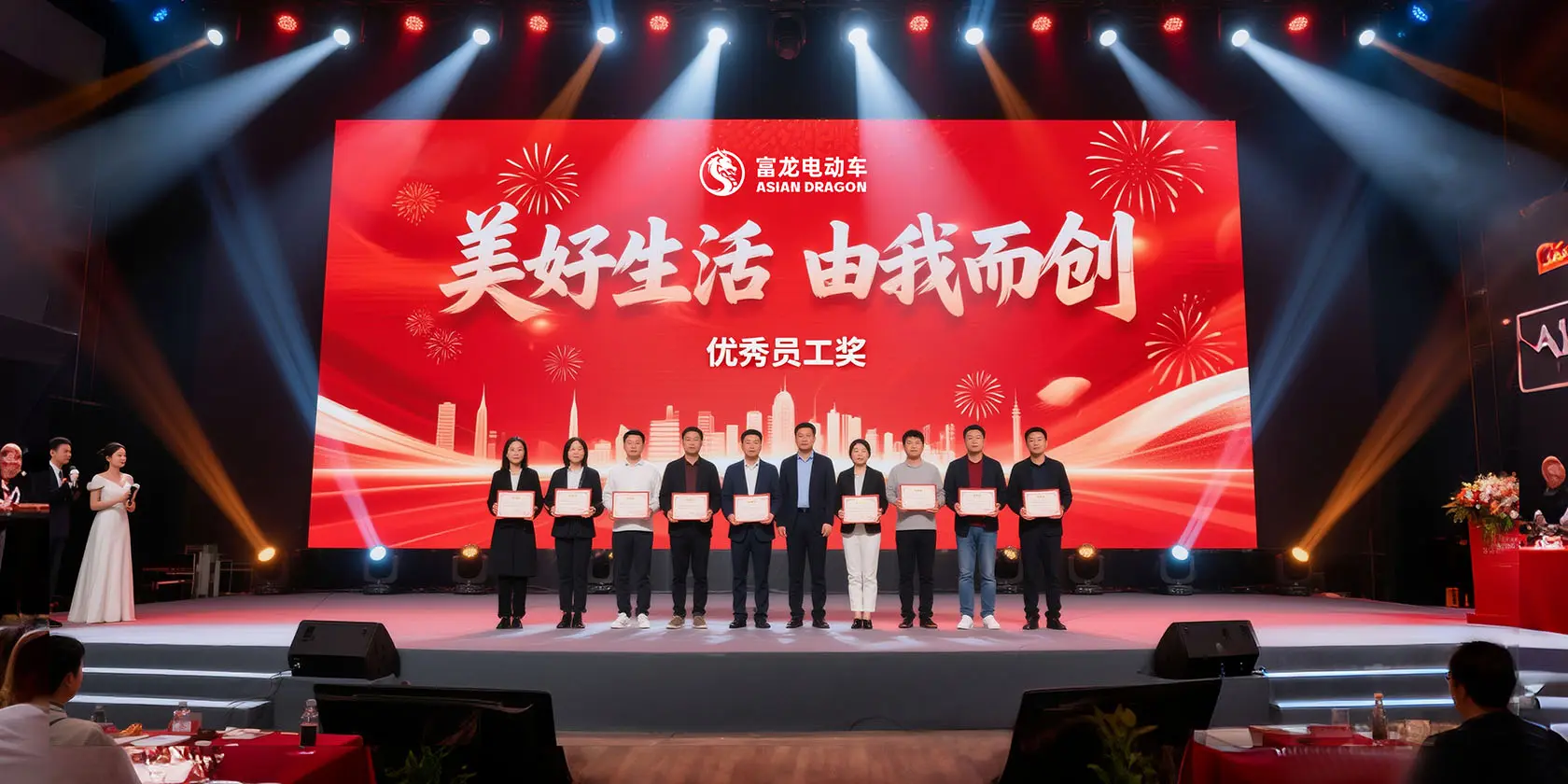
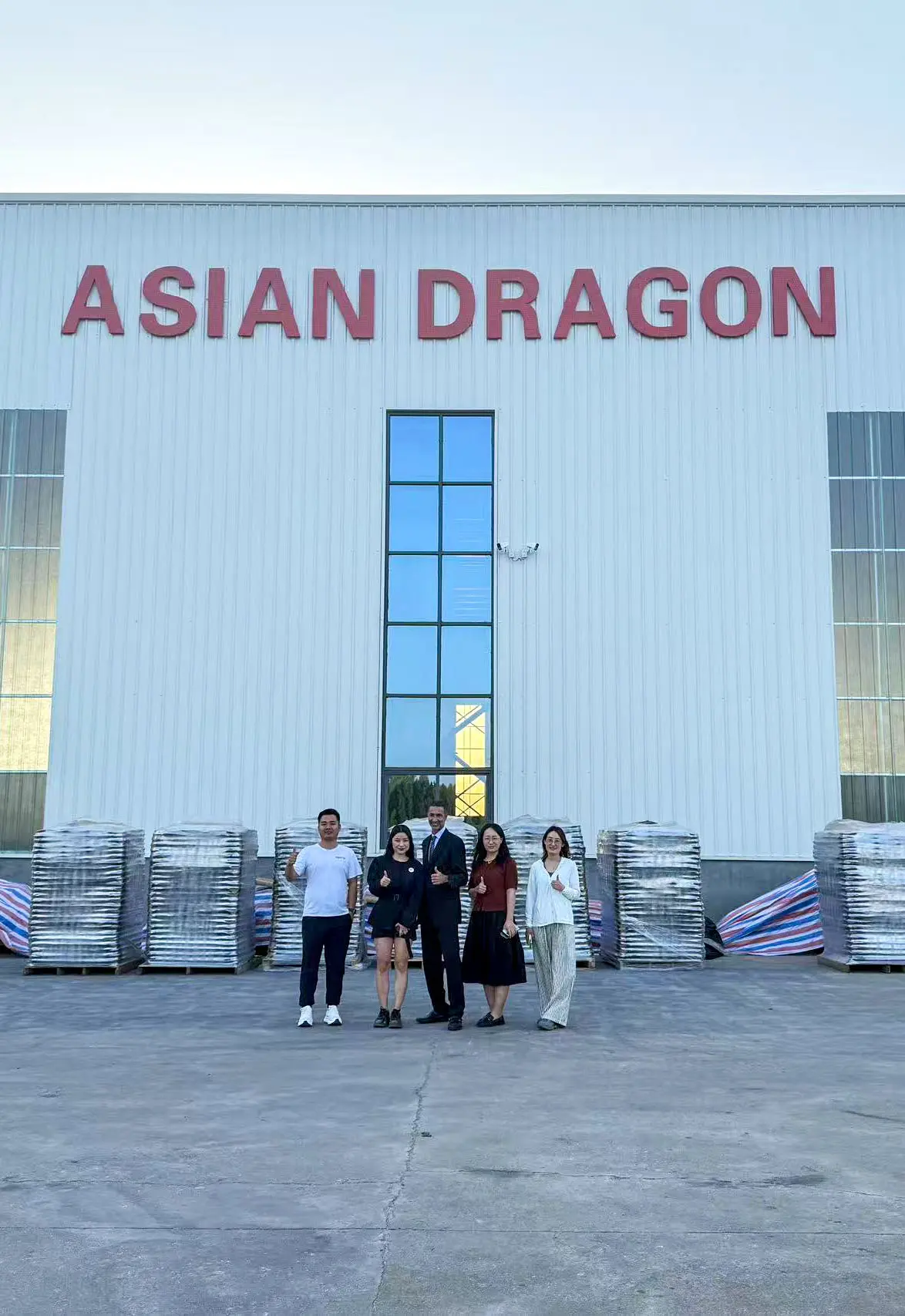
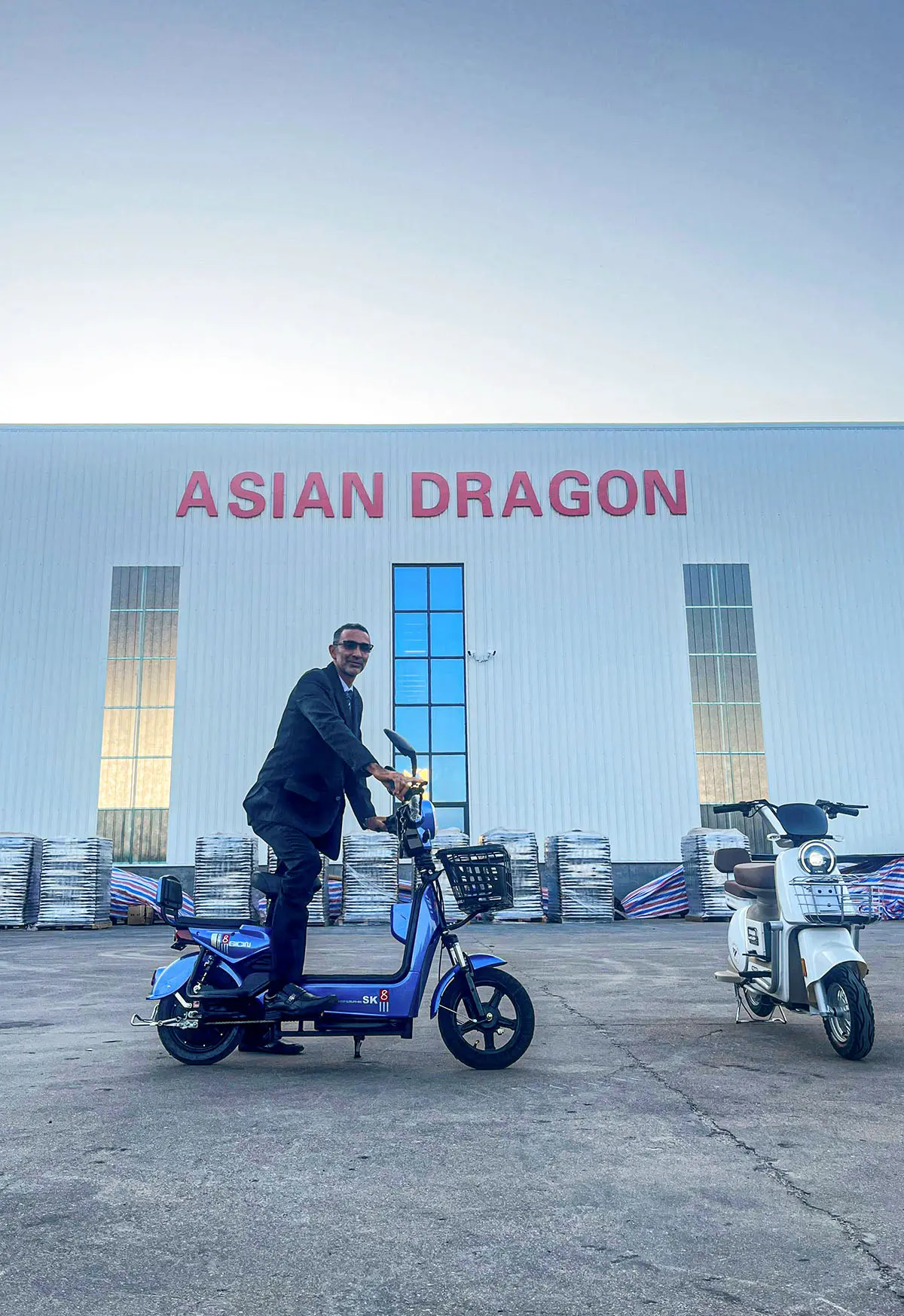
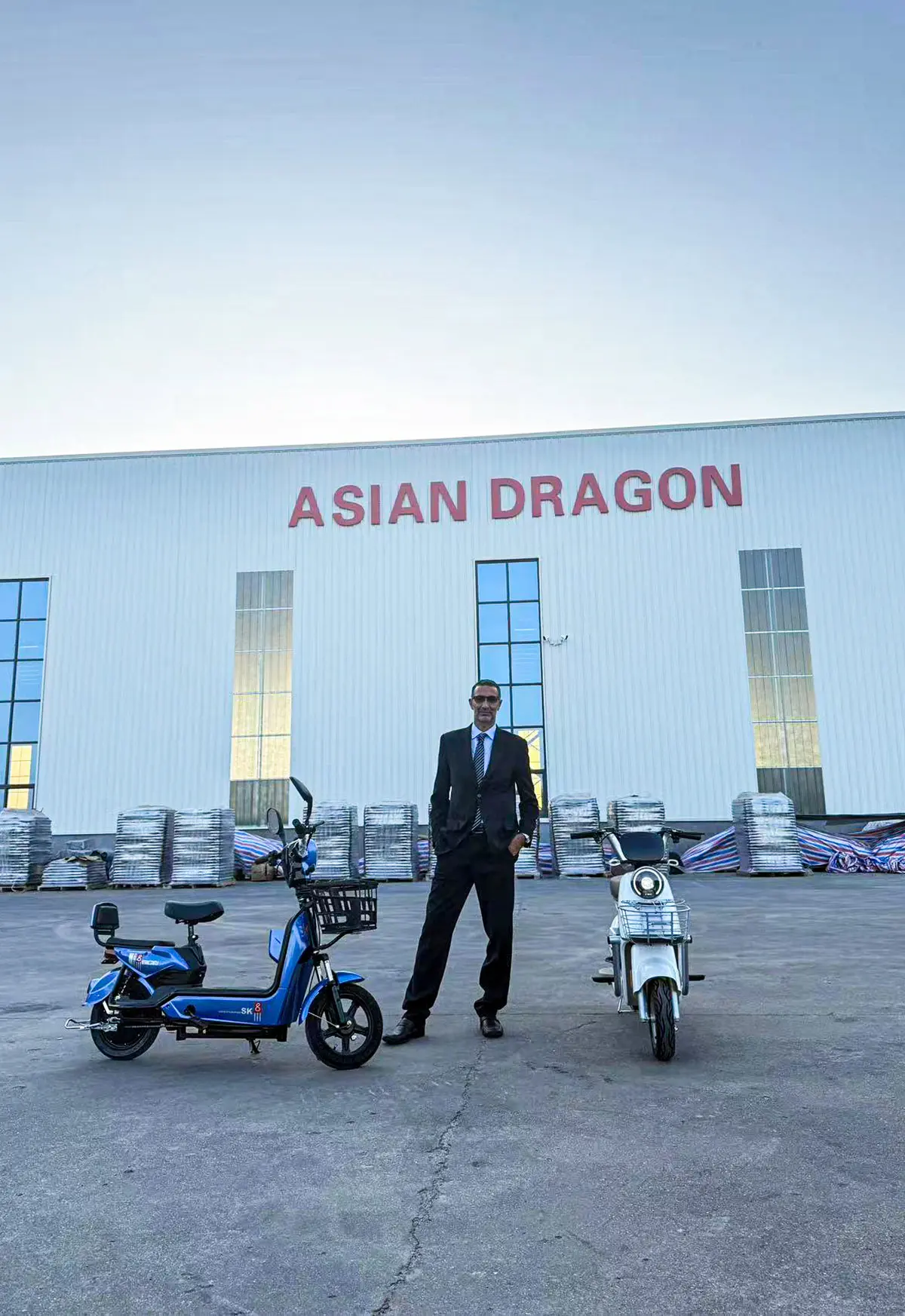
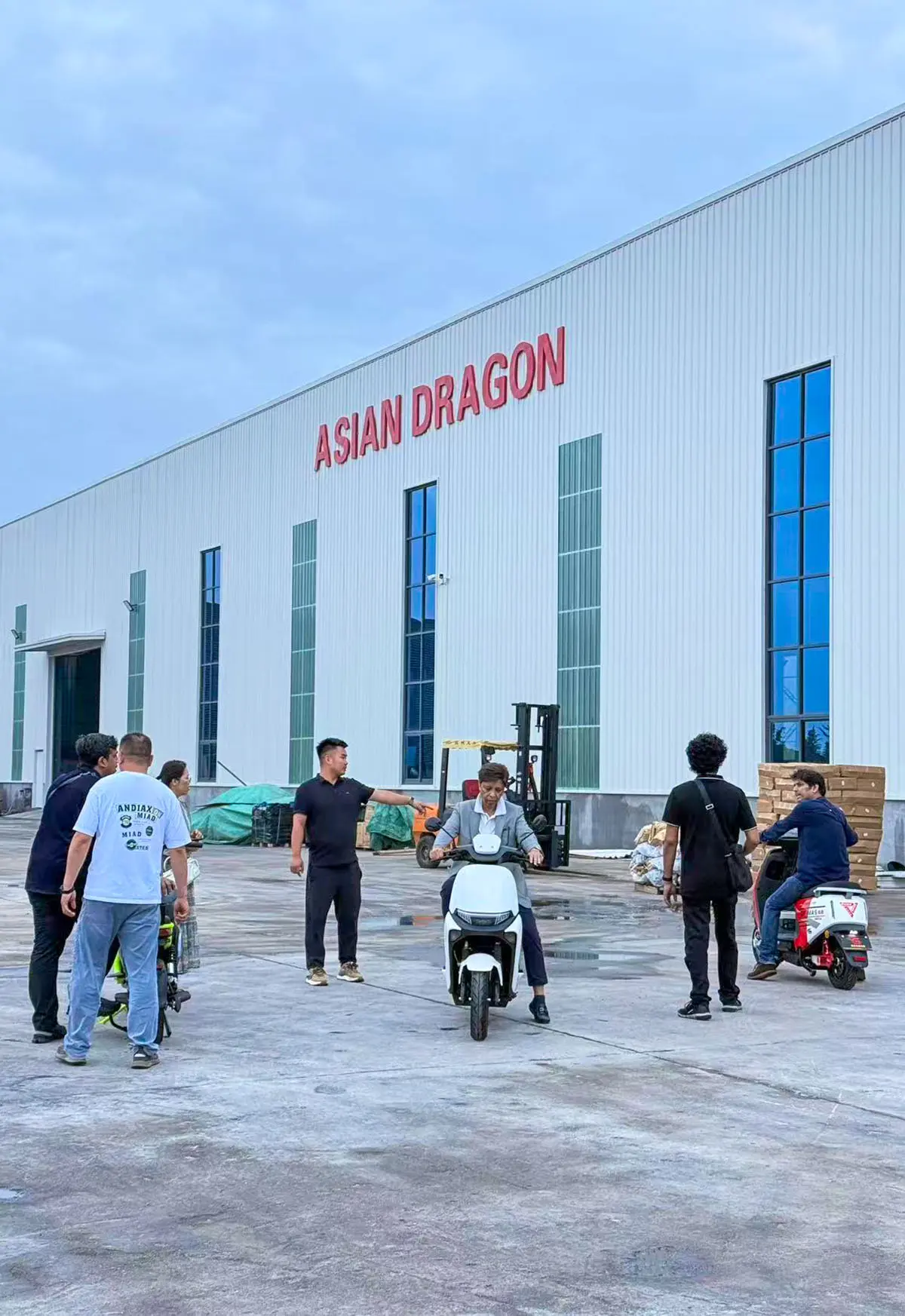
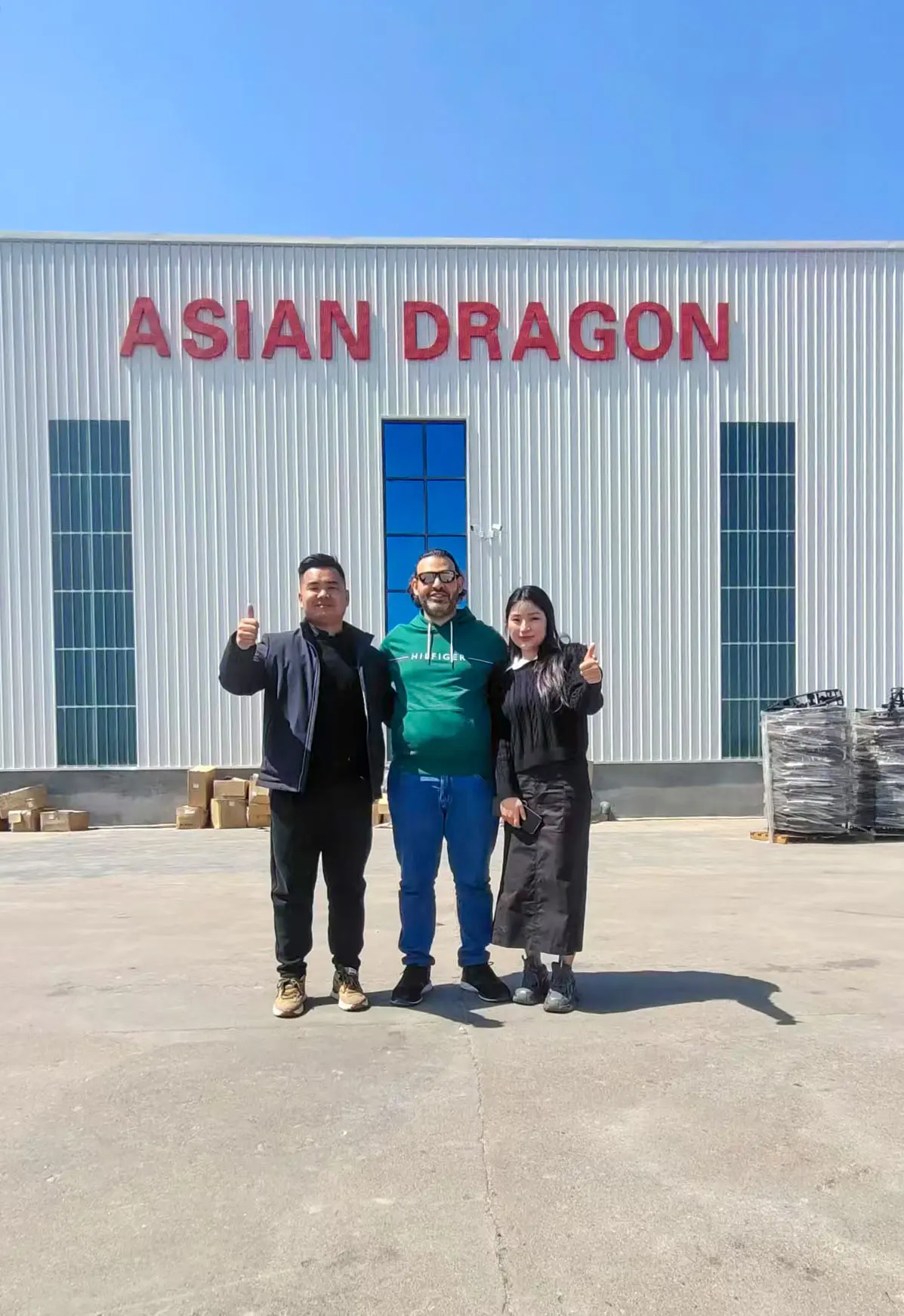
We understand that building a reliable supply chain requires deep trust and transparency. That is why we encourage global partners to visit and inspect our factory firsthand. By observing our production lines, testing equipment, and quality control systems, you can witness the dedication to excellence that defines our brand.
We collaborate closely with our partners to ensure that every vehicle complies with local import regulations, safety certifications, and performance expectations. Our team is ready to assist you through every step, from custom sample approval to final container loading.
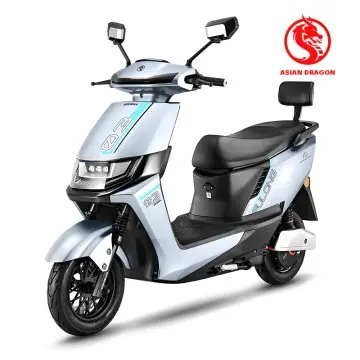
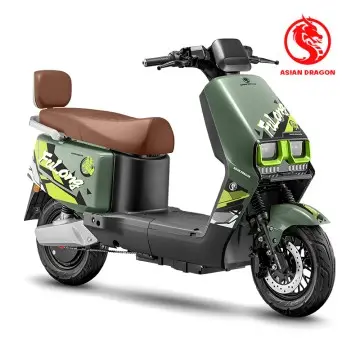
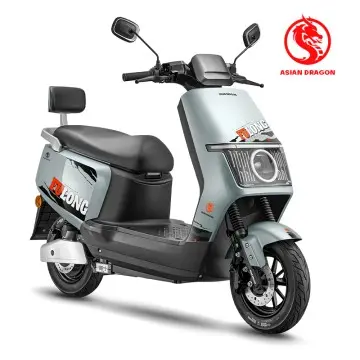

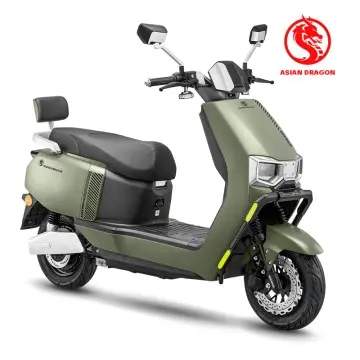
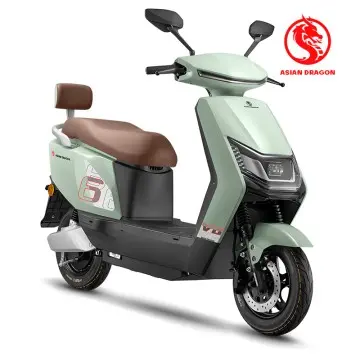
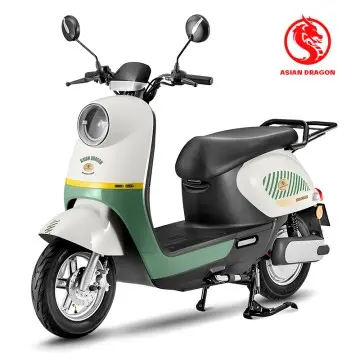
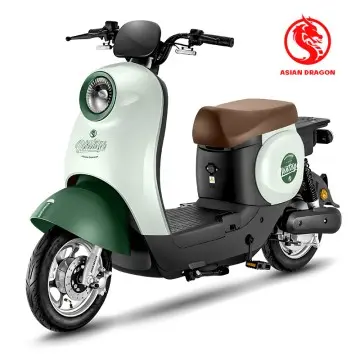
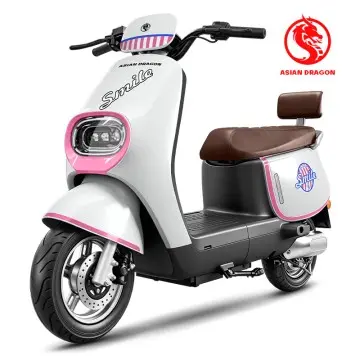
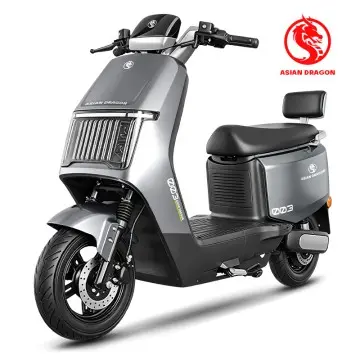
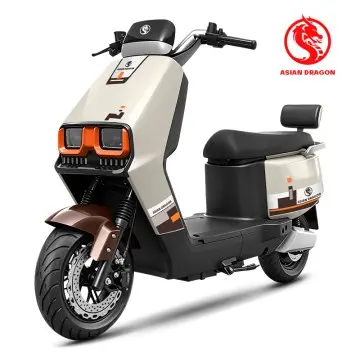
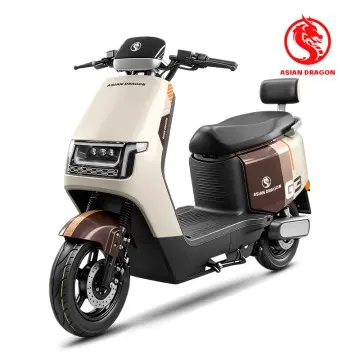
 Asian Dragon