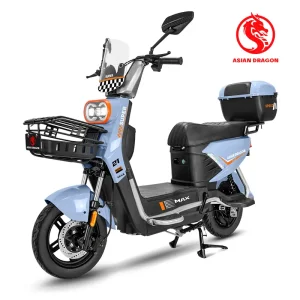
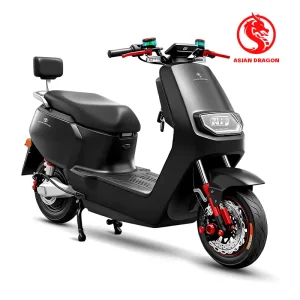
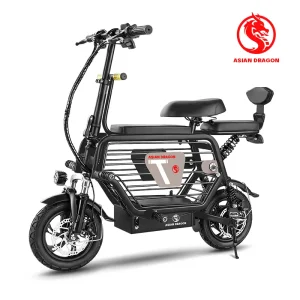
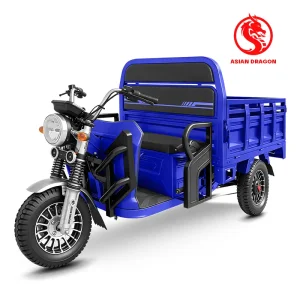
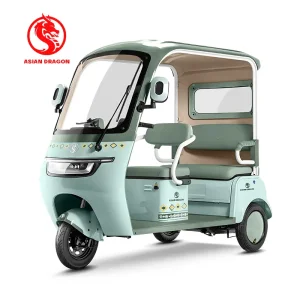
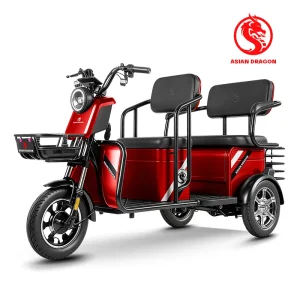
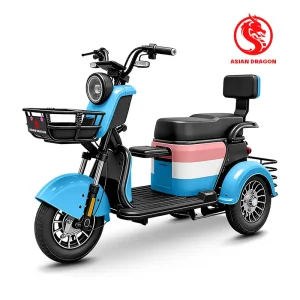
Wholesale Lithium Electric Bike Factories & Factory

The Comprehensive Industrial Whitepaper & B2B Procurement Guide for Global Smart Electric Mobility Solutions

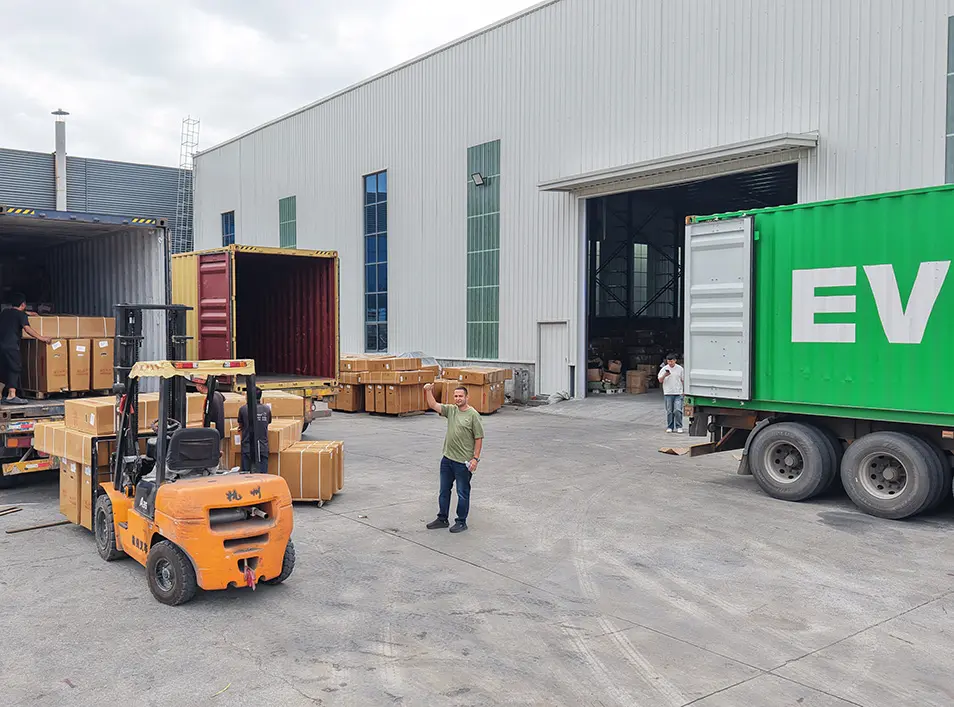
Linyi Fulong Factory Facilities

About Linyi Fulong New Energy Co., Ltd.

Established in 2017, Linyi Fulong New Energy Co., Ltd. has developed into a comprehensive enterprise integrating the R&D, production, and sales of electric two-wheelers and three-wheelers. With a complete and highly integrated industrial chain, the company possesses an annual production capacity exceeding 500 thousand units, exporting state-of-the-art vehicles to more than 90 countries and regions worldwide.

In an increasingly competitive global market, we consistently prioritize "customer first, quality first" as our core operating principle. This philosophy guides every link of our business development, ensuring we select premium raw materials, implement strict quality inspections, and integrate cutting-edge robotic automation on the production floor.

Tailored Precision Matching

Customized designs based on user demographics—matching commuter demands with high-capacity batteries and families with robust cargo spaces.

Global Quality Standards

Compliance-first manufacturing optimized for international markets, matching safety and performance regulations across Europe, the Americas, and APAC.

10+
Years Industry Experience
15+
Professional Engineers
20K㎡
Factory Area
90+
Export Nations

Industrial Whitepaper: The Evolution of Global Lithium Electric Bike Manufacturing

The global transport industry is undergoing a monumental paradigm shift. As urban centers become denser and the demand for zero-emission last-mile logistics grows, the micro-mobility sector has transitioned from a recreational market to a crucial pillar of municipal and industrial logistics. At the heart of this revolution is the Lithium-ion Electric Bike (Li-E-Bike). Characterized by high energy density, extended lifecycle, and weight efficiencies, lithium power systems have almost entirely supplanted legacy lead-acid technologies.

The Power Paradigm: Why Lithium-Ion Leads the Market

Traditional lead-acid batteries yield around 30-40 Wh/kg, whereas modern Lithium Nickel Manganese Cobalt (NMC) and Lithium Iron Phosphate (LFP) chemistries range from 120 to over 250 Wh/kg. This translates to three times the range at less than half the structural weight, directly boosting vehicle dynamics and reducing frame fatigue.

1. Global Commercial & Industrial Landscape

In Europe, strict environmental regulations and subsidies for light electric vehicles (LEVs) have integrated electric cargo bikes and commuter e-bikes into daily workflows. The European Standard EN15194 sets rigorous guidelines for safety and performance, ensuring that imported electric bikes comply with functional safety and battery management rules.

In North America, the post-pandemic delivery boom has turned electric bikes into essential assets for courier networks and gig-economy drivers. The commercial vehicle demands in these areas lean heavily toward high structural durability, fast-charging capabilities, and heavy payload capacities. Concurrently, the APAC region relies on high-speed electric scooters and multi-passenger e-trikes to solve local passenger movement challenges in highly congested zones.

2. The Efficiency Advantages of Chinese Factories

China remains the uncontested center of gravity for electric vehicle manufacturing. The structural efficiencies of Chinese E-Bike factories do not stem simply from labor capacity, but from highly evolved industrial clusters. In regions like Shandong (with Linyi at the core) and Jiangsu, the proximity of frame casting plants, brushless motor developers, advanced battery management system (BMS) programmers, and international deep-water ports creates an unparalleled ecosystem.

These clusters allow factories like Linyi Fulong New Energy Co., Ltd. to optimize raw material lead times and transition designs from concept to production rapidly. Automated welding lines, computer-controlled wheel lacing, and dynamic motor dyno-testing ensure that high output (exceeding 500,000 units annually) coexists with strict product consistency.

Integrated Supply Chain

Direct integration with domestic lithium cell manufacturers ensures consistent cell sorting, high-quality BMS, and lower unit costs.

Rigorous QA Testing

Every vehicle batch undergoes vibration testing, salt spray corrosion tests for chassis longevity, and dynamic battery drain analysis.

Global Export Logistics

Offering optimized shipping configuration modes, including SKD (Semi-Knocked Down) and CKD (Completely Knocked Down) layouts to minimize shipping costs.

3. Precision Matching: Engineering for Demographics

A single standard vehicle cannot address the complexities of international markets. Our factory utilizes Precision Matching protocols to modify frames, motor controller programming, and battery chemistry selections. This approach balances range, payload capacity, and price points to fit target demographics:

  • Urban Commuters & Delivery Couriers: Lightweight structures combined with high-discharge, quick-charge lithium packs (48V or 60V setups) that enable continuous shift operations.
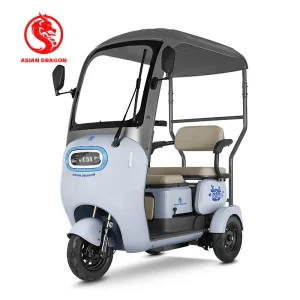
  • Multi-passenger Trikes & Family Fleets: Focus on wide passenger cabs, dual damping suspension systems, and safety-oriented speed governors.
  • Enthusiasts & Off-road Users: Dual motor installations, heavy-duty suspension designs, high-torque controllers, and deep-discharge batteries for rough terrain.

4. Future Market Trends & Next-Gen Technology

The next generation of electric micro-mobility will see deeper integration of IoT systems. GPS tracking, remote diagnostics, and smart battery lockouts are becoming standard requirements for fleet operators. Similarly, the industry is closely evaluating the deployment of Sodium-Ion chemistry alongside Lithium-Iron Phosphate (LFP) for regions facing extreme winter climates, where LFP performance tends to drop.

Our Vision for Future Mobility

"In the future, the company will continue to take 'customer first' as the guide, listen to your needs, and constantly optimize products and services. Taking 'quality first' as the bottom line, we will provide you with reliable product guarantees and help your business development."

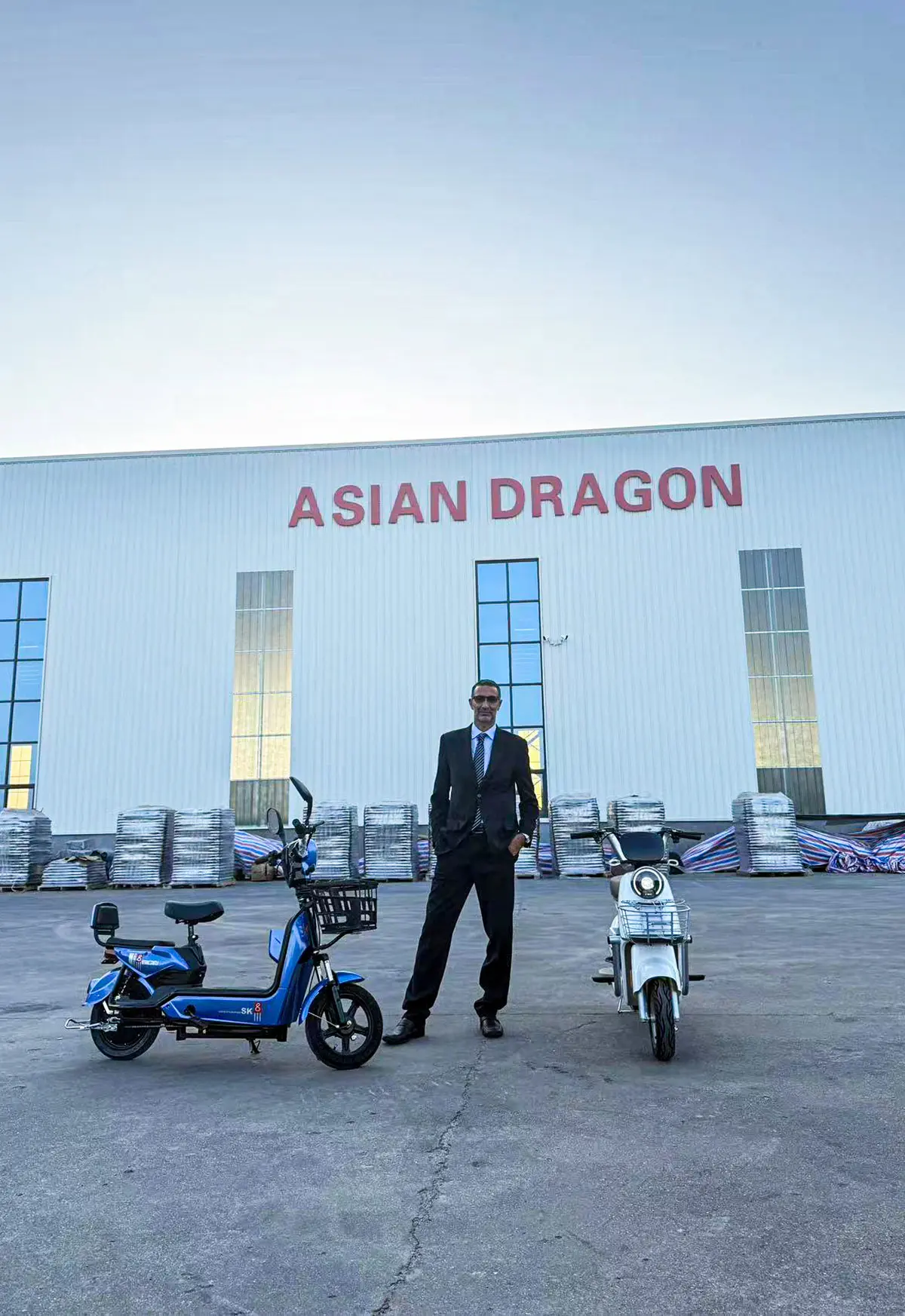
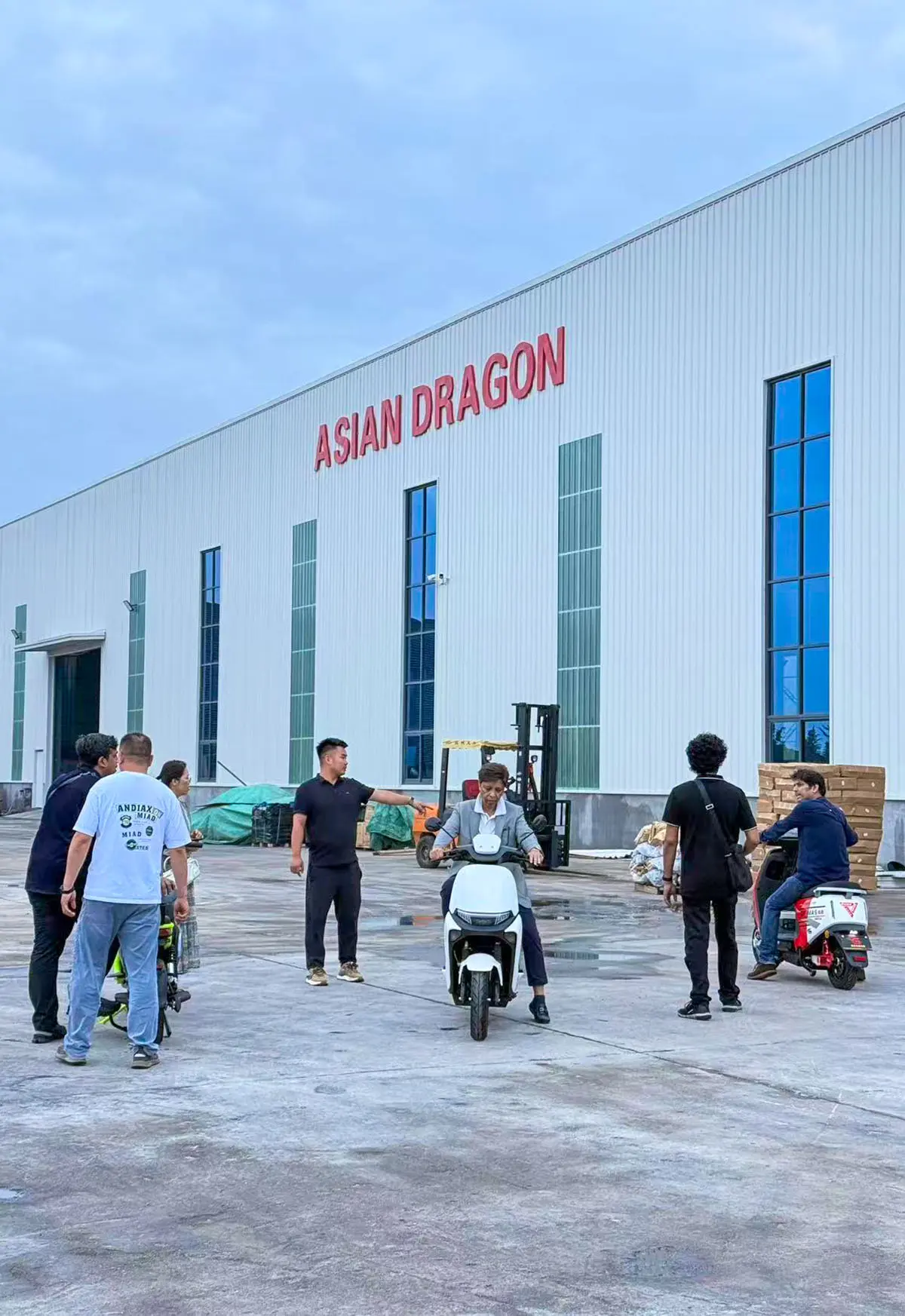
We welcome global partners to inspect our production facilities. A physical inspection reveals the precision of our assembly processes, the quality of our raw materials, and our commitment to safety.
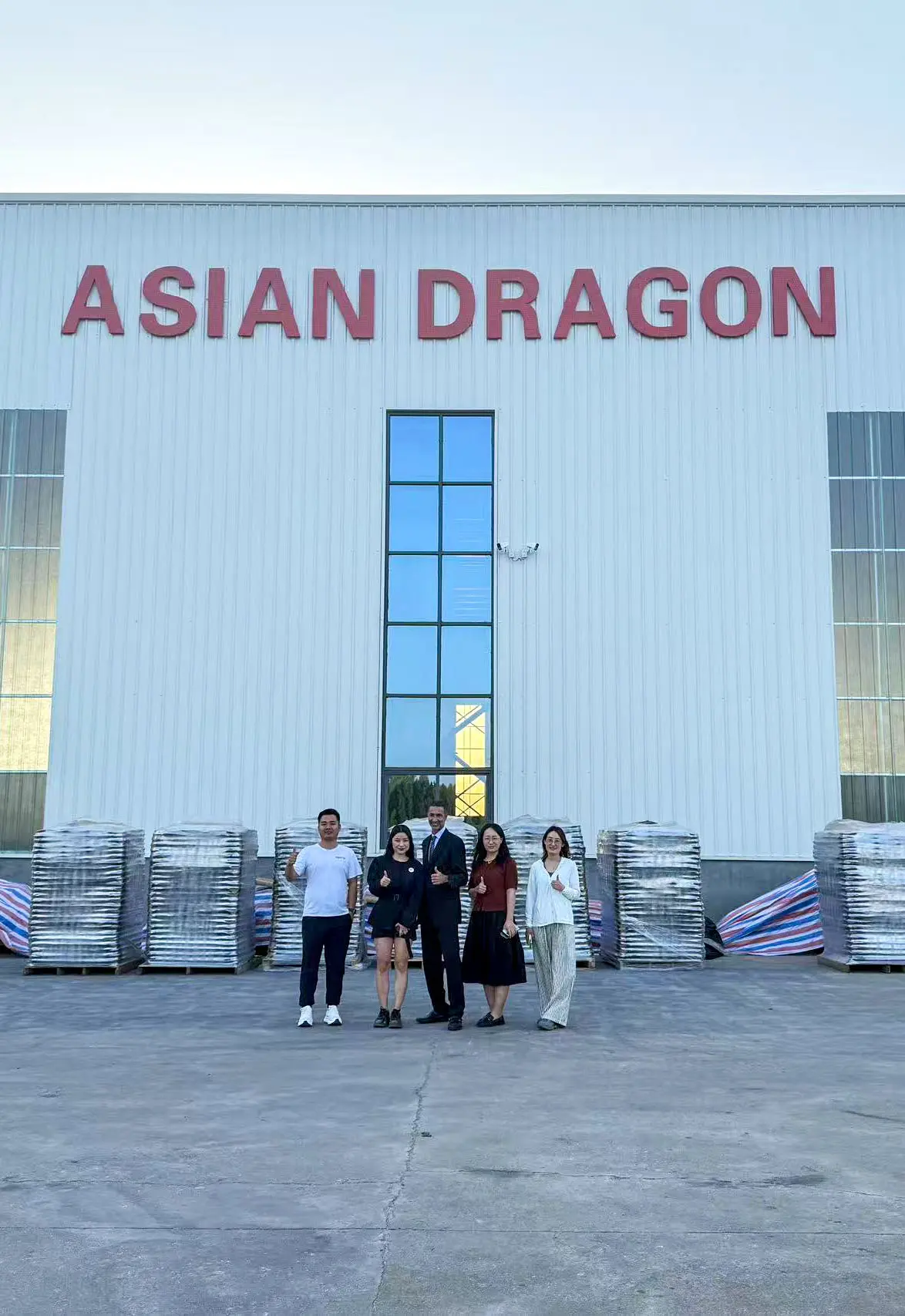
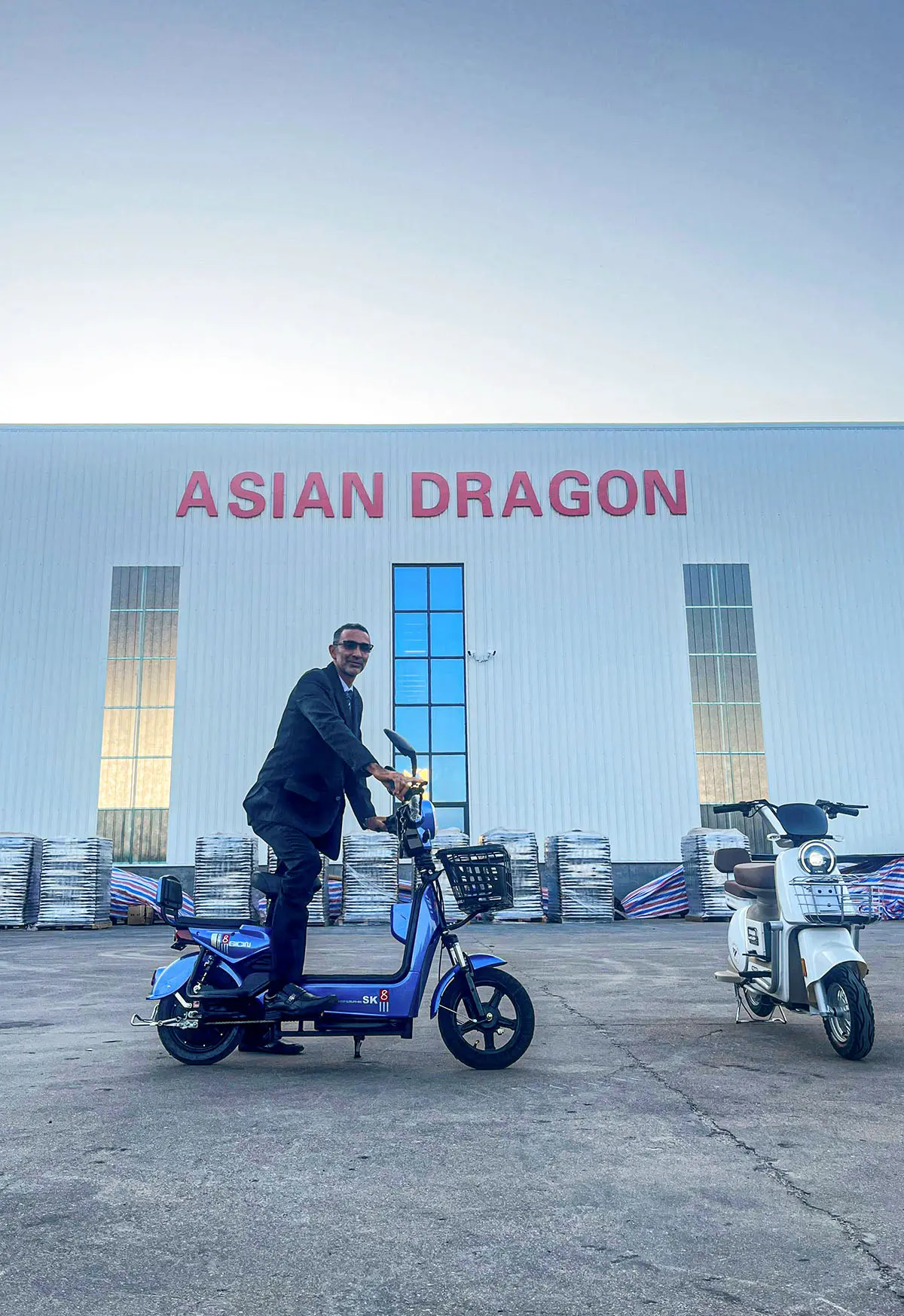
Production Showcase Production Showcase Production Showcase Production Showcase

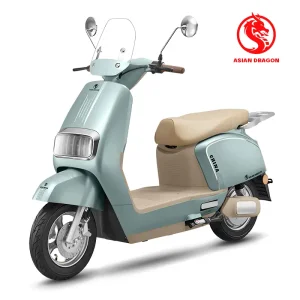
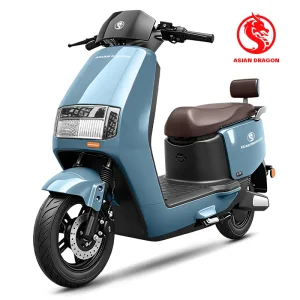
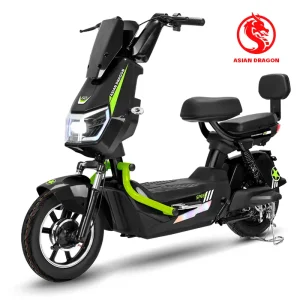
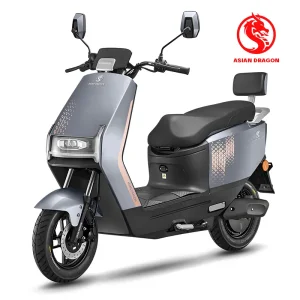
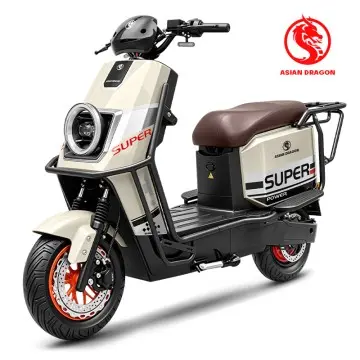
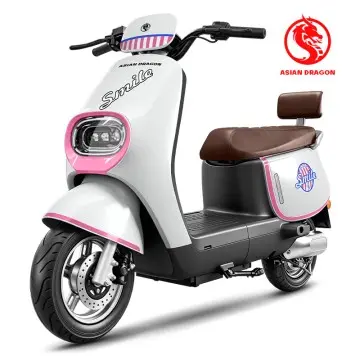
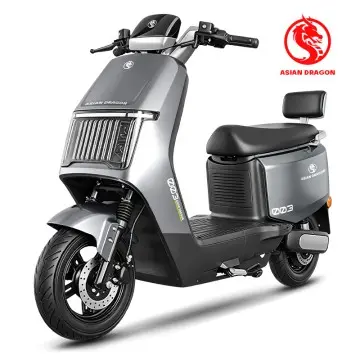
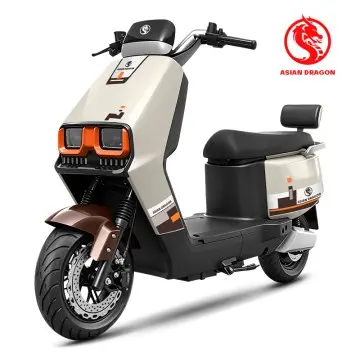
OEM/ODM Customization Portfolio

Select model designs available for high-volume custom production runs and cross-border trade export.
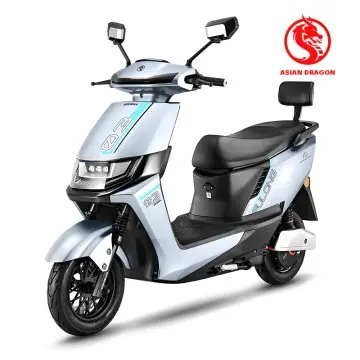
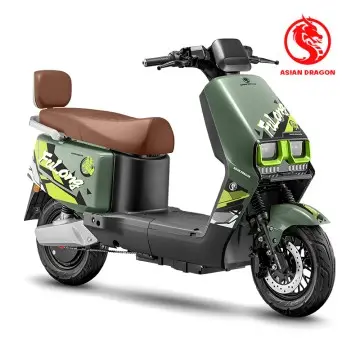
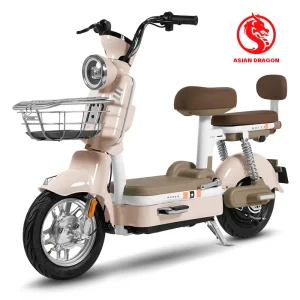
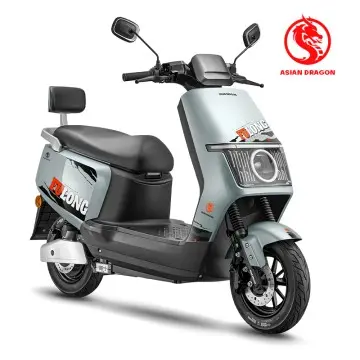
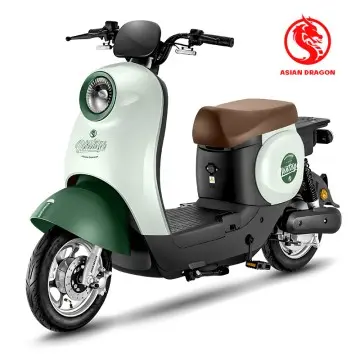
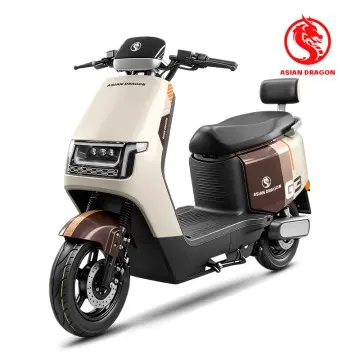
Robot Model 48V Electric Motorcycle
Robot Model 48V Electric Motorcycle, Export & Cross-border Supply, Direct Factory OEM/ODM Available
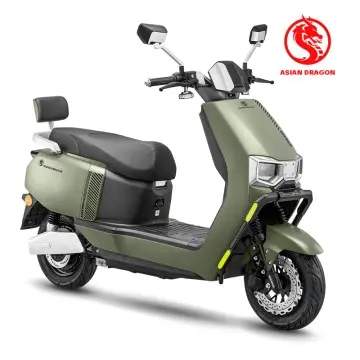
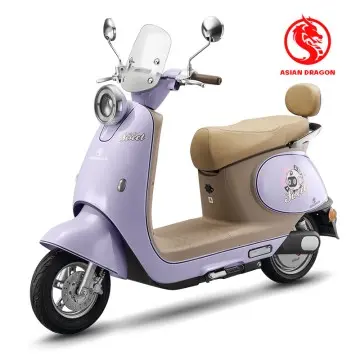
Little Chitu Model 48V Electric Motorcycle
Little Chitu Model 48V Electric Motorcycle for Export, Direct Factory OEM & ODM, Cross-border Supply
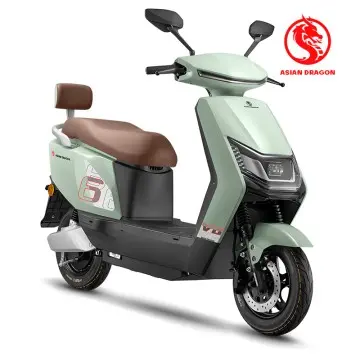
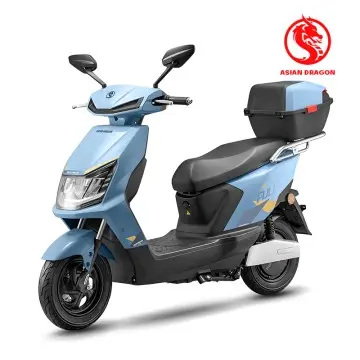
Diniu II Export 48V Electric Motorcycle
Diniu II Export 48V Electric Motorcycle, Direct Factory OEM/ODM Available
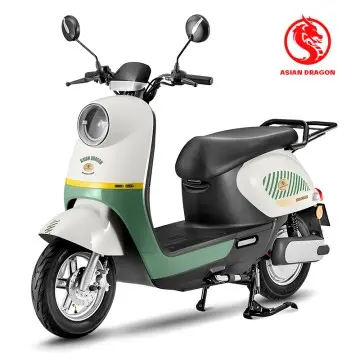
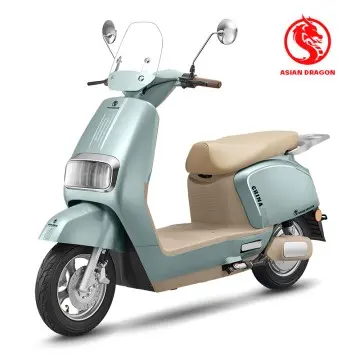
Diniu Model Export 48V Electric Motorcycle
Diniu Model Export 48V Electric Motorcycle, Original Factory OEM & ODM Supported
Jinpai Niu Model Export 48V Electric Motorcycle
Jinpai Niu Model Export 48V Electric Motorcycle, Source Factory OEM/ODM Available
Second-generation robot model electric motorcycle
Second-generation robot model electric motorcycle, 48V, export-grade, OEM/ODM factory direct supply
Xindonggui III Export Version 48V Electric Motorcycle
Xindonggui III Export Version 48V Electric Motorcycle | Direct Factory OEM/ODM Available
Xindonggui II Export Version
Xindonggui II Export Version 48V Electric Motorcycle | Direct Factory OEM/ODM Available
Xindonggui Model Export Version
Xindonggui Model Export Version 48V Electric Motorcycle | Source Factory OEM/ODM Available
Shangling Model 48V Electric Motorcycle
Shangling Model 48V Electric Motorcycle | Direct Factory OEM/ODM Service | Two-Wheel Electric Motorbike
U11 Model 48V Electric Motorcycle
U11 Model 48V Electric Motorcycle | Direct Factory OEM/ODM Service | Two-Wheel Electric Motorbike
G11-9 Model Export-oriented 48V Electric Motorcycle
G11-9 Model, Export-oriented 48V Electric Motorcycle, Source Factory OEM/ODM
G7 Model Export-oriented 48V Electric Motorcycle
G7 Model, Export-oriented 48V Electric Motorcycle, Source Factory with OEM/ODM Services
G6 Smart Edition 48V electric motorcycle
G6 Smart Edition, for export, 48V electric motorcycle, original manufacturer, supporting OEM/ODM
Model G5 48V Electric Motorcycle
Model G5 • For Export • 48V Electric Motorcycle • Direct Factory OEM/ODM
G3 48V Electric Motorcycle
G3 48V Electric Motorcycle for Export - Source Factory OEM/ODM Service

FAQ: B2B Procurement Insights

Expert technical and commercial answers for international distributors, wholesalers, and sourcing agents.

1. What are the key advantages of sourcing lithium-powered electric bikes over traditional lead-acid models?
Lithium batteries offer higher energy density (resulting in a lighter vehicle and longer single-charge range), longer overall lifetimes (typically 800 to 1,500 charging cycles compared to only 300 to 400 cycles for lead-acid), and lower maintenance requirements. Their lighter weight also reduces stress on structural chassis welds and components during transit and operation.
2. How does Linyi Fulong guarantee quality assurance (QA) on bulk export orders?
We follow a multi-stage QA workflow. This includes Incoming Quality Control (IQC) on raw materials and components, In-Process Quality Control (IPQC) at automated manufacturing checkpoints, and Final Quality Control (FQC) involving real-world test rides, dyno calibration, and battery thermal imaging before packaging.
3. What OEM and ODM customization services are available?
We offer custom frame geometries, branding options, component configurations (such as hydraulic disc brakes, premium tires, and upgraded display units), battery pack configurations (voltage, capacity, and cell chemistry), and custom motor tuning to meet specific national road regulations.
4. What is the typical Minimum Order Quantity (MOQ) for international orders?
Standard OEM/ODM orders typically require a minimum order of one 20-foot container (FCL), which optimizes shipping volume. This allows us to protect products using consolidated steel racks and export-grade bubble wrapping, minimizing the risk of damage during maritime transit.
5. How does the factory handle battery certification for international customs clearances?
All exported lithium battery packs are certified under UN38.3 standards for air and sea transport safety. We also supply MSDS documents, CE compliance declarations, and country-specific testing files (such as EN15194 for the European Union) to ensure hassle-free customs clearances.
6. What options are available for shipping packing methods?
We offer three main packing methods depending on your assembly capabilities: Completely Knocked Down (CKD) to save on import tariffs and container volume, Semi-Knocked Down (SKD) for quick assembly, and fully assembled vehicles on special steel transport racks.
7. What is the average lead time for custom container-load shipments?
Standard production runs are typically completed within 25 to 35 business days from the receipt of down payment and confirmation of customization files. Peak shipping seasons may require additional scheduling buffer, which will be coordinated with our sales team.
8. How do your motor controllers protect batteries under heavy loads?
Our smart controllers feature low-voltage cutoffs, over-current protection, and thermal throttling. They communicate with the battery's integrated BMS to prevent deep discharges, over-charging, and thermal spikes during long climbs or heavy payload hauling.