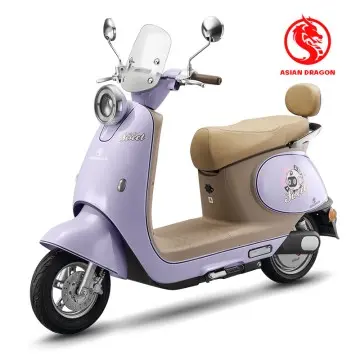
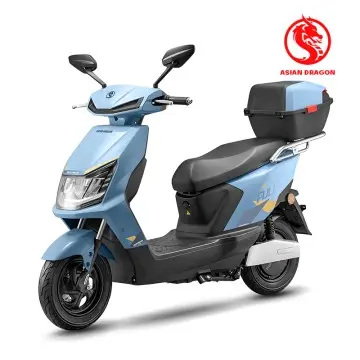
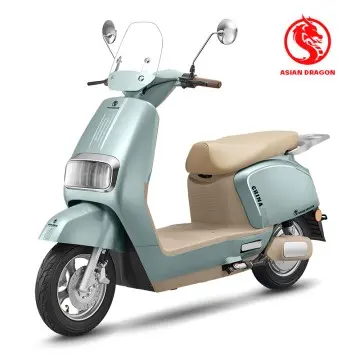
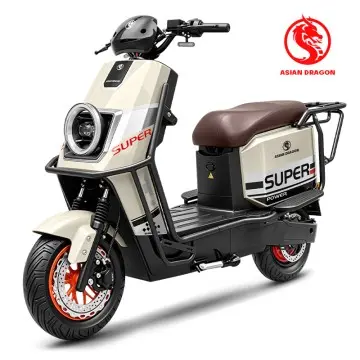
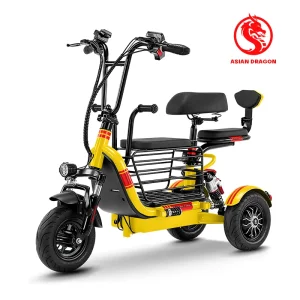
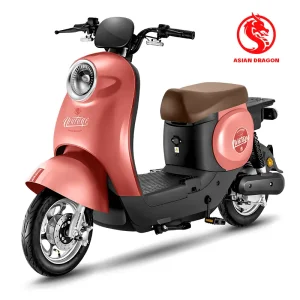
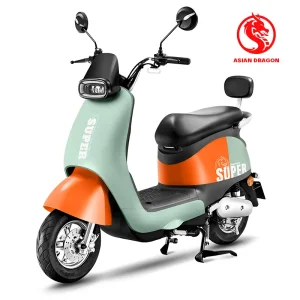
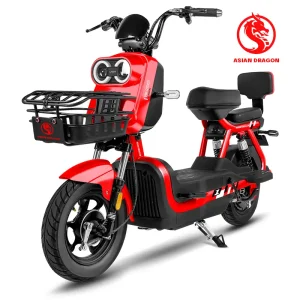
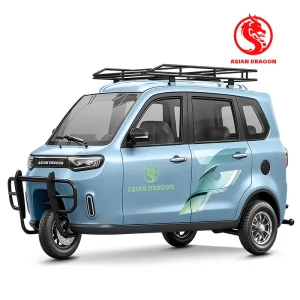
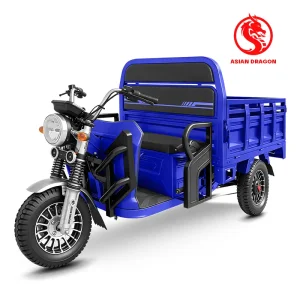
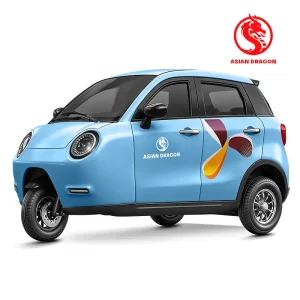
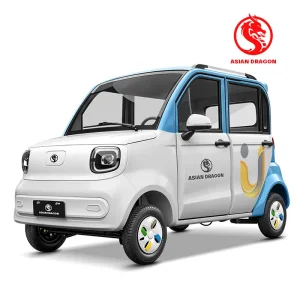
Wholesale Mobility Electric Bike Manufacturer & Suppliers

Empowering Global B2B Micro-Mobility Distribution with Professional OEM/ODM Capabilities, Precision Smart Manufacturing, & Certified E-Vehicle Innovation.

Global Mobility Electric Bike B2B Industry Whitepaper

An in-depth analysis of high-efficiency manufacturing, technological advancements, localization engineering, and supply chain strategies in the light electric vehicle (LEV) sector.

1. The Global Micro-Mobility Paradigm Shift

The global transition to sustainable transportation has positioned light electric vehicles (LEVs)—specifically mobility electric bikes, e-motorcycles, and e-trikes—as essential infrastructure elements of urban planning and smart logistics. Driven by carbon neutrality directives in Europe, the United States, and Asia-Pacific, corporate operations and commuter paradigms are pivoting away from fossil-fuel reliance. The commercial logistics industry, in particular, requires durable, zero-emission e-vehicles to manage last-mile delivery routes cost-effectively.

This shift has triggered massive demand for commercial-grade mobility e-bikes capable of continuous heavy-duty operation. Fleet operators demand robust shock absorption systems, higher battery energy densities, and intelligent power management configurations that guarantee predictable ranges under varying payloads. Consequently, procuring high-performing electric mobility vehicles from certified, vertically integrated factories has become a strategic priority for global B2B buyers.

2. Addressing Search Intent & Information Gain

When searching for a "Wholesale Mobility Electric Bike Manufacturer & Supplier," professional importers do not merely look for standard product photos; they seek proof of manufacturing capability, quality control rigor, regulatory compliance, and customized OEM/ODM agility. This document provides actionable structural insights for supply chain managers, procurement directors, and micro-mobility operators.

We analyze the mechanics of Chinese manufacturing hubs, explore battery chemistry developments (LFP vs. ternary lithium), outline essential compliance certificates required for cross-border logistics, and highlight practical engineering solutions. This allows businesses to make informed, data-backed decisions that minimize operational risks and maximize ROI.
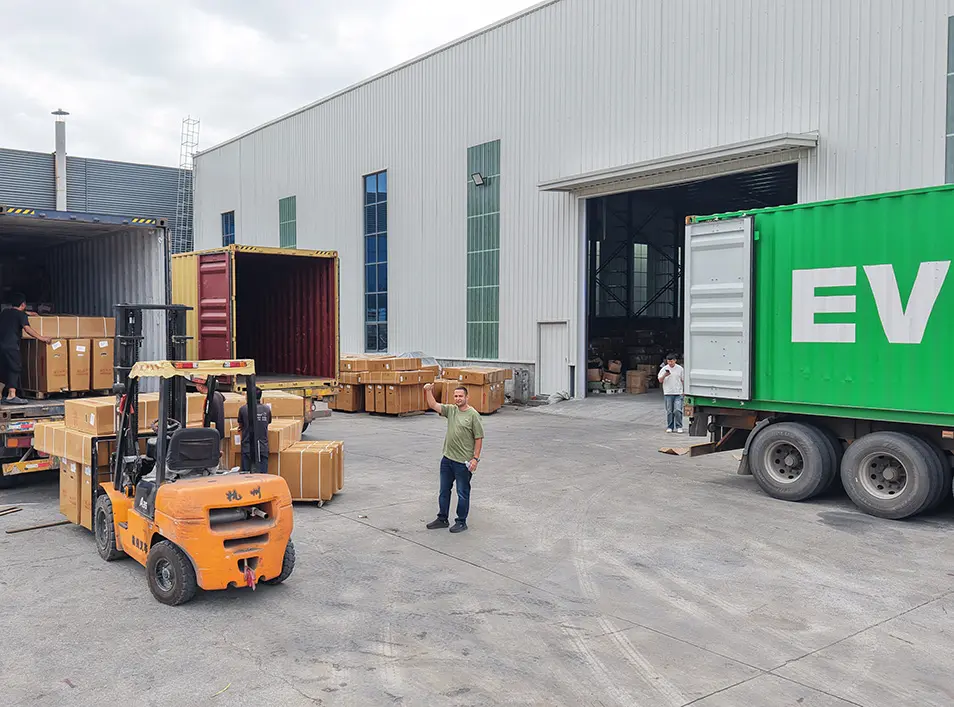
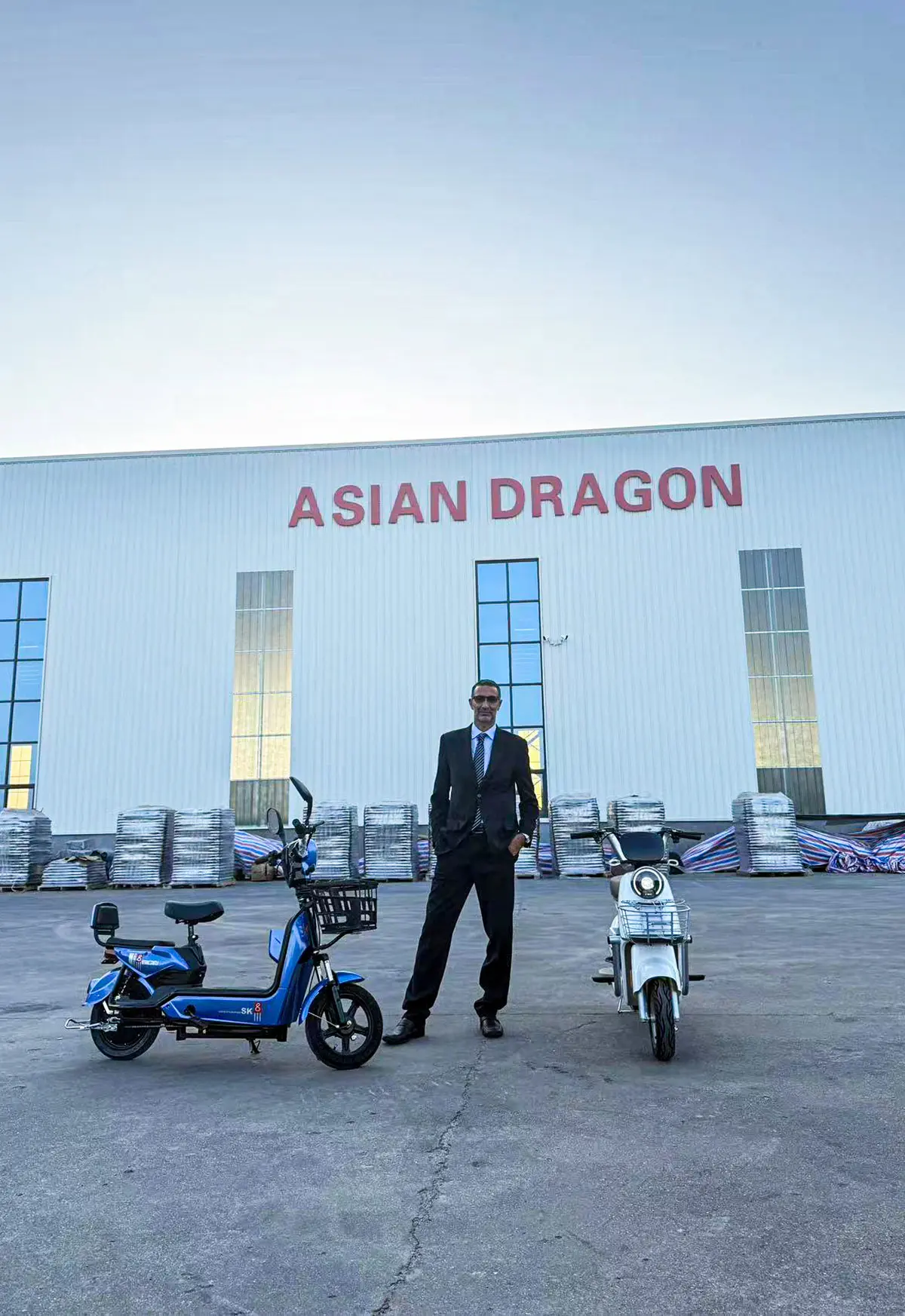
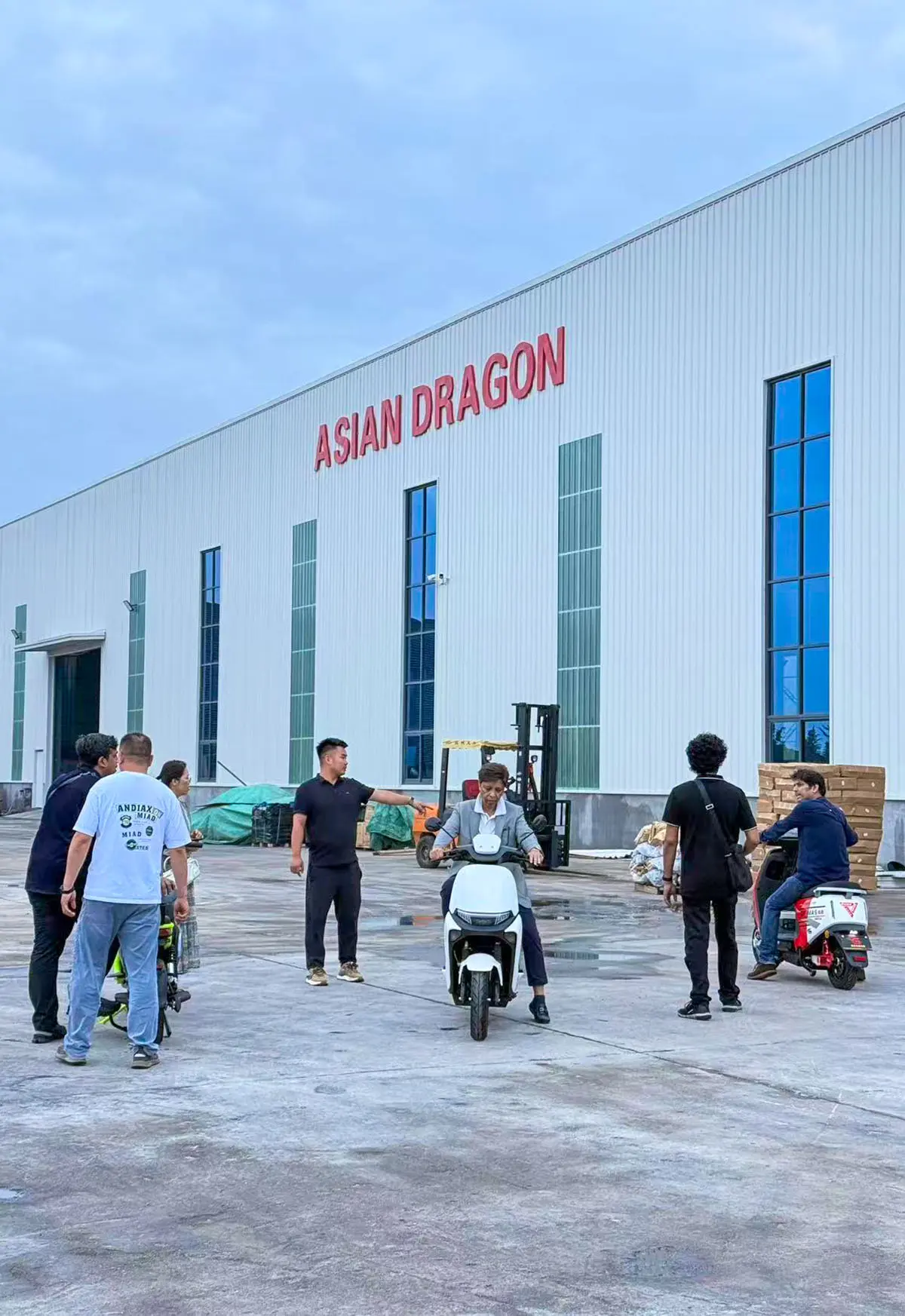
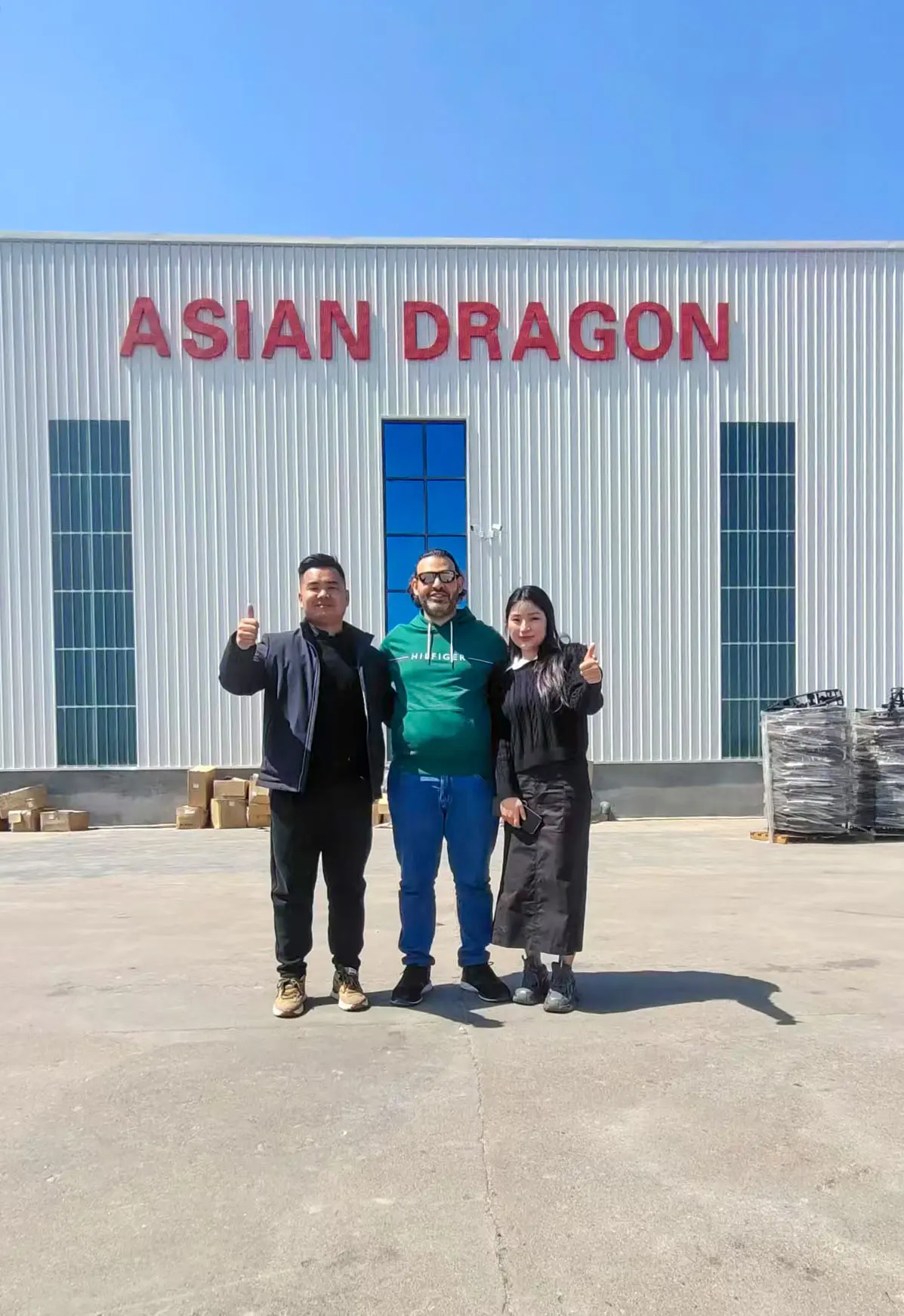
Linyi Fulong New Energy Co., Ltd. Manufacturing Facility

Corporate Powerhouse: Linyi Fulong New Energy Co., Ltd.

Established as a pioneering enterprise integrating R&D, automated production, and global sales, Linyi Fulong New Energy Co., Ltd. has built a complete vertical industrial chain for two-wheelers, three-wheelers, and custom smart e-scooters. We deliver structural resilience, power efficiency, and long-term sustainability to clients in highly regulated markets.

Our commitment to "Customer First, Quality First" drives our operations, ensuring every vehicle leaving our factory floor complies with international standards. Through targeted market research and state-of-the-art diagnostic testing, we address the diverse requirements of modern urban commuters and cargo delivery networks alike.

2017
Established In
500K+
Annual Capacity (Units)
90+
Export Countries
10
Years of Production Experience
150+
Core R&D & Engineering Specialists
20k m²
Modern Factory Coverage Area

Why Source from China? The Linyi Manufacturing Hub Advantage

Analyzing the economic, technical, and logistical factors that make our production facility in Linyi, Shandong, the ideal partner for high-volume B2B orders.

Supply Chain Aggregation

Linyi, located in Shandong province, represents one of China’s most competitive industrial zones for electric vehicles. This cluster provides direct, immediate access to critical components, including high-torque brushless DC (BLDC) motors, precision controllers, durable steel/aluminum frame stampings, and advanced battery management systems (BMS). By eliminating cross-regional logistics delays, we maintain highly competitive production timelines and cost efficiencies.

Advanced Quality Standards

Our 20,000 m² factory operates automated robotic welding machinery, computerized chassis alignment systems, and rigorous electrical load testing arrays. Rather than assembling off-the-shelf components, Linyi Fulong monitors the entire manufacturing process—from raw steel processing and electrostatic powder coating to battery cell capacity grading. This ensures all e-bikes, e-scooters, and e-trikes sustain peak performance under heavy daily usage.

Seamless Global Logistics

Leveraging direct access to major ocean shipping routes via Qingdao Port, Linyi Fulong offers flexible shipping methods, including Semi-Knocked Down (SKD) and Completely Knocked Down (CKD) configurations. This allows importers to optimize container space, minimize import duties in target countries, and ensure that transit-safe packaging shields the mechanical and electrical components from ocean humidity and physical stress.
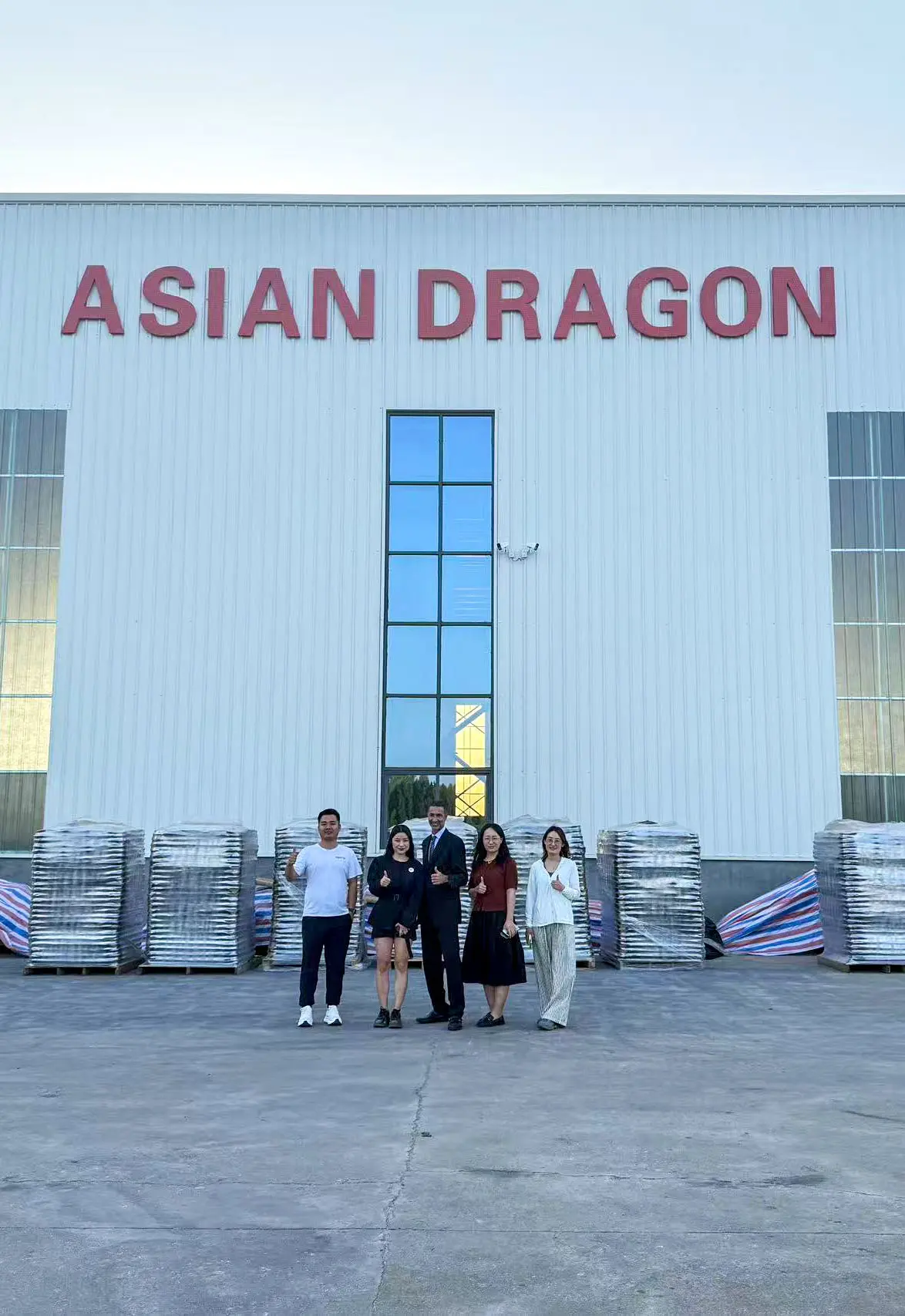
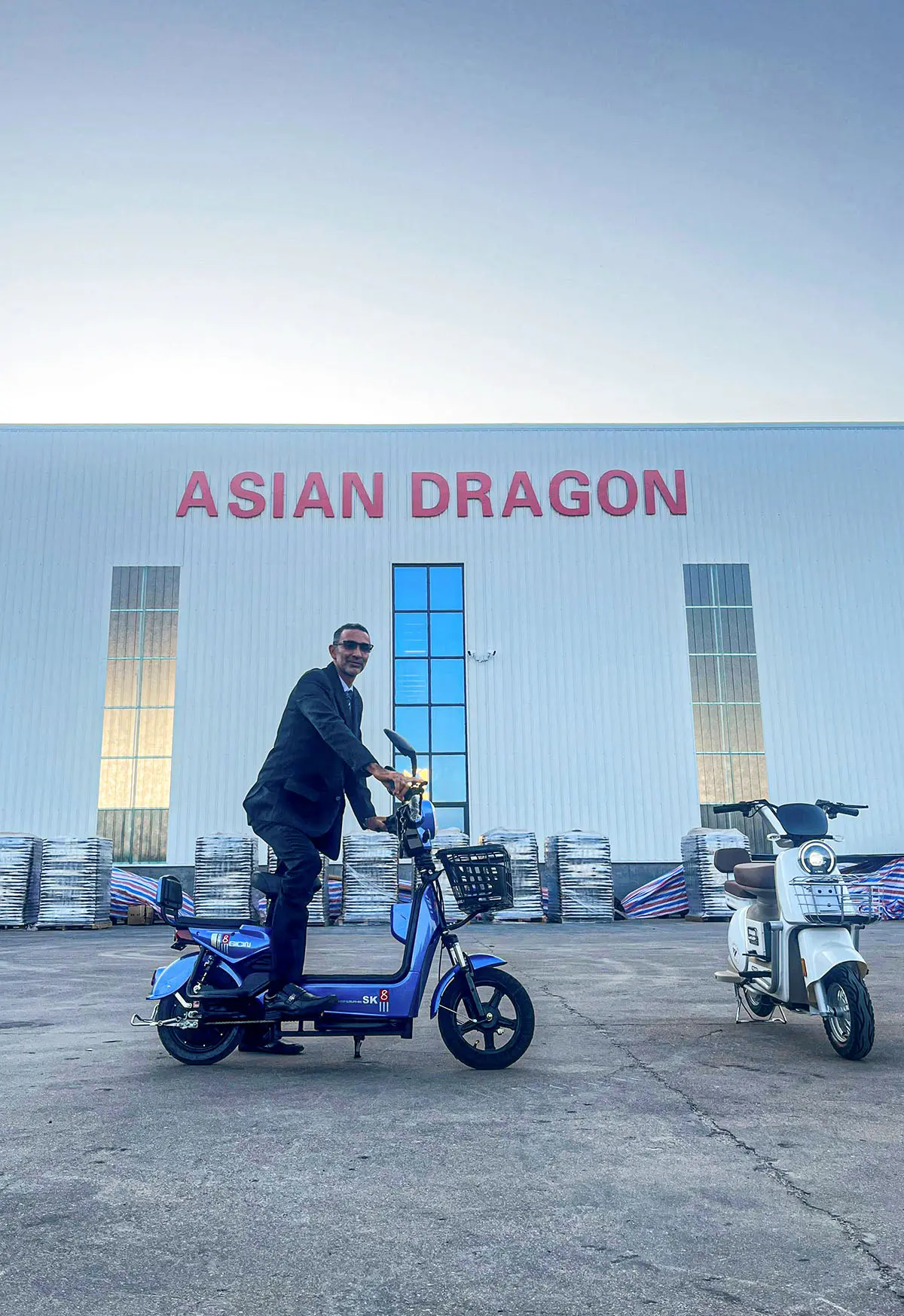
Product Verticals: Meeting Global Commuting & Transit Needs

We supply specialized categories of light electric vehicles, each engineered for specific demographic demands and commercial applications.

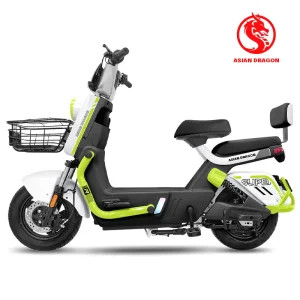
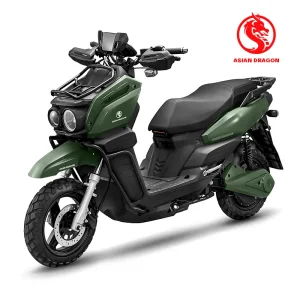
E-Motorcycle

Fashionable, high-torque, and efficient urban highway-ready options.

Explore Range

E-Scooter

Fashion-forward, compact, and fast micro-mobility options for cities.

Explore Range

E-Bike

Lightweight, pedal-assist, and throttle-controlled daily tools.

Explore Range

E-Tricycle

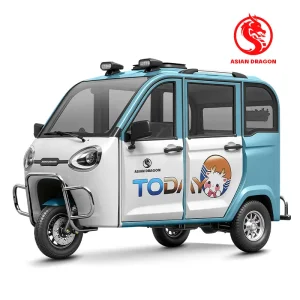
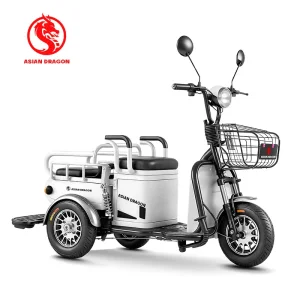
High-stability, multi-passenger, and heavy-duty cargo vehicles.

Explore Range

Precision Matching for Personalized Styles & Fleet Specifications

We recognize that diverse user demographics require specialized vehicle configurations. Linyi Fulong implements a modular engineering process to ensure a perfect fit for every target market:

Urban Commuters

Configured with high-capacity lithium batteries, energy-recovery braking systems, and lightweight frames to maximize range in dense cities.

Students & Youth

Sleek, vibrant, and cost-effective designs focused on ease of handling, smart safety limits, and integrated device charging ports.

Fashion & Trendsetters

Minimalist layouts with customized color schemes, vintage retro aesthetics, digital LED interfaces, and hidden internal wiring.

Enthusiasts & Utility

Engineered with reinforced steel chassis, dual hydraulic shock absorption systems, off-road tyres, and high-torque motors.

Our Custom OEM/ODM Export Models

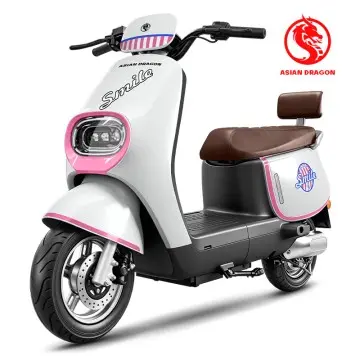
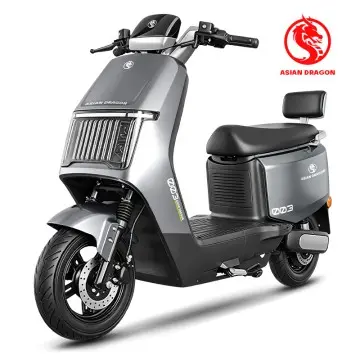
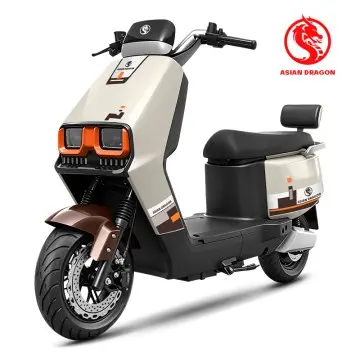
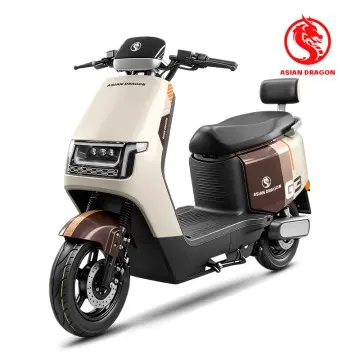
Explore our wide range of custom-configured, export-grade electric two-wheelers. Available with customizable battery chemistries, motor ratings, and graphics.
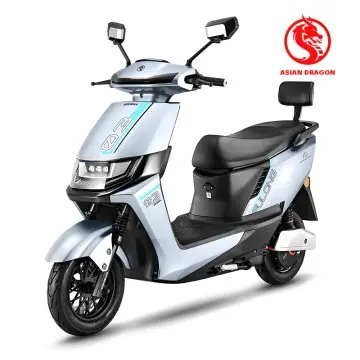
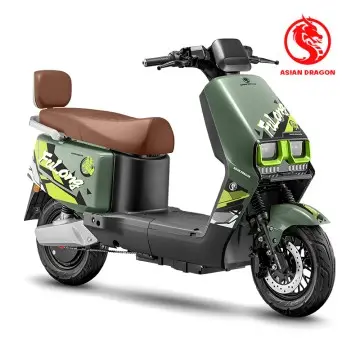
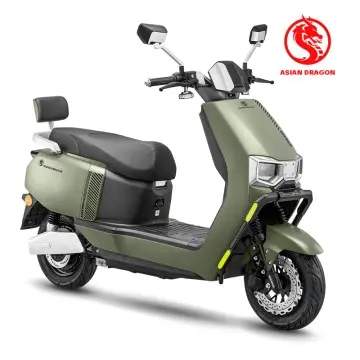
Robot Model 48V Electric Motorcycle

Robot Model 48V Electric Motorcycle (OEM/ODM Available)

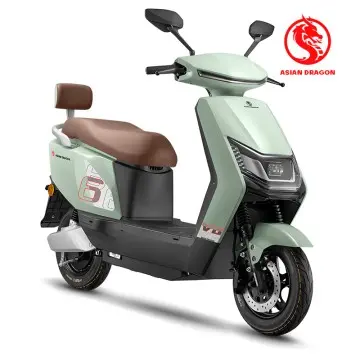
Little Chitu Model 48V Electric Motorcycle

Little Chitu Model 48V Electric Motorcycle

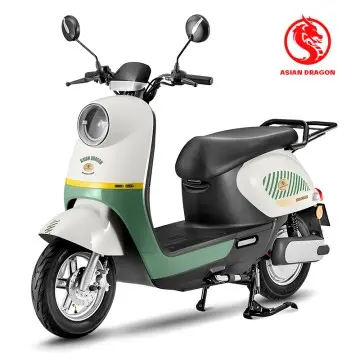
Diniu II Export 48V Electric Motorcycle

Diniu II Export 48V Electric Motorcycle

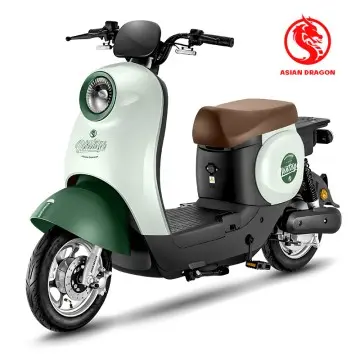
Diniu Model Export 48V Electric Motorcycle

Diniu Model Export 48V Electric Motorcycle

Jinpai Niu Model Export 48V Electric Motorcycle

Jinpai Niu Model Export 48V Electric Motorcycle

Second-generation robot model electric motorcycle

Second-generation Robot Model 48V Electric Motorcycle

Xindonggui III Export Version 48V Electric Motorcycle

Xindonggui III Export Version 48V Electric Motorcycle

Xindonggui II Export Version 48V Electric Motorcycle

Xindonggui II Export Version 48V Electric Motorcycle

Xindonggui Model Export Version 48V Electric Motorcycle

Xindonggui Model Export Version 48V Electric Motorcycle

Shangling Model 48V Electric Motorcycle

Shangling Model 48V Two-Wheel Electric Motorbike

U11 Model 48V Electric Motorcycle

U11 Model 48V Two-Wheel Electric Motorbike

G11-9 Model Export-oriented 48V Electric Motorcycle

G11-9 Model Export-oriented 48V Electric Motorcycle

G7 Model Export-oriented 48V Electric Motorcycle

G7 Model Export 48V Electric Motorcycle

G6 Smart Edition 48V Electric Motorcycle

G6 Smart Edition 48V Electric Motorcycle

Model G5 Export 48V Electric Motorcycle

Model G5 Export 48V Electric Motorcycle

G3 48V Electric Motorcycle for Export

G3 48V Electric Motorcycle for Export

B2B Sourcing Strategy & Compliance Guidelines

Key checkpoints for international distributors and retail chains prior to importing large shipments of electric mobility vehicles.

Global Safety & Import Regulations

Compliance represents the ultimate barrier to entry for light electric vehicles. Sourcing agencies must verify that the selected manufacturer conforms to localized regional standards. For the European Union, vehicles require EN15194 certification for EPAC (Electrically Power Assisted Cycles) or EEC (European Economic Community) homologation for speed pedelecs and electric trikes. In the North American market, UL 2849 certification represents the gold standard for electrical system safety, addressing battery pack, charger, and motor synergies to minimize thermal runaway risks.

At Linyi Fulong, our production lines conform strictly to ISO9001 quality management structures. Our electrical setups are rigorously engineered, providing CE-compliant wiring, double-insulated fuse lines, and integrated thermal-cutoff controllers to satisfy global border-clearance standards.

Future Micro-Mobility Engineering Trends

The micro-mobility market is rapidly incorporating automotive-grade electronics and safety features. Prominent trends include:

  • IoT Integration & Telematics: Modern commercial fleets rely on CAN-bus systems that monitor battery temperature, vehicle GPS positioning, and motor diagnostic data in real-time, allowing operators to execute predictive maintenance.
  • Lithium Iron Phosphate (LFP) Adoption: While ternary lithium cells offer superior weight-to-energy ratios, LFP chemistry is gaining traction in commercial segments due to its long life cycle (exceeding 2,000 charge cycles) and thermal stability.
  • Smart Ergonomics: Enclosed cabins and digital HUD dash displays are standard features for modern passenger and cargo electric trikes, providing all-weather utility and convenience.

B2B Procurement & Technical FAQ

Crucial information and technical clarifications regarding battery technologies, customization, shipping options, and compliance.

1. What are the key differences between the LFP and NMC batteries offered in your electric bikes and trikes? +
We offer both Lithium Nickel Manganese Cobalt (NMC/Ternary) and Lithium Iron Phosphate (LFP) batteries. NMC batteries are lighter and deliver higher energy density, making them ideal for high-speed urban e-motorcycles and daily commuters where space is limited. LFP batteries are heavier but offer far superior thermal stability and a lifespan exceeding 2,000 charging cycles. LFP is highly recommended for commercial cargo delivery networks and regions with high ambient temperatures.
2. What is the standard minimum order quantity (MOQ) for custom OEM/ODM electric motorcycles and trikes? +
For standard factory configurations, our MOQ starts at 20 units (typically fitting a 20GP container). For highly customized OEM/ODM projects requiring bespoke frame modifications, custom motor winding, or proprietary tooling molds, our MOQ ranges from 50 to 100 units depending on design complexity. We offer prototype validation prior to initiating volume production.
3. How does Linyi Fulong ensure strict quality control across its 500,000-unit annual production? +
Our QC protocol runs through three phases: 1) Incoming Quality Control (IQC) which tests all raw materials, including battery cell grading, steel tensile strength, and motor winding resistance. 2) In-Process Quality Control (IPQC) utilizing automated robotic welding and visual alignment lasers. 3) Outgoing Quality Control (OQC) where every vehicle undergoes a dynamometer load test, water exposure assessment, and brake performance verification before packaging.
4. Do you support SKD and CKD shipping, and which is better for importing to my region? +
Yes, we support both Semi-Knocked Down (SKD) and Completely Knocked Down (CKD) packing methods. SKD (where the front wheel, handle, and battery are detached) is ideal for countries with low assembly capacity, ensuring fast final assembly. CKD (where the vehicle is shipped as separate parts) maximizes container space and can save up to 40% in shipping volume and import tariffs for regions with domestic assembly plants and favorable duty structures for parts.
5. Which certifications do your electric vehicles carry for European and North American customs? +
Our export-oriented electric vehicles are manufactured to conform to CE standards. For specialized European markets, we design vehicles to comply with EEC/CoC (Certificate of Conformity) guidelines and EN15194 regulations. For the US, our power electronics, chargers, and batteries use components that meet UL requirements (such as UL 2271 and UL 2849) to ensure seamless customs clearance.
6. What is the typical lead time for a 40HQ container of wholesale electric bikes or trikes? +
For standard models, our typical production lead time is 25 to 30 days from receipt of the deposit. Custom OEM/ODM orders requiring special components or custom paint designs may require 40 to 45 days. We coordinate directly with major shipping lines to guarantee container allocation at Qingdao Port.
7. What customized options are available under your OEM and ODM services? +
Our OEM and ODM capabilities are highly flexible. We can customize motor power (from 250W up to 3000W), battery system specifications (48V, 60V, 72V with customized Ah capacity), frame materials (high-carbon steel or aviation-grade aluminum), suspension setups, cargo boxes, color combinations, and decal branding. We also support integration of customized IoT telematics for commercial fleet management.
8. How are warranty claims and aftermarket spare parts handled for international importers? +
We provide a 1-year warranty on core electrical components, including the motor, battery pack, and controller. For each bulk order, we supply 1% to 2% of easily worn-out spare parts (such as brake pads, lights, and switches) free of charge. In case of critical component failure, replacement parts are dispatched immediately via international express shipping to minimize service disruptions.