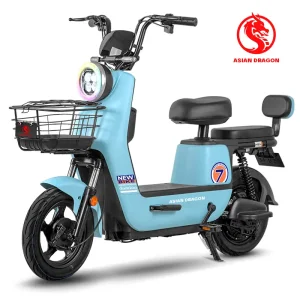
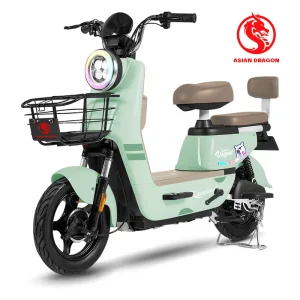
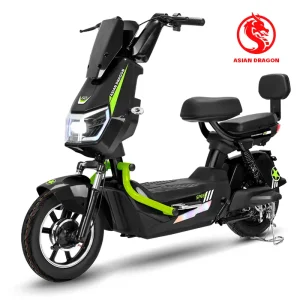
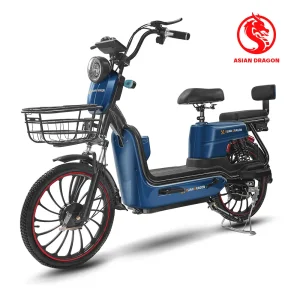
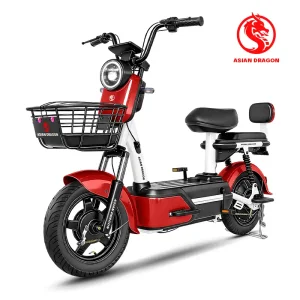
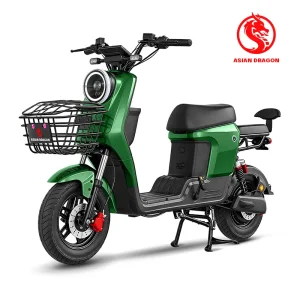
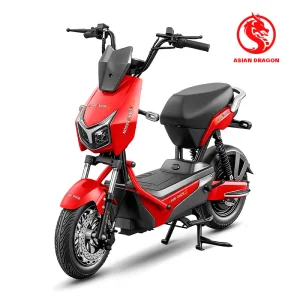
Engineered for the demanding micro-mobility infrastructure of Lima, Callao, and major Peruvian commercial centers.
The micro-mobility landscape in Peru, particularly across Metropolitan Lima, Callao, Arequipa, and Trujillo, is experiencing a structural shift. Historically dependent on traditional public transport networks and internal combustion engine (ICE) vehicles, Peru's major urban agglomerations are now battling unprecedented congestion indices. According to municipal traffic reports, commuters in Lima lose over 120 hours annually to gridlock, which has positioning micro-mobility solutions not merely as a sustainable alternative, but as an economic and practical necessity.
With the rapid growth of localized courier networks and app-based delivery services (including Rappi, PedidosYa, and local e-commerce logistics operations), the demand for robust, energy-efficient, and long-range electric two-wheelers has risen. Peruvian fleet operators and wholesale importers are actively seeking reliable manufacturing partnerships that can provide high-efficiency motors, high-grade battery Management Systems (BMS), and frames designed to withstand diverse coastal humidity levels and high-altitude terrains.
1. Ciclovías Networks Expansion: The Municipalidad de Lima has significantly expanded dedicated cycling corridors (Ciclovías), aiming to link peripheral districts such as Los Olivos and Villa El Salvador directly to central business hubs in San Isidro, Miraflores, and Santiago de Surco. This expanding grid guarantees safer transit corridors for E-bike users.
2. The Delivery Economy: Last-mile delivery relies heavily on robust, low-maintenance transport. Traditional internal combustion mopeds face strict municipal regulations and high fuel costs. Electric commuter bikes equipped with heavy-duty cargo baskets and high-capacity lithium batteries offer lower operating costs per kilometer.
3. Topographical Versatility: Unlike flat cities, Peru presents unique challenges. Coastline districts lie along sea-level cliffs, while Andean metropolitan regions like Cusco and Arequipa sit at over 2,300 meters above sea level. This topography demands high-torque brushless motors and specialized hub drives with advanced thermal dissipation.
Discover how our specialized manufacturing matches the strict environmental and regulatory conditions of the Peruvian market.
Lima's extreme coastal humidity and salty sea breezes (Garúa) require superior frame protection. Our electric bikes feature multi-layered electrophoretic coatings and anti-corrosive aluminum alloys to prevent rust and frame degradation.
Whether navigating the heat of northern Piura or the thin air of Cusco, our intelligent Battery Management Systems (BMS) protect lithium-ion and LiFePO4 chemistry from overheating, overcharging, and voltage surges.
To ensure structural longevity on uneven paving (trochas and cobblestone alleys), our models integrate high-performance front hydraulic shocks and rear dual-spring dampening for smooth, impact-reduced cargo transit.
Navigating import customs, tariff schemes, and vehicle classification requirements under the Peruvian Ministry of Transport and Communications.
Under the bilateral Free Trade Agreement (TLC) between China and Peru, qualifying electric vehicle components and completed sets (CKD/SKD) benefit from preferential tariff lines. Our logistics experts facilitate certificate of origin documentation (Form A) to help importers claim duty exemptions at the Port of Callao.
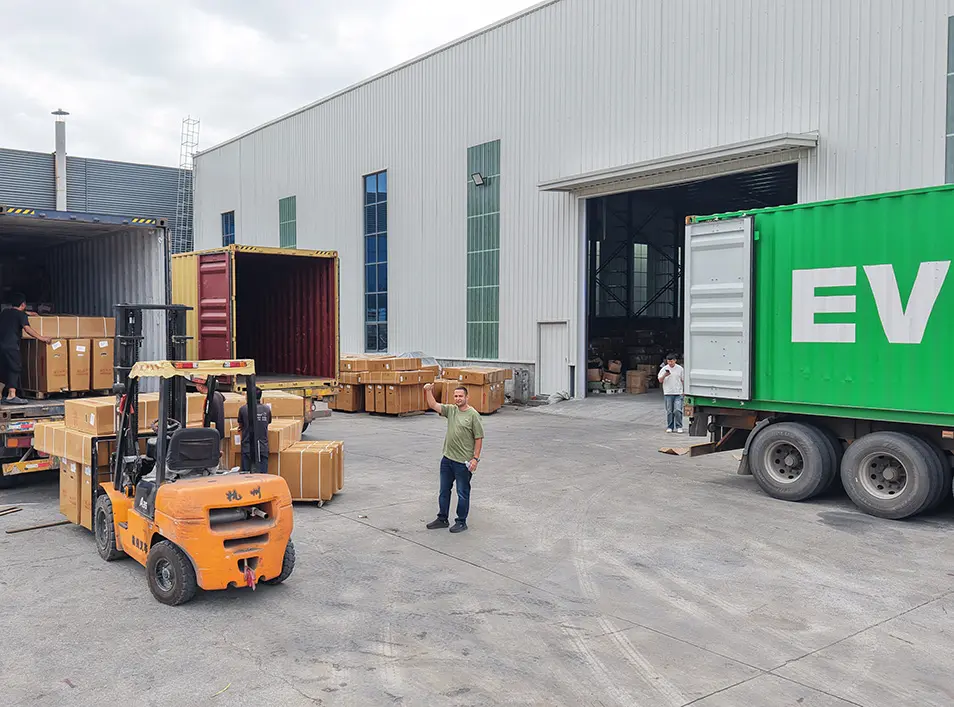
We provide flexible packaging solutions: SKD (Semi-Knocked Down) to minimize assembly overhead for regional distributors, and CKD (Completely Knocked Down) configurations to maximize container load factors (allowing up to 130-150 units per 40ft HQ container, lowering unit shipping costs).
Peru classifies electric vehicles by speed and power. E-bikes operating below 350W and limiting speeds to 25 km/h generally avoid compulsory SOAT (Seguro Obligatorio de Accidentes de Tránsito) and public registration. For high-speed logistics networks using 500W-1000W models, we provide vehicles fully compliant with technical sheets required by Peru's MTC for Category L1e-A/L1e-B vehicle homologation.
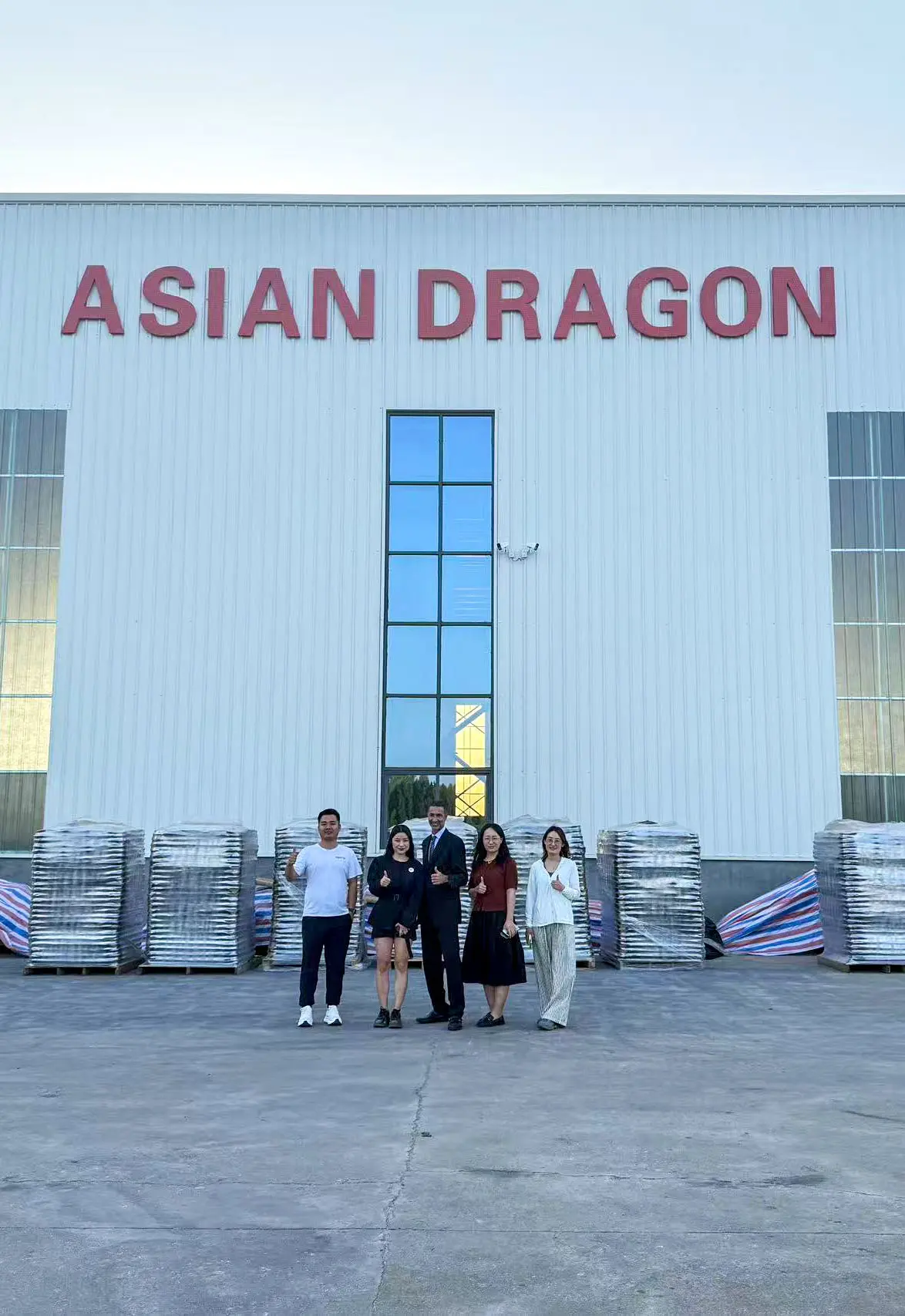
Linyi Fulong New Energy Co., Ltd. has developed into a comprehensive enterprise integrating the R&D, production, and sales of electric two-wheelers and three-wheelers, supported by a complete industrial supply chain. Our annual production capacity exceeds 500,000 units. Our products are exported to over 90 countries and regions worldwide, earning widespread international recognition.
Operating under the core principles of "customer first, quality first", we manage a professional market research team that studies the localized needs of different regions. To ensure high quality, we source premium raw materials and implement automated production and assembly processes, ensuring every product meets international standards before export.
As we expand our footprint within the Latin American market, particularly Peru, we focus on delivering tailored, high-reliability products. We work with our partners to optimize logistics costs, customize battery sizes, and provide local marketing materials. We welcome partners to visit our factory to see our assembly lines and test labs, helping establish long-term, mutually beneficial distribution relationships.
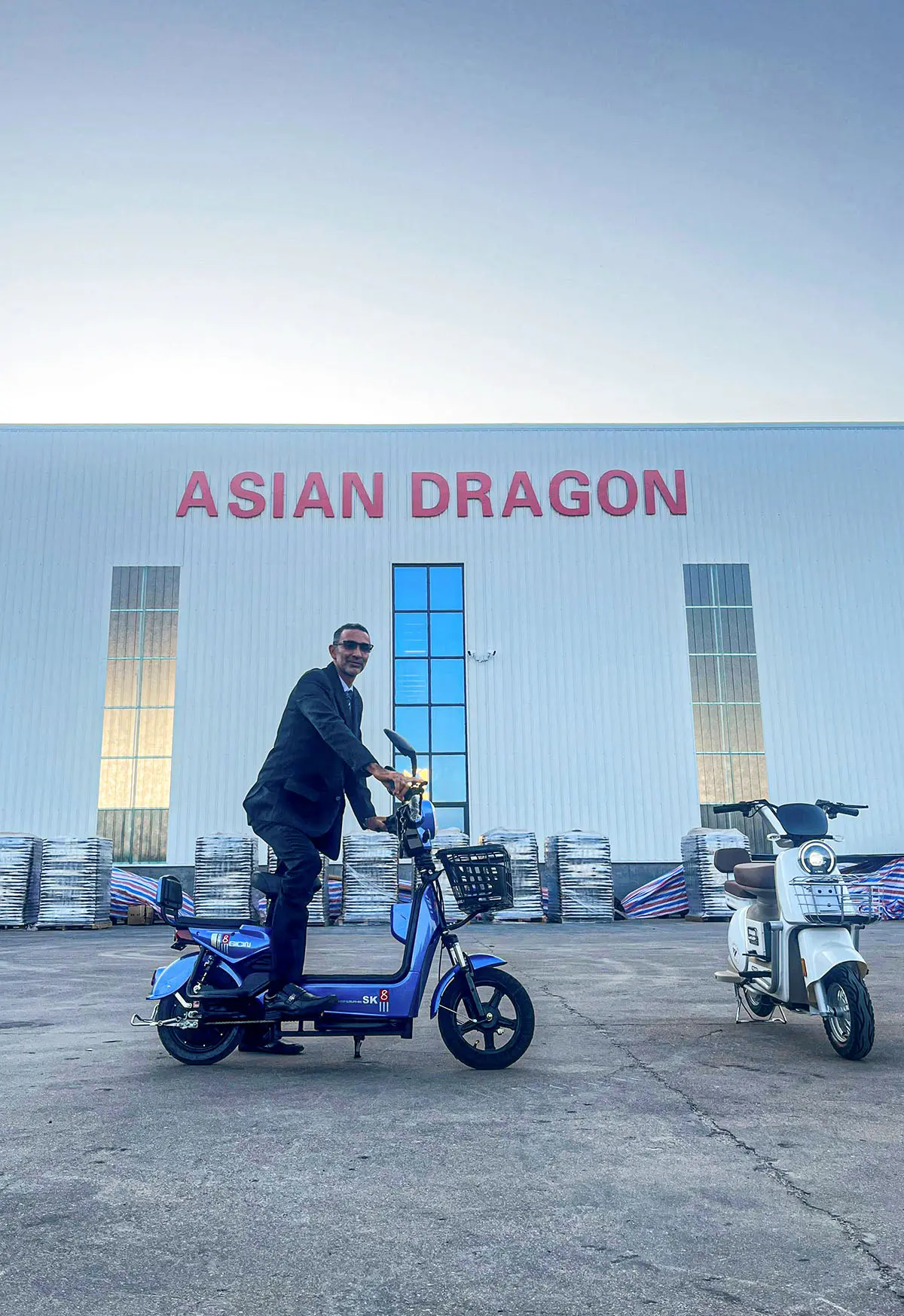
Explore customized vehicle designs tailored to diverse user groups and operating models across Peruvian urban centers.
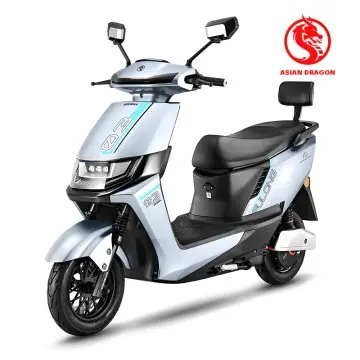
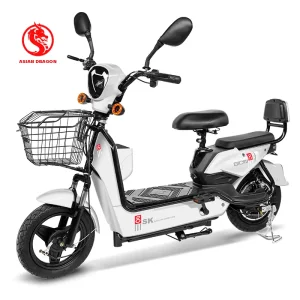
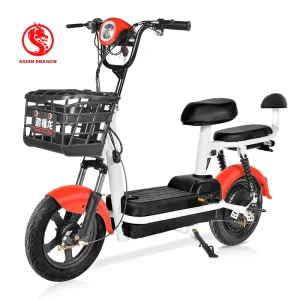
Designed for daily commuters in central Lima. Features a high-efficiency 48V brushless hub motor, dual rearview mirrors, and an active anti-theft system.
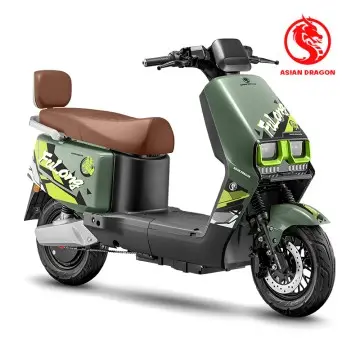
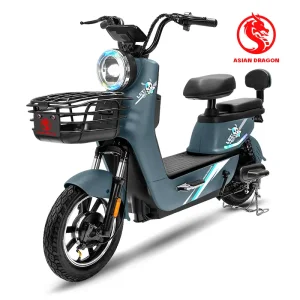
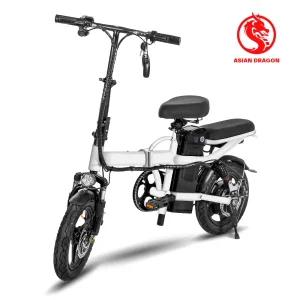
Featuring an extended rack system compatible with large delivery backpacks (Rappi/PedidosYa). Built with heavy-duty suspension and quick-swap battery slots.
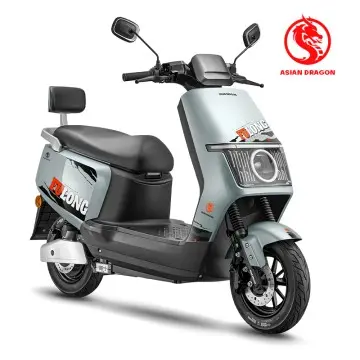
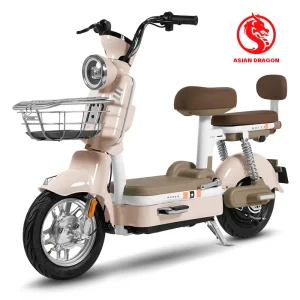
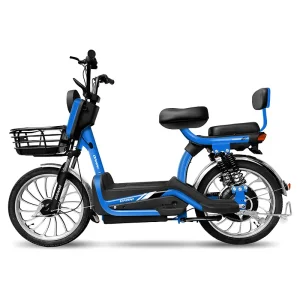
Configured with a high-torque controller to navigate steep slopes in cities like Cusco and Arequipa without overheating the electrical motor.

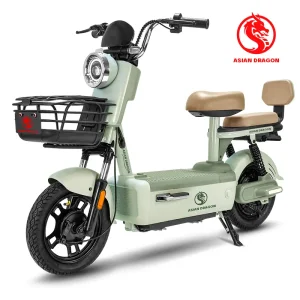
Featuring marine-grade powder coating and waterproof connections, ideal for rental fleets operating along coastal tourist corridors in Miraflores.
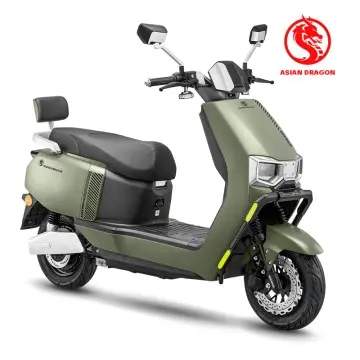
Optimized for long-range logistics fleets with an intelligent energy recovery system that recaptures battery power during downhill braking.
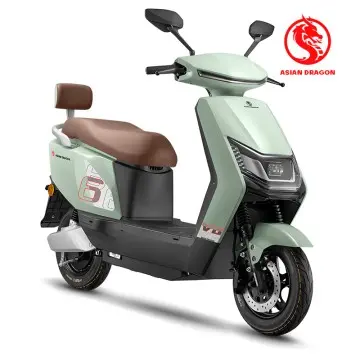
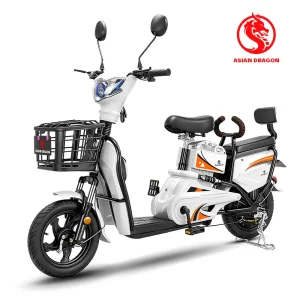
Equipped with a smart LED dash and keyless entry, designed to meet the growing demand for modern personal transit in Lima.
Factory-direct micro-mobility solutions with customizable paint, motor options, and lithium configurations for Peru.
Essential insights covering regulations, customs logistics, and technical specifications for importing electric bikes to Peru.
Under the China-Peru Free Trade Agreement (TLC China-Peru), electric bicycles (often classified under HS Code 8711.60) can qualify for preferential tariff treatment, reducing import duties to 0%. Importers must provide a valid Certificate of Origin. Standard sales taxes (IGV - Impuesto General a las Ventas at 16% and IPM - Impuesto de Promoción Municipal at 2%) still apply at customs clearance in the Port of Callao.
According to Decreto Supremo Nº 019-2020-MTC, light electric vehicles are classified by speed and power. Electric assisted bicycles with pedal assistance (PAS) up to 350W and speeds under 25 km/h do not require license plates (Placa Única Nacional de Rodaje), SOAT insurance, or a driver's license (brevete). However, higher-powered electric scooters or mopeds (Category L1e-A and L1e-B) exceeding these specs require homologation, license plates, and Class B licenses.
The high humidity and salt spray along Peru's coast, especially in Lima and Callao, can accelerate rust and corrosion. We address this by using double-coated aluminum alloy frames, sealed waterproof wire harnesses, and stainless steel hardware. Electrical hubs and controller boxes feature an IP65 waterproof rating to protect against coastal humidity and damp winters.
High-altitude riding involves steep inclines that demand consistent power and high torque. We recommend 48V Lithium-ion batteries (12Ah to 20Ah) paired with high-torque brushless motors (500W). Our advanced BMS regulates heat generation during extended climbs, ensuring long-term battery health and preventing thermal issues in high-altitude climates.
The total sea freight transit time from Chinese ports (such as Qingdao, Tianjin, or Shanghai) to Callao, Peru, averages 35 to 45 days. We handle export documentation, container loading, and customs clearances at the port of origin, ensuring a smooth transit process for your shipment.
Yes, we provide comprehensive OEM and ODM support. Importers can customize frame colors, decals, battery capacities, and motor sizes to build their brand or launch shared rental fleets. We also supply customized accessories, such as front utility baskets, rear delivery racks, and specialized LED safety lighting.
 Asian Dragon