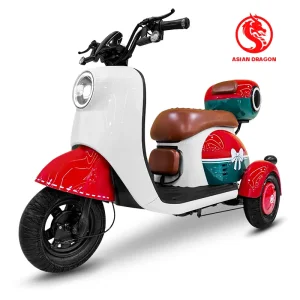
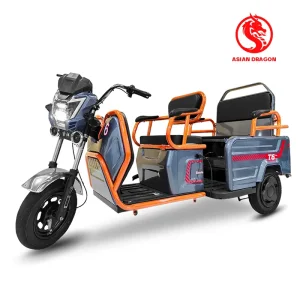
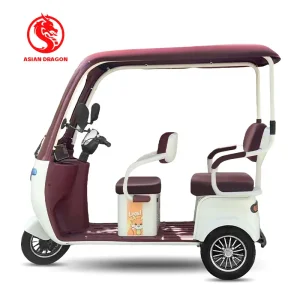
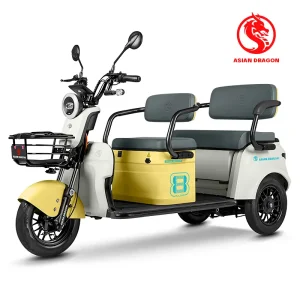
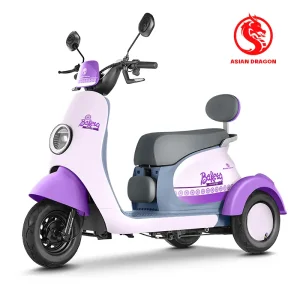
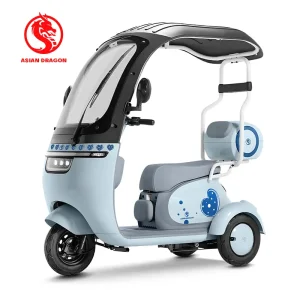
Engineered for the unique transit needs, terrains, and commercial demands of Nairobi, Mombasa, and rural counties.
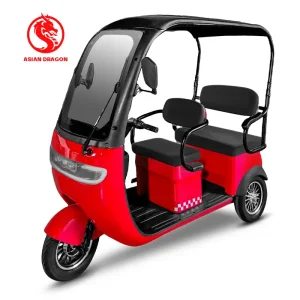
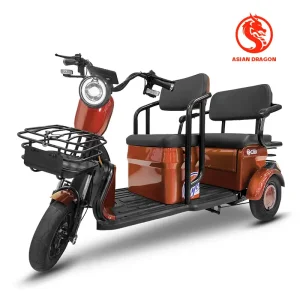
Understanding the macroeconomic drivers and structural changes shaping the East African EV market.
In Kenya, the transport sector is the backbone of daily commerce. Historically, petrol-powered two-wheelers (boda-bodas) and three-wheelers (tuk-tuks) have filled critical gaps in public transportation and logistics. However, volatility in global fuel prices, high maintenance costs of internal combustion engines (ICE), and mounting urban pollution have created a pressing need for cleaner, more economical alternatives. The transition to electric tricycles is not merely an ecological choice; it is a vital business pivot for local operators, logistics companies, and family commuters.
The Kenyan government is actively accelerating this transition. Under the National E-Mobility Policy, the government has introduced significant tariff reductions on the import of completely knocked down (CKD) kits for electric vehicles, alongside lower excise duties compared to conventional vehicles. The Energy and Petroleum Regulatory Authority (EPRA) has also established a special e-mobility electricity tariff, encouraging the setup of battery-charging stations and battery-swapping networks across major cities.
Electric tricycles are uniquely suited to the operating environments of East Africa. By matching the mechanical advantages of three-wheelers with clean electric drivetrains, we serve several distinct high-growth sectors:
Transporting fresh produce from smallholder farms in Kiambu, Meru, and Nakuru to local distribution hubs. Reduced vibration preserves crop quality.
Serving as first-and-last-mile public transport options in Mombasa and Nairobi estates, substituting costly petrol tuk-tuks with low-noise solutions.
Enclosed cargo and canopy tricycles offer weather-proof transport for online retailers and fast-moving consumer goods (FMCG) distribution.
Providing quiet, zero-emission transportation within residential complexes, golf estates, and eco-tourism resorts across the Rift Valley.
How our technical design addresses local infrastructure, battery resilience, and challenging terrain.
To ensure high operating runtimes and minimize fleet maintenance costs in Kenya, we have optimized the technical specs of our electric tricycles. Standard Chinese domestic configurations have been redesigned to handle tropical temperatures, dust, hilly terrains (such as those in the Rift Valley region), and varying road conditions.
| Technical System | Standard Configuration | Optimized Kenyan Market Spec | Operational Impact |
|---|---|---|---|
| Battery Chemistry | Lead-Acid or Ternary Lithium | Smart LiFePO4 (Lithium Iron Phosphate) | 3,000+ charge cycles, high thermal stability up to 60°C. |
| Suspension System | Standard Dual Spring | Reinforced Hydraulic Fork & Leaf Springs | Dampens heavy road shock on unpaved (murram) rural roads. |
| Motor & Axle | 800W Single Gear Hub | 1200W - 2000W Differential Hill-Climbing Motor | Enables continuous haulage of up to 500kg up steep terrain. |
| Controller protection | IP65 Standard | IP67 Hermetically Sealed Sine-Wave Controller | Protects vital electronic circuitry from red clay dust and heavy rains. |
| Chassis Protection | Standard Spray Paint | Electrophoretic Anti-Corrosive Dip + Underbody Shielding | Resists rust from humid coastal air in Mombasa and road debris. |
Why sourcing from Linyi Fulong New Energy Co., Ltd. ensures supply continuity and cost competitiveness.
Established in 2017, Linyi Fulong New Energy Co., Ltd. has developed into a comprehensive enterprise integrating R&D, production, and sales of electric two-wheelers and three-wheelers, with a complete industrial chain. Currently, the company has an annual production capacity exceeding 500 thousand units, with products sold to more than 90 countries and regions, enjoying widespread recognition.
In the increasingly fierce market competition, the company always takes "customer first, quality first" as its core operating principle, which is not only a solemn commitment to customers, but also the fundamental cornerstone of the company's sustainable development, running through every link of business development. With customer demand as the core orientation, our professional market research team works to deeply understand the actual needs of different customer groups.
Building a solid foundation for development with excellent quality, the company selects high-quality raw material suppliers and establishes strict raw material acceptance standards. At the same time, advanced production equipment and technology are introduced to realize the automation and fine control of the production process. This ensures that every production link meets global quality standards.
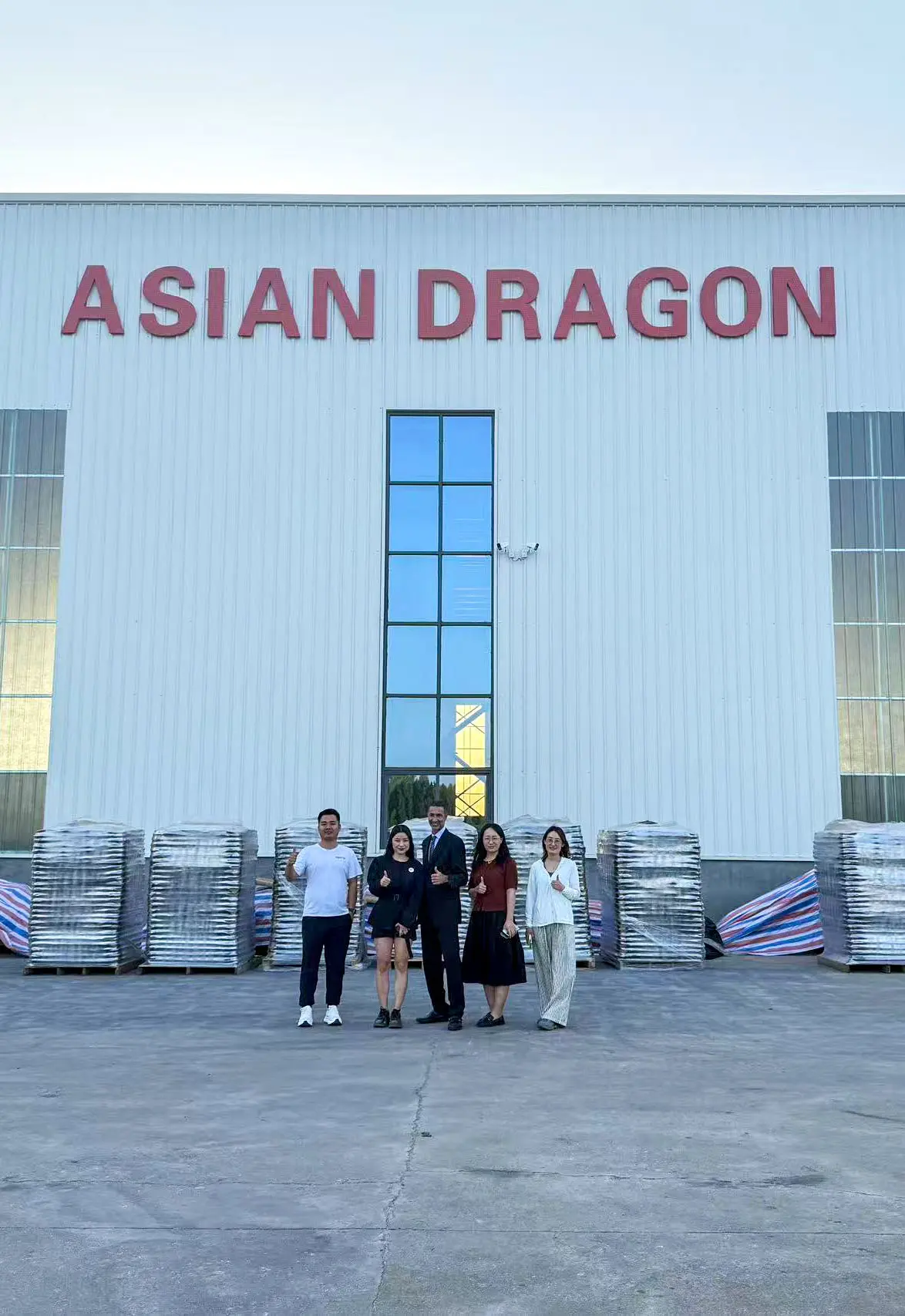
Sourcing directly from our source factory in Linyi, China provides Kenyan distributors with substantial competitive advantages:
Forging reliable partnerships and supplying targeted mobility configurations for sustainable growth.
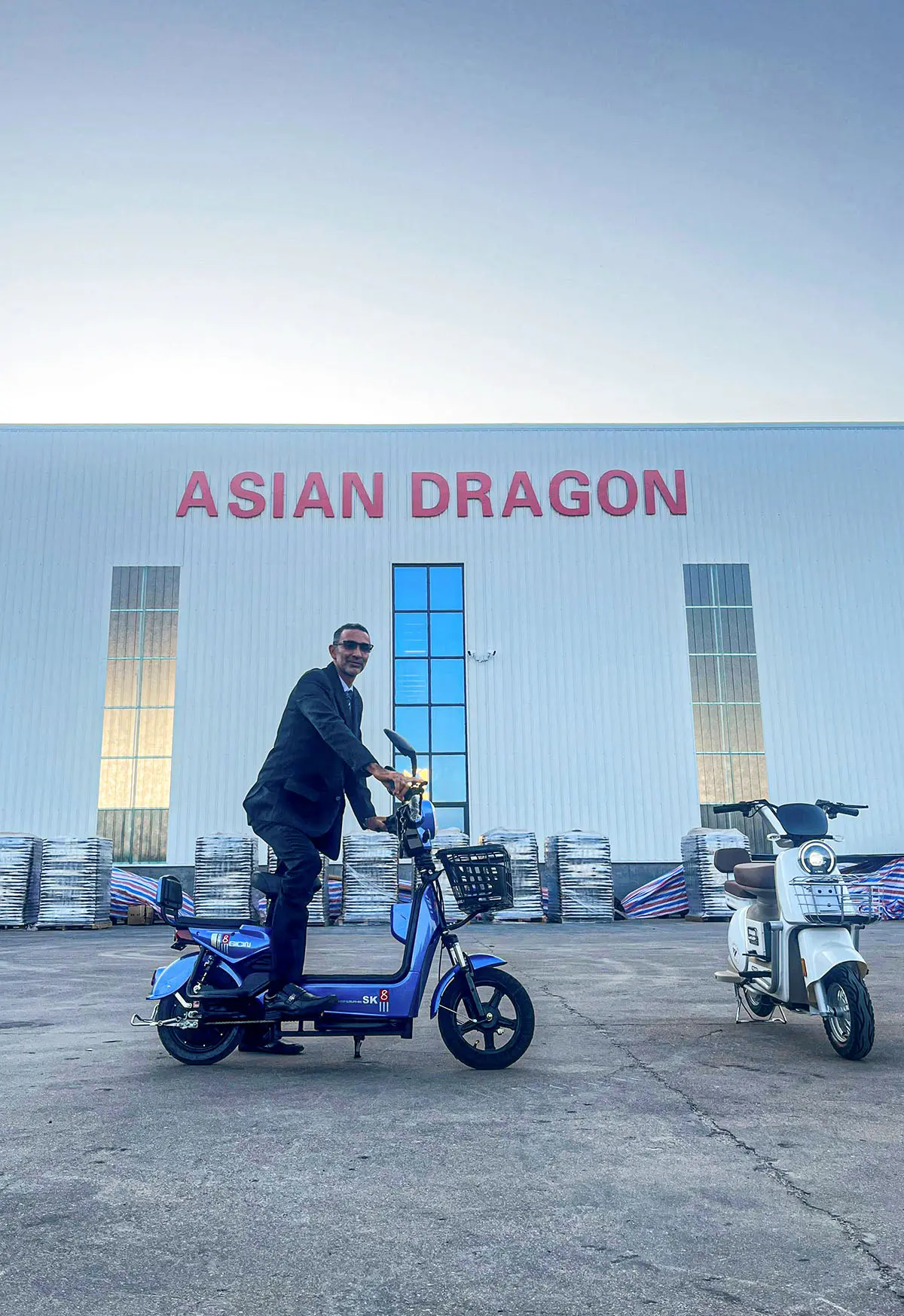
We are well aware that behind every cooperation is the trust and recognition of our customers. Welcome every partner to inspect the factory, get a deeper understanding of the company's strength and concept, eliminate cooperation concerns and establish a more stable trust relationship. Look forward to your visit, witness the quality strength with us and draw a blueprint for cooperation!
Our core product design approach centers on Precision Matching. Precision matching for personalized styles, customized designs based on user demographics, making it easy to find the perfect fit for you. Commuters get matched with long-lasting batteries, families with children find roomier seats, and short-distance commuters have lightweight options available, ensuring everyone finds their ideal and practical electric bike.
In the future, the company will continue to take "customer first" as the guide, listen to your needs and constantly optimize products and services; taking "quality first" as the bottom line, we will provide you with reliable product guarantee and help your business development.
Explore our diverse lineup, designed to fulfill passenger, logistics, and multi-purpose needs.
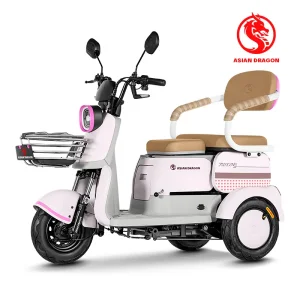
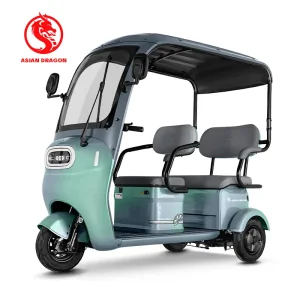
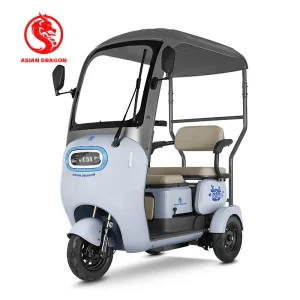
Navigating Kenyan regulatory frameworks and ensuring reliable local technical support.
Deploying a fleet of commercial vehicles in East Africa requires strict adherence to regional automotive standards. At Linyi Fulong, we cooperate closely with regulatory specialists to ensure our electric tricycles align perfectly with local requirements:
All electric vehicles imported into Kenya must conform to standards enforced by the Kenya Bureau of Standards (KEBS). We supply complete Certificates of Conformity (CoC) and necessary structural safety paperwork. Our design modifications are pre-vetted to comply with the National Transport and Safety Authority (NTSA) guidelines for vehicle registration, license plate issuance, and roadworthiness inspections.
Whether registering your tricycles for commercial carriage of passengers or freight, our comprehensive documentation (including detailed wiring diagrams, chassis VIN numbers, and battery hazard sheets) simplifies the legal path to operation.
Unplanned downtime is the enemy of commercial fleet efficiency. We support our distributors with tailored spare parts programs:
Answers to technical, regulatory, and commercial inquiries about importing and operating E-Tricycles in Kenya.
 Asian Dragon