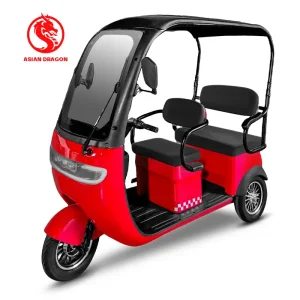
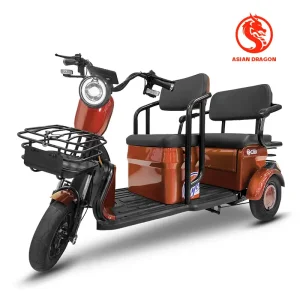
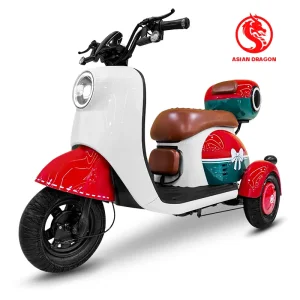
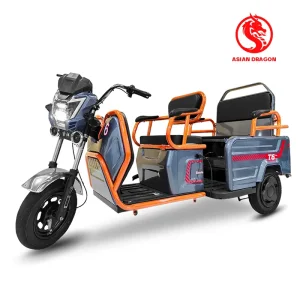
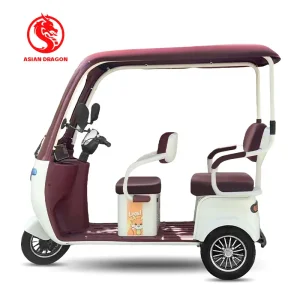
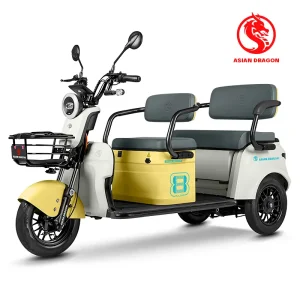
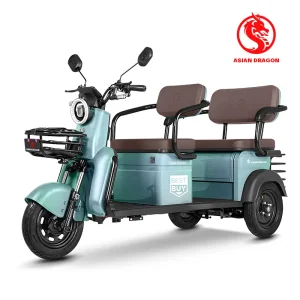
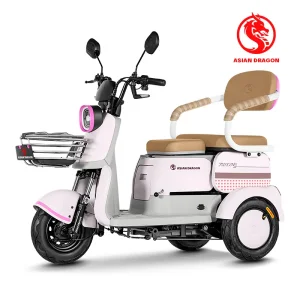
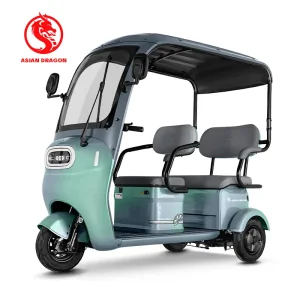
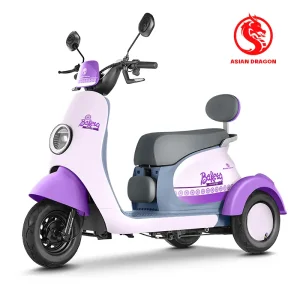
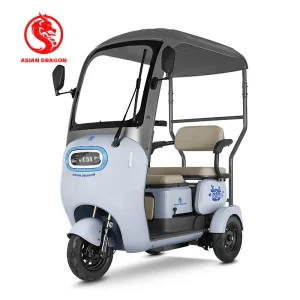
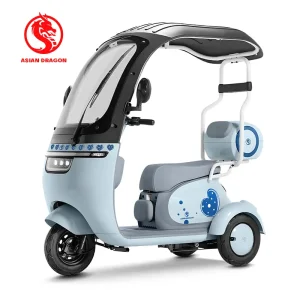
The Iraqi market is witnessing a transformative phase in urban transportation. As cities like Baghdad, Erbil, and Basra expand, the demand for agile, cost-effective, and sustainable last-mile logistics and personal mobility solutions has surged. The E-Tricycle (Electric Tricycle) is emerging as the perfect equilibrium between the cargo capacity of a truck and the maneuverability of a motorbike.
Post-reconstruction Iraq is prioritizing efficiency. With fuel costs fluctuating and city centers becoming increasingly congested, business owners and families are turning to electric mobility. E-Tricycles offer significant advantages: lower operating costs compared to combustion engines, zero emissions contributing to a cleaner urban environment, and the ability to navigate narrow historical street grids where four-wheeled vehicles struggle.
For Iraqi importers and distributors, partnering with a Chinese "Industry 4.0" factory is not just about price—it is about **supply chain resilience**. Modern Chinese manufacturers now utilize:
The application of these E-Tricycles in Iraq goes beyond simple commuting:
Q: What specific considerations should Iraqi buyers take regarding battery life in hot climates?
A: High-temperature resistance is crucial. Ensure you specify "Tropical Climate Battery Packs" (e.g., LiFePO4 batteries with advanced thermal management) when ordering from your supplier to ensure longevity.
Q: Can these E-Tricycles be customized for heavy loads?
A: Yes. Factory-direct suppliers can customize the chassis strength, motor torque, and suspension systems to handle heavier commercial payloads, making them ideal for the Iraqi logistics sector.
Q: How do we handle maintenance and spare parts in Iraq?
A: Reputable Chinese suppliers offer "SKD" (Semi-Knocked Down) or "CKD" shipping options, allowing local Iraqi workshops to assemble and service the units easily. Always request a critical spare parts package with your initial order.
 Asian Dragon