High-performance electric vehicles specifically aligned with South Korea's strict safety standards, optimized for urban topography and commercial delivery networks.
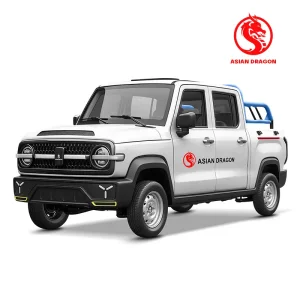
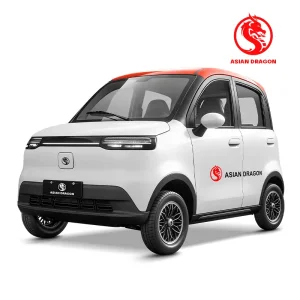
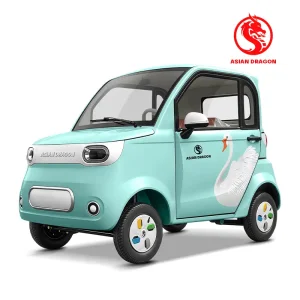
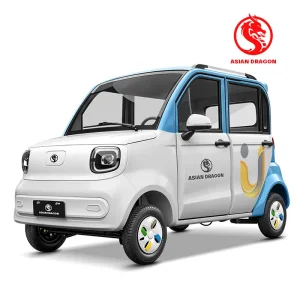
South Korea stands at the forefront of the global green transit revolution. Powered by the central government's ambitious "Carbon Neutrality 2050" initiative and the comprehensive Korean Green New Deal, the domestic market for light electric vehicles (LEVs), electric motorcycles, and specialty commercial e-trikes has witnessed explosive exponential growth. Cities like Seoul, Busan, and Incheon are facing severe urban congestion, accelerating the demand for eco-friendly, energy-efficient, and structurally nimble alternatives to traditional internal combustion vehicles.
In addition to consumer demand, the Korean delivery and last-mile logistics sector—anchored by corporate giants and rapid delivery service networks—has systematically prioritized the complete conversion of their gasoline fleets to zero-emission electric vehicles. This regulatory push requires high-durability powertrains, reliable thermal management systems to handle Korea's freezing winters, and high-capacity battery units capable of supporting multi-shift logistics patterns.
Unlike Western markets where overnight home-charging is standard, South Korea’s highly dense apartment-centric residential layout necessitates robust public charging networks and battery swapping station (BSS) interoperability. Sourcing e-vehicles equipped with standardized, hot-swappable battery configurations is crucial for local fleet operations. Manufacturers must coordinate directly with local BSS protocols (such as those implemented by the Korea Battery Swapping Association) to guarantee continuous uptime for commercial riders.
The Korean Ministry of Land, Infrastructure and Transport (MOLIT) enforces strict structural and electrical safety standards on all passenger and utility vehicles. Any EV entering this market must navigate complex KC (Korea Certification) and safety verification processes, covering battery cell chemistry security, fire-retardant structural polymers, electromagnetic compatibility, and braking system efficiencies on steep slopes characteristic of Korea's mountainous terrain.
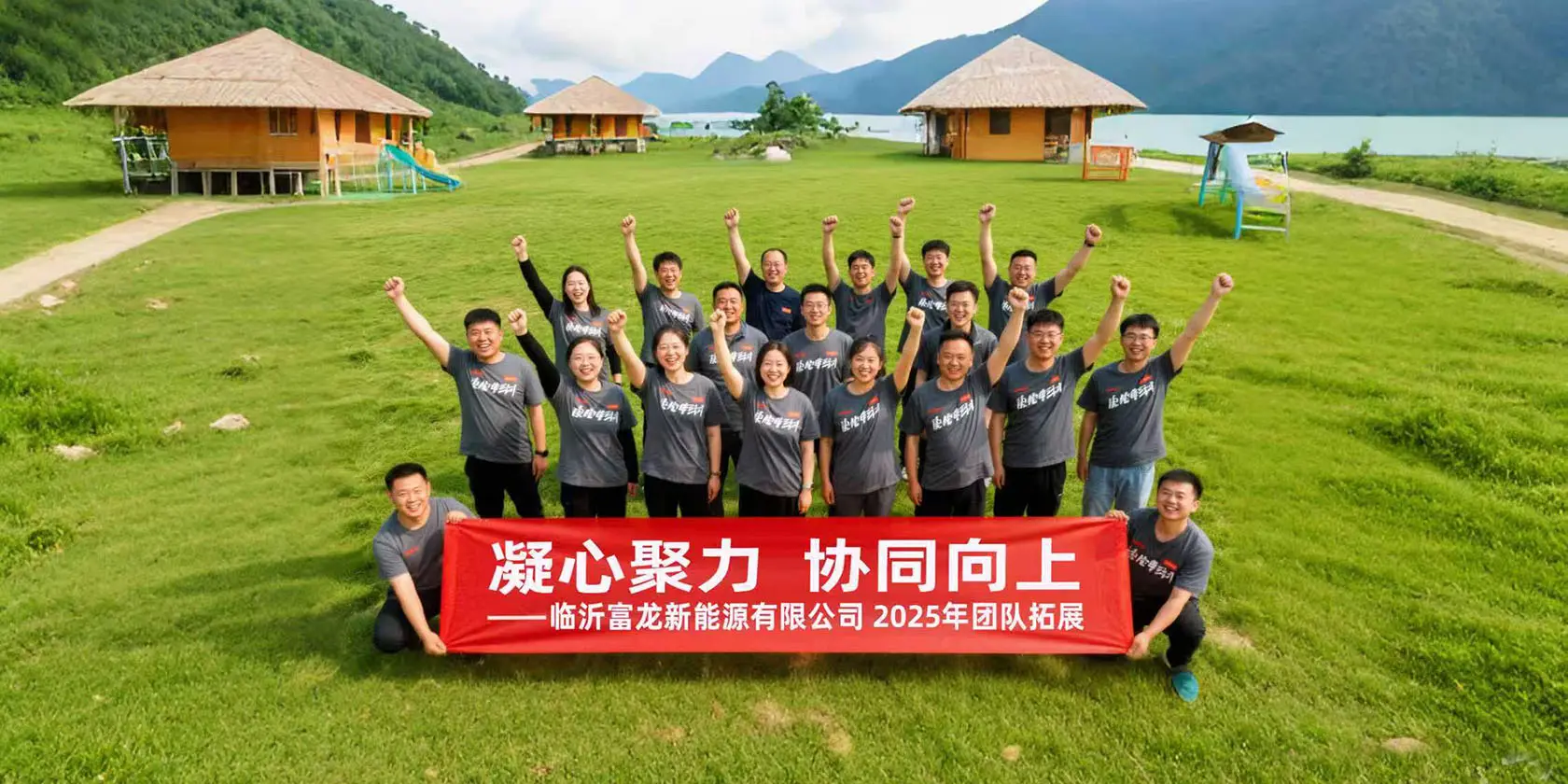
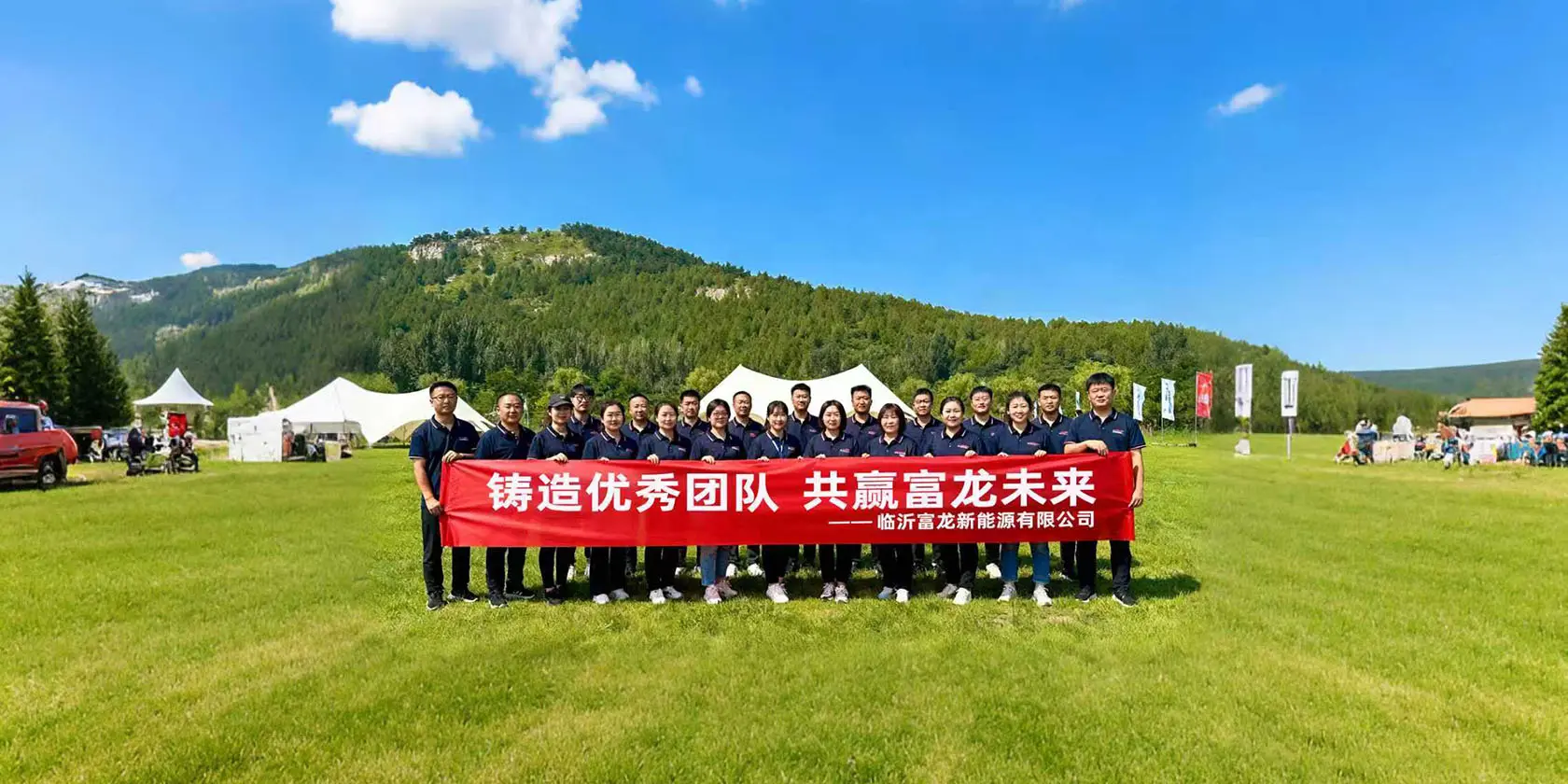
Linyi Fulong New Energy Co., Ltd. has developed into a comprehensive enterprise integrating the R&D, advanced production, and global sales of electric two-wheelers, three-wheelers, and specialty light four-wheelers, boasting a complete industrial chain. Our factory has an annual production capacity exceeding 500 thousand units, with products successfully exported to more than 90 countries and regions worldwide, achieving extensive market acclaim.
In the increasingly competitive international landscape, we hold fast to "customer first, quality first" as our core operating principle. We select premier raw material suppliers and enforce rigorous testing protocols. By introducing highly automated assembly and laser-welding hardware, we ensure that every critical manufacturing phase meets international safety certifications.
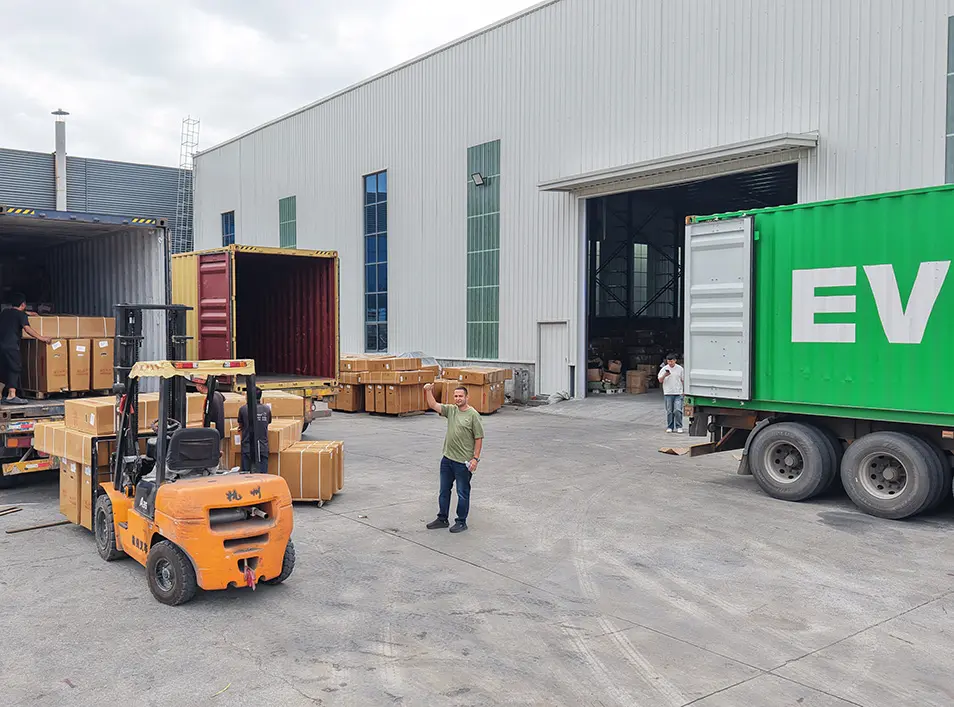
For South Korean importers and corporate fleet developers, establishing a direct channel with an agile, high-capacity factory is the single most critical factor in achieving market dominance. The typical procurement process requires balancing product cost-efficiency with high engineering standards. Customizing vehicles at the factory level ensures compliance with local laws and meets the aesthetic expectations of Korean consumers.
We design customized solutions matching specific user profiles and performance demands.
High-torque, extended-voltage platforms optimized for mountainous ascents and rapid acceleration in urban zones.
Compact, lightweight designs with integrated smart-locking, anti-theft GPS, and highly affordable operational margins.
Premium retro aesthetics and high-visibility LED styling targeted at Seoul's design-conscious younger consumer base.
Ergonomic postures, long-range regenerative braking systems, and integrated quick-charge support.
Linyi Fulong New Energy Co., Ltd. continuously invests in automating our production ecosystems to drive down global logistics costs and improve quality consistency.
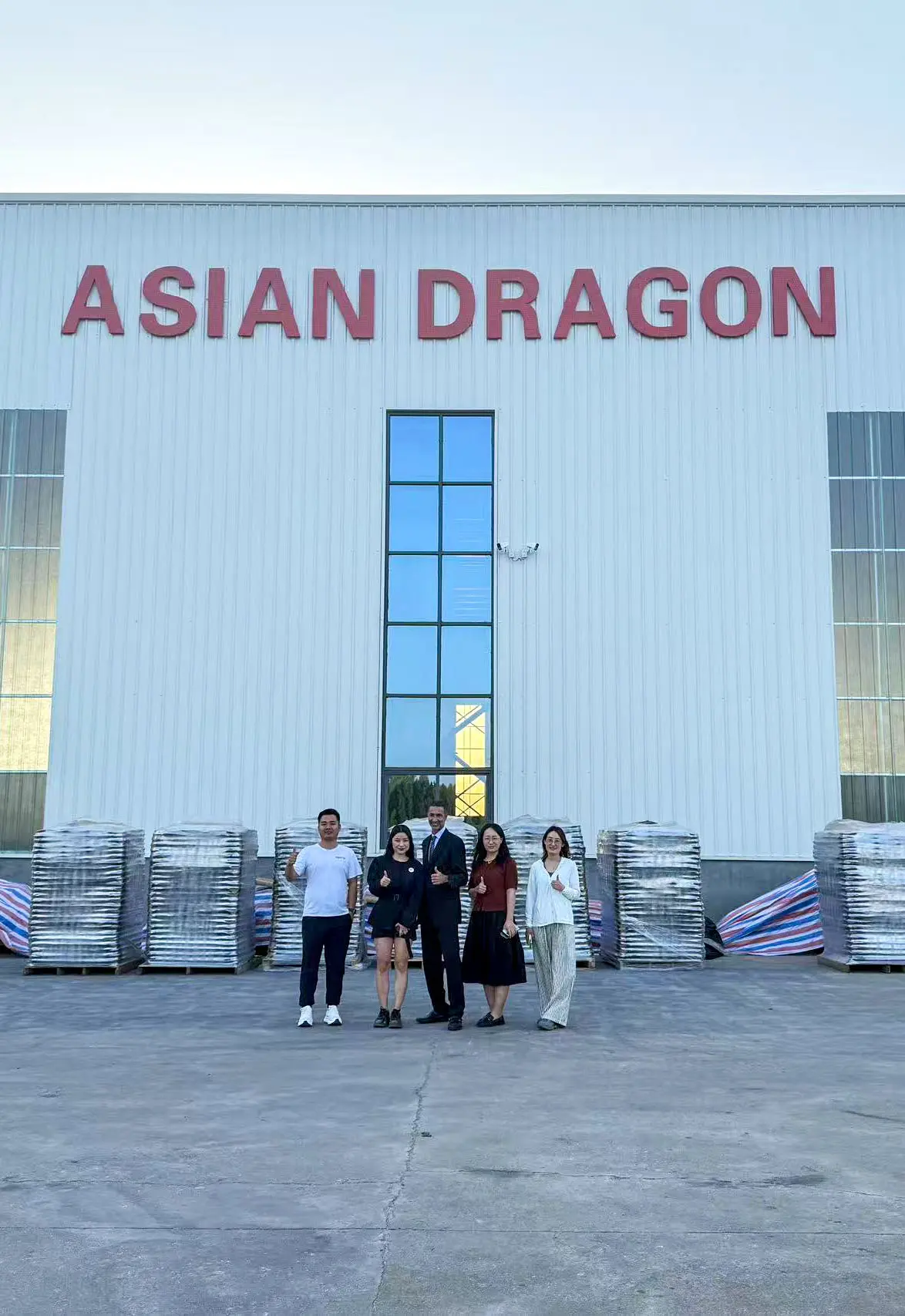
Automated robot welding lines guarantee zero defects and structural integrity under high load demands.
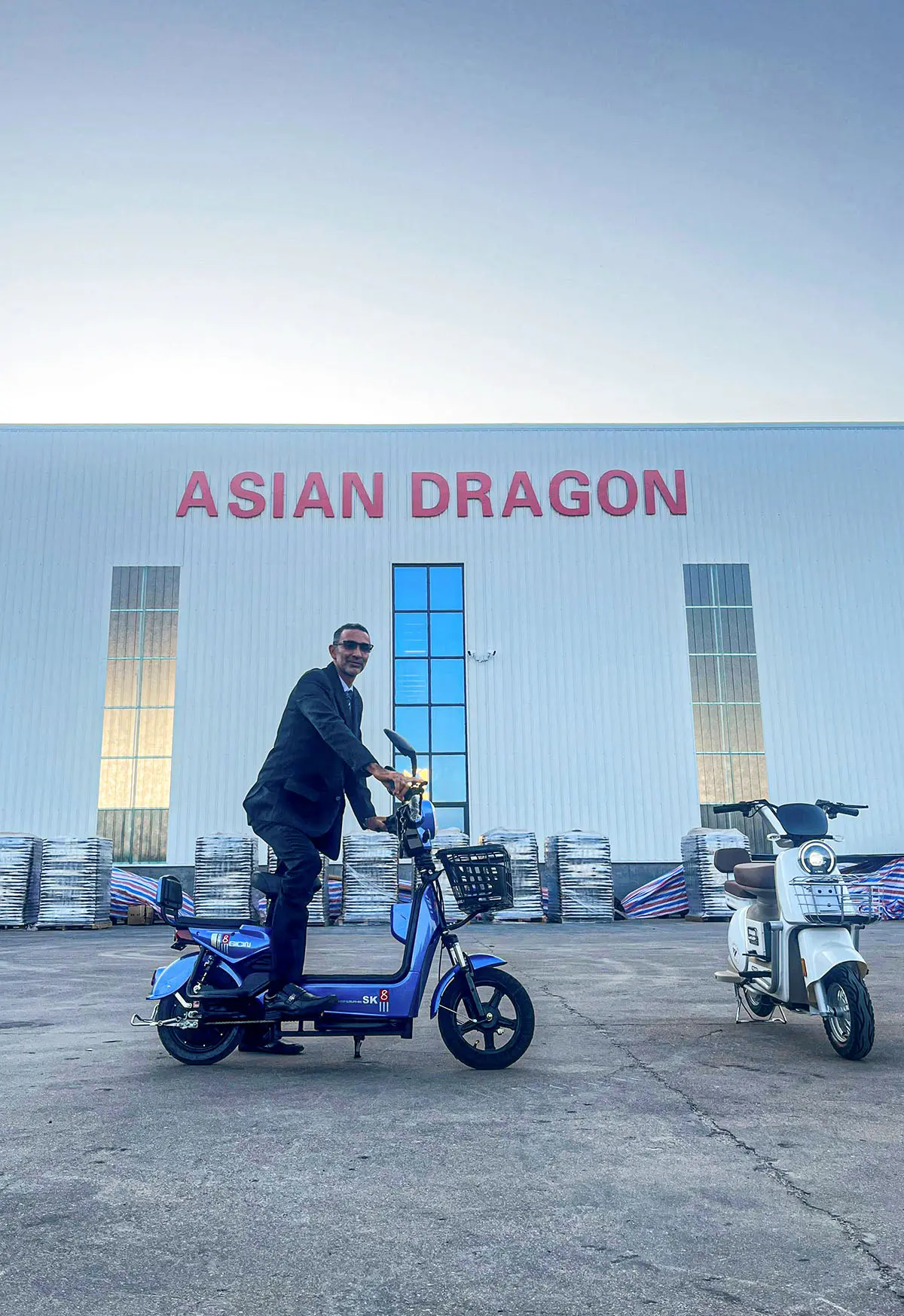
Multi-stage corrosion protection suitable for diverse coastal environments and heavy salt exposure.
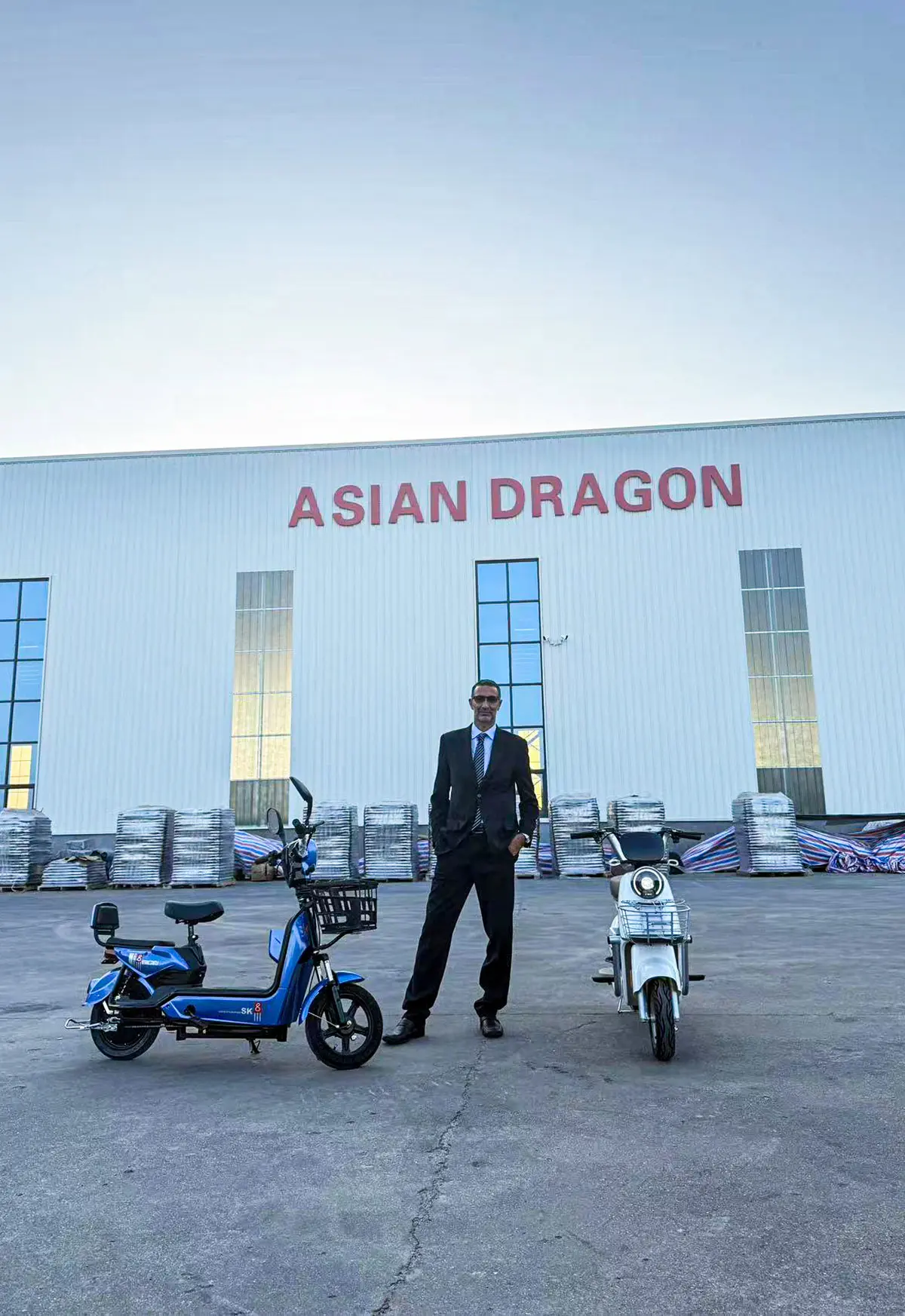
Comprehensive hardware testing covering battery discharge profiles, brake lines, and motor performance.
Achieving sustained business success in the modern mobility era requires looking beyond isolated product procurement. Importers must deploy integrated ecosystems where hardware and software work in harmony to streamline operations.
Our micro-mobility platforms are equipped with modern telematics modules. Fleet managers can easily track state-of-charge (SoC), operational temperature, geographical boundaries, and detect vehicle falls or diagnostic errors. This API-ready telemetry integrates directly with enterprise delivery platforms, allowing logistics companies in South Korea to maximize fleet routing efficiency and schedule preventative maintenance before mechanical issues arise.
Our technical roadmap emphasizes modular power configurations. Depending on target price points and environmental requirements, clients can select between LFP (ideal for high cycle life and commercial delivery applications) and NCM options (offering maximum density for premium performance under cold weather conditions). Furthermore, our chassis frames feature standardized mounting brackets to facilitate easy physical transitions between custom battery capacities.
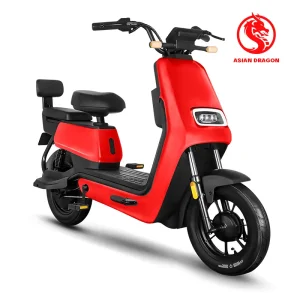
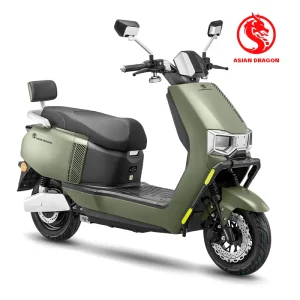
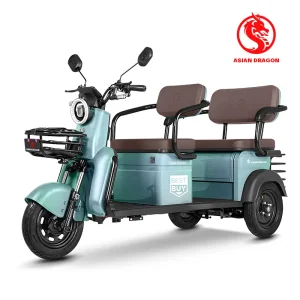
Our high-torque, export-ready 48V electric motorcycle lineup, built on reinforced chassis and designed for commercial and urban commuting roles.
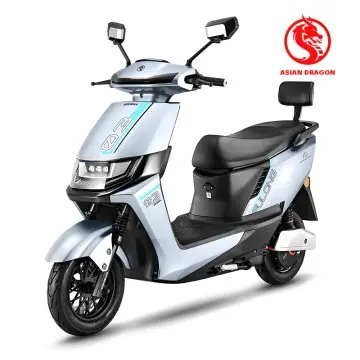
Equipped with high-output motors and a rigid frame, ideal for city delivery networks demanding high uptime.
Inquire Now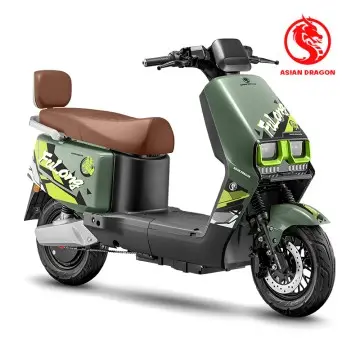
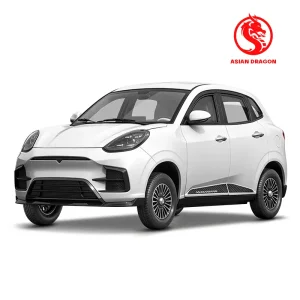
A compact footprint combined with exceptional range, optimized for narrow urban alleyways.
Inquire Now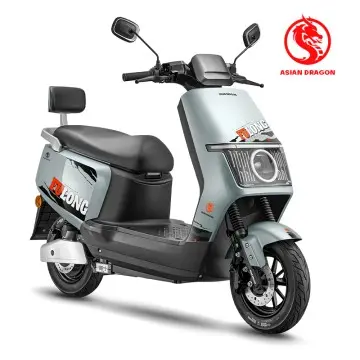
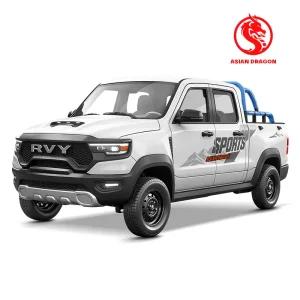
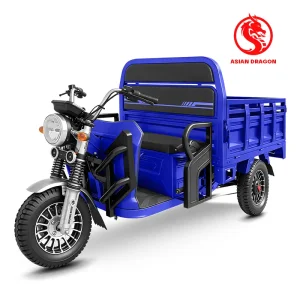
Features heavy-duty shock absorption systems designed to carry cargo and withstand rough city roads.
Inquire NowImporting light electric vehicles into South Korea involves navigating a detailed web of regulatory standards. Understanding these rules is essential to ensure your imports can be legally registered, operated, and qualify for government financial incentives.
All high-capacity battery cells, chargers, and electric controllers must obtain official KC safety marks. This process includes dynamic lab tests to verify fire protection, overcharge cutoffs, and structural shock absorption. As an experienced exporter, our manufacturing processes align with these safety standards, expediting the local certification timeline for import partners.
South Korea provides tiered subsidies based on vehicle efficiency, battery performance, and winter driving range retention. Partnering with a factory that optimizes battery thermal management and energy efficiency helps importers secure maximum tier-one subsidies, significantly lowering the purchase cost for retail customers and commercial fleets.
Professional sourcing insight for distributors, logistics providers, and corporate fleet buyers entering the South Korean market.
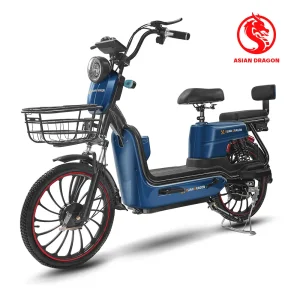
Explore our complete range of certified electric scooters, commercial three-wheelers, and commuter bikes designed for international markets.
 Asian Dragon