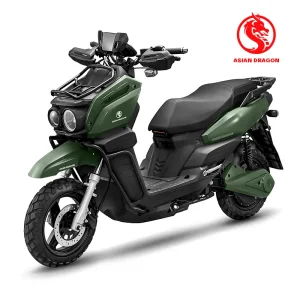
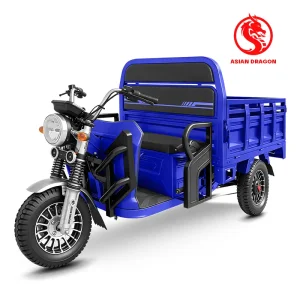
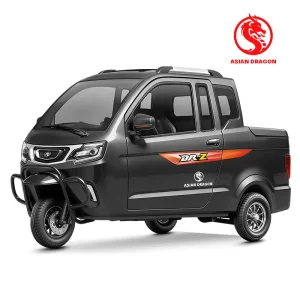
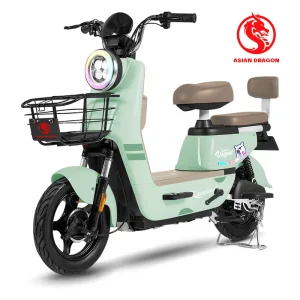
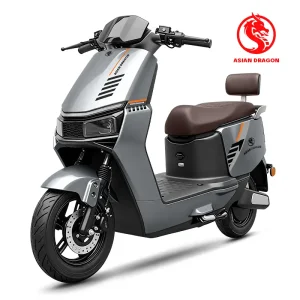
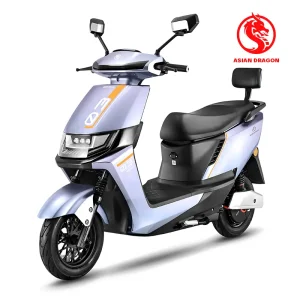
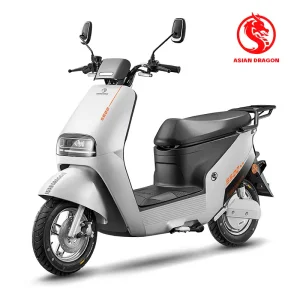
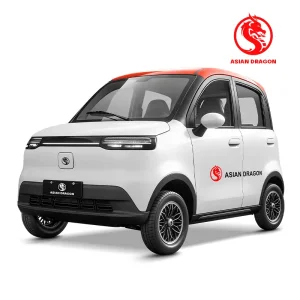
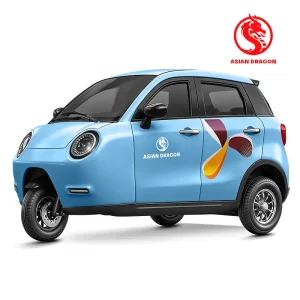
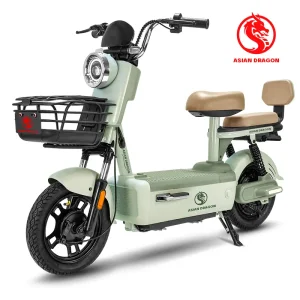
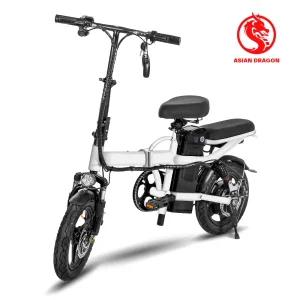
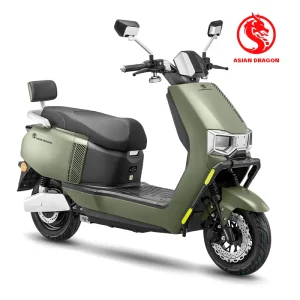
Engineered for compliance, performance, and outstanding energy efficiency across Nagoya's busy metropolitan corridors.
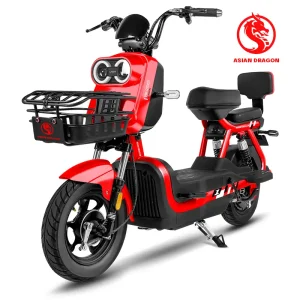
Understanding Chubu’s Industrial Hub & Its Micro-Transportation Transformation
Nagoya, the capital of Aichi Prefecture, stands as the central beating heart of Japan's automotive and heavy industrial manufacturing. Historically known as the powerhouse of traditional internal combustion engine (ICE) production, the Chubu region is undergoing a massive, policy-driven paradigm shift toward electrification and carbon neutrality. Local governments, combined with progressive commercial sectors, are aggressively promoting green infrastructure to meet Japan's national 2050 Net-Zero emissions target.
This structural transformation has triggered a surge in demand for lightweight, high-efficiency electric two-wheelers (E-Motorcycles & E-Bikes) and electric three-wheelers (E-Trikes). Industrial zones around the Port of Nagoya, last-mile delivery services in high-density commercial zones like Sakae and Meieki, and suburban commuters are seeking robust alternatives to conventional combustion vehicles to optimize operations, lower fleet upkeep, and adhere to strict environmental standards.
Dense commercial centers in Nagoya require rapid, zero-emission distribution vehicles that can bypass narrow traffic lanes and operate within low-emission municipal zones.
The Chubu manufacturing belt employs green micro-transport vehicles for on-site parts delivery, warehousing logistics, and eco-friendly employee commuting programs.
Leveraging Chinese Industry 4.0 to Deliver Superior Value, Quality, and Logistics Stability
B2B procurers across North America, Europe, and Asia-Pacific are shifting away from unreliable ICE setups to integrated, battery-electric powertrains. Sourcing requires flexible OEM customization, smart diagnostic systems, and compliance with local regulatory frameworks (such as CE, EEC, and Japan’s Road Traffic Act requirements).
Through robotic frame welding, automated environmental coating, and high-frequency automated inspection, our Chinese production lines guarantee consistency at scale. This intelligent automation offsets raw material cost spikes, enabling us to export resilient, high-quality chassis structures to the competitive Japanese market.
By using direct shipping routes from Qingdao/Shanghai to the Port of Nagoya, we drastically cut down lead times. Our strategically managed battery and motor supply chain insulates our clients from geopolitical disruptions and logistics bottlenecks, ensuring a steady flow of inventory for local dealers.
Linyi Fulong New Energy Co., Ltd. has developed into a comprehensive enterprise integrating R&D, production, and sales of electric two-wheelers and three-wheelers, with a complete industrial chain. Currently, we operate with an annual production capacity exceeding 500 thousand units, with products sold to more than 90 countries and regions, enjoying widespread recognition.
In an increasingly competitive global market, we consistently prioritize "customer first, quality first" as our core operating principle. This commitment runs through every link of our business development. By selecting high-quality raw material suppliers and establishing strict acceptance standards, we ensure that every production link meets international regulatory standards, delivering reliable safety and durability to Nagoya buyers.
We provide customized designs based on user demographics. Commuters are matched with long-lasting batteries, families with spacious seats, and last-mile operations with heavy-duty cargo platforms, ensuring everyone finds their ideal, practical electric vehicle.
Optimizing daily transport, industrial shipping, and recreational travel across Nagoya's key districts
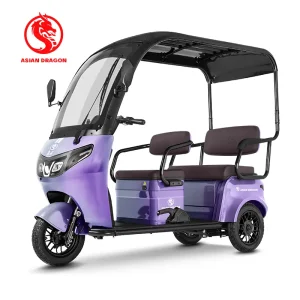
Our heavy-duty e-trikes provide parcel and food delivery companies in Nagoya's Sakae district with high-capacity cargo options, maneuvering through alleys that delivery vans cannot access.
Ideal for students at Nagoya University and tourists around Nagoya Castle, our lightweight e-bikes offer low-speed, safe, and highly efficient transport without requiring a drivers license.
Large industrial campuses across Nagoya and Aichi Prefectures use our enclosed and cargo e-trikes for emission-free on-site logistics, transporting parts between assembly lines.
Providing daily riders in Chikusa and Showa wards with hydraulic shock-absorbing electric bicycles to tackle rolling hills, ensuring smooth, comfortable travels.
Providing specialized frame configurations for regional transport, heavy delivery cargo, and all-weather commuting.
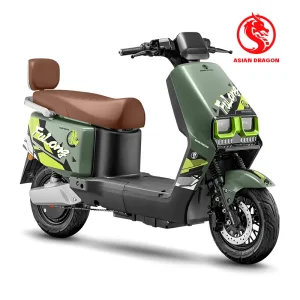
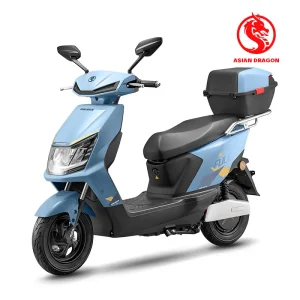
How we design and engineer our products for safety, durability, and operational longevity
Our hydraulic shock absorbers are built using aerospace-grade alloy dampers, providing high stability and handling comfort even under a maximum loading capacity of 150kg on uneven urban asphalt roads.
Our 500W brushless DC motors achieve over 88% energy-to-work efficiency, optimizing the heat dissipation rate and providing stable torque when climbing steep warehouse ramps or urban slopes.
All vehicle frames go through strict finite element testing. Electronic controllers are tuned to Japan's legal requirements, allowing simple regional licensing and registration for commercial road use.
Premium OEM and ODM models ready for wholesale distribution and commercial fleet integration in Japan
Key information regarding imports, customization, compliance, and shipping logistics to Japan
Partner with an industry-certified manufacturer to secure premium, reliable electric vehicles customized to your exact requirements. Benefit from our Industry 4.0 production capabilities, competitive wholesale pricing, and experienced engineering support.
Send Inquiry Now Asian Dragon